
Table of Contents >> Show >> Hide
There are few household objects less glamorous than a clothesline. It does not beep. It does not connect to Wi-Fi. It will never be marketed as “smart,” unless we start calling common sense a luxury feature. And yet, the humble clothesline has quietly staged one of the best domestic comebacks of the modern era. That comeback is exactly what makes Vermont Clothesline Company so interesting.
At first glance, the company seems almost mischievously simple: cedar posts, cotton line, sturdy hardware, and instructions that assume you still know which end of a shovel goes into the dirt. But that simplicity is the point. In a home culture obsessed with replacing effort with buttons, Vermont Clothesline Company turns back toward something slower, prettier, and strangely satisfying. It sells not just a laundry tool, but a small household philosophy: dry clothes in the open air, use less energy, and let useful things also be beautiful.
This is where the phrase domestic science earns its keep. Laundry has always been part chemistry, part engineering, part routine, and part family politics. One person wants towels fluffed into cloud status; another thinks a stiff line-dried sheet feels like moral discipline. Vermont Clothesline Company lands in the middle of that debate with an idea that feels both old-fashioned and current: a well-made clothesline is not a relic. It is a practical design object for modern living.
Why Vermont Clothesline Company Caught People’s Attention
The origin story is refreshingly un-corporate. The company began when Michelle Baker, living in Vermont, wanted a clothesline that looked better and worked better than the flimsy metal options she was finding. Rather than settling for something awkward, industrial, or likely to rust into a backyard eyesore, she and Joel Baker turned the problem into a product. What followed was a small Vermont business built around easy-to-assemble clothesline kits with an unmistakably regional character.
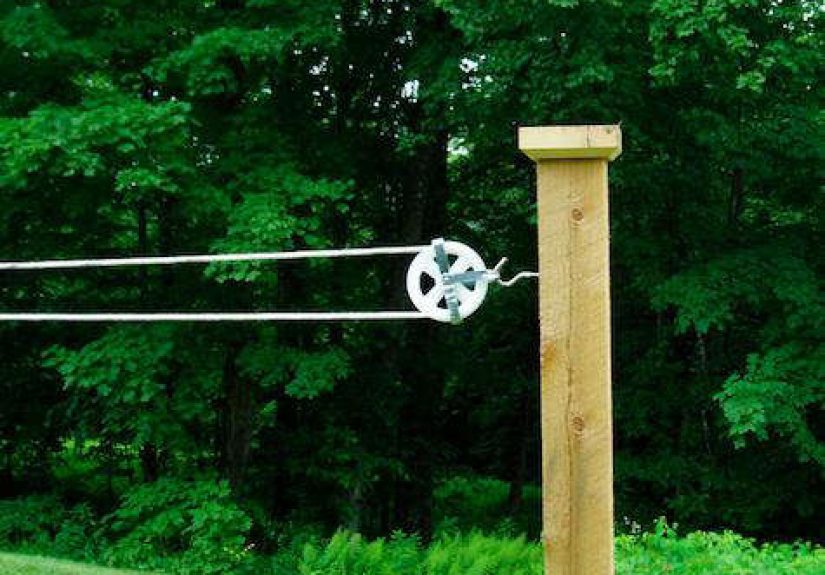
That character matters. The company became known for using rough-hewn Eastern white cedar posts, cotton clothesline, and American-made hardware. In other words, the products looked like they belonged in a New England yard instead of escaping from the clearance aisle of a sad hardware superstore. The result was a clothesline that felt sturdy, handsome, and intentional. A backyard drying setup no longer had to look like a compromise. It could look like a choice.
And that is exactly why design-minded readers noticed. Vermont Clothesline Company was featured not because it invented drying clothes outside, which humanity had already been doing for a while, but because it made the practice look desirable again. It brought together utility, craftsmanship, and a kind of low-key Americana that people increasingly crave when their homes feel overrun by plastic convenience.
A Brand Built on Usefulness, Not Hype
The beauty of the company’s approach is that it solves a real household problem without pretending to solve all of them. A clothesline will not fold your fitted sheet. It will not remove mystery stains from your teenager’s hoodie. It will not explain why one sock is always missing. But it will give you a durable place to dry clothes, linens, and lightweight household textiles using wind and sun instead of a heating element and a utility bill.
That modest promise is part of the charm. Vermont Clothesline Company sits in the sweet spot where American-made home goods, sustainable laundry habits, and practical outdoor design overlap. It feels less like a trendy brand and more like an answer your grandparents would trust.
The Real Appeal of Line Drying
Let us now defend the clothesline against the dryer, though not with unnecessary drama. Dryers are convenient. They are fast. They are also energy-hungry machines, and even efficient models still consume power because their basic job is to remove moisture with heat. That is a costly task. A clothesline, by contrast, runs on sunlight, airflow, and the revolutionary technology known as patience.
For homeowners trying to reduce household energy use, line drying remains one of the easiest changes to make. Even people who are not ready to become full-time clothesline evangelists can cut dryer use by air-drying delicates, sheets, activewear, or half a load at a time. The savings are not just financial. Less machine drying also means less wear on clothing, less stress on elastic fibers, and less fading caused by repeated heat exposure.
Better for Many Fabrics
This is where laundry becomes less of a chore and more of a fabric preservation strategy. High heat is rough on many garments. It can shrink cotton, weaken elastic, dull colors, and shorten the life of anything with stretch. That is why so many clothing labels suggest laying flat, hanging dry, or avoiding tumble heat altogether. The clothesline does not merely save energy; it is often kinder to the clothes themselves.
Shirts, pillowcases, lightweight towels, summer dresses, cotton bedding, baby clothes, and many everyday basics do beautifully on a line. Whites can benefit from bright outdoor light, while sturdy cottons often come off the line smelling cleaner in a way no “mountain breeze” dryer sheet has ever convincingly duplicated. That scent is not a fragrance profile. It is just air, and air remains underrated.
What Line Drying Does Not Do
Of course, a sensible article about outdoor clotheslines has to admit the drawbacks. Line drying is not perfect for every climate, fabric, or household. Pollen can be a problem for allergy sufferers. Dark colors can fade with long exposure to strong sun. Heavy items may dry stiff if left out too long. Thick towels and down-filled pieces often do better with at least a short tumble cycle. Rain, unsurprisingly, remains an enemy of optimism.
But these are not fatal flaws. They are just conditions. Good domestic science is rarely about ideology. It is about matching method to material. Use the line when it helps. Use the dryer when it makes sense. And when the weather looks suspiciously theatrical, maybe do not hang the family bedding and then leave for brunch.
Domestic Science, Vermont Style
There is something especially fitting about this company coming out of Vermont. The state has long had a reputation for valuing craftsmanship, practicality, and a certain stubborn affection for doing things the sensible way rather than the flashy way. Vermont also has a legal culture that has shown sympathy for clotheslines as renewable-energy devices, which gives the whole story an extra layer of charm. In Vermont, the clothesline is not just tolerated as a quirky backyard object. It is recognized as part of a broader conversation about resource-conscious living.
That makes Vermont Clothesline Company more than a niche home-goods story. It becomes a small case study in how regional values shape household design. You can see it in the materials. You can see it in the straightforward construction. And you can see it in the refusal to treat practical household equipment as something that must be ugly in order to be useful.
When Sustainability Looks Like Common Sense
One of the biggest mistakes in sustainability writing is making ordinary habits sound like heroic mountain expeditions. You do not need a manifesto to hang a sheet outside. You need clothespins, a free afternoon, and enough humility to accept that one corner may drag the grass the first time. Vermont Clothesline Company succeeds because it understands that eco-friendly laundry becomes more appealing when it feels normal, attractive, and manageable.
That is the genius of the product category. A cedar post is not preachy. A cotton line is not smug. Together, they quietly invite better habits. They also offer a more tactile relationship with home life. You notice the weather. You notice the breeze. You notice which fabrics dry fast, which need shaking out, and which apparently wrinkle if you merely look at them the wrong way. Domestic routine becomes observational again.
How to Use a Clothesline Well
If Vermont Clothesline Company inspires you to rethink your laundry setup, the best approach is practical rather than precious. Start with the easy wins. Hang items that dry quickly and benefit from gentler treatment. Shake clothes out before pinning them. Give pieces enough space for airflow. Use the sun strategically, turning darker garments inside out when needed. Pull laundry in promptly once dry so it does not pick up extra dampness, outdoor debris, or the neighborhood’s entire insect committee.
Best Items for a Cedar Clothesline
- Sheets and pillowcases
- Cotton shirts and everyday basics
- Baby clothes and lightweight towels
- Workout gear that you want to protect from high heat
- Delicates and garments with elastic
- Summer linens that dry quickly in open air
Items That Need a Little More Judgment
- Down comforters and pillows
- Very thick towels in humid weather
- Dark fabrics left too long in direct sun
- Wools or knits that should be dried flat
- Anything during peak pollen season if allergies are severe
In other words, the smartest line-drying households are flexible ones. The goal is not to banish every appliance from the laundry room like some domestic purity test. The goal is to build a routine that saves energy, protects clothes, and fits your life.
Why the Company Still Feels Relevant
Plenty of home products have a brief moment, usually somewhere between “as seen on social media” and “now available in four regrettable colors.” Vermont Clothesline Company has a different kind of relevance. It taps into long-term values that keep resurfacing: buying fewer but better household goods, choosing natural materials, lowering energy use without making daily life miserable, and designing outdoor spaces that are functional as well as attractive.
In that sense, the company belongs to a larger American shift back toward resilient, low-tech household systems. People are rediscovering pantry shelves, cast-iron skillets, garden beds, mending kits, and drying racks not because they want to cosplay the nineteenth century, but because some older tools still do their jobs extremely well. The clothesline belongs in that category. It is not obsolete. It is simply underappreciated.
And when that clothesline is made from cedar, designed with visual restraint, and rooted in a Vermont small-business story, it becomes even more compelling. It suggests that useful domestic objects can still carry regional identity, craftsmanship, and a little dignity. That may sound lofty for two posts and a rope, but then again, most domestic revolutions start with something humble.
Experience Section: What Living With a Vermont-Style Clothesline Actually Feels Like
Using a clothesline in the style popularized by Vermont Clothesline Company changes more than the location of your laundry. It changes the rhythm of the task itself. Instead of throwing everything into a machine, pressing a button, and walking away, you become part of the drying process. That may sound like extra work, and technically it is, but it is also the kind of work that feels oddly calming once you get used to it. You carry the basket outside, sort the pieces in your hands, and start pinning one item at a time. In five minutes, the chore feels less like a mechanical afterthought and more like a small outdoor ritual.
The first thing most people notice is the pace. A dryer promises speed. A clothesline offers awareness. You begin paying attention to the temperature, the humidity, the direction of the wind, and the kind of sun the day is serving up. A breezy afternoon can dry shirts surprisingly fast. A cloudy morning can make thick cotton act like it has all the ambition of a sleeping cat. Over time, you stop guessing and start learning. You know instinctively which items belong on the line and which ones should be spared the experiment.
There is also a tactile difference. Line-dried sheets feel crisp in a way that machine-dried bedding rarely does. Cotton shirts come in with a faint structure, as if they spent an hour at finishing school. Lightweight garments often feel fresher, cleaner, and less battered by heat. Even people who still prefer a short tumble for towels will admit that air-dried laundry has a certain honesty to it. It smells like weather, not perfume.
Then there is the visual experience. A cedar-post clothesline looks intentional in the yard. It does not feel temporary or flimsy. When it is empty, it reads like a useful piece of outdoor architecture. When it is full, it adds motion and life. Sheets billow. T-shirts flutter. Pillowcases do their best impression of tiny surrender flags. The yard feels lived in. That may not be everyone’s idea of beauty, but for many households it creates exactly the kind of domestic scene that modern life is always pretending to sell back to us through expensive catalogs.
Perhaps the most surprising part is emotional. A clothesline introduces a small but genuine sense of satisfaction into a chore that usually gets no applause. You see the work happening. You see the result arriving in real time. You bring the laundry in warm from the sun or cool from the late afternoon air, and it feels earned. Not dramatic. Not life-changing. Just earned. That matters more than people think.
And yes, there are comic moments. A fitted sheet may attack you in the breeze. A sock may escape. A sudden weather shift may send you into a backyard sprint that deserves theme music. But even those moments become part of the appeal. They remind you that laundry is not just an invisible utility process hidden behind a humming appliance. It is part of the texture of home life. Vermont Clothesline Company understood that beautifully. It made space for laundry to be practical, efficient, attractive, and just a little bit poetic.
Conclusion
Domestic Science: Vermont Clothesline Company is really a story about what happens when a basic household task gets reimagined with better materials, better aesthetics, and better priorities. The company did not try to reinvent laundry with an app, a subscription plan, or a blinking dashboard. It simply made a clothesline that people wanted to use.
That idea still matters. In an age of rising utility awareness, renewed interest in American-made products, and growing respect for durable home goods, the appeal of a Vermont-style clothesline is easy to understand. It saves energy. It can be gentler on fabrics. It brings a little beauty to the backyard. And it quietly argues that the smartest domestic tools are often the least complicated ones.
Sometimes progress looks like innovation. Sometimes it looks like cedar posts, cotton rope, and a row of clean sheets dancing in the breeze. Vermont Clothesline Company makes a strong case for the second option.







 Close
Close