
Table of Contents >> Show >> Hide
- First, What Counts as “a Gallon a Day”?
- Why the “Gallon a Day” Rule Got So Popular
- Potential Benefits of Drinking More Water (When You’re Not Getting Enough)
- When a Gallon a Day Can Be Too Much
- So… Is a Gallon “Good” or “Bad”? It Depends Who You Are
- A Smarter Way to Gauge Hydration Than “Chug and Hope”
- If You Want to Try the Gallon Challenge, Do It Safely
- FAQ: The Questions Everyone Asks (Usually While Holding a Giant Bottle)
- Conclusion: The Real “Hydration Flex” Is Getting the Right Amount
- Real-World Experiences: What People Notice After Trying a Gallon a Day (500+ Words)
- Experience #1: The Office Worker Who Accidentally Joins the Bathroom Frequent Flyer Program
- Experience #2: The Gym-Goer Who Feels Better… Until Leg Day Meets Plain Water
- Experience #3: The Teacher, Call-Center Rep, or Anyone Who Talks for a Living
- Experience #4: The “Clear Pee = Winning” Myth (And the Moment It Gets Annoying)
- Experience #5: The Person Who Learns Hydration Is Seasonal
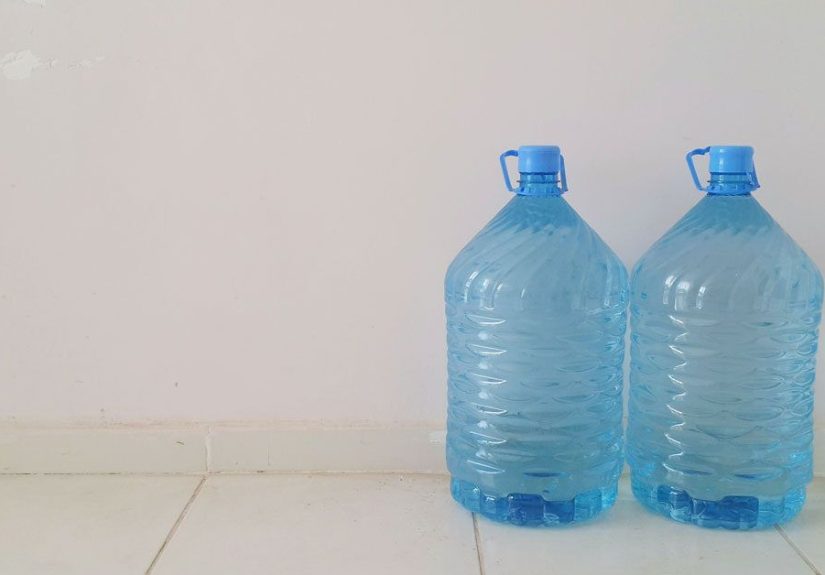
Somewhere between “new year, new me” and “I saw it on TikTok,” the one-gallon water jug became the ultimate hydration badge. Carry it around and suddenly you look like you have your life togetherlike your inbox is at zero and you definitely remember your passwords.
But here’s the real question: Is drinking a gallon of water per day actually healthy… or is it just a very committed way to spend your day hunting for bathrooms?
Quick note: This article is general information, not personal medical advice. If you have kidney disease, heart failure, or take medications that affect fluids/electrolytes, ask a clinician what’s right for you.
First, What Counts as “a Gallon a Day”?
In the U.S., a gallon is 128 fluid ounces (about 3.8 liters), which is roughly:
- 16 cups of fluid
- Eight standard 16-oz bottles
- Four 32-oz “emotional support” tumblers
That’s a lot of water for many peopleespecially because your daily fluid intake isn’t just plain water. It includes other beverages and the water naturally found in foods (think soups, fruits, veggies, yogurt). So if you aim for a full gallon of plain water, your total daily fluids may end up well above what you actually need.
Why the “Gallon a Day” Rule Got So Popular
The gallon goal is appealing because it’s simple, measurable, and kind of satisfyinglike finishing a checklist or peeling the protective film off a new phone screen.
But hydration isn’t a one-size-fits-all situation. Your needs change based on:
- Body size
- Heat and humidity
- Physical activity and sweat rate
- Diet (especially salt and protein intake)
- Pregnancy/breastfeeding
- Health conditions and medications
So the gallon rule can be helpful as a habit-builder for some, and unnecessaryor riskyfor others.
Potential Benefits of Drinking More Water (When You’re Not Getting Enough)
If you’re currently under-hydrated (hello, coffee-and-vibes breakfast), increasing water can absolutely help. Here are some potential upsidesespecially if you’re replacing sugary drinks with water.
1) Fewer dehydration headaches and better day-to-day energy
Dehydration can cause fatigue, headaches, and foggy thinking. If you’re not drinking much during the day, a structured goal (even if it’s not a full gallon) can improve how you feel.
2) Better workout supportif you sweat a lot
Active people in hot climates or long workouts may need significantly more fluids. For them, a higher intake can support performance and temperature regulation. The trick is matching intake to sweat lossesnot blindly chugging.
3) Digestive help (constipation is not a personality trait)
Water supports normal digestion. If you’re low on fluids, increasing them may help keep things movingespecially alongside fiber.
4) Kidney stone prevention (in some people)
Higher fluid intake increases urine volume, which can lower the chance that stone-forming minerals concentrate. People prone to kidney stones are often advised to drink enough to produce plenty of urine throughout the day.
5) A possible assist for appetite control
Sometimes thirst and hunger get mixed up. Drinking water with meals can help some people feel fullerthough it’s not magic, and it won’t cancel out an entire sleeve of cookies (nice try, though).
When a Gallon a Day Can Be Too Much
Yes, you can drink too much water. The main concern is hyponatremia (low blood sodium), sometimes called water intoxication when severe.
What is hyponatremia, in plain English?
Sodium is an electrolyte that helps regulate fluid balance and nerve/muscle function. If you drink water faster than your body can get rid of itor you replace sweat with only water during long exerciseyou can dilute sodium levels in your blood. That can cause cells to swell, including brain cells, which is why severe cases can be dangerous.
Warning signs you’re overdoing it
Symptoms can range from mild to severe. Early red flags may include:
- Nausea, bloating, or “sloshy stomach”
- Headache
- Confusion, unusual fatigue, irritability
- Muscle weakness or cramps
Severe symptoms are a medical emergency (for example, seizures or significant confusion).
The biggest “how did this happen?” mistake: drinking too much too fast
For healthy adults, risk rises when you drink large volumes quicklyespecially during endurance exercise or heat exposure. A safer approach is steady intake spaced through the day, and using electrolytes when you’re sweating heavily for long periods.
People who should be especially cautious
A gallon goal can be a bad fit (or needs clinician guidance) if you have:
- Kidney disease or reduced kidney function
- Heart failure or conditions where fluid restriction is recommended
- Hormonal or electrolyte disorders (like SIADH)
- Use of certain medications (some diuretics, SSRIs, etc.) that can affect sodium/water balance
So… Is a Gallon “Good” or “Bad”? It Depends Who You Are
Let’s translate this into real life.
A gallon might be reasonable if you:
- Are larger-bodied and very active
- Work outdoors in heat (construction, landscaping, delivery routes)
- Do long training sessions with heavy sweating
- Are breastfeeding (fluid needs can increase)
A gallon is often unnecessary (and sometimes uncomfortable) if you:
- Are smaller-bodied and mostly sedentary
- Get lots of fluids through foods and other drinks already
- Live in a cool climate and don’t sweat much
- Notice frequent clear urine and constant bathroom trips
In other words: for some people, a gallon is a normal day. For others, it’s hydration cosplay.
A Smarter Way to Gauge Hydration Than “Chug and Hope”
If you want a goal, aim for one that’s personalized and based on feedback your body gives you.
Use simple hydration signals
- Thirst: Your body’s built-in reminder system.
- Urine color: Pale yellow often suggests you’re well hydrated. Constantly clear urine can be a sign you’re overdoing fluids.
- Bathroom frequency: If you’re peeing every 30–60 minutes and it’s always clear, your “gallon plan” may be running your schedule now.
Remember: food counts
Many people forget that a meaningful chunk of daily water comes from food. Water-rich foods include:
- Watermelon, oranges, grapes, berries
- Cucumbers, lettuce, zucchini, tomatoes
- Soups and broths
- Yogurt and cottage cheese
Yes, coffee and tea “count” (mostly)
Caffeinated drinks can still contribute to fluid intake. If coffee makes you jittery or sends you sprinting to the restroom, adjustbut you don’t have to pretend coffee is pure desert sand.
If You Want to Try the Gallon Challenge, Do It Safely
If your goal is better hydration habits, you don’t have to quit the gallon ideabut you should run it like a sensible adult, not like a dare.
1) Don’t start at 128 oz on Day 1
Increase gradually over a week or two. Jumping suddenly can cause bloating, nausea, and a lot of regret.
2) Spread it outno “water sprints”
A practical pacing approach is sipping steadily. Avoid drinking huge amounts in a short period.
3) Add electrolytes when sweat losses are high
If you’re doing long workouts, working outside, or sweating heavily, consider electrolyte sources (sports drinks, electrolyte packets, salty foods) rather than replacing everything with plain water.
4) Watch for “stop signs”
Pause and reassess if you notice:
- Persistent nausea or bloating
- Headaches that show up after heavy water intake
- Confusion, unusual fatigue, or muscle cramps
- Clear urine all day, every day
5) Consider a different target that’s still impressive
If you want structure without the extremes, try:
- Half your body weight in ounces as a starting point (common rule of thumbadjust for activity and climate)
- “Anchor moments”: a glass on waking, with meals, and during/after workouts
- Refill method: drink one 24–32 oz bottle 2–3 times daily and adjust as needed
FAQ: The Questions Everyone Asks (Usually While Holding a Giant Bottle)
Is “a gallon a day” the same as “8 glasses a day”?
No. A gallon is 16 cups. The classic “8 glasses” idea is 64 oz (8 cups). Also, your needs aren’t universalsome days you’ll need more, some less.
Will drinking a gallon improve my skin?
Hydration supports normal skin function, but it’s not a fountain-of-youth cheat code. If you’re dehydrated, drinking more may help your skin look less dull. If you’re already well hydrated, a gallon won’t necessarily create a glow-up.
Can drinking too much water make me feel worse?
Yes. Overhydration can cause headaches, nausea, and in rare cases dangerous electrolyte problems. More is not always better.
Conclusion: The Real “Hydration Flex” Is Getting the Right Amount
Drinking a gallon of water per day isn’t automatically good or bad. It’s a tooland like any tool, it works great in the right hands and becomes chaos in the wrong situation.
If you’re very active, sweat a lot, or work in heat, a gallon may be reasonable (especially spread throughout the day and paired with electrolytes when needed). If you’re smaller-bodied, sedentary, or already getting plenty of fluids, forcing a gallon can be unnecessary and sometimes risky.
The best plan is the boring one that actually works: drink consistently, respond to thirst, aim for pale yellow urine most of the time, and adjust for activity and weather. Your body wants balancenot a hydration hostage situation.
Real-World Experiences: What People Notice After Trying a Gallon a Day (500+ Words)
Because “hydration advice” can feel abstract, here are some common, realistic experiences people report when they try drinking a gallon of water per day. These are not medical claimsjust patterns you’ll often hear when someone goes from “oops, I forgot water exists” to “I am now basically a walking aquarium.”
Experience #1: The Office Worker Who Accidentally Joins the Bathroom Frequent Flyer Program
A typical scenario: someone who sits at a desk most of the day decides to try the gallon challenge to “have more energy.” The first two days feel productivemore water, fewer sodas, a sense of accomplishment. Then reality hits: meetings become complicated, commutes become stressful, and their smartwatch starts congratulating them for standing up (every 12 minutes).
What usually helps: scaling down to a more comfortable target (like two 32-ounce bottles), drinking more earlier in the day, and pairing water with meals rather than forcing large “catch-up” chugs at 9 p.m.
Experience #2: The Gym-Goer Who Feels Better… Until Leg Day Meets Plain Water
Active people often feel an immediate benefit from drinking more waterespecially if they were previously under-hydrated. Workouts feel less miserable, post-exercise headaches improve, and they’re less tempted by sugary drinks.
But if training is intense and sweaty, some notice fatigue, headaches, or cramps when they replace everything with plain water. The fix is usually not “drink less forever,” but “hydrate smarter”: include electrolytes during long sessions, eat regular meals (which provide sodium and other minerals), and avoid drinking huge volumes quickly.
Experience #3: The Teacher, Call-Center Rep, or Anyone Who Talks for a Living
People whose jobs involve a lot of speaking often love higher water intake because it helps with dry mouth and vocal comfort. The gallon approach can work hereif they can sip steadily and have reasonable bathroom access.
Many end up with a practical compromise: a large bottle refilled once or twice, plus herbal tea or flavored water. The main insight: consistency matters more than hitting an exact number.
Experience #4: The “Clear Pee = Winning” Myth (And the Moment It Gets Annoying)
A surprisingly common experience is thinking that totally clear urine means peak health. People chase that “crystal-clear” goaluntil they feel bloated, their sleep gets interrupted for bathroom trips, or they realize they’re drinking more out of anxiety than thirst.
When they relax the rules, things improve: urine becomes light yellow again, bathroom frequency normalizes, and hydration stops being a full-time job.
Experience #5: The Person Who Learns Hydration Is Seasonal
Many people discover they don’t need the same amount of water year-round. In summer, a higher intake feels naturalheat, sweat, and outdoor time push fluid needs up. In winter, forcing a gallon can feel excessive, especially if activity drops and the environment is cooler.
The most sustainable takeaway people report is this: instead of chasing a fixed daily number, they adjust based on their dayweather, workouts, salty meals, travel, and thirst cues. That approach tends to stick long after the gallon jug loses its novelty.
Bottom line from the “experience crowd”: drinking more water often helps when you’re under-hydrated, but drinking a gallon is only “good” if it fits your body, your day, and your health situation. The best hydration plan is the one that makes you feel betternot the one that turns you into a professional restroom locator.







 Close
Close