Table of Contents >> Show >> Hide
- Introduction: The Cookie-Waffle That Makes Coffee Feel Underdressed
- What Are Dutch Stroopwafels?
- Why This Homemade Stroopwafel Recipe Works
- Ingredients for Dutch Stroopwafels
- How to Make Dutch Stroopwafels
- Tips for Perfect Homemade Stroopwafels
- Flavor Variations
- How to Serve Stroopwafels
- How to Store Dutch Stroopwafels
- Common Stroopwafel Mistakes and How to Fix Them
- Experience Notes: What Making Dutch Stroopwafels Teaches You
- Conclusion
Note: This article is written for web publishing in original American English and is based on real stroopwafel cooking methods, classic Dutch baking knowledge, and practical home-kitchen testing principles.
Introduction: The Cookie-Waffle That Makes Coffee Feel Underdressed
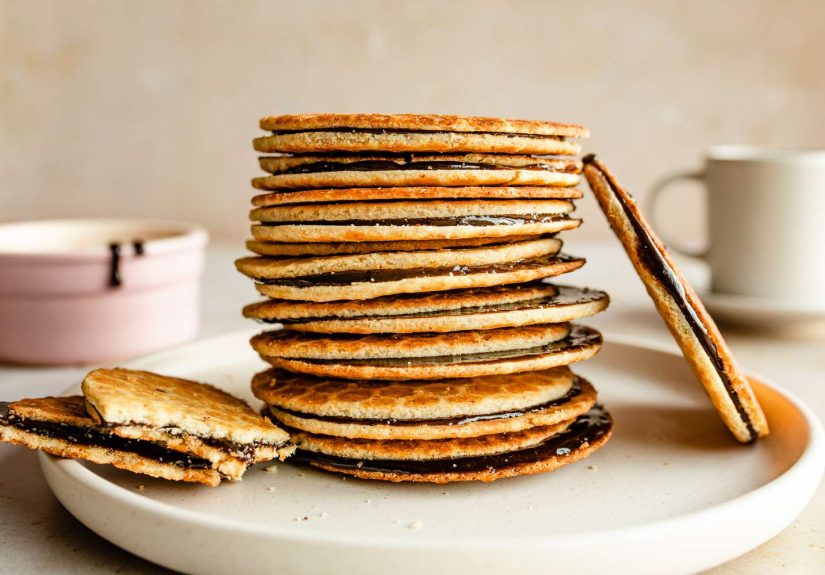
Dutch stroopwafels, also known as syrup waffles, are the kind of treat that makes you pause mid-bite and wonder why every cookie in the world does not come with a warm caramel center. A stroopwafel is made from two thin, crisp waffle cookies sandwiched around a sticky cinnamon-caramel syrup filling. It is part cookie, part waffle, part dessert engineering, and entirely dangerous to leave unattended near coffee.
The classic way to enjoy a stroopwafel is charmingly simple: place it over a hot mug of coffee, tea, or cocoa for a minute or two. The steam softens the syrup inside, turning the filling warm and gooey while the waffle edges stay lightly crisp. It is basically a tiny edible lid with excellent career prospects.
This Dutch stroopwafels recipe is designed for home bakers using American kitchen measurements and accessible ingredients. You do not need a professional bakery, a canal-side market stall, or a Dutch grandmother with a secret notebook. What you do need is a waffle cone maker or thin pizzelle-style iron, a little patience, and the willingness to move quickly while the waffles are still warm.
What Are Dutch Stroopwafels?
Stroopwafels are traditional Dutch syrup waffles made from a lightly spiced dough pressed into thin waffle rounds. While still warm, each waffle is sliced horizontally into two delicate layers. A buttery syrup filling is spread between the halves, then the cookie is gently pressed together so the filling reaches the edges.
The word “stroop” means syrup, and “wafel” means waffle. Put them together and you get “syrup waffle,” which is accurate but somehow undersells the magic. A proper stroopwafel should have a crisp bite at first, followed by a chewy, caramel-like center with notes of brown sugar, cinnamon, butter, and vanilla.
Why This Homemade Stroopwafel Recipe Works
Many homemade stroopwafel recipes fail for one of three reasons: the waffles are too thick, the syrup gets too hard, or the dough turns cakey instead of cookie-like. This version avoids those problems by using a slightly enriched yeasted dough, a thin waffle iron, and a syrup filling cooked just until thick and glossy rather than rock-candy hard.
The dough includes butter for richness, brown sugar for flavor, cinnamon for warmth, and yeast for a subtle tenderness. The filling uses brown sugar, butter, corn syrup or honey, cinnamon, and vanilla. Corn syrup helps keep the caramel flexible, but honey works if you prefer a deeper flavor. Either way, the goal is a filling that stretches slightly when warm, not one that threatens your dental future.
Ingredients for Dutch Stroopwafels
For the Waffle Dough
- 2 cups all-purpose flour, plus more for dusting
- 1/3 cup packed light brown sugar
- 1 teaspoon ground cinnamon
- 1/2 teaspoon fine salt
- 1 packet instant yeast or active dry yeast, about 2 1/4 teaspoons
- 1/2 cup warm whole milk, about 105°F to 110°F
- 6 tablespoons unsalted butter, melted and slightly cooled
- 1 large egg, room temperature
- 1 teaspoon vanilla extract
For the Syrup Filling
- 1 cup packed dark brown sugar
- 1/2 cup unsalted butter
- 1/3 cup light corn syrup or mild honey
- 1 tablespoon molasses, optional for deeper flavor
- 1 teaspoon ground cinnamon
- 1/4 teaspoon fine salt
- 1 teaspoon vanilla extract
Equipment You Need
- Waffle cone maker, thin waffle iron, or pizzelle maker
- Sharp serrated knife
- Round biscuit cutter, optional
- Small saucepan
- Mixing bowls
- Wire cooling rack
- Small offset spatula or butter knife
How to Make Dutch Stroopwafels
Step 1: Make the Dough
In a large bowl, whisk together the flour, brown sugar, cinnamon, salt, and yeast. In a separate bowl, combine the warm milk, melted butter, egg, and vanilla. Pour the wet ingredients into the dry ingredients and stir until a soft dough forms.
Knead the dough by hand for 3 to 5 minutes, or mix it with a dough hook on low speed for about 3 minutes. The dough should be smooth, soft, and slightly tacky, but not sticky enough to cling to your hands like it is trying to make a personal connection.
Step 2: Let the Dough Rest
Cover the bowl with a clean towel or plastic wrap and let the dough rest at room temperature for 45 to 60 minutes. It does not need to double dramatically like bread dough. A slight puff is enough. Stroopwafels are thin cookie waffles, not dinner rolls wearing a disguise.
Step 3: Prepare the Syrup Filling
While the dough rests, make the syrup filling. In a small saucepan, combine brown sugar, butter, corn syrup or honey, molasses if using, cinnamon, and salt. Cook over medium-low heat, stirring often, until the butter melts and the mixture becomes smooth.
Bring the filling to a gentle bubble and cook for 2 to 4 minutes, stirring constantly. It should look glossy and thick but still spreadable. Remove from the heat and stir in the vanilla extract. Keep the filling warm. If it thickens too much while you make the waffles, rewarm it gently over low heat.
Step 4: Shape the Dough Balls
Divide the dough into 12 equal pieces for medium stroopwafels or 16 pieces for smaller ones. Roll each piece into a smooth ball. If the dough feels sticky, dust your hands lightly with flour, but do not add too much. Extra flour can make the waffles dry and stiff.
Step 5: Cook the Waffles
Preheat your waffle cone maker or pizzelle iron according to the manufacturer’s instructions. Place one dough ball in the center of the hot iron, close the lid, and cook for 60 to 120 seconds, depending on your machine. The waffle should be golden brown, thin, and flexible while hot.
Do not walk away during this step. Stroopwafels move from golden perfection to “oops, archaeology sample” surprisingly fast. Each iron has its own personality, and some are more dramatic than others.
Step 6: Slice While Warm
Immediately transfer the hot waffle to a cutting board. Using a sharp serrated knife, carefully slice it horizontally into two thin layers. This is the most important technique in the recipe. The waffle must be hot and soft enough to split. Once it cools, it becomes crisp and much harder to cut cleanly.
If you want perfectly round edges, trim the waffle with a round cutter while it is still warm. Save the scraps for ice cream topping, yogurt, or what professionals call “standing in the kitchen and eating evidence.”
Step 7: Fill and Sandwich
Spread about 1 tablespoon of warm syrup filling over one cut side of the waffle. Top with the second half and press gently so the syrup reaches the edges. Repeat with the remaining dough and filling.
Let the finished stroopwafels cool on a wire rack. As they cool, the syrup sets into a chewy caramel layer and the waffle cookies become crisp but tender.
Tips for Perfect Homemade Stroopwafels
Use the Right Iron
A standard Belgian waffle maker is too deep for stroopwafels. You need a thin waffle cone maker, pizzelle maker, or stroopwafel iron. The thinner the waffle, the closer you get to the authentic texture.
Work Quickly
The waffle must be sliced while hot. Set up your cutting board, knife, syrup, and spatula before cooking the first waffle. Stroopwafel-making rewards organization. It does not reward the person who starts looking for a knife after the waffle has cooled into a cinnamon frisbee.
Keep the Filling Warm
The syrup filling should be thick but spreadable. If it gets too firm, warm it gently. If it becomes too thin, let it sit for a few minutes. The ideal texture is somewhere between caramel sauce and soft candy.
Do Not Overcook the Syrup
If the syrup cooks too long, it may harden after cooling. A short simmer is enough. You want a chewy center, not a candy shell that requires a strategy meeting.
Flavor Variations
Classic Cinnamon Stroopwafels
The traditional flavor profile is buttery, caramel-like, and warmly spiced with cinnamon. This is the best version for first-time bakers because it delivers the familiar Dutch stroopwafel taste.
Honey Stroopwafels
Replace the corn syrup with mild honey for a floral sweetness. Honey adds character, but choose a gentle variety so it does not overpower the cinnamon and butter.
Salted Caramel Stroopwafels
Increase the salt in the filling to 1/2 teaspoon and sprinkle a tiny pinch of flaky sea salt over the syrup before sandwiching. The result is rich, balanced, and dangerously snackable.
Chocolate-Dipped Stroopwafels
Dip half of each cooled stroopwafel in melted dark chocolate and let it set on parchment paper. This is not strictly traditional, but neither is eating three in one afternoon while calling it “research,” and here we are.
How to Serve Stroopwafels
The most famous way to serve Dutch stroopwafels is over a hot drink. Place one stroopwafel on top of a mug of coffee, tea, or hot chocolate for 1 to 2 minutes. The steam warms the syrup and softens the center, creating that signature gooey texture.
Stroopwafels are also excellent with vanilla ice cream, chopped into brownie batter, layered into parfaits, or served with fresh berries. They make a beautiful edible gift because they travel well and look impressive without requiring frosting, piping bags, or emotional negotiation with buttercream.
How to Store Dutch Stroopwafels
Store cooled stroopwafels in an airtight container at room temperature for up to 5 days. Place parchment paper between layers to prevent sticking. For longer storage, freeze them in a sealed freezer bag for up to 2 months.
To refresh a stroopwafel, place it over a hot mug for a minute or warm it briefly in a low oven. Avoid microwaving for too long because the syrup can become extremely hot and the waffle may turn soft.
Common Stroopwafel Mistakes and How to Fix Them
The Waffles Are Too Thick
Your iron may not be thin enough, or the dough balls may be too large. Use smaller portions and press the iron lid firmly without forcing it.
The Waffles Crack When Sliced
They cooled too much before slicing. Slice each waffle immediately after removing it from the iron. A serrated knife works best because it grips the soft waffle surface.
The Filling Is Too Hard
The syrup likely cooked too long or at too high a heat. Next time, simmer briefly and remove it from the heat while it is still glossy and spreadable.
The Filling Runs Out
The syrup may be too hot or too thin. Let it cool slightly before spreading, and use a moderate amount. A stroopwafel should be generous, not leaking like a caramel volcano.
Experience Notes: What Making Dutch Stroopwafels Teaches You
Making Dutch stroopwafels at home is one of those baking projects that looks simple on paper and then politely reveals that it has opinions. The ingredients are familiar: flour, butter, sugar, milk, cinnamon, and vanilla. Nothing scary. Nothing that requires ordering powdered moonlight from a specialty shop. But the technique is where the recipe becomes memorable.
The first lesson is timing. A stroopwafel has a tiny window of cooperation after it leaves the iron. For a brief moment, it is soft enough to slice, warm enough to bend, and fragrant enough to make everyone in the house wander into the kitchen pretending they “just needed water.” Wait too long, and the waffle turns crisp. That crispness is wonderful for eating, but not for slicing. So you learn to move with calm speed, like a pastry chef who has had enough coffee but not too much.
The second lesson is that the filling matters as much as the waffle. A great syrup filling should be buttery, chewy, warmly spiced, and soft when warmed over a drink. If it is too loose, it slides out. If it is too firm, the stroopwafel loses its signature gooey charm. The best filling lands in the middle: thick enough to stay put, soft enough to stretch slightly, and flavorful enough to make plain caramel seem underemployed.
The third lesson is that homemade stroopwafels do not have to look factory-perfect to be wonderful. Some may be slightly oval. Some may have edges that look like they made independent life choices. A few might be trimmed into circles while the baker snacks on the scraps with suspicious enthusiasm. That is part of the fun. The flavor is what people remember: the crisp waffle, the cinnamon scent, the warm syrup center, and the way the cookie softens over coffee like it knows exactly what it was born to do.
There is also something deeply satisfying about making a treat that feels both old-fashioned and clever. Stroopwafels were designed with practical genius: thin cookies, sticky syrup, easy storage, and a built-in warming method using your mug. They are portable, giftable, and excellent with almost any hot drink. In a world full of complicated desserts, the stroopwafel is refreshingly direct. It does not need a dramatic garnish. It simply shows up, smells like cinnamon caramel, and wins.
For first-time bakers, the biggest advice is to prepare your workspace before you begin cooking. Have the knife ready. Have the syrup warm. Have a rack nearby. Expect the first waffle to be a test waffle. Every waffle iron heats differently, and the first one often teaches you what the recipe card cannot. Maybe your iron needs a smaller dough ball. Maybe it needs 90 seconds instead of 2 minutes. Maybe it has the temperament of a tiny appliance diva. Once you understand it, the process becomes smooth and even relaxing.
Homemade Dutch stroopwafels are not just a recipe; they are an experience. They make the kitchen smell like a bakery tucked beside a canal. They turn an ordinary cup of coffee into a small ceremony. They give you crisp edges, chewy centers, and enough caramel aroma to convince neighbors you have opened a dessert business. And honestly, there are worse rumors.
Conclusion
This Dutch stroopwafels recipe brings the beloved syrup waffle into the home kitchen with practical steps, accessible ingredients, and plenty of flavor. With a thin waffle iron, warm cinnamon-caramel filling, and a little quick-handed confidence, you can make crisp, chewy, buttery stroopwafels that taste wonderful fresh and even better warmed over coffee.
Whether you serve them as a cozy afternoon snack, a homemade holiday gift, or a dessert that mysteriously disappears before dinner, stroopwafels deliver big reward from humble ingredients. They are proof that the Dutch looked at waffles and cookies and wisely said, “Let’s put syrup in the middle.” Excellent decision. No notes.