
Table of Contents >> Show >> Hide
Note: This article is for educational purposes only and is not a substitute for medical advice, diagnosis, or treatment.
E-cigarettes arrived with a sleek promise: fewer ashes, less smell, more buttons, and a modern aura that made old-fashioned cigarettes look like they had missed the software update. But behind the shiny packaging and candy-shop flavors is a much messier reality. E-cigarettes, also called vapes, are not just harmless puffs of “water vapor.” They are nicotine delivery devices that can expose users to a shifting cocktail of chemicals, fine particles, flavorings, and metals. In other words, your lungs are not attending a wellness retreat. They are sitting through an uninvited chemistry lab.
That does not mean e-cigarettes are identical to traditional cigarettes. Research generally shows they expose users to fewer toxic substances than burning tobacco. But “less harmful than cigarettes” is not the same thing as “safe,” and that distinction matters more than the glossy ads ever admit. The smartest way to understand e-cigarettes is to hold two truths at once: they may reduce exposure for some adults who completely switch away from cigarettes, and they still carry real risks, especially for teens, pregnant people, nonsmokers, and anyone who ends up using both products.
This guide breaks down how e-cigarettes work, what is actually in the aerosol, the health risks researchers are watching closely, and what current science says about vaping, addiction, and smoking cessation. The short version? Vaping is complicated, which is a rude thing for something marketed as simple.
What e-cigarettes are and how they work
The basic mechanics
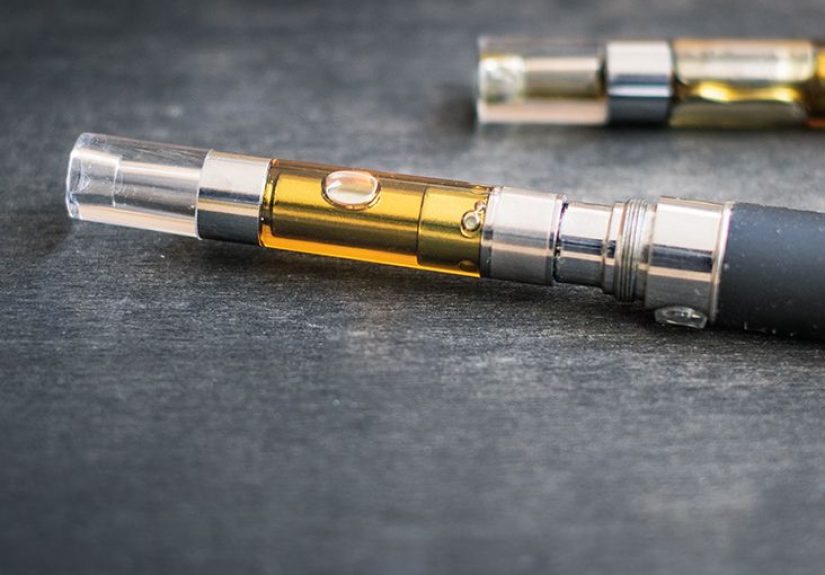
An e-cigarette is a battery-powered device that heats a liquid, often called e-liquid or vape juice, into an aerosol that the user inhales. Most devices contain a battery, a heating coil, a reservoir or cartridge for the liquid, and a mouthpiece. Some are disposable. Some use pods. Some are refillable tanks. Some look like pens, USB drives, or tiny plastic gadgets that seem designed by a committee of marketers and magicians.
The e-liquid usually contains nicotine, flavorings, and solvents such as propylene glycol and vegetable glycerin. When the coil heats the liquid, it creates an inhalable aerosol. That aerosol is commonly called “vapor,” but that word can be misleading. It is not steam from a teakettle and it is not clean mountain mist. It is a manufactured aerosol containing particles and chemicals that can travel deep into the lungs.
Why the nicotine hit can be stronger than people expect
One reason modern e-cigarettes can be so habit-forming is that many use nicotine salts. These formulations can deliver high levels of nicotine with less throat irritation than older products. Translation: the device can feel smoother while quietly training the brain to want more of it. That matters because users may take longer drags, vape more often, or underestimate how much nicotine they are getting.
Nicotine delivery also varies widely depending on the device, liquid concentration, voltage, coil temperature, and how a person uses the product. Two people can use something that looks almost identical and get very different doses. That makes e-cigarettes tricky to study and even trickier to treat as one uniform product category. “Vaping” is not a single exposure. It is a moving target wearing flavored perfume.
What is in the aerosol?
This is where the marketing fairy tale starts to wobble. E-cigarette aerosol can contain nicotine, ultrafine particles, volatile organic compounds, heavy metals, and flavoring chemicals. Some products have been found to contain substances users did not realize were there, including nicotine in liquids advertised as nicotine-free. That uncertainty is part of the problem: with many products, especially illicit or poorly regulated ones, the label is not always the whole story.
Flavorings deserve special attention. A flavor can be safe to eat and still be a bad idea to inhale. Lungs and stomachs are not interchangeable interns. Compounds used to create sweet, minty, creamy, or fruity tastes may irritate airways or behave differently once heated. Heating can also create new chemicals that were not present in the liquid before it touched the coil.
The device itself matters too. Metal components and heating elements may contribute nickel, tin, lead, or other contaminants to the aerosol. Battery quality matters as well. Defective devices have caused fires and explosions, sometimes while charging. So the risk profile is not just chemical. It is also mechanical, electrical, and behavioral.
The main health risks of e-cigarettes
Nicotine addiction
Nicotine remains the headliner here. It is highly addictive, and frequent exposure can change how the brain responds to reward, craving, and withdrawal. Many users discover that vaping sneaks into daily life with surprising speed because it is easier to use indoors, in cars, during breaks, and in all those tiny in-between moments when a cigarette would have been less convenient. A vape can turn “once in a while” into “basically all day” before the user has finished insisting they are not dependent.
Withdrawal can bring irritability, restlessness, anxiety, poor concentration, sleep disruption, and strong cravings. That cycle helps explain why quitting e-cigarettes can be genuinely difficult, especially for people using high-nicotine products.
Lung and airway concerns
Researchers are still mapping the long-term pulmonary effects of e-cigarettes, but the current picture is not reassuring. Vaping has been linked to airway irritation, coughing, wheezing, worsening asthma symptoms, and changes in lung function. Some studies also associate e-cigarette use with higher risks of chronic bronchitis-like symptoms and chronic obstructive pulmonary disease, though traditional cigarettes still appear more damaging overall.
The 2019 outbreak of EVALI, or e-cigarette or vaping product use-associated lung injury, was a major warning shot. Investigators strongly linked most cases to vitamin E acetate in certain THC-containing products, particularly those from informal sources. That crisis did not mean every nicotine vape causes EVALI, but it did expose a critical truth: inhaling heated, poorly regulated chemicals can go very wrong, very fast.
Heart and blood vessel effects
Nicotine is not just a brain issue. It can raise heart rate and blood pressure, and emerging evidence suggests vaping may affect blood vessel function and inflammation. Researchers are studying how repeated exposure influences cardiovascular risk over time. Current evidence points toward concern, not comfort. The story is still developing, but it is already clear that “better than cigarettes” is not the same as “good for your heart.”
Pregnancy, youth, and developing brains
No group should be more firmly parked in the “do not use this” category than youth and pregnant people. Adolescents are especially vulnerable because the brain continues developing well into young adulthood. Nicotine exposure during that period can affect attention, learning, mood, and impulse control. That is one reason public-health agencies remain so alarmed about teen vaping, even as overall youth use has declined from earlier peaks.
During pregnancy, nicotine can harm fetal development, including the developing brain and lungs. And since e-cigarettes may also contain other chemicals and flavoring agents, the risk is not limited to nicotine alone. “I switched to vaping, so it must be safer for the baby” is not a health strategy. It is a misconception with a really good publicist.
Dual use is its own problem
One of the most common real-world patterns is dual use, where someone both smokes and vapes. This often happens when a person tries to cut down on cigarettes without fully switching or quitting. The result can be the worst of both worlds: continued exposure to cigarette smoke plus added exposure from e-cigarettes. Research increasingly suggests that dual use does not provide the clean health win many people assume it does.
Accidental poisonings and device injuries
E-liquids can be dangerous if swallowed or absorbed through the skin, especially for children. Bright packaging and sweet smells do not help. Battery failures can also cause burns, fires, and explosions. These events are less discussed than addiction or lung risk, but they are part of the overall safety profile and should not be waved away.
Can e-cigarettes help people quit smoking?
This is the thorniest question in the room, and anyone pretending it has a one-line answer is either overselling or under-reading. Some randomized trials and a recent Cochrane review suggest nicotine e-cigarettes can help some adults quit smoking and may outperform nicotine replacement therapy in certain settings, especially when paired with behavioral support. That is the argument most often made for harm reduction.
But there are important caveats. First, the goal matters. Quitting cigarettes is not the same as quitting nicotine. Some studies show improved cigarette abstinence while many participants continue using e-cigarettes. Second, observational research has been more mixed, with some U.S. population studies finding that vaping is not clearly associated with better long-term tobacco abstinence in real-world settings. Third, the FDA has not approved e-cigarettes as smoking cessation devices in the same way it has approved certain medications.
So what is the practical takeaway? If an adult who already smokes cigarettes completely switches to e-cigarettes, exposure to many harmful combustion-related chemicals may go down. But complete switching is the key phrase. Not dabbling. Not “I vape at work and smoke at night.” Not “I cut down from ten cigarettes to six and reward myself with mango ice.” If the end point is better health, the strongest evidence still supports proven cessation tools such as counseling and FDA-approved quit-smoking medicines.
What current research says right now
1. E-cigarettes are generally less toxic than combustible cigarettes, but not harmless
This is one of the most consistent conclusions in the literature. Combustion creates a massive burden of toxic chemicals, and e-cigarettes typically expose users to fewer of them. That matters. But reduced toxic exposure does not erase exposure. It just changes the size and shape of the problem.
2. Long-term outcomes are still being worked out
E-cigarettes are newer than cigarettes, and products change fast. Devices, nicotine formulations, and flavoring chemistry do not stand still long enough to make researchers’ lives easy. Long-term disease patterns, especially around cardiovascular disease, COPD, cancer, and sustained nicotine dependence, are still being tracked. The uncertainty is not proof of safety. It is a reminder that the full bill may arrive later.
3. Product variety complicates nearly everything
Not all devices deliver nicotine the same way. Not all aerosols contain the same chemicals. Not all users behave the same way. That means “the research on vaping” is really a bundle of related research questions, not one tidy conclusion in a lab coat.
4. Youth-focused cessation research is growing
One of the more encouraging developments is that researchers are finally testing interventions for young people who want to stop vaping. Behavioral programs, including text-based support tools, have shown promise. Newer studies are also exploring medications and structured counseling for nicotine-vaping cessation. That matters because many teens and young adults who vape say they want to quit but struggle to do it alone.
Practical takeaways for different readers
If you do not smoke or vape now
The clearest advice is not to start. There is no health upside to acquiring a nicotine habit and every chance you will regret giving one to your future self.
If you smoke cigarettes and are thinking about vaping
Do not think in marketing slogans. Think in end points. Completely switching may reduce exposure compared with continued smoking, but dual use may keep risk stubbornly high. If your goal is to quit tobacco and nicotine altogether, talk with a clinician about counseling, nicotine replacement therapy, varenicline, bupropion, or a structured quit plan.
If you are a parent, teacher, or caregiver
Lead with facts, not panic. Teens tune out lectures that sound like movie trailers. Clear conversations about nicotine addiction, marketing tactics, hidden high-dose products, and the loss of control that comes with dependence tend to land better than dramatic but fuzzy warnings. Ask direct questions. Keep the tone calm. And remember that many young people who vape already want help quitting.
Experience-based perspectives from real-world use
Editorial note: The experiences below are composite, research-grounded patterns drawn from clinical guidance, public-health reporting, and cessation research. They are not invented first-person testimonials, but they reflect the kinds of situations clinicians, families, and researchers repeatedly describe.
One common pattern is the teenager who starts vaping because it seems smaller, cleaner, and less “serious” than smoking. There is no ashtray, no obvious smoke cloud, and the product smells like mint or fruit instead of an old campfire living in a denim jacket. What begins as curiosity can quickly turn into routine use, especially with high-nicotine disposable products. Over time, some teens report cravings in class, irritability when they cannot use the device, and trouble concentrating without it. In other words, the habit stops feeling casual right around the time it becomes very good at pretending it still is.
Another frequent experience is the adult smoker who genuinely wants to quit cigarettes and turns to e-cigarettes after several failed attempts. For some people, vaping feels like a practical bridge because it mimics the hand-to-mouth ritual, throat sensation, and inhale-exhale pattern of smoking more closely than patches or gum. Some do manage to leave cigarettes behind entirely. But many get stuck in a gray zone where they vape during the day, smoke during stress, and tell themselves they are “transitioning” for months or even years. That stalled middle ground is important because it looks like progress from the outside while still preserving substantial risk.
Clinicians also describe patients who are surprised by how hard it is to quit vaping itself. Because a vape can be used more discreetly and more frequently than a cigarette, total nicotine exposure may creep upward. Someone who never smoked first thing in the morning may start reaching for a vape within minutes of waking up. Someone who once had smoking boundaries, like only outside or only on breaks, may end up vaping in bed, in the car, at the desk, and while watching television. The experience is not always dramatic. Sometimes it is simply the slow disappearance of friction, and friction turns out to be one of the few things that used to keep the habit from taking over.
Parents and teachers often describe a different challenge: the devices are easy to hide, the scents are easier to mask, and the language around vaping is full of myths. Some young people believe they are only inhaling flavoring. Others assume that if a product is sold openly, it must be basically safe. Conversations become more productive when adults skip the theatrical scare speech and explain what the product actually does: it delivers nicotine fast, can hook the brain early, and can be difficult to quit. That kind of plainspoken explanation tends to travel farther than “because I said so,” which has a proud history of convincing almost nobody.
There is also the experience of fear after symptoms appear. Shortness of breath, chest pain, coughing, wheezing, or a sudden drop in exercise tolerance can make vaping feel a lot less futuristic and a lot more immediate. During the EVALI outbreak, many patients became seriously ill after using THC-containing products from informal sources. That episode remains a sharp reminder that inhaled products do not need decades to cause harm. Sometimes they need only the wrong ingredient, the wrong source, and one very bad week.
The big picture across these experiences is consistent: e-cigarettes are not a single story. For one adult smoker, they may function as a step away from combustible tobacco. For a teenager, they may become a first nicotine addiction. For a dual user, they may prolong dependence rather than solve it. For families and clinicians, they have created a new version of an old public-health puzzle: how to reduce harm without accidentally making nicotine look modern, manageable, or harmless.
Final thoughts
E-cigarettes sit in an uncomfortable middle space. They are not the same as combustible cigarettes, and pretending otherwise ignores evidence on toxic exposure. But they are not safe lifestyle accessories either, and pretending otherwise ignores basically everything else. The most honest conclusion is also the least catchy: e-cigarettes may reduce harm for some adults who completely switch from smoking, but they still pose real risks and remain a poor choice for youth, nonsmokers, and pregnancy. The future of vaping research will keep evolving, but the present is already clear enough to act on. If your goal is better health, the finish line is not “fewer cigarettes plus a vape.” It is moving away from nicotine dependence altogether.







 Close
Close