Table of Contents >> Show >> Hide
- What Counts as “Early Writing” in Preschool?
- Why Early Writing Matters More Than People Think
- Key Principles for Preschool Writing Success
- Early Writing Activities That Actually Work (and Don’t Feel Like Homework)
- 1) The Sign-In Sheet (Daily Name Writing Practice)
- 2) Writing in Dramatic Play (Menus, Tickets, Mail, and Orders)
- 3) “Tell Me About Your Picture” Dictation
- 4) Author’s Chair (Sharing Builds Identity)
- 5) Sensory Writing: Sand Trays, Shaving Cream, and “Sky Writing”
- 6) Prewriting Strokes and Shapes (The Building Blocks)
- 7) Fine Motor “Warm-Ups” That Support Writing Readiness
- 8) Environmental Print Hunts (Print Concepts in the Real World)
- 9) Label the Classroom (and Let Kids Help)
- 10) Interactive Writing (Group Writing With Shared Control)
- 11) Journals That Don’t Require Real Words
- How to Support Different Learners (Without Making It Weird)
- What Adults Should Say (and Not Say) During Early Writing
- When to Pay Attention to Developmental Concerns
- Simple Weekly Plan (No Worksheets Required)
- Conclusion
- Experiences and Real-World Moments Around Preschool Writing (Extra)
If you’ve ever watched a preschooler “write,” you’ve seen the magic: a few heroic scribbles, a dramatic announcement (“It says dinosaur”), and a proud grin like they just published a bestseller. And honestly? They kind of did. In preschool, early writing is less about perfect letters and more about building the foundationstiny muscles, big language, and the idea that marks on a page can carry meaning.
This guide breaks down what “early writing” really looks like in preschool, why it matters, and the most effective (and actually fun) activities to support itat school or at homewithout turning your living room into a worksheet factory.
What Counts as “Early Writing” in Preschool?
Early writing (often called emergent writing) is the stage where children experiment with making marks, pictures, and letter-like forms to communicate ideas. That includes:
- Scribbling with purpose (even if it looks like “spaghetti on paper”)
- Drawing and “labeling” pictures
- Mock letters or wavy lines that imitate writing
- Writing their name (in any version: one letter, five letters, or “a masterpiece of 47 symbols”)
- Invented spelling (writing words the way they sound)
Preschool writing readiness is also about the skills underneath the writing: hand strength, pencil grip, posture, visual-motor integration, language, and attention.
Why Early Writing Matters More Than People Think
Early writing isn’t just “cute.” It supports the development of literacy and learning in several powerful ways:
1) It connects spoken language to print
When children dictate a story and watch an adult write it down, they learn a huge concept: print is speech written down. That’s a cornerstone of reading and writing.
2) It builds fine motor and visual-motor skills
Drawing lines, forming shapes, and controlling a crayon are workouts for the small muscles needed for handwriting. Preschoolers are still developing these skillsso short, playful practice beats long, frustrating drills every time.
3) It boosts phonological awareness and letter knowledge
As children attempt letters and sounds (“B… for bunny!”), they strengthen the sound-letter connections that later support decoding and spelling.
4) It supports self-expression and confidence
Writing gives kids a way to “show what they know” even before they can write conventionally. The message matters more than the mechanics at this age.
Key Principles for Preschool Writing Success
Before the activity list, here’s what makes early writing instruction truly effective in preschool:
- Play-based and meaningful: Kids write more when writing has a purpose (menus, signs, notes, labels).
- Low pressure: Forcing perfect letters too early can backfire. Aim for comfort and curiosity.
- Multi-sensory: Preschoolers learn with their whole bodiessand trays and paintbrushes count as writing tools.
- Modeling and talk: Adults who write in front of children (and narrate it) make writing feel real and reachable.
- Choice and access: When materials are visible and easy to grab, writing becomes part of the day, not a special event.
Early Writing Activities That Actually Work (and Don’t Feel Like Homework)
1) The Sign-In Sheet (Daily Name Writing Practice)
Set up a simple sign-in routine: children “check in” by attempting their name when they arrive. Over time, their writing often progresses naturallyfrom scribbles, to first letter, to more recognizable name writing.
Make it easier: Provide name cards with a photo and the child’s name in clear print. Kids can copy, trace with a finger, or match letters.
Make it fun: Use colorful markers, gel pens (supervised), or “special author pencils.”
2) Writing in Dramatic Play (Menus, Tickets, Mail, and Orders)
Want preschoolers to write a lot? Put writing inside pretend play. Add clipboards, notepads, envelopes, sticky notes, and signs to:
- a restaurant (taking orders, writing menus)
- a post office (mailing letters)
- a vet clinic (patient charts)
- a grocery store (shopping lists, price tags)
Because the writing has a job to do, kids stay engaged longerand they’re more willing to “try.”
3) “Tell Me About Your Picture” Dictation
Ask a child to draw something, then invite them to explain it. Write their words underneath verbatim (yes, even the part about the “sparkly volcano pizza”). Read it back and point to the words as you go.
This builds print awareness and shows that their ideas are worth recordingan early lesson in composition.
4) Author’s Chair (Sharing Builds Identity)
Create a special spot where children can share their drawings, scribbles, or “stories.” The goal: children begin to see themselves as writers and storytellers. Keep it short, positive, and applause-friendly.
5) Sensory Writing: Sand Trays, Shaving Cream, and “Sky Writing”
Not all writing belongs on paper. Multi-sensory options help children practice letter formation and prewriting strokes without the pressure of “doing it right.” Try:
- Sand or salt trays: Use a finger or paintbrush to form lines, shapes, or letters.
- Shaving cream on a table: Draw circles, vertical lines, zig-zags, then wipe and repeat.
- Air writing (“sky writing”): Use big arm movements to form shapes and letters.
- Water painting: Paint letters on sidewalks or fences with a cup of water and a brush.
6) Prewriting Strokes and Shapes (The Building Blocks)
Most letters are made from basic strokes: vertical lines, horizontal lines, circles, crosses, curves, and diagonals. Preschoolers can practice these through play:
- drawing roads and tracks (long lines, curves)
- making “shape monsters” (circles + lines + silly faces)
- dot-to-dot paths (short and sweet)
Think of it as handwriting training disguised as artwhich is basically the preschool teacher superpower.
7) Fine Motor “Warm-Ups” That Support Writing Readiness
Sometimes the best writing activity doesn’t involve writing at allbecause the hands aren’t quite ready yet. Great fine motor options include:
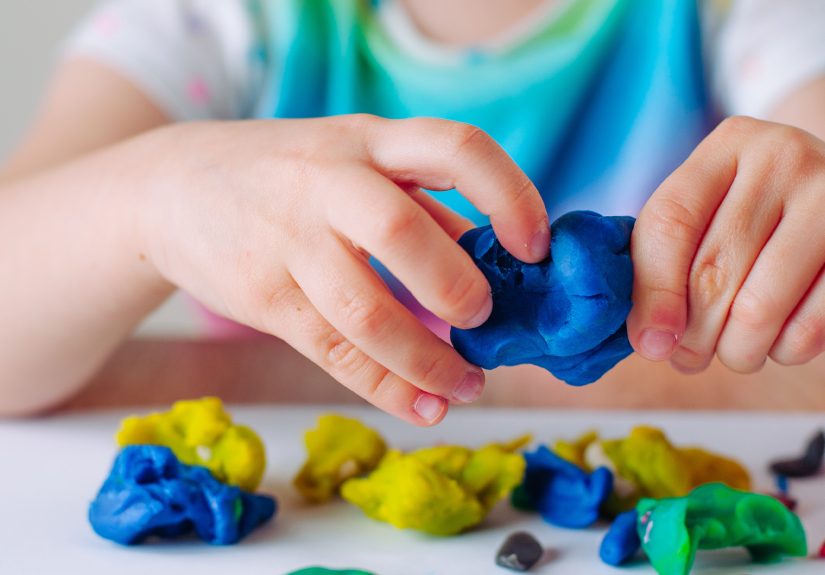
- playdough (rolling snakes, pinching, flattening)
- tongs and tweezers games (move pom-poms or beads)
- stringing large beads or pasta
- tearing paper and gluing collages
- cutting with child-safe scissors (with supervision)
- clothespin clipping games
These activities build hand strength, finger control, and coordinationkey for pencil grip and endurance.
8) Environmental Print Hunts (Print Concepts in the Real World)
Children notice logos and familiar signs before they can read. Use that “I know that one!” excitement to build literacy:
- hunt for letters in the classroom (or kitchen)
- spot name letters on cubbies and labels
- make a “print walk” and photograph signs, then talk about them
When kids understand that print carries meaning, they’re more motivated to create their own.
9) Label the Classroom (and Let Kids Help)
Label shelves, bins, and centers with both words and pictures. Invite children to help make new labels (“Blocks,” “Markers,” “Dinosaurs Who Live Here”). This supports vocabulary and shows practical reasons for writing.
10) Interactive Writing (Group Writing With Shared Control)
In interactive writing, the adult and children “share the pen.” For example, write a class message like “We made soup today.” The teacher writes most of it, and children come up to write a letter they know (like the W in “We”) or add punctuation.
It’s collaborative, supportive, and sneakily powerful for letter-sound connections and writing conventions.
11) Journals That Don’t Require Real Words
Preschool journals can include drawings, scribbles, letter strings, and “stories.” Use prompts that support thinking without demanding spelling:
- “Draw something that made you laugh.”
- “Draw a place you’d like to visit.”
- “Draw your favorite animal and tell me about it.”
Ask a child to “read” their journal entry to you. That storytelling practice supports later composition.
How to Support Different Learners (Without Making It Weird)
For children who avoid writing
- Offer thicker markers or crayons (easier to grip).
- Use vertical surfaces (easel, wall paper) to support wrist position.
- Keep sessions shortsuccess builds stamina.
- Embed writing in play (their motivation engine).
For children learning English (multilingual learners)
Encourage storytelling and labeling in any language. Oral language supports writing development, and children benefit when their home language is valued. Use pictures, gestures, and predictable routines (like sign-in) to build confidence.
For children who are ready for more
- Invite invented spelling (“Write it how you hear it”).
- Offer “challenge words” (family names, favorite animals).
- Encourage simple lists, captions, and messages.
What Adults Should Say (and Not Say) During Early Writing
Try phrases like:
- “Tell me about what you wrote.”
- “I see you used a lot of lines and curvesthose are writing shapes!”
- “You worked hard to make that letter.”
- “Let’s listen for the first sound in that word.”
Avoid:
- “No, that’s wrong.” (Try: “That’s one waywant to see another?”)
- “You need to stay in the lines.” (Preschoolers are still building control.)
- Endless correcting (it can turn writing into a stress sport).
When to Pay Attention to Developmental Concerns
Children develop at different rates, and early writing growth can be uneven (a kid might tell epic stories but hate holding a crayon). Still, it can help to check in with a pediatrician or teacher if you notice persistent challenges, such as:
- very limited interest in drawing or mark-making over time
- extreme difficulty using hands for simple tasks (stacking blocks, turning pages)
- significant frustration that prevents participation
- loss of previously gained skills
Early support can make a meaningful difference, especially when it focuses on play-based skill building rather than pressure.
Simple Weekly Plan (No Worksheets Required)
If you like structure, here’s a gentle weekly rhythm:
- Monday: Sign-in + fine motor station (playdough)
- Tuesday: Sensory writing (sand tray) + picture dictation
- Wednesday: Dramatic play writing (menus/tickets)
- Thursday: Labeling activity + environmental print hunt
- Friday: Journals + author’s chair sharing
Keep activities short, repeat favorites, and celebrate effort. Consistency beats intensity.
Conclusion
Early writing activities in preschool work best when they feel like real life: making signs, writing names, telling stories, labeling creations, and experimenting with letters in a low-pressure way. The goal isn’t perfect handwritingit’s building the muscles, language, confidence, and print knowledge children need to become capable readers and writers later. Give preschoolers meaningful reasons to write, provide playful tools, and treat every scribble like the first draft of something importantbecause to them, it is.
Experiences and Real-World Moments Around Preschool Writing (Extra)
In many preschool classrooms, the first “writing breakthrough” doesn’t happen at a tableit happens on the floor, in the middle of play. A child building a block tower suddenly decides it needs a “KEEP OUT” sign. Another child runs a pretend restaurant and realizes customers won’t stop ordering “pizza with sparkle sauce” unless there’s a menu. That’s the moment early writing stops being an activity and becomes a tool.
Teachers often notice that children write more when the room is set up like writing is normal. A clipboard near the dramatic play area can quietly become the most powerful literacy intervention in the building. One child might begin by drawing loops and calling it “a list,” and over the next weeks those loops turn into letter-like forms. The big win isn’t the lettersit’s that the child understands lists organize ideas, and writing communicates plans. That’s sophisticated thinking wrapped in preschool packaging.
At home, families see the same thing when writing is folded into everyday routines. A child “helps” by adding scribbles to a grocery list, then proudly finds the cereal aisle like they’re the store manager. Another child starts labeling stuffed animals with sticky notes: “BUNNY,” “MOM,” “DRAGON.” The spelling might be wildly creative, but the child is practicing sound awareness, letter matching, and the belief that their ideas deserve space on paper.
Some children arrive ready to write letters early, while others resist anything that looks like “work.” In practice, the reluctant writers often bloom when adults stop pushing pencils and start strengthening hands through play. Families commonly report that after a few weeks of playdough pinching, bead threading, and cutting practice, a child who used to avoid crayons suddenly spends ten minutes drawing roads, then asks, “How do you write car?” It’s not a personality changeit’s a readiness change. When the body catches up, the confidence follows.
Another common experience: name writing becomes a personal mission. Preschoolers may practice their name more than any other word because it represents identity and ownership. You’ll see it on artwork, on pretend tickets, on random scraps of paper, and occasionally on a sibling. In classrooms, sign-in routines make that practice steady and low-stress. Over time, the first letter appears, then the last letter, then a string that starts to resemble the full name. Adults who celebrate the attempt (“You wrote the first letterawesome!”) tend to keep kids motivated longer than adults who focus on neatness.
Many teachers also see the power of storytelling as the bridge to writing. A child may not write many letters yet, but they can dictate a full narrative: beginning, middle, end, and a plot twist involving a dinosaur and a fire truck. When an adult writes those words down and reads them back, children experience the connection between oral language and print in a memorable way. Later, some children begin adding letters to their drawings because they want their stories to “stay.” That desireto preserve ideasis the heart of writing.
And then there are the small, funny moments: children insisting their scribbles say “super secret spy code,” or proudly “reading” a page of zig-zags with dramatic voice acting. Those moments are not distractions from literacythey’re evidence of it. Preschool writing grows through meaning, play, and repetition. When adults treat early marks as meaningful communication, children learn the most important lesson of all: writing is for them.