Table of Contents >> Show >> Hide
- Why Exercise Helps Fibromyalgia
- The Golden Rules Before You Start
- Easy Exercises That Can Help Ease Fibromyalgia Pain
- A Simple Beginner Routine for Fibromyalgia
- Common Mistakes That Can Backfire
- When to Pause and Get Medical Advice
- The Real Goal: More Life, Not More Workout Points
- Experiences People Commonly Have When They Start These Easy Exercises
- Conclusion
- SEO Tags
Fibromyalgia has a talent for turning ordinary activities into dramatic events. Climbing stairs can feel like a mountain expedition. Folding laundry can feel like your muscles filed a formal complaint. And the idea of exercising when you already hurt? That can sound downright rude.
But here is the twist: the right kind of movement is one of the most helpful non-drug tools for managing fibromyalgia. Not punishing movement. Not “no pain, no gain” nonsense. Not a boot-camp workout led by someone who thinks burpees are a personality trait. Gentle, consistent, low-impact exercise can help reduce pain, improve sleep, support mood, loosen stiff muscles, and make everyday life feel a little less like a wrestling match with your own body.
The key is learning how to exercise with fibromyalgia instead of against it. That means starting small, pacing yourself, choosing joint-friendly activities, and focusing on progress that is measured in comfort and function, not punishment and sweat puddles. In this guide, we will walk through easy exercises for fibromyalgia, why they help, how to start safely, and what real-life progress often looks like when people stick with a gentle routine.
Why Exercise Helps Fibromyalgia
Fibromyalgia is a chronic condition associated with widespread pain, fatigue, sleep problems, stiffness, and “fibro fog.” Because pain and exhaustion can be intense, many people naturally move less. That makes sense in the short term. Unfortunately, over time, less movement can lead to weaker muscles, lower stamina, more stiffness, and an even lower tolerance for activity. It becomes a frustrating cycle: you hurt, so you move less; you move less, so your body gets less resilient; then even a small activity feels harder.
Gentle exercise helps break that cycle. Low-impact movement can improve blood flow, support cardiovascular fitness, maintain joint mobility, reduce muscle tension, and improve the body’s ability to tolerate activity. Many people also notice better sleep and mood once they build a steady routine. And in fibromyalgia, that matters a lot, because pain, sleep, stress, and fatigue tend to behave like uninvited guests who all arrive together.
That does not mean exercise works overnight. In fact, one of the biggest mistakes people make is quitting too soon because the first few sessions feel awkward or mildly flare-y. Fibromyalgia often rewards patience more than intensity. Your body is usually looking for a peace treaty, not a fitness ambush.
The Golden Rules Before You Start
1. Start ridiculously small
If 20 minutes sounds impossible, start with 3 to 5 minutes. Yes, really. A short walk in your hallway counts. A few stretches after breakfast count. Two laps in the pool count. The best exercise plan is the one your body will actually allow you to repeat.
2. Progress slowly
Increase time, frequency, or intensity in tiny steps. Think “gentle nudge,” not “weekend warrior comeback story.” Adding a couple of minutes every several sessions is often smarter than doubling your workout because you had one good day and suddenly feel like an action movie extra.
3. Choose low-impact movement
Low-impact exercise is easier on sore muscles and tender joints. Walking, water aerobics, stretching, cycling, tai chi, and gentle yoga tend to be good starting points.
4. Respect pacing
Pacing means doing enough to help your body without tipping into a symptom avalanche. On good days, avoid the temptation to do everything you skipped last week. That move feels heroic in the moment and regrettable by dinner.
5. Warm up and cool down
With fibromyalgia, cold starts are often not your friend. Begin with slow movement, deep breathing, or easy range-of-motion work for a few minutes. End the same way so your body is not asked to slam on the brakes.
6. Talk to your clinician if needed
If you have severe symptoms, other chronic conditions, balance issues, recent injuries, or you are unsure how to begin, a physician or physical therapist can help tailor a plan that fits your baseline.
Easy Exercises That Can Help Ease Fibromyalgia Pain
1. Walking
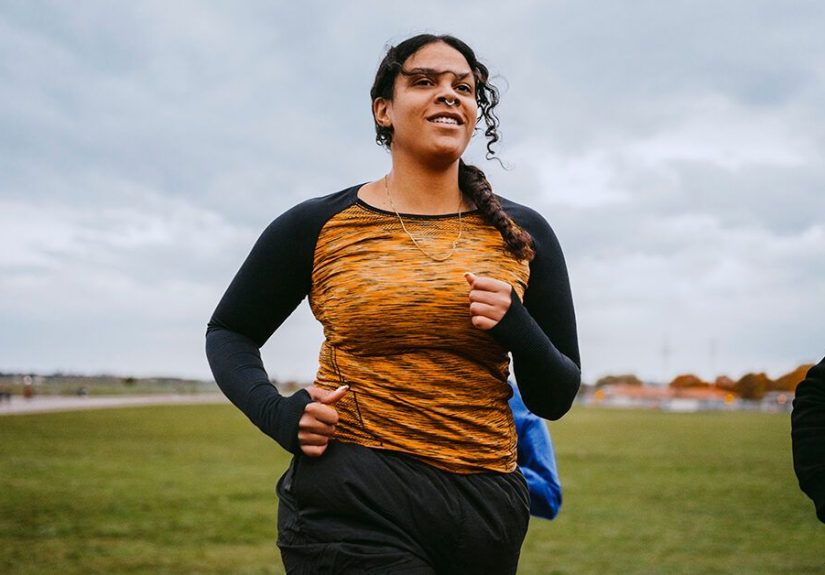
Walking is simple, free, flexible, and surprisingly effective. It is one of the easiest ways to build endurance without adding complicated equipment or gym logistics. For many people with fibromyalgia, walking feels more approachable than formal exercise because it can be broken into tiny pieces.
How to start: Begin with 5 minutes at an easy pace. If that feels manageable, repeat it most days for a week before increasing. You can also split it into two short walks instead of one longer session.
Why it helps: Walking supports circulation, stamina, joint mobility, and mood. It is also easier to pace than many structured workouts.
Best tip: Think “comfortable conversation pace,” not “late for the airport.”
2. Water Exercise or Water Aerobics
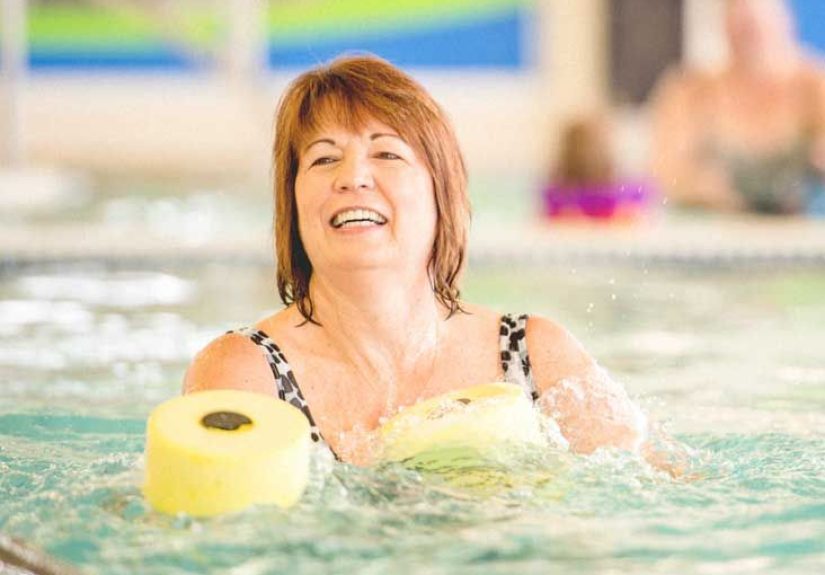
If land exercise feels like too much, water can be a game changer. Warm water supports the body, reduces impact, and often makes movement feel smoother and less threatening. Many people who dread floor workouts discover they can move much more comfortably in a pool.
How to start: Try walking in chest-deep water, gentle leg lifts, arm sweeps, or a beginner aquatic class. Even 10 minutes may be enough at first.
Why it helps: The water supports your body weight and reduces stress on painful areas. Warm water can also help muscles feel looser and less guarded.
Best tip: A gentle warm-water class often feels better than trying to freestyle your way into Olympic history.
3. Gentle Stretching
Stretching will not “cure” fibromyalgia, but it can help reduce stiffness, improve range of motion, and make daily activities feel less creaky. The trick is to stretch softly, not aggressively. This is not the time to audition for a pretzel-themed circus act.
How to start: Focus on major areas that commonly feel tight, such as the neck, shoulders, chest, hips, calves, and hamstrings. Hold each stretch gently for 10 to 30 seconds without bouncing.
Why it helps: Fibromyalgia often comes with muscle tightness and postural strain. A few minutes of stretching can make movement easier and more comfortable.
Easy examples:
- Neck side stretch
- Shoulder rolls
- Chest opener at a doorway
- Seated hamstring stretch
- Calf stretch against a wall
- Gentle spinal twist in a chair
4. Strength Training with Light Resistance
Strength training can sound intimidating, but it does not have to mean heavy weights and gym mirrors. In fibromyalgia, gentle strengthening helps support joints, improve function, and reduce the effort required for daily tasks like lifting groceries, standing from a chair, or carrying laundry.
How to start: Use body weight, light dumbbells, or resistance bands. Begin with one set of 5 to 8 repetitions of very basic movements, two or three times a week.
Good beginner moves:
- Sit-to-stand from a chair
- Wall push-ups
- Seated biceps curls with light weights
- Resistance-band rows
- Mini side leg lifts while holding a chair
Why it helps: Better strength often means better support, better balance, and less strain during everyday movement.
Best tip: Finish feeling like you could do more. That is a win.
5. Tai Chi
Tai chi is a gentle mind-body practice that combines slow movement, balance, breathing, and focus. It is especially appealing for people who want exercise that does not feel jarring or competitive. In plain English, it is movement without chaos.
How to start: Try a beginner class, a short guided routine, or even 10 minutes of learning a few basic flowing movements.
Why it helps: Tai chi may help with pain, physical function, mood, and stress. It also encourages body awareness, which can help you notice when to ease up before a flare builds.
6. Gentle Yoga
Yoga can be helpful for some people with fibromyalgia, especially when it is modified and paced appropriately. Think restorative or beginner yoga, not advanced poses that require the flexibility of a rubber band and the confidence of a circus cat.
How to start: Choose classes labeled gentle, beginner, restorative, chair yoga, or pain-friendly. Focus on breathing, posture, and supported movement.
Why it helps: Gentle yoga can support flexibility, relaxation, posture, and stress reduction. It may also help people reconnect with movement without fear.
Good options:
- Child’s pose with support
- Cat-cow
- Seated forward fold
- Legs up the wall
- Supine twist
7. Stationary or Recumbent Cycling
If walking feels too pounding on certain days, a stationary bike can be a useful substitute. A recumbent bike is often even more comfortable because it supports the back and may feel less taxing.
How to start: Try 5 to 10 minutes at very low resistance. Keep the effort easy and smooth.
Why it helps: Cycling offers low-impact aerobic exercise and can be easier to control than outdoor activity.
A Simple Beginner Routine for Fibromyalgia
If you want a no-fuss starting point, try this sample week:
- Monday: 5 to 10 minutes of walking + 5 minutes of stretching
- Tuesday: Rest or gentle range-of-motion work
- Wednesday: 10 minutes of water exercise or cycling
- Thursday: 5 to 10 minutes of tai chi or gentle yoga
- Friday: Light strength training, 1 set of 4 to 5 basic movements
- Saturday: Easy walk + stretching
- Sunday: Rest, breathing exercises, or very light movement
After a week or two, increase one variable at a time. Add a couple of minutes. Add one extra day. Add one extra set. Do not change everything at once. Fibromyalgia usually responds better to consistency than ambition.
Common Mistakes That Can Backfire
Doing too much on a good day
This is probably the most famous fibromyalgia trap. You wake up feeling decent, suddenly become the CEO of errands, chores, and life goals, and then spend the next two days regretting your enthusiasm. Pace your better days, too.
Choosing high-impact workouts too soon
Jumping, sprinting, or intense interval training may be too aggressive at the beginning. Save your body the plot twist.
Skipping rest and recovery
Gentle activity helps, but so does recovery. Sleep, hydration, rest breaks, and stress management all matter.
Comparing yourself to other people
Your progress does not need to look like anyone else’s. For some people, success is a 20-minute walk. For others, success is standing up with less stiffness in the morning. Both count.
When to Pause and Get Medical Advice
Mild soreness when you are starting out can happen. Sharp pain, chest pain, dizziness, severe shortness of breath, or symptoms that feel unusual for you are different. Stop and check in with a healthcare professional. It is also worth asking for guidance if you are having frequent flares, major fatigue after minimal activity, or difficulty figuring out what level of exercise is safe.
The Real Goal: More Life, Not More Workout Points
The purpose of exercise with fibromyalgia is not to become a gym legend. It is to help you function better, hurt less, sleep a little deeper, feel more capable, and reclaim pieces of your normal life. Maybe that means walking the dog without paying for it later. Maybe it means cooking dinner with less fatigue. Maybe it means getting through a grocery trip without feeling like you trained for a triathlon.
That is real progress. And for people with fibromyalgia, real progress is worth celebrating.
Experiences People Commonly Have When They Start These Easy Exercises
One of the most encouraging things about fibromyalgia-friendly exercise is that progress usually shows up in everyday moments before it shows up as some dramatic fitness transformation. People often begin with a lot of doubt. They assume exercise will automatically make everything worse because movement has been tied to pain for so long. So the first experience is often emotional, not physical: hesitation, skepticism, and a mental negotiation that sounds something like, “Fine, I will try five minutes, but I reserve the right to complain.”
During the first week or two, many people notice that the biggest challenge is not the exercise itself. It is the fear of overdoing it. A short walk can feel manageable while they are doing it, but later they may anxiously wait to see whether a flare is coming. That is why tiny sessions matter so much. They build trust. When someone finishes 5 minutes of walking, 8 minutes in the pool, or a few gentle stretches and realizes they are still okay later, confidence begins to return.
Another common experience is that improvement is uneven. One day, a person may feel looser after stretching and sleep better that night. Two days later, they may feel tired and discouraged. This up-and-down pattern does not automatically mean the plan is failing. Fibromyalgia symptoms naturally fluctuate, and progress is often more like a wobbly staircase than a straight line. People who do best usually learn not to judge the entire routine based on one rough day.
Many people also report that gentle exercise helps them feel more “unstuck.” Not pain-free, necessarily, but less trapped inside stiffness and fatigue. A morning stretching routine may make getting dressed easier. Water exercise may reduce that heavy, cement-leg feeling. Tai chi or yoga may help them feel calmer and less braced against pain all day. These changes can sound small on paper, but in real life they are huge. Being able to unload groceries, sit through a meeting, or take a shower with less strain can feel like winning the lottery in sweatpants.
There is often a mindset shift, too. At first, movement may feel like a test the body keeps failing. Over time, it can start to feel like support. Instead of using exercise as a way to force the body into submission, people begin using it as a way to work with their symptoms. They get better at asking useful questions: “Would a short walk help right now?” “Would stretching calm this stiffness?” “Is today a water day instead of a strength day?” That flexibility is a sign of progress, not weakness.
Perhaps the most meaningful experience is that consistency starts to feel more powerful than intensity. People discover that 10 minutes done regularly can help more than one heroic workout followed by three miserable days. That realization is oddly freeing. It removes the pressure to be impressive and replaces it with something much more useful: being steady. And in fibromyalgia, steady is often where the magic lives.
Conclusion
When fibromyalgia pain is part of daily life, exercise can sound like the last thing you want. But easy, low-impact movement is often one of the smartest ways to ease symptoms over time. Walking, water aerobics, stretching, light strength training, tai chi, yoga, and gentle cycling can all help when they are introduced slowly and done consistently. The goal is not to crush a workout. The goal is to create a routine your nervous system can tolerate and your life can actually use.
Start small. Stay patient. Respect pacing. And remember: in the world of fibromyalgia, a gentle plan that you can repeat beats an ambitious plan that your body immediately puts in timeout.