Table of Contents >> Show >> Hide
- What Is Dagnje na Buzaru?
- Why You Will Love This Easy Croatian Mussels Recipe
- Easy Croatian Mussels (Dagnje na Buzaru) Recipe
- What Does This Croatian Mussels Recipe Taste Like?
- Best Tips for Perfect Dagnje na Buzaru
- What to Serve with Croatian Mussels
- Common Mistakes to Avoid
- Easy Variations
- Frequently Asked Questions
- Why This Recipe Works for American Home Cooks
- Cooking and Eating Dagnje na Buzaru: The Experience
- Conclusion
If dinner has been feeling a little too predictable lately, let me introduce you to a pot of mussels so good it can make a Tuesday night feel like a tiny Adriatic vacation. Dagnje na buzaru, or Croatian mussels buzara-style, is one of those dishes that looks dramatic, tastes luxurious, and is secretly very easy to make. In other words, it is the culinary equivalent of showing up to a party in linen and sunglasses while everybody else is still microwaving leftovers.
This easy Croatian mussels recipe keeps the spirit of the classic dish: fresh mussels, olive oil, garlic, parsley, dry white wine, breadcrumbs, and plenty of broth for dipping bread. It is fast, deeply flavorful, and wonderfully unfussy. You do not need a culinary degree, a seaside villa, or a grandmother named Marija to pull it off. You just need a large pot, a loaf of crusty bread, and the good sense not to leave that broth behind.
What Is Dagnje na Buzaru?
Dagnje means mussels, and na buzaru refers to a traditional coastal Croatian method of cooking seafood in a fragrant sauce of olive oil, wine, garlic, and herbs. Some versions are “white,” meaning no tomato, while others are “red,” with tomato added for a richer, sweeter edge. This version is the lighter white style, which lets the mussels and broth do most of the charming.
What makes buzara special is that the sauce is not trying to overpower the shellfish. It is there to flatter it. The mussels release their natural briny liquor as they steam, which mingles with wine, olive oil, garlic, and parsley to create a broth that tastes like the sea got dressed up for dinner. Breadcrumbs are often added at the end to lightly thicken the broth and give it that classic buzara texture.
That is the magic of the dish: minimal ingredients, maximum swagger.
Why You Will Love This Easy Croatian Mussels Recipe
It is quick
Mussels cook fast. Once they hit the pot, dinner is usually just minutes away. This is excellent news for hungry people and dangerous news for anyone trying to “just have a bite.”
It feels restaurant-worthy
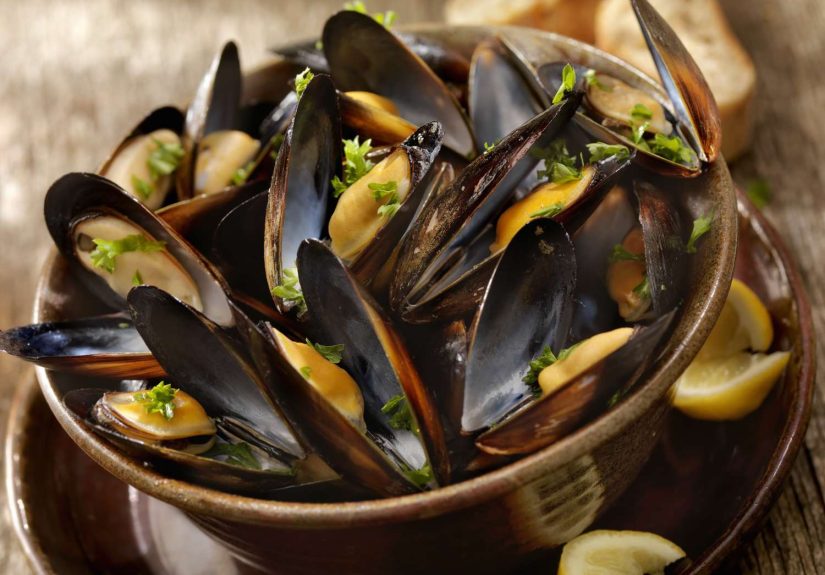
A giant steaming bowl of mussels looks impressive even when the recipe itself is straightforward. The broth, the aroma, the bread on the side, the dramatic shells piled high, it all screams, “I absolutely know what I’m doing,” even if you are still wearing pajama pants.
It uses simple ingredients
You are not chasing obscure pantry items across town. Garlic, olive oil, parsley, white wine, breadcrumbs, and mussels do the heavy lifting here.
It is made for sharing
Buzara is one of those dishes that naturally turns dinner into an event. Hands reach for bread. People compare broth-sopping techniques. Someone inevitably says, “We should make this again,” with suspicious urgency.
Easy Croatian Mussels (Dagnje na Buzaru) Recipe
Yield
Serves 4 as a light main course or hearty appetizer
Prep Time
20 minutes
Cook Time
10 to 12 minutes
Ingredients
- 3 to 4 pounds fresh mussels
- 1/4 cup extra-virgin olive oil
- 5 to 6 garlic cloves, finely chopped
- 1/3 cup flat-leaf parsley, finely chopped, plus more for serving
- 1 cup dry white wine
- 1/3 to 1/2 cup fine fresh breadcrumbs
- Freshly ground black pepper, to taste
- Salt, only if needed
- Crusty bread or baguette, for serving
- Lemon wedges, optional
How to Clean the Mussels
First things first: mussels should be alive before cooking. Discard any with cracked or broken shells. If a mussel is open, tap it lightly. If it closes, great. If it stays open and looks like it has emotionally checked out, toss it.
Rinse the mussels under cold running water and scrub the shells to remove grit. Pull off any visible beards, those fibrous little threads sticking out from the shell. This is not glamorous work, but neither is chewing sand.
Instructions
- Build the flavor base. In a large, deep pot or Dutch oven, heat the olive oil over medium heat. Add the garlic and half the parsley. Cook for about 30 to 60 seconds, just until fragrant. Do not brown the garlic. Burned garlic turns this breezy coastal beauty into a bitter lecture.
- Add the wine. Pour in the white wine and bring it to a lively simmer for 1 to 2 minutes. This gives the alcohol a chance to mellow and lets the sauce start concentrating.
- Steam the mussels. Add the cleaned mussels to the pot and toss gently. Cover with a tight-fitting lid and cook for 4 to 6 minutes, shaking the pot once or twice, until the mussels open.
- Discard any stubborn ones. If some mussels do not open after cooking, throw them away. They do not get a second audition.
- Finish buzara-style. Sprinkle in the breadcrumbs, the remaining parsley, and a generous amount of black pepper. Shake or stir gently to combine. The breadcrumbs should lightly thicken the broth rather than turn it into stuffing. If it feels too thick, add a splash more wine or hot water.
- Taste and serve. Taste the broth before adding salt. Mussels bring their own salinity to the party, so you may need very little. Spoon everything into bowls and serve immediately with crusty bread and lemon wedges, if using.
What Does This Croatian Mussels Recipe Taste Like?
The flavor is clean, garlicky, and deeply savory, with the natural brininess of the mussels at center stage. The white wine brings brightness, the olive oil rounds everything out, and the parsley keeps the whole thing fresh rather than heavy. Breadcrumbs give the broth a little body, so it clings beautifully to bread.
If you have had French moules marinières before, think of buzara as a close cousin with an Adriatic accent and a breadcrumb habit. It is rustic, elegant, and deeply comforting without feeling too rich.
Best Tips for Perfect Dagnje na Buzaru
Use fresh, live mussels
This is non-negotiable. Fresh mussels should smell like the sea, not like a science experiment. Buy them from a reliable fish market or grocery seafood counter with good turnover.
Do not overcook them
Mussels go from tender to rubbery faster than you can say “Where did I put the tongs?” As soon as most of them open, they are done.
Choose a dry white wine
A crisp Sauvignon Blanc, Pinot Grigio, or other dry white works beautifully. Avoid very sweet wines unless your goal is to confuse the recipe.
Use fresh breadcrumbs if possible
Fresh breadcrumbs blend into the broth more naturally than dry packaged crumbs and create that lightly thickened, silky finish buzara is known for.
Go easy on the salt
Mussels release salty liquid as they cook. Always season at the end, not the beginning.
What to Serve with Croatian Mussels
Crusty bread
This is the classic choice and honestly the smartest one. That broth deserves a proper send-off, not abandonment.
Polenta
Soft polenta turns the dish into a more substantial dinner and pairs beautifully with the garlicky wine sauce.
Simple green salad
A lemony salad gives the meal freshness and balance, especially if you are serving the mussels as a main course.
Roasted potatoes or fries
Not traditional Croatian buzara, perhaps, but undeniably delicious. Potatoes and shellfish broth are old friends.
Common Mistakes to Avoid
Adding too many ingredients
Buzara is not the place for twenty competing flavors. Keep it simple. The beauty of the dish is restraint.
Cooking the garlic too hard
Garlic should smell inviting, not aggressive. A few seconds too long can tilt the whole pot toward bitterness.
Making the broth too thick
Breadcrumbs should gently enrich the sauce, not turn it into seafood porridge. Add them gradually.
Forgetting the bread
This is less a mistake and more a tragedy. Fixable, fortunately, with a bakery run.
Easy Variations
Red buzara
Add a few chopped tomatoes or a spoonful of tomato sauce to the garlic and oil before pouring in the wine. The result is sweeter, richer, and a little more dramatic.
Spicy buzara
A pinch of red pepper flakes adds warmth without overwhelming the classic profile.
Shrimp na buzaru
The same method works beautifully with shell-on shrimp. The sauce becomes even more luxurious thanks to the shells.
Frequently Asked Questions
Can I make this mussels recipe without wine?
Yes, but wine is a big part of the classic flavor. If needed, substitute seafood stock or a mix of water and a little lemon juice. It will still be tasty, just less traditional.
Can I use frozen mussels?
You can, especially if they are already cooked and shelled, but the experience is not quite the same. Fresh mussels in the shell create the best broth and the most authentic buzara feel.
How do I store leftovers?
Mussels are best eaten right away. If you do have leftovers, refrigerate them promptly and eat them within a day. Reheat gently so they do not toughen up.
Can I make buzara ahead of time?
You can prep the ingredients ahead, but cook the mussels just before serving. They are at their best fresh from the pot.
Why This Recipe Works for American Home Cooks
This easy Croatian mussels recipe fits modern home cooking perfectly because it checks all the right boxes. It is fast enough for a weeknight, elegant enough for guests, and flexible enough to work with ingredients from a regular grocery store. It also taps into something American cooks love: maximum flavor with minimum drama.
There is also a practical advantage. Mussels are often more affordable than many other types of seafood, which means you can serve a dinner that feels special without needing to refinance your kitchen. Paired with bread and salad, this becomes a complete meal that tastes far more expensive than it is.
And then there is the sensory part. The aroma of garlic, parsley, and wine rising from the pot is wildly convincing. Even before the first bite, the room smells like dinner has made excellent life choices.
Cooking and Eating Dagnje na Buzaru: The Experience
There is something oddly theatrical about cooking mussels, and that is part of the appeal. You start with a bowl of closed shells that look modest and maybe a little mysterious. Then the olive oil warms up, the garlic hits the pot, and suddenly your kitchen smells like a restaurant that charges for sparkling water. The wine goes in with that cheerful hiss, and now things are getting serious in the best possible way.
Then comes the lid. This is the suspenseful part. Mussels do not simmer around politely for half an hour like a stew. They work fast. In just a few minutes, you lift the lid and the pot has transformed. The shells have opened like tiny black flowers, the broth smells briny and herbaceous, and you realize dinner has somehow become an event.
What I love most about this dish is how it changes the mood of the table. People lean in. They ask for extra napkins. They tear bread with the kind of concentration usually reserved for final exams. Nobody pokes at their food absentmindedly while scrolling. Mussels demand participation. You pick up shells, dip bread, slurp broth, and accept that this is not a knife-and-fork situation. It is gloriously hands-on, a little messy, and much more fun because of it.
The experience also feels connected to place, even if you are nowhere near Croatia. Dagnje na buzaru carries the personality of coastal cooking: simple ingredients, seafood handled with restraint, and a deep trust that garlic, olive oil, wine, and herbs can make magic when used well. It tastes honest. It tastes like someone knew the mussels were good enough already and did not feel the need to bury them under cream, cheese, or half the spice rack.
It is also one of the rare dishes that feels equally right for different occasions. Make it on a rainy night with candles and a loaf of bread, and it feels cozy and romantic. Serve it at a casual dinner with friends, and it becomes lively and communal. Bring it out in summer with a crisp salad and cold white wine, and suddenly your dining room is pretending to be on the Adriatic coast. Frankly, I support this delusion.
Another great thing about the experience is how quickly confidence builds. The first time you make mussels at home, they can seem fancy or intimidating. But once you do it, you realize they are one of the least fussy seafood dinners you can make. Clean them, steam them, discard the ones that do not open, and serve them immediately. That is it. No complicated sauce work, no advanced technique, no endless timing puzzle.
And the payoff is huge. The broth alone feels like a reward for good decision-making. It seeps into toasted bread, clings lightly because of the breadcrumbs, and tastes like garlic and sea air had a very successful meeting. By the end of the meal, the bowls are empty except for shells, the bread basket has been absolutely raided, and somebody is inevitably eyeing the pot for “just one more spoonful” of broth. That, to me, is the sign of a recipe worth keeping.
Dagnje na buzaru is not flashy because it is complicated. It is flashy because it proves that simple food, when done right, can feel unforgettable. And honestly, that is a pretty great trick for a humble pot of mussels.
Conclusion
If you want a seafood dish that is easy, elegant, and full of real flavor, Easy Croatian Mussels (Dagnje na Buzaru) deserves a spot in your rotation. It delivers everything you want from a great mussels recipe: fast cooking, a fragrant white wine broth, plenty of garlic and parsley, and that irresistible crusty-bread moment at the end. Best of all, it proves that some of the most memorable meals come from the simplest ingredients. All you have to do is grab a pot, pour the wine, and let the mussels do their thing.