
Table of Contents >> Show >> Hide
- Why Cheese and Honey Work So Well Together
- Start With the Cheese: Match Honey to Flavor Intensity
- Understand Honey Varieties Before You Drizzle
- Use the “Weight With Weight” Rule
- Build a Better Cheese and Honey Board
- Serve Cheese at the Right Temperature
- Pair by Occasion
- Common Cheese and Honey Pairing Mistakes
- Specific Cheese and Honey Pairing Ideas
- Experience Notes: What I’ve Learned From Pairing Cheese and Honey
- Conclusion
Cheese and honey are the food world’s version of a couple that looks suspiciously too perfect together. One is salty, creamy, tangy, nutty, earthy, or boldly funky. The other is sweet, floral, silky, golden, and somehow able to make even a plain cracker feel like it has a reservation at a fancy restaurant. Put them together, and suddenly your cheese board goes from “nice little snack” to “who catered this?”
The secret is not simply drizzling any honey over any cheese and hoping the snack gods smile upon you. The best cheese and honey pairings happen when flavor, texture, intensity, and temperature work together. A mild fresh goat cheese may sparkle with orange blossom honey. A salty blue cheese may calm down beautifully under a spoonful of dark wildflower honey. A wedge of aged cheddar can become richer, rounder, and more memorable with honeycomb, toasted nuts, and crisp apple slices.
This guide walks through essential tips for pairing cheese and honey like someone who owns a tiny marble board and knows how to use it. Whether you are building a party platter, planning a date-night snack, assembling a holiday charcuterie board, or just upgrading your midnight refrigerator visit, these tips will help you create pairings that taste balanced, thoughtful, and delicious.
Why Cheese and Honey Work So Well Together
The magic of cheese and honey pairing begins with contrast. Cheese often brings salt, fat, acidity, and umami. Honey brings sweetness, aroma, and a smooth texture that coats the palate. When the two meet, the honey softens sharp edges while the cheese keeps the sweetness from becoming too sugary. It is the same reason salted caramel works so well: sweet and salty are not rivals; they are best friends who finish each other’s sentences.
Cheese also has fat, and fat loves aromatic ingredients. Honey is not just “sweet syrup from bees.” Depending on the flowers visited by the bees, honey can taste citrusy, grassy, herbal, buttery, floral, fruity, malty, woodsy, or almost molasses-like. That means honey can act like a seasoning, not just a sweetener. A delicate acacia honey whispers. Buckwheat honey walks in wearing boots. Hot honey kicks the door open and asks where the pizza is.
Texture matters too. Liquid honey drizzles easily over soft cheeses. Whipped honey spreads nicely on bread or crackers. Honeycomb adds chew, crunch, and visual drama. If regular honey is a lovely accessory, honeycomb is the guest who arrives in a velvet jacket.
Start With the Cheese: Match Honey to Flavor Intensity
The easiest way to pair cheese and honey is to begin with the cheese. Ask one simple question: how intense is this cheese? A mild cheese needs a gentle honey. A bold cheese can handle a bold honey. If the honey is too strong, it can bury the cheese. If the cheese is too funky, a delicate honey may vanish like it saw a ghost.
Fresh and Tangy Cheeses
Fresh goat cheese, ricotta, feta, fromage blanc, and fresh mozzarella usually have clean, milky, tangy flavors. These cheeses love bright honeys such as orange blossom, clover, acacia, or light wildflower honey. The honey smooths out acidity and adds a sunny finish without overwhelming the cheese.
Try fresh goat cheese with orange blossom honey, lemon zest, cracked black pepper, and toasted pistachios. It tastes fresh, creamy, and elegant, but it takes about five minutes to prepare. That is the kind of kitchen math we support.
Soft-Ripened Cheeses
Brie, Camembert, triple-cream cheese, and other bloomy-rind cheeses are creamy, buttery, and sometimes mushroomy. They pair beautifully with mild to medium honeys. Orange blossom honey adds brightness. Acacia honey keeps things delicate. Tupelo honey brings a smooth, buttery sweetness. Wildflower honey adds depth when the cheese is richer.
For a crowd-friendly pairing, serve Brie with honeycomb, sliced pears, and a crusty baguette. The creamy cheese, chewy honeycomb, and crisp fruit create a bite that feels fancy but does not require anyone to understand French pronunciation.
Semi-Hard and Nutty Cheeses
Cheddar, Gouda, Manchego, Gruyère, Comté, and Alpine-style cheeses often have nutty, savory, or caramel-like notes. These cheeses can handle honey with more personality. Wildflower honey, chestnut honey, buckwheat honey, or darker clover honey can bring out their roasted, nutty side.
Aged Gouda with honeycomb is especially satisfying because both ingredients have texture. The cheese may have crunchy protein crystals, while the honeycomb brings waxy chew and floral sweetness. Add roasted almonds and dried apricots, and suddenly your snack board is acting like it has a sommelier.
Sharp and Aged Cheeses
Aged cheddar, Parmesan, Pecorino Romano, aged Gouda, and aged sheep’s milk cheeses are salty, concentrated, and savory. Honey helps round their sharpness. For these cheeses, choose a honey with enough depth to stand up to the salt: wildflower, buckwheat, avocado, chestnut, or even hot honey if you want a spicy kick.
One excellent bite: a shard of aged cheddar, a small drizzle of dark honey, a walnut half, and a thin apple slice. You get salt, sweetness, crunch, freshness, and richness in one bite. It is basically a tiny edible business plan.
Blue Cheeses
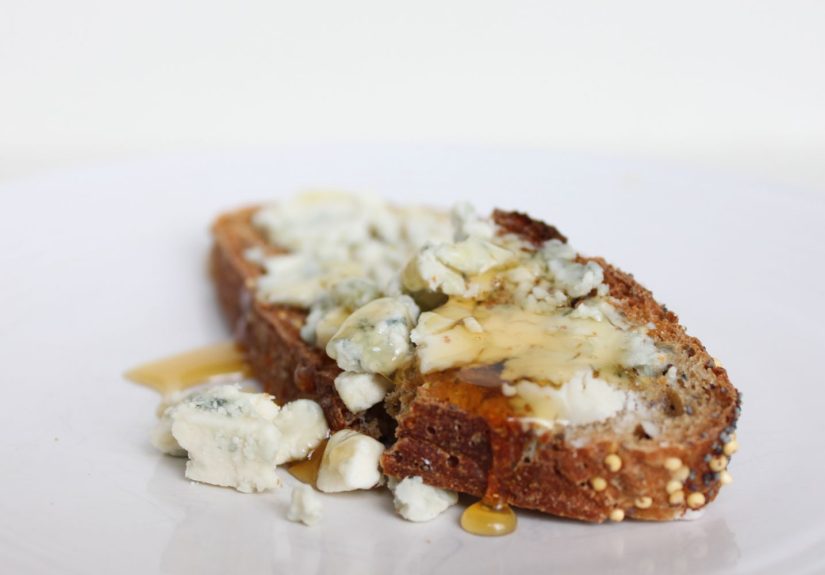
Blue cheese is bold, salty, tangy, and famously opinionated. Some people love it. Some people think it tastes like cheese that has read too much philosophy. Honey is one of the best ways to make blue cheese more approachable because sweetness balances its sharp, earthy intensity.
Pair Gorgonzola, Roquefort, Stilton, or American blue cheese with dark wildflower honey, buckwheat honey, honeycomb, or hot honey. Add figs, dates, toasted walnuts, or a slice of rustic bread. Blue cheese and honey are proof that strong personalities can work beautifully together when someone brings snacks.
Understand Honey Varieties Before You Drizzle
Honey gets its flavor from nectar, which means different honeys can taste surprisingly different. Color is a helpful clue: lighter honeys are usually milder, while darker honeys tend to taste stronger and more complex.
Clover Honey
Clover honey is mild, familiar, and easy to love. It works with everyday cheeses such as cheddar, Monterey Jack, Colby, fresh mozzarella, and mild goat cheese. Use it when you want sweetness without stealing the show.
Orange Blossom Honey
Orange blossom honey is fragrant, bright, and lightly citrusy. It is excellent with Brie, Camembert, goat cheese, ricotta, and sheep’s milk cheeses. It also pairs nicely with fruit, especially berries, peaches, and pears.
Acacia Honey
Acacia honey is pale, delicate, and clean. Use it with subtle cheeses where you do not want the honey to dominate. It is lovely with fresh cheeses, mild bloomy-rind cheeses, and lightly salted cheeses.
Wildflower Honey
Wildflower honey varies by region and season, which is part of the fun. It may be floral, fruity, earthy, or herbal. Because it has more character than many light honeys, it is a versatile choice for cheese boards with multiple cheese styles.
Buckwheat Honey
Buckwheat honey is dark, bold, malty, and intense. It is not the honey you use when you want subtlety. Pair it with aged cheddar, blue cheese, smoked cheese, or deeply savory cheeses. Use a light hand; this honey has opinions.
Hot Honey
Hot honey adds chili heat to sweetness. It is wonderful with creamy cheeses, fried cheese, pizza-style boards, baked Brie, sharp cheddar, and blue cheese. It turns a simple cheese board into something with a little drama, like a reality show but tastier.
Use the “Weight With Weight” Rule
A reliable pairing rule is to match weight with weight. Light cheeses go with light honeys. Rich cheeses go with richer honeys. Strong cheeses go with intense honeys. This does not mean you can never experiment, but it gives you a smart starting point.
For example, ricotta and acacia honey feel balanced because both are gentle. Blue cheese and buckwheat honey work because both are powerful. Brie and orange blossom honey work because the cheese is creamy while the honey adds lift. Aged cheddar and wildflower honey work because the cheese has savory depth and the honey has enough body to keep up.
If a pairing tastes flat, add contrast. If it tastes chaotic, simplify. If it tastes like you accidentally invented dessert nachos, maybe pause and reassess.
Build a Better Cheese and Honey Board
A great cheese and honey board does not need twenty ingredients. In fact, too many items can confuse the palate. Choose three to five cheeses, one or two honeys, and a few smart accompaniments. The goal is variety without turning the board into a grocery store traffic jam.
Choose a Range of Cheeses
For a balanced board, select cheeses with different textures and flavor profiles. Try one fresh cheese, one soft-ripened cheese, one semi-hard cheese, and one bold cheese. A simple lineup could include goat cheese, Brie, aged cheddar, and blue cheese.
Add Two Honey Options
Offer one mild honey and one bold honey. For example, orange blossom honey can serve the fresh and creamy cheeses, while wildflower or buckwheat honey can support aged and blue cheeses. Honeycomb is also excellent because it adds texture and looks beautiful on the board.
Include Crunch and Freshness
Cheese and honey are rich, so they need balance. Add toasted nuts, crisp apples, pears, fresh figs, grapes, berries, or dried apricots. For bread, choose sliced baguette, seeded crackers, sourdough, or plain water crackers. Avoid heavily flavored crackers unless the cheese is mild enough to handle them.
Keep Strong Cheeses Separate
Blue cheese and washed-rind cheeses can have powerful aromas. Give them their own space on the board so they do not perfume the delicate cheeses next door. Cheese is social, but some cheeses need boundaries.
Serve Cheese at the Right Temperature
Cold cheese often tastes muted because the fat is firm and the aroma is locked down. For better flavor and texture, take cheese out of the refrigerator about 20 to 45 minutes before serving, depending on the size and style. Soft cheeses need less time if your room is warm; larger wedges need more time.
Food safety still matters. Perishable cheeses should not sit out for hours and hours. For parties, put out smaller portions and refill the board as needed. This keeps the cheese tasting fresh and helps prevent your beautiful board from becoming a science project with crackers.
Pair by Occasion
For Brunch
Serve ricotta or whipped goat cheese with orange blossom honey, berries, toasted almonds, and warm toast. This pairing feels bright, creamy, and not too heavy.
For a Wine Night
Try aged cheddar with wildflower honey, Brie with honeycomb, and blue cheese with figs and dark honey. Add apples, nuts, and baguette slices for balance.
For a Holiday Board
Use honeycomb as the centerpiece, then surround it with Brie, Gouda, Manchego, and blue cheese. Add dried cranberries, candied pecans, sliced pears, and rosemary for a festive look.
For Dessert
Pair mascarpone or fresh ricotta with honey, toasted hazelnuts, and roasted fruit. Or serve blue cheese with honey and dates for a bold, grown-up dessert that does not require baking. Your oven may send a thank-you note.
Common Cheese and Honey Pairing Mistakes
Using Too Much Honey
Honey should enhance cheese, not drown it. Start with a small drizzle. You can always add more, but once a cheese is swimming, there is no lifeguard.
Ignoring Texture
A soft cheese with liquid honey can be wonderful, but add crunch for contrast. Nuts, crackers, apple slices, or honeycomb make the bite more interesting.
Choosing Only Mild Cheeses
A board with only mild cheeses can taste pleasant but forgettable. Add at least one aged, tangy, or blue cheese to create excitement.
Serving Everything Straight From the Fridge
Cheese needs a little time to wake up. Let it sit briefly before serving so the flavors bloom and textures soften.
Forgetting the Palate Cleanser
Honey and cheese can be rich. Fresh fruit, sparkling water, crisp apples, pickles, or plain bread help reset the palate between bites.
Specific Cheese and Honey Pairing Ideas
- Goat cheese + orange blossom honey: bright, tangy, creamy, and excellent with berries or pistachios.
- Brie + honeycomb: rich, soft, chewy, and perfect with baguette slices.
- Aged cheddar + wildflower honey: sharp, salty, floral, and great with apples.
- Blue cheese + buckwheat honey: bold, earthy, sweet, and ideal with walnuts or figs.
- Manchego + rosemary honey: nutty, savory, herbal, and excellent with almonds.
- Ricotta + clover honey: mild, creamy, and lovely with peaches or toasted bread.
- Gouda + honeycomb: caramel-like, nutty, chewy, and deeply satisfying.
- Feta + hot honey: salty, spicy, sweet, and great with roasted vegetables.
Experience Notes: What I’ve Learned From Pairing Cheese and Honey
The first lesson from pairing cheese and honey is that people become very confident after one good bite. Someone who claimed to be “not really a cheese person” five minutes earlier will suddenly start discussing texture, floral notes, and whether the honey needs more acidity. This is the power of a well-built cheese board. It turns casual snackers into tiny food critics with excellent posture.
One of the most reliable experiences is that soft cheeses win beginners quickly. A mild Brie with honeycomb is almost impossible to dislike. The cheese is creamy, the honeycomb is sweet and chewy, and the bread gives everything a comfortable landing place. It is a low-risk pairing with a high reward. When serving guests who are new to cheese and honey, this is the pairing I would put closest to the front of the board.
Goat cheese with honey is another dependable favorite, especially when the honey has a bright personality. Orange blossom honey works beautifully because it makes the tanginess of the cheese feel fresh instead of sharp. Add lemon zest and a few crushed pistachios, and the whole thing tastes like something from a charming café where the chairs do not match on purpose.
Blue cheese is where the room divides. Some people approach it bravely; others look at it like it owes them money. Honey helps. A small piece of blue cheese with dark honey and a walnut can change minds because the sweetness softens the salt and funk. The trick is portion size. Do not hand someone a giant chunk of blue cheese and expect romance. Start small. Let the honey do the diplomacy.
Aged cheddar with honey has been one of the biggest surprises. At first, cheddar feels too everyday, too sandwich-adjacent, too familiar. But a sharp aged cheddar with wildflower honey, thin apple slices, and toasted pecans becomes rich, balanced, and memorable. The apple adds freshness, the pecans add crunch, and the honey makes the cheddar taste rounder. It is proof that great pairing does not always require expensive ingredients.
Another useful lesson: the board should invite experimenting. Put honey in small bowls with separate spoons, leave some cheese plain, and let people build their own bites. Some will drizzle honey on everything. Some will make careful little stacks. Someone will definitely create a cracker tower that violates engineering principles. Let them. Cheese boards are supposed to be relaxed.
Finally, the best pairings often come from local products. A regional honey paired with a nearby cheese can taste unusually harmonious because both reflect the same landscape, season, and food culture. Local goat cheese with local wildflower honey is simple, but it often tastes more alive than a complicated imported combination. When in doubt, ask a cheesemonger, visit a farmers market, or choose honey from the same region as the cheese. The bees and cows may already have done the pairing homework for you.
Conclusion
Pairing cheese and honey is not about memorizing strict rules. It is about balance, contrast, and curiosity. Start with the cheese, choose a honey that matches its intensity, add texture with bread or nuts, and use fruit to refresh the palate. Light cheeses usually love delicate honeys. Creamy cheeses welcome citrusy and floral honeys. Aged cheeses can handle deeper honeys. Blue cheeses become more approachable with bold, dark, or spicy honey.
The best part is that cheese and honey pairing is forgiving. Even an imperfect match is usually still delicious because, well, it is cheese and honey. Begin with classic combinations, then experiment with varietal honey, honeycomb, hot honey, seasonal fruit, and local cheeses. Before long, you will be building boards that look effortless, taste layered, and make guests hover near the table pretending they are “just having one more tiny bite.” We all know the truth. The cheese board won.






 Close
Close