
Table of Contents >> Show >> Hide
- What Is a Foil Pattern Lantern, Exactly?
- Why Foil Works: The Quick (Non-Boring) Light Science
- Safety First: The Lantern Should Be Cute, Not Chaotic
- Materials and Tools
- Three Easy Ways to Build a Foil Pattern Lantern
- Designing Your Pattern: The Rules That Make It Look Pro
- How to Make a Crisp Foil Pattern Panel (Without Fancy Equipment)
- Lighting Tips for the Best Shadow Effect
- Troubleshooting: Fix the Common Lantern Problems
- Theme Variations (So You Can Use This Craft All Year)
- Sustainability and Reuse
- Experience Notes: What Makers Commonly Notice (and Learn Fast)
- Conclusion
A foil pattern lantern is the craft equivalent of showing up to a party in a plain hoodie… and then flipping on a perfectly tailored
spotlight. It’s simple, inexpensive, and somehow looks like you bought it at a boutique that sells “handmade ambiance” for $78.
The idea is easy: you shape aluminum foil (or adhesive craft foil) into a patterned panel, put a soft light behind it (LED, please),
and let the cutouts throw gorgeous shadows onto your walls, your porch, or your dinner table. You’re basically making light do arts
and crafts. And honestly? Light needed a hobby.
What Is a Foil Pattern Lantern, Exactly?
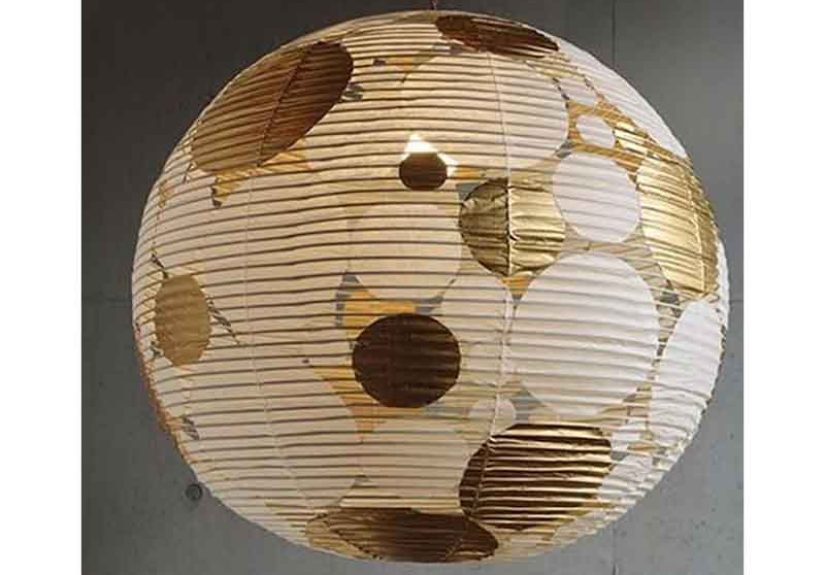
A foil pattern lantern is any lantern where the “magic” comes from a pattern made in foiltiny holes, cutouts, or
punched designs that let light peek through in a controlled way. The foil acts like a crisp stencil: it blocks most light, then
releases it only where you allow it, creating sharp dots, lines, and shapes.
Depending on how you build it, the effect can be:
- Delicate and lacy (think snowflakes, stars, botanical vines)
- Bold and modern (geometric grids, chevrons, art-deco arcs)
- Playful (moons, pumpkins, hearts, initials, tiny dinosaursno judgment)
People often lump these into “luminaries” or “paper bag lanterns,” but your foil panel is the real star. The lantern body is just
the stage where your pattern performs.
Why Foil Works: The Quick (Non-Boring) Light Science
Foil is a light bouncer
Aluminum foil reflects a lot of light instead of soaking it up. That’s why it helps your lantern feel brighter even when you’re using
a small LED. More reflected light inside the lantern = more glow leaving the cutouts.
Shiny vs. matte side: not a dramatic rivalry
You’ll hear people debate the “shiny side” like it’s a sports team. In practice, both sides reflect well; the bigger difference is
how they reflect. Shiny tends to throw a more mirror-like beam, while matte scatters light a bit more. For lanterns, that means:
- Sharper pattern edges: slightly easier with a smoother, shinier interior surface
- Softer glow: slightly easier with a more matte, diffused interior
Distance controls crispness
Want a crisp, dramatic pattern? Keep the light source a little farther back from the foil and use a diffuser layer (vellum or tracing paper).
Want a dreamy “glow cloud”? Bring the light closer and soften it with a thicker diffuser.
Safety First: The Lantern Should Be Cute, Not Chaotic
Use battery-operated LED tea lights or small LED string lights. They give you that cozy look without the fire risk.
If you’re crafting with kids or setting lanterns near decorations, curtains, or dry leaves outdoors, LEDs are the “sleep at night” option.
If your goal is a traditional holiday look (like Southwest-style luminarias/farolitos), LED versions still look magicalespecially when you make a whole row.
The pattern is what people notice first anyway.
- Choose LEDs: safer indoors, safer outdoors, safer around pets and siblings who run like they’re training for the Olympics.
- Ask for adult help with cutting tools or tricky assembly steps.
- Keep it stable: a lantern that tips is a lantern that becomes a floor decoration.
Materials and Tools
This is a “raid your drawer” craft. You can go minimal or go full craft-goblin mode.
Core supplies
- Aluminum foil (heavy-duty is easiest to work with)
- Diffuser layer: vellum, tracing paper, or parchment paper
- Lantern body: paper bag, round paper lantern, mason jar, or a recycled food container sleeve
- LED light: LED tea light, mini puck light, or short LED string lights
- Tape or glue: clear tape, glue stick, or double-sided tape
Pattern-making helpers
- Printed pattern template or your own sketch
- Blunt “punching” tool: pencil, ballpoint pen (cap on), or skewer (with adult supervision)
- Soft backing: foam sheet, cardboard, or a folded towel (so the foil can be pressed without tearing)
- Scissors (adult help recommended for detailed cutting)
Optional upgrades: metallic craft foil sheets, washi tape, translucent colored paper, or adhesive vinyl for crisp pattern guides.
Three Easy Ways to Build a Foil Pattern Lantern
1) Paper Bag Lantern With a Foil Pattern “Window”
This one nods to the classic paper bag lantern tradition (often called luminarias or farolitos in New Mexico, depending on region).
You’re simply adding a foil pattern panel so the bag throws a more detailed shadow design.
- Plan the window: Decide where the pattern will shine (front only, or wrap-around panels).
- Add a diffuser: Tape vellum/tracing paper behind the “window” area inside the bag.
- Make the foil panel: Punch or cut a pattern into foil and tape it over the diffuser layer.
- Stabilize the base: Add a little weight at the bottom (like a small pouch of rice in a sealed bag) so it stands up.
- Light it: Place an LED tea light inside and fold the top down slightly to keep the glow contained.
Result: a simple lantern that looks “holiday-ready” but with your custom shadow art.
2) Round Paper Lantern Wrap (Party Lantern, But Make It Fancy)
A plain paper lantern is basically a blank canvas. Wrap it with a foil pattern band and suddenly it looks like a designer light fixture.
- Measure the band: Use a strip of paper to estimate the height and length around the lantern.
- Create a foil pattern strip: Punch holes or cut shapes into a foil strip.
- Add diffuser behind foil: Tape vellum behind the foil strip so light stays soft.
- Attach the band: Use small pieces of tape to secure it around the lantern (don’t crush the frame).
- Light from within: Use a tiny LED puck light or LED string lights designed for lanterns.
This is especially good for patios, birthdays, and “we’re pretending we’re outdoorsy” dinners.
3) Jar Lantern With a Foil Sleeve (No Commitment, Maximum Glow)
If you like crafts that don’t require permanently altering anything, this is your lane. Make the patterned foil as a removable sleeve.
- Wrap the jar with parchment/vellum (diffuses the light and protects the pattern edges from looking harsh).
- Create a patterned foil sleeve that wraps around the outside.
- Secure with tape so it can slide on/off.
- Drop in an LED tea light and admire your “accidentally elegant” decor.
Designing Your Pattern: The Rules That Make It Look Pro
Rule #1: Start bigger than you think
Tiny details can disappear once the light turns onespecially if your diffuser layer is thick. If you’re new, choose bold shapes
(stars, leaves, circles, diamonds) and add smaller accents after you see how it glows.
Rule #2: Leave “bridges” so it stays sturdy
If you cut out huge areas, the foil loses structure and wrinkles. Leave thin connecting strips (bridges) between cutouts so the panel
keeps its shape and doesn’t collapse into a shiny crumple confession.
Rule #3: Use repeats for instant polish
Repetition is the secret handshake of good design. A simple motif repeated in rows looks intentional, even if you made it at 10 p.m.
on a snack break.
Pattern ideas that work every time
- Classic: stars, snowflakes, hearts, crescent moons
- Modern: hexagons, stripes, staggered dots, chevrons
- Nature: pine branches, monstera leaves, vines, tiny mushrooms
- Personalized: initials, a simple skyline, a favorite symbol
For holiday decorating, paper bag lanterns are often dressed up with paint, tape, stickers, or themed designsthen lit with battery-powered candles.
Your foil pattern window is just an upgraded version of that same “easy glow” idea.
How to Make a Crisp Foil Pattern Panel (Without Fancy Equipment)
This method works for all three builds above. The goal: create clean openings, reduce tearing, and keep your panel flat enough to look intentional.
Step 1: Choose your template
You can draw directly on paper or print a simple outline. If you’re unsure, pick a motif that has open spaces and thicker lines.
Step 2: Tape foil over the template
Lay foil on top of the pattern and tape it at the edges. Taping keeps the foil from shifting so your holes don’t drift off like they’re avoiding responsibility.
Step 3: Punch from the center outward
Put a soft backing under your template (foam sheet or folded towel) and press holes with a blunt tool. Work from the center outward so you’re not constantly
rubbing finished areas and accidentally crumpling them.
Step 4: Flatten gently
If the foil gets wavy, smooth it between two clean sheets of paper with your palm. Don’t overwork itfoil has a memory, and it remembers every panic rub.
Step 5: Add a diffuser layer
Tape vellum/tracing paper behind your foil panel. This softens the light and makes the pattern look more “glow” and less “flashlight through swiss cheese.”
Lighting Tips for the Best Shadow Effect
Pick a warm light
Warm white LEDs feel cozy and candle-like. Cool white can look modern, but it also makes patterns feel sharper and a bit more “office hallway.”
Control the distance
- Sharper shadows: light set farther back, smaller LED source, thinner diffuser
- Softer glow: light closer to foil, thicker diffuser, more internal reflection
Don’t blind the pattern
If the LED is too bright, the pattern can wash out. Try dimmable LEDs or add a second diffuser layer to tame it.
Troubleshooting: Fix the Common Lantern Problems
“My foil ripped!”
- Use heavier foil or double-layer the foil where you’re punching.
- Make fewer holes in tight clustersspace them out a bit.
“The pattern looks blurry.”
- Switch to thinner vellum or use only one diffuser layer.
- Move the LED slightly farther from the panel.
“It’s not bright enough.”
- Use a stronger LED (still battery-powered).
- Line the inside of the lantern with foil to bounce more light outward.
“It keeps tipping over.”
- Widen the base (especially for paper bags).
- Add a little weight at the bottomsealed rice, sand in a bag, or a flat stone.
Theme Variations (So You Can Use This Craft All Year)
Halloween
Go classic with bats and moons, or go silly with a “friendly ghost” pattern. Paper lanterns and luminaries are popular Halloween decor for a reason:
they’re cheap, they glow, and they make everything look like a movie set.
Winter holidays
Snowflake patterns are forgiving (randomness looks intentional), and pine branch silhouettes feel instantly seasonal.
Diwali and cultural celebrations
Bright colors plus geometric patterns shine here. If you want a family-friendly approach, build the lantern body from paper and add your foil pattern as an accent panel.
Everyday “nice house energy”
Try a simple repeating dot grid, a scalloped border, or a minimalist monogramthen keep it on a shelf as soft evening light.
Sustainability and Reuse
This is a great “upcycle” project. Old jars, clean paper bags, and leftover foil all get a second job. If you build your foil pattern as a removable sleeve,
you can swap designs by season instead of making a whole new lantern every time.
Pro tip: store foil panels flat between two sheets of cardboard so they don’t wrinkle in a drawer. Wrinkles are charming on paper; on foil, they’re chaos.
Experience Notes: What Makers Commonly Notice (and Learn Fast)
People who try foil pattern lanterns often start with one goal“I just want a cute glow”and end up discovering that small design choices change everything.
The most common “first surprise” is how much hole size matters. Tiny pinholes create a delicate constellation, but if you make too many,
the lantern can look dim or overly busy, like your wall is trying to show you a spreadsheet of stars. Slightly larger cutoutsstill modest, still neattend
to read better from across a room, especially when you add a diffuser layer.
Another common learning moment: wrinkles don’t always ruin it. New crafters often assume the foil has to be perfectly smooth. In reality,
a little texture can add sparkle because it catches light at different angles. The trick is keeping the pattern area reasonably flat while letting the “background”
have a bit of organic shine. If you’re making lanterns for a party or a holiday walkway, that subtle shimmer can actually make the whole lineup feel more
expensive and intentional.
When groups make these togetherfamilies, classrooms, craft nightspeople tend to gravitate toward patterns that feel personal: initials, simple icons,
seasonal motifs, or a repeating symbol that represents a hobby. The best group strategy is often “same lantern structure, different patterns.” Everyone gets
a cohesive set (great for photos), but each person still feels ownership. And because the materials are inexpensive, it’s low-pressure: you can test a design,
decide it’s not your favorite, and make another panel without feeling like you wasted a fancy kit.
Lighting is where makers usually level up. The first attempt often places the LED right against the foil, which can make the pattern look harsh. After a quick
tweakmoving the light back a bit, or adding vellumpeople notice the glow becomes softer and the pattern more readable. Some makers also discover that using
two light sources (like a small string light loop plus a tea light) can fill in dark spots and make the lantern look evenly lit, especially for taller
paper bag styles.
Finally, there’s the “I made one… now I want twelve” effect. Foil pattern lanterns are highly repeatable once you have a working template. Many people end up
creating a small set: a few for a mantel, a row for a walkway, or matching lanterns for a table centerpiece. That repeatable success is part of the charmyou
don’t just make a lantern; you make a whole atmosphere.
Conclusion
A foil pattern lantern is proof that you don’t need expensive materials to create a big visual payoff. With a little pattern planning, a diffuser layer,
and a safe LED light, you can make a DIY lantern craft that throws crisp, cozy shadows and looks great in any season.
Start simple, let repetition do the heavy lifting, and remember: if your first panel isn’t perfect, congratulationsyou’re officially crafting.






 Close
Close