Table of Contents >> Show >> Hide
- What Is the PK80, Exactly?
- The Design Story: Why Poul Kjærholm Still Matters
- Materials & Construction: Where the Money Actually Goes
- Natural Leather: What It Means (And Why It’s Not for Everyone)
- Comfort & Use: Is the PK80 Actually Comfortable?
- Styling the PK80: How to Make It Look Incredible (Without Trying Too Hard)
- Care & Maintenance: Keeping Natural Leather Beautiful
- Buying Tips: Authenticity, Lead Times, and the “Why Is It So Expensive?” Question
- Is the PK80 “Worth It?” A Practical Value Check
- FAQ
- Conclusion: The Quiet Flex of Danish Design
- Experiences: Living With the PK80 Daybed in Natural Leather (The Real-World Part)
Some furniture walks into a room and politely introduces itself. The Fritz Hansen PK80 Daybed in Natural Leather walks in, says nothing,
and somehow everyone still turns their head. It’s low, long, and suspiciously calmlike it already knows it’ll outlive your next three sofa phases.
Designed by Poul Kjærholm in 1957, the PK80 is a masterclass in restraint: minimal lines, maximal presence, and materials that do the talking
(because the design refuses to).
If you’re shopping for a Danish modern daybed that’s equal parts sculpture and “yes, you can sit there,” you’re in the right place. This article breaks down
what makes the PK80 special, what “Natural Leather” actually means in real life, how to style it without turning your living room into a museum gift shop,
and how to care for it so it ages like a legendnot like a neglected baseball glove.
What Is the PK80, Exactly?
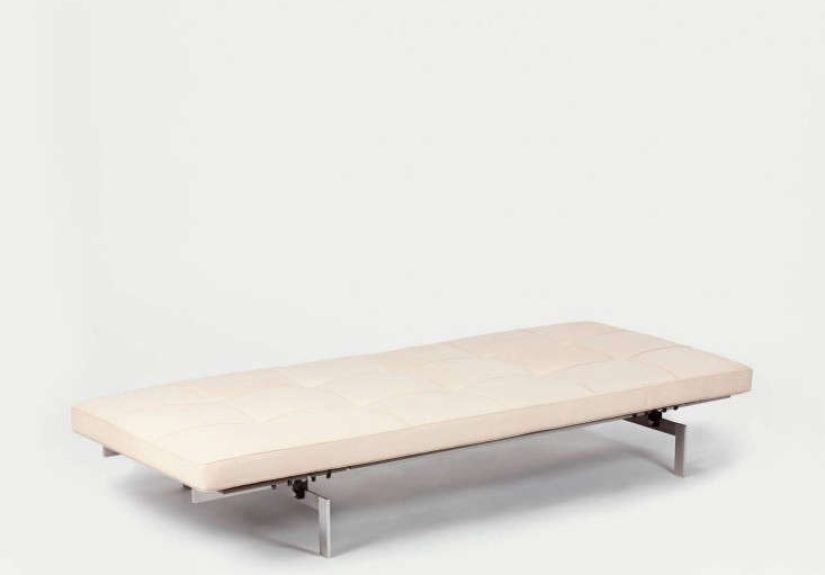
The PK80 is often called a daybed, but it’s also a bench, a lounge platform, an architectural line drawing that somehow became furniture, and the cleanest
excuse you’ll ever have to put a “no shoes” rule in your home. Its silhouette is ultra-low (about 11.8 inches tall) and generously scaled (about 74.8 inches
long by 31.5 inches deep), which makes it feel grounded and modern without trying too hard.
The form draws inspiration from Bauhaus-era ideas (and, by extension, even older lounge traditions), but Kjærholm distilled those references until only the
essentials remained: a long upholstered mattress-like cushion on a steel frame. It’s the kind of piece that looks simple until you try to design something
“simple” yourself and accidentally invent a rectangle with legs.
The Design Story: Why Poul Kjærholm Still Matters
Kjærholm is famous for treating steel like a “warm” materialsomething with character, not just industrial coldness. That philosophy shows up
everywhere in the PK80. The steel base is not decorative; it’s structural and honest. The cushion isn’t over-styled; it’s a clean, tailored volume that lets
the leather do what good leather does: look better as it lives.
A Museum-Level Resume (Without Being Precious)
The PK80 has been recognized as a design icon in serious spaces (including museum contexts), but it isn’t fussy. It’s meant to be usedsat on, lounged on,
styled with a throw, and occasionally admired while you pretend you’re the kind of person who reads art books “for fun.”
Materials & Construction: Where the Money Actually Goes
High-end design can be a lot of marketing fluff. The PK80 is refreshingly straightforward: it earns its price through materials, build quality, and
longevity-focused construction.
Satin-Brushed Stainless Steel Base
The base is satin-brushed stainless steel, which gives a soft, matte shimmer instead of a mirror flash. In daylight, it reads calm and architectural; at night,
it catches just enough light to look intentional. Stainless steel also holds up well over time, especially compared to plated finishes that can pit, chip, or
get weird around the edges.
Painted Plywood Bedplate + Cushion Core
The upholstered top sits on a painted plywood bedplate. Inside the cushion, you’ll find a comfort structure designed for resiliencecommonly described as
granulated foam paired with Hairlok (a fiber-and-latex blend used to keep shape and support over years of use). Translation: this isn’t the kind of cushion that
collapses into a sad pancake after one season of “quick sits.”
Natural Leather: What It Means (And Why It’s Not for Everyone)
“Natural Leather” sounds like marketing until you learn what it actually implies in the Fritz Hansen universe. This isn’t “brown leather.” It’s typically an
undyed, vegetable-tanned leather with minimal surface treatment. That means it arrives with a pale, organic tone and an honest surfacenatural
markings includedthen darkens and develops patina over time.
Patina: The Feature That Looks Like a Flaw (Until It’s Gorgeous)
Natural Leather is made to change. It will deepen in color with light exposure and use. It will show the story of living: subtle shading, gentle wear, and
that “this is mine” look you can’t fake with a brand-new finish. If your dream daybed must look identical on day 1, day 500, and day 5,000… Natural Leather
may stress you out. If you like materials that evolve, you’ll love it.
The Honest Downsides
- It stains more easily than protected leathers. Light, untreated leather is basically a magnet for “oops.”
- It reacts to sunlight. Expect darkening and tonal shift if it sits in bright sun daily.
- It shows life. That includes jeans dye transfer, small scratches, and natural marks in the hide.
None of this is a defect. It’s the point. But it’s still worth saying out loud: Natural Leather is a personality type.
Comfort & Use: Is the PK80 Actually Comfortable?
The PK80 is comfortable in a “lounge platform” way, not a “sink in and forget your responsibilities” sectional way. It’s supportive, stable, and wide enough
to stretch out. The very low height makes it feel grounded and modern, but it also changes how you use it: you don’t perch on it like a tall benchyou
settle onto it.
Real-World Ways People Use It
- Entry statement piece: If your hallway is wide enough, it becomes functional art (and the best place to lace shoesif you allow shoes).
- Living room “third zone” seating: Not a sofa, not a chairperfect for casual lounging, reading, or hosting.
- Bedroom bench alternative: At the foot of a bed, it delivers hotel energy without looking like a generic upholstered bench.
- Office or studio anchor: In creative spaces, it reads like an intentional design decision, not leftover seating.
Can it function as a nap spot? Yes. A guest bed? In a pinch, for a minimalist guest who doesn’t mind firm, low, and ultra-modern. But it’s best understood as
a luxury daybed/bench hybriddesigned for lounging first.
Styling the PK80: How to Make It Look Incredible (Without Trying Too Hard)
The PK80 is visually quiet, which means it can flex in a lot of aesthetics. The trick is to style with intention, not clutter. Think: one or two strong moves,
not a parade of throw pillows.
1) Minimalist, Gallery-Clean
Let Natural Leather be the star. Pair it with a simple wool throw (one color, no busy pattern), a low table with clean lines, and a single oversized artwork.
Keep the palette calm: soft whites, warm grays, black accents, stainless or brushed metals.
2) Warm Modern (The “I Have Taste, Not Time” Look)
Add warmth around the steel: oak flooring, walnut side tables, textured rugs, linen drapery. Natural Leather shines here because it bridges warm wood tones
and modern metals like it was born to do exactly that (because… it kind of was).
3) High-Contrast Modern Classic
If your space leans bold, place the PK80 against deep paint (ink navy, charcoal, olive). The lightness of Natural Leather pops, and the stainless base keeps
it sharp. One caution: with high contrast, stains become more visually noticeableso plan your lifestyle accordingly.
Care & Maintenance: Keeping Natural Leather Beautiful
Natural Leather is low-drama if you follow a few habits. The goal is to keep dust and grit from becoming “sandpaper,” and to avoid aggressive cleaning that
creates light spots or uneven tone.
Weekly: Gentle Maintenance
- Vacuum lightly with a soft brush attachment to remove dust from open-pore leather.
- Wipe the stainless steel base with a microfiber cloth to prevent buildup and streaking.
Spills: What to Do (and What Not to Do)
- Do: Blot immediately with a clean, dry cloth. Calm, fast, gentle.
- Don’t: Spot-scrub aggressively. That can create discoloration halos on untreated leather.
- Do: If deeper cleaning is needed, follow brand-specific leather care guidance and test in an inconspicuous area first.
Sunlight & Placement
Natural (undyed) leathers darken with light exposure. If you place the PK80 in strong sun, consider rotating accessories (throws, cushions) so the surface
tones develop more evenlyor accept that it will age like a well-traveled passport: uneven, authentic, and interesting.
Buying Tips: Authenticity, Lead Times, and the “Why Is It So Expensive?” Question
The PK80 is often made to order, and lead times can be significant. That’s normal for a heritage design built with premium materials and specific upholstery
options. Pricing can also vary by retailer and leather grade, so comparing listings is less about “finding a deal” and more about confirming you’re getting the
correct upholstery, base finish, and service level (delivery, placement, packaging removal, and warranty handling).
Look for These Details When Shopping
- Upholstery name: “Natural Leather” (not just “tan” or “beige leather”).
- Base finish: Satin-brushed stainless steel (the classic look).
- Dimensions: Around 74.8″ x 31.5″ x 11.8″ (so you can plan the space correctly).
- Warranty: Confirm the manufacturer warranty terms through the authorized seller.
- Delivery: White-glove/inside delivery is often worth it for a large, premium piece.
New vs. Vintage
Vintage PK80 listings exist, and they can be amazingespecially if you love patina and history. But be mindful: condition varies, leather wear may be uneven,
and restoration can be costly. Buying new gives you predictable materials, a clean starting point for patina, and warranty coverage.
Is the PK80 “Worth It?” A Practical Value Check
“Worth it” depends on what you value. If you want maximum softness-per-dollar, you’ll find plenty of plush options for far less. The PK80’s value is different:
it’s a long-term design object made from materials that age well, in a form that doesn’t chase trends. You’re paying for an iconic silhouette, premium leather,
a stainless base that’s built to last, and the kind of workmanship that still makes sense 30 years from now.
Who the PK80 is perfect for
- People who love minimalist, architectural furniture.
- Homes where materials (leather, steel, wood) matter as much as shape.
- Anyone who appreciates patina as a feature, not a problem.
- Spaces that need a sculptural anchor without visual clutter.
Who should think twice
- Households that fear stains like they’re horror-movie villains.
- Anyone who wants a super-soft, sink-in lounge experience.
- People who prefer protected leather that stays uniform forever.
FAQ
Is “Natural Leather” durable?
It’s high quality and designed to last, but it’s also more sensitive than heavily finished leathers. Durability here means “ages beautifully,” not “shrugs off
every spill with zero evidence.”
Will the color change a lot?
Yesexpect darkening and patina over time, especially with sunlight exposure and regular use. That’s part of the appeal.
Is the PK80 meant for sleeping?
It can handle naps and occasional lounging, but it’s best treated as a daybed/bench for seating and relaxation rather than a primary bed.
Conclusion: The Quiet Flex of Danish Design
The Fritz Hansen PK80 Daybed in Natural Leather is not a “look at me” piece. It’s a “look closer” piece. It rewards attention: the calm steel
geometry, the tailored upholstery, and the leather that slowly tells your home’s story through patina. It’s functional enough to use daily and iconic enough to
feel like you collected it rather than just bought it.
If you want a daybed that behaves like a sculpture and a sculpture that behaves like furniture, the PK80 is in a league of its own. Just promise it one thing:
you’ll let the leather live. Because Natural Leather doesn’t want to stay pristineit wants to become yours.
Experiences: Living With the PK80 Daybed in Natural Leather (The Real-World Part)
Owning the PK80 in Natural Leather tends to change how you treat a room. Not in a “now I’m fancy” waymore like a “why does everything else suddenly look
chaotic?” way. The daybed’s calm geometry becomes a visual reset button. People often notice it immediately, but the funny part is how quickly it becomes the
most used “non-sofa” in the house. Someone drops a bag near it, then sits for “one second,” then somehow ends up scrolling or reading for twenty minutes.
The first weeks with Natural Leather are a little like adopting a very beautiful, slightly high-maintenance pet. You admire it constantly. You also become
hyper-aware of denim, coffee, and the concept of “hands that were just holding a snack.” Many owners end up developing a simple routine: a light vacuum with a
soft brush attachment once a week, a quick wipe of the steel, and a general rule that if you’re eating spaghetti, you can enjoy the PK80 from across the room.
Then something interesting happens: the leather starts to shift. Not overnight, but graduallyespecially where the light hits it most. Natural Leather deepens
in tone and gains warmth, and you begin to realize the piece isn’t “changing” so much as “settling in.” Small marks that would feel alarming on a glossy,
protected leather start to read differently here. They look like proof of authenticity, the same way a well-loved wooden cutting board looks better than one
that’s never done any work.
In daily use, the PK80 often becomes a flexible zone: a place to sit while talking on the phone, a landing strip for a throw blanket, a stage for a book stack
(tastefully limitedno one needs a 17-book pyramid), and a surprisingly good spot for stretching. Because it’s low and stable, it feels secure, and the wide
surface makes it easy to lounge without feeling like you’re about to roll off. If you add one firm cushion or a lumbar pillow, it turns into a serious reading
spot. People who work from home sometimes use it as a “break chair” to get away from the desk without leaving the room, which is basically the adult version
of moving your homework to the couch for motivation.
Guests react in two phases. Phase one: admiration (“That is gorgeous.”). Phase two: curiosity (“Can I sit on it?”). After that, it’s usually overthey sit,
they get comfortable, and you can tell they’re mentally rearranging their own homes. The PK80’s secret talent is making a space feel intentional. It doesn’t
demand matching furniture. It just demands that the rest of the room stop yelling.
The most satisfying long-term experience is watching the Natural Leather become richer over time. It’s not the right choice for someone chasing perfection.
But for people who like materials that maturelike wood that deepens, brass that softens, or leather that tells the truththe PK80 becomes more personal every
year. It’s not just a daybed. It’s a timeline you can sit on.