
Table of Contents >> Show >> Hide
- What Is Chair One?
- The Designer Behind the Chair: Konstantin Grcic
- Why Chair One Looks So Different
- Materials and Construction
- Comfort: Is Chair One Actually Nice to Sit On?
- Where Chair One Works Best
- Design Analysis: Why Chair One Became an Icon
- Chair One and the Power of Negative Space
- How to Style Chair One at Home
- Buying Considerations
- Chair One Compared With Ordinary Chairs
- Why Chair One Still Feels Fresh
- Experience Notes: Living With Furniture Like Chair One
- Conclusion
Some chairs politely ask to be noticed. Chair One by Konstantin Grcic kicks open the door, throws a geometric shadow across the floor, and says, “Yes, I am a chair. Please stop looking so confused.” Designed for Magis, Chair One is one of those rare pieces of modern furniture that looks both futuristic and ancient, like something discovered in a spacecraft parked beside a Roman ruin.
At first glance, Chair One seems almost too open to be functional. Its seat and back are made from angular aluminum planes, leaving generous negative spaces where most chairs would put solid material. Yet that is precisely the point. This is not a chair trying to hide its engineering. It turns structure into style, material into attitude, and empty space into part of the design. In a world full of soft upholstery and predictable dining chairs, Chair One arrives wearing an architectural exoskeleton.
For homeowners, collectors, architects, and design lovers, Chair One is more than a place to sit. It is a conversation starter, a lesson in industrial design, and a reminder that furniture can be useful without being boring. It can live indoors or outdoors, blend into a minimalist room, sharpen a patio, or bring gallery energy to a dining table. It is not cozy in the “grandma’s reading chair” sense, but it has a different charm: bold, precise, and slightly mischievous.
What Is Chair One?
Chair One is a stackable aluminum chair designed by German industrial designer Konstantin Grcic for the Italian design company Magis. The chair is known for its die-cast aluminum shell, triangular geometry, open structure, and sculptural silhouette. Depending on the version, it may come with aluminum legs, a concrete base, a swivel base, or related configurations within the Chair One family.
The most recognizable version features a seat made from intersecting flat aluminum elements. These pieces form a three-dimensional mesh that supports the body while leaving dramatic open gaps. The result looks like a chair drawn with a ruler by someone who had a very strong coffee and a very clear idea.
Unlike many statement chairs that behave like delicate museum pets, Chair One was made for real use. It is suitable for outdoor settings, flame-retardant, and often available with cushions for added comfort. That combination of visual drama and everyday practicality is one reason the chair has stayed relevant for more than two decades.
The Designer Behind the Chair: Konstantin Grcic
Konstantin Grcic was born in Munich in 1965 and trained first as a cabinet maker before studying design at the Royal College of Art in London. That background matters. Chair One may look digital, but it is not just a software fantasy. It carries the logic of someone who understands materials, tools, joints, weight, and how objects behave when humans actually use them.
Grcic is often associated with rigorous, stripped-down industrial design. His work avoids decorative fluff, but it is not cold. There is humor in the way his objects challenge expectations. Chair One is a perfect example. It takes a familiar furniture type, the chair, and removes so much visual mass that you may wonder whether the sitter needs to sign a waiver. Then you sit, and the joke is on your doubt.
His design language often explores structure, technology, and function. Instead of making objects look friendly through curves and padding, Grcic makes them honest. Chair One shows how a product can be severe and playful at the same time. It is angular, but not angry. Technical, but not soulless. Minimal, but definitely not quiet.
Why Chair One Looks So Different
The magic of Chair One lies in subtraction. Many chairs are designed by adding: more cushion, more fabric, more curve, more decorative detail. Chair One works the opposite way. It removes material until the remaining structure becomes both the support and the visual identity.
The seat shell is often compared to the construction of a soccer ball, where flat planes meet at angles to create a three-dimensional form. That comparison helps explain why the chair feels both mathematical and surprisingly organic. It is not a random collection of triangles. The geometry has a job. Each plane contributes to strength, shape, and comfort.
Negative space is the chair’s secret ingredient. The holes are not leftovers; they are design decisions. They allow light to pass through, reduce visual heaviness, and create changing patterns depending on where the chair is placed. In bright sunlight, Chair One can cast shadows that look like modern art got bored and wandered across the patio.
Materials and Construction
Chair One’s signature shell is made from die-cast aluminum, a manufacturing process that allows molten metal to be forced into a mold under pressure. This process is ideal for complex shapes that need strength and repeatable precision. For Chair One, die casting made it possible to produce a shell that would have been difficult, if not impossible, through traditional chair-making methods.
The aluminum seat is typically treated and finished with polyester powder coating. Many versions use anodized or painted aluminum legs. The surface treatment helps make the chair suitable for outdoor use, which is important because Chair One looks especially good in open-air settings. Put it on a terrace, near a pool, or in a garden courtyard, and suddenly the patio starts acting like it studied architecture in Milan.
The chair’s material honesty is part of its appeal. It does not pretend to be wood. It does not disguise itself as upholstery. It says, “I am aluminum, I was made through industrial technology, and I am not apologizing for it.” That confidence gives Chair One its lasting modernity.
Comfort: Is Chair One Actually Nice to Sit On?
This is the question everyone asks, usually while circling the chair like it might bite. The honest answer is: yes, Chair One is more comfortable than it looks, but it is not a plush lounge chair. It is a dining, café, patio, and statement chair. It supports the body through carefully angled planes rather than soft padding.
For short to medium sitting sessions, Chair One performs well. The shell geometry gives support in the right places, and the chair feels stable despite its open appearance. For long dinners, extended work sessions, or anyone who prefers extra softness, a cushion is a smart addition. Magis and retailers often offer cushion options, including indoor and outdoor versions.
Think of Chair One like a beautifully tailored jacket rather than a fleece blanket. It is structured, sharp, and surprisingly wearable, but it is not trying to be a nap zone. Used in the right context, it delivers both comfort and visual impact.
Where Chair One Works Best
Modern Dining Rooms
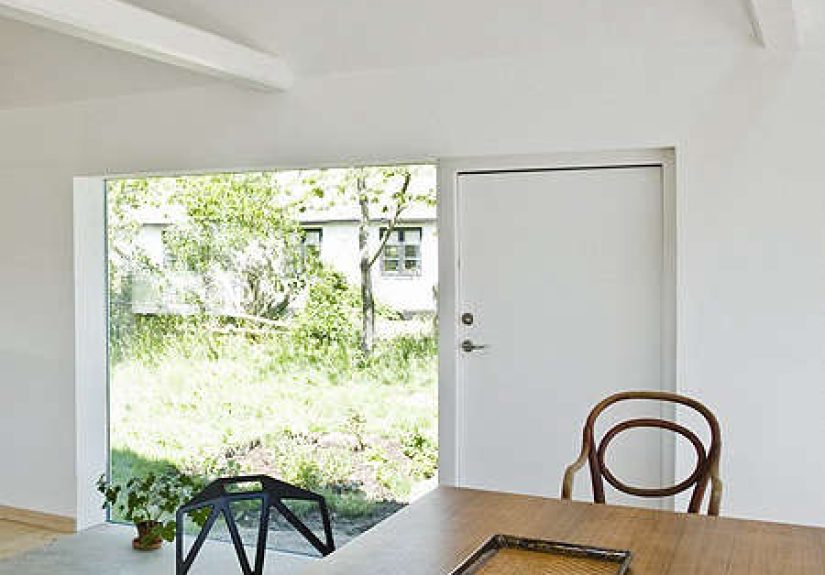
Chair One can transform a dining room from “nice table, normal chairs” into “someone here reads design magazines and may own excellent espresso cups.” Around a simple wood table, it creates contrast. Around a glass or metal table, it amplifies the modern mood. In a white room, black Chair One chairs add graphic punch. In a warm interior, aluminum versions bring tension and balance.
Outdoor Patios and Terraces
Because Chair One is suitable for outdoor use, it is a natural fit for patios, balconies, gardens, and hospitality spaces. Its open structure keeps it from looking bulky outdoors. Rain, sunlight, and changing shadows become part of the experience. A row of Chair One chairs around an outdoor table looks crisp without feeling corporate.
Cafés, Hotels, and Restaurants
Hospitality designers love furniture that is durable, recognizable, and photogenic. Chair One checks all three boxes. It stacks, it resists visual boredom, and it makes a space memorable. In a café, it can give a simple setting instant personality. In a hotel courtyard, it adds international design credibility without needing a giant sign that says, “We are tasteful.”
Creative Offices and Studios
Chair One also works in studios, meeting areas, and creative offices. It communicates experimentation without turning the room into a furniture showroom. Used sparingly, it can become an accent piece. Used in multiples, it creates a strong identity. Just be prepared for visitors to ask about it before they ask about your business plan.
Design Analysis: Why Chair One Became an Icon
Chair One became iconic because it solved a difficult design problem with a strong, memorable answer. It did not simply make a chair look unusual. It used a manufacturing process, die-cast aluminum, to create a form that expressed the logic of that process. That is the difference between novelty and design intelligence.
Many unusual chairs age badly because their weirdness is cosmetic. Chair One’s weirdness is structural. The angular mesh is not decoration glued onto a normal chair; it is the chair. This gives the object integrity. Even if you dislike the look, you can understand why it exists.
The chair also arrived at a moment when digital modeling, industrial production, and experimental furniture were reshaping design culture. It looked like the future without needing glossy plastic or science-fiction clichés. More importantly, it could be produced, sold, stacked, shipped, and used. That made it radical but not imaginary.
Chair One and the Power of Negative Space
Negative space is one of the most important concepts in modern design. It is the area that is left open, blank, or empty. In Chair One, negative space does not simply reduce weight; it creates identity. The gaps define the chair as much as the aluminum does.
This is why Chair One photographs so well. From one angle, it appears dense and sculptural. From another, it nearly disappears into a lattice of lines. Light passes through it. Shadows shift beneath it. The chair changes depending on its environment, which makes it more dynamic than a solid block of material.
For interior design, that openness is useful. A heavy chair can make a small room feel crowded. Chair One has a strong personality, but because much of its volume is empty, it can feel lighter than expected. It occupies attention more than space, which is a neat trick for a chair that looks like it was designed by a very stylish geometry teacher.
How to Style Chair One at Home
The easiest way to style Chair One is to let it breathe. Do not bury it under clutter. This chair likes clean lines, open space, and materials that can hold their own. Pair it with concrete, stone, glass, steel, oak, walnut, or simple outdoor surfaces. It does not need a busy rug, a dramatic wallpaper, and fourteen throw pillows shouting at it from across the room.
For a dining room, use Chair One around a simple rectangular or round table. If the room feels too cold, soften it with wood flooring, warm lighting, ceramic tableware, or textured curtains. If the room feels too traditional, Chair One can act as the modern interruption that makes everything more interesting.
For outdoor styling, combine the chair with planters, natural stone, gravel, or a minimalist dining table. Greenery looks especially good against the chair’s angular frame. Plants bring softness; Chair One brings structure. Together they create a balanced scene, like nature and engineering agreed to behave at dinner.
Buying Considerations
Before buying Chair One, consider how you plan to use it. If it will be a daily dining chair, test the comfort or plan for cushions. If it will be used outdoors, confirm that the finish and cushion selection are appropriate for exterior conditions. If stacking matters, choose the stacking version rather than a heavier sculptural base.
Also think about visual commitment. Chair One is not invisible furniture. It has presence. One chair can work as an accent in a bedroom, entry, or office corner. A set of four or six creates a much stronger design statement. That can be fantastic, but only if the rest of the space is ready for it.
Authenticity matters, too. Because Chair One is a recognized design piece, buyers should purchase through reputable retailers or authorized dealers. Copies may look similar in photos but often miss the quality, finish, proportions, and engineering that make the original successful.
Chair One Compared With Ordinary Chairs
An ordinary chair usually disappears into the background. That is not a criticism; sometimes that is exactly what a room needs. But Chair One does not disappear. It edits the room around itself. It makes a plain table look more intentional and a patio feel more designed.
Compared with molded plastic chairs, Chair One feels more architectural. Compared with upholstered chairs, it feels lighter and sharper. Compared with classic wooden chairs, it feels industrial and experimental. It is not better in every situation, but it is more expressive than most.
The real comparison is not between comfort and style, but between passive furniture and active furniture. Chair One actively contributes to the mood of a space. It says something about technology, geometry, and taste. It also says you are not afraid of a chair with elbows.
Why Chair One Still Feels Fresh
Many early-2000s design objects now look trapped in their decade. Chair One does not. Its survival comes from clarity. The concept is simple enough to remain understandable: create a chair from a structural aluminum mesh of angled planes. The execution is complex, but the idea is direct.
Its material also helps. Aluminum, powder coating, and geometric structure do not depend on passing décor trends. The chair can look at home in minimalism, industrial design, contemporary outdoor spaces, and even eclectic interiors. It is bold, but not tied to a single color trend or lifestyle cliché.
Chair One still feels current because it anticipated many things people now value: durability, indoor-outdoor flexibility, sculptural furniture, visible structure, and objects with strong design stories. It is not just a chair you buy. It is a chair you explain, admire, use, and occasionally stare at while wondering whether your dining room is cool enough for it.
Experience Notes: Living With Furniture Like Chair One
Spending time with a chair like Chair One changes how you notice furniture. At first, the attraction is visual. You see the angles, the cutouts, the aluminum, the almost skeletal frame. It feels like a design object before it feels like a household item. But after a while, the more interesting experience is how it behaves in everyday life.
In a dining space, Chair One encourages a cleaner table setting. A fussy tablecloth or overly ornate centerpiece can feel out of place beside it. The chair quietly pushes the room toward discipline. Suddenly, you choose simpler plates, better lighting, and maybe remove the random pile of mail that has been “temporarily” sitting on the table since last Tuesday. Chair One does not judge, but it does raise the standard.
Outdoors, the experience is different. The chair feels less like a precious design object and more like a piece of landscape architecture. Morning light filters through the openings. Afternoon shadows make patterns on the ground. After rain, the open shell does not hold water the way a deep solid seat might. On a terrace, it can look dramatic without feeling heavy. This is where the chair’s strange geometry becomes surprisingly practical.
Guests usually react quickly. Some love it immediately. Others ask whether it is comfortable, which is polite language for “Am I about to sit on a stylish cheese grater?” The pleasant surprise is that the chair supports better than expected. Add a cushion, and the skepticism usually drops by dessert. The chair becomes less intimidating once people experience it as furniture rather than sculpture.
Chair One also teaches a useful lesson about statement pieces: they work best when given room to be themselves. If every object in a room is shouting, the space becomes exhausting. But one strong chair, lamp, or table can make the entire room feel more intentional. Chair One has enough personality for a full furniture cast. It does not need backup dancers.
For homeowners who enjoy design but still want livable spaces, Chair One is a good reminder that bold furniture does not have to be impractical. It can be stackable, outdoor-ready, durable, and visually exciting at the same time. The trick is placement. Use it where people can appreciate its silhouette, touch its material, and understand why it was chosen.
The best experience related to Chair One is the moment it stops being “that famous design chair” and becomes part of daily life. It holds a jacket. It waits beside a breakfast table. It sits on a balcony during a quiet evening. It becomes familiar, but never invisible. That is rare. Most furniture either performs well or looks memorable. Chair One manages to do both while looking like it was assembled from lightning bolts.
Conclusion
Furniture: Chair One by Konstantin Grcic is a story about courage in design. It proves that a chair can be industrial and poetic, sharp and usable, technical and full of character. With its die-cast aluminum shell, angular geometry, outdoor capability, and unmistakable silhouette, Chair One has earned its place among the most recognizable contemporary chairs.
It may not be the chair for every room or every person, and that is part of its strength. Great design does not always whisper. Sometimes it arrives as a three-dimensional aluminum argument and wins you over one angle at a time. Chair One remains important because it does what iconic furniture should do: it changes how we see an ordinary object. After meeting it, a chair is no longer just a chair. It can be structure, shadow, technology, sculpture, and yes, a surprisingly decent place to sit.





 Close
Close