
Table of Contents >> Show >> Hide
- What Is a Gadget Cache (and Why Do People Drive Hours for One)?
- The “Disneyland of Geocaching” Effect: Why Cache Clusters Matter
- Plan the Trip Like a Maker (Not Like a Spreadsheet)
- Build Your “Gadget Cache” Car Kit: Tools of the Trade
- How to Solve Gadget Caches Without Becoming “That Person”
- Common Gadget Cache Styles You Might Encounter
- Make It a Road Trip, Not a Speedrun
- Want to Build Your Own Gadget Cache Someday? Start Small and Build Tough
- Bonus: A 500-Word Gadget Cache Road Trip “Experience Diary”
- Final Thoughts
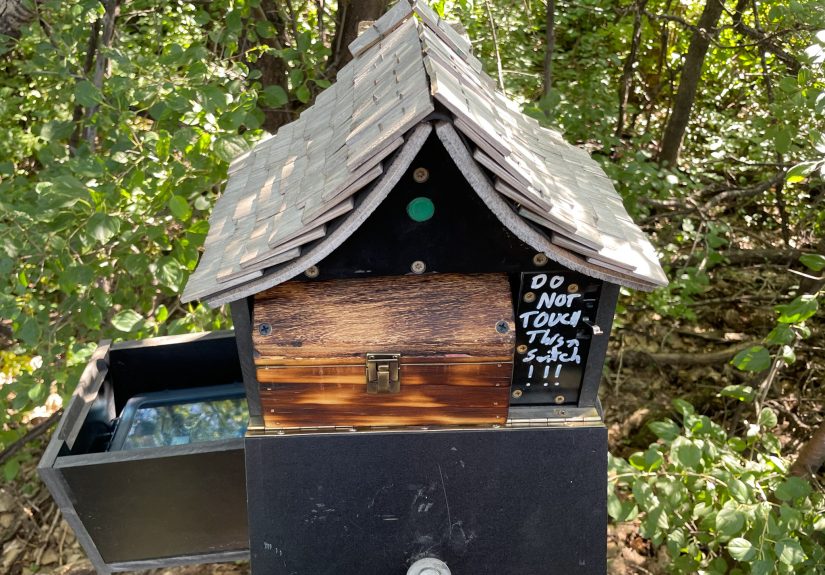
Some people road-trip for barbecue. Some chase national parks. And some of us? We willingly drive across wide-open
country to press mysterious buttons on a wooden contraption in a windbreak, because a tiny logbook is hiding behind a
puzzle that looks like it escaped from a mad scientist’s county fair booth.
Welcome to the gadget cache road trip: part scavenger hunt, part maker showcase, part “wait… why is
this padlock blinking?” If you’ve ever wished geocaching felt more like an escape room that fell off a pickup truck
and landed in the outdoors, gadget caches are your love language. And if you’ve ever wanted a travel plan that
justifies packing a multimeter and a snack cooler, you’re in the right place.
What Is a Gadget Cache (and Why Do People Drive Hours for One)?
In regular geocaching, you navigate to coordinates, find a container, sign the log, and maybe trade a trinket.
A gadget cache levels up the container itself. The “box” becomes the puzzle: levers, magnets,
combinations, hidden switches, mechanical misdirection, or electronics that require you to crack the logic before you
can even touch the logbook.
The appeal is simple: gadget caches feel like a maker project you can play. They’re interactive, surprising,
and often hilariously over-engineered (said with love). One moment you’re decoding a clue; the next you’re realizing
you should’ve brought a mirror… or patience… or a third hand.
The “Disneyland of Geocaching” Effect: Why Cache Clusters Matter
Gadget caches are rarer than traditional caches because they take serious time to build and maintain. So when a
creative cache owner places a bunch of them in one area, the result becomes a destinationlike a mini theme park for
puzzle-loving geocachers.
That’s why certain regions earn near-mythic status among cachers: you can plan a weekend where nearly every stop is
a unique contraption instead of “another film can under another bench.” Clusters also mean less driving between
solves, more time to enjoy the puzzles, and a higher chance you’ll run into fellow gadget-cache nerds comparing notes
like, “Did you try pushing the thing that looks like it shouldn’t be pushed?”
Plan the Trip Like a Maker (Not Like a Spreadsheet)
1) Choose your target style: puzzles, tech, or pure silliness
Not all gadget caches feel the same. Some are mechanical (gears, latches, hidden releases). Some are electronic
(LED displays, sensors, keypad logic). Some are basically prank engineering: you’ll laugh, then immediately respect
the builder’s audacity.
Before you go, scan cache descriptions and logs. Look for hints like “field puzzle,” “special mechanism,” “bring
patience,” or “tools of the trade.” If your goal is a road trip that’s more “interactive build” than “hike,” filter
by difficulty/terrain that matches your group.
2) Route for smiles, not miles
A smart gadget-cache route has three layers:
- Anchor stops: the must-do gadget caches that inspired the trip.
- Buffer caches: easier finds nearby (great for momentum, kids, or “we need a win”).
- Scenic resets: viewpoints, short trails, or lunch spots so your brain doesn’t melt from puzzles.
Build your day around energy levels. Gadget caches can take time, especially if you’re stubborn (or if the cache is
stubborn back). Planning fewer “big puzzles” per day can actually lead to more funand fewer late-night car arguments
about which switch was touched first.
3) Expect dead zones: offline maps and old-school backups
Rural routes and park roads can get spotty fast. Download offline map areas ahead of time, screenshot key cache
pages/hints, and keep a simple written list of coordinates. This isn’t “being paranoid”this is “being the hero who
still knows where to go when the phone decides it’s on strike.”
4) Let weather and safety systems do the nagging
Weather changes are part of the adventure, but surprise storms aren’t cute. Use official alert systems and check
conditions before long stretches. If your trip crosses badlands, open prairie, or winter roads, plan like you’ll
lose an hour to wind, mud, or “why is the visibility doing that?”
Build Your “Gadget Cache” Car Kit: Tools of the Trade
Geocachers have a nickname for their go-to gear: TOTT (Tools Of The Trade). For gadget-cache road
trips, TOTT is where “prepared” meets “pleasantly unhinged.” The key is not packing everythingit’s packing the
right things, organized so you can actually find them.
Navigation & logging essentials
- Primary nav: phone with offline maps + geocaching app.
- Backup nav: a dedicated GPS unit (optional), or printed/screenshot coordinates.
- Logging kit: a reliable pen, a spare pen, and a tiny notebook. (Pens vanish. It’s science.)
Lighting: because puzzles love shadows
- Headlamp (hands-free = sanity)
- Small flashlight with a focused beam
- Mini inspection mirror (the MVP of “I can’t see behind that”)
Power: keep devices alive without making your car smell like melted plastic
- Car charger + a known-good cable (and a spare)
- Power bank for long days
- Label your cables (future-you will thank you loudly)
- Use compatible chargers for your devices and avoid sketchy off-brand surprises
Pro tip: store power banks and batteries out of direct sun and extreme heat. A road trip is not the time for your
gear to audition for a “thermal runaway” headline.
Micro tools for macro victories
- Tweezers (for tiny logs and tiny components)
- A small multi-tool (nothing dramaticjust practical)
- Zip ties, electrical tape, and a couple rubber bands (field engineering’s greatest hits)
- A compact precision driver kit if you’re the “I can fix it” friend
Comfort & safety: the unsexy stuff that saves the trip
A gadget-cache trip often means rural roads, longer distances between services, and lots of getting in/out of the car.
Pack like someone responsible who still knows how to have fun:
- Water and snacks (hanger ruins puzzles)
- Basic first aid supplies
- Blanket or warm layer (even in “nice weather,” because weather loves plot twists)
- Flashlight and spare batteries in the vehicle kit
How to Solve Gadget Caches Without Becoming “That Person”
Respect the build (and don’t brute-force your way to glory)
Gadget caches are often handcrafted and maintained by one person. If something feels stuck, assume it’s a puzzle,
not a wrestling match. Gentle exploration beats “let’s yank harder” every time. If you think it’s broken, log it
appropriately and move ondon’t “fix” it unless the owner specifically asks.
Trade swag the right way
If you take a swag item, leave something of equal or greater value. Keep trades family-friendly and weather-resistant.
If you find a trackable, treat it like a traveler with a mission: move it along rather than keeping it as a souvenir.
Leave No Trace applies to geocaching too
Stay on durable surfaces when you can, minimize damage to vegetation, pack out trash, and avoid creating obvious
“social trails.” Geocaching is more fun when the outdoors stays… outdoorsy.
Common Gadget Cache Styles You Might Encounter
Part of the joy is novelty, but certain “genres” pop up often enough that it helps to recognize them:
Mechanical puzzles
- Cryptex-style locks: align letters or symbols to open a cylinder.
- Magnetic releases: hidden magnets, sliding latches, or “move the field, move the lock.”
- Counting/observational puzzles: find digits by counting features on the device (and yes, you will recount).
Electronic puzzles
- LED / 7-segment displays: enter the right sequence and the code appears.
- Switch logic: the classic “why are there so many toggles?” moment.
- Education-based puzzles: resistor color codes, simple circuits, or pattern recognition.
Physical interaction puzzles
- Strength/skill games: fair-style challenges where precision matters more than brute force.
- Generate power: hand cranks, dynamos, or “make electricity to earn the opening.”
- Air/water interaction: blow, pressurize, or float a mechanism into place.
These caches are why people travel: each one feels like a tiny interactive exhibit. You’re not just “finding a thing.”
You’re playing a maker’s idea.
Make It a Road Trip, Not a Speedrun
Here’s the secret sauce: the best gadget-cache trips aren’t about maximizing finds. They’re about maximizing stories.
Build in time for:
- Scenic breaks (viewpoints, short trails, weird roadside attractions)
- Cache friendships (you’ll meet people who drove just as far for the same blinking lock)
- Maker inspiration (take photos of mechanisms, not spoilers; jot ideas for your own builds)
And please, for the love of all that is calibrated: keep phones put away while driving. Your next gadget cache is
not worth becoming a cautionary tale.
Want to Build Your Own Gadget Cache Someday? Start Small and Build Tough
If a gadget-cache road trip flips the “I want to make one” switch in your brain, excellent. Start with a simple
mechanism and focus on durability. Gadget caches live outdoors, which means they face rain, dust, heat, cold, curious
animals, and humans who will definitely press the wrong button first.
Builder checklist (the boring stuff that makes the fun work)
- Weatherproofing: protect electronics and moving parts from moisture and grit.
- Maintainability: plan how you’ll service it without disassembling the universe.
- Fail-safe design: if something glitches, you can reset or access it without destroying the cache.
- Clear instructions: enough guidance to prevent damage, but not so much that the puzzle evaporates.
- Safety first: avoid sharp edges, pinch points, and anything that encourages risky behavior.
The goal is a cache that stays delightful on its 500th visitor, not just its first.
Bonus: A 500-Word Gadget Cache Road Trip “Experience Diary”
Here’s what a gadget-cache road trip can feel likean example travel vignette to capture the vibe, not a literal
itinerary you must follow.
The day starts with coffee and optimistic confidencethe kind you only have before your first puzzle humbles you.
You toss your “gadget cache kit” in the trunk: headlamp, mirror, backup batteries, a power bank, and a small pouch
of TOTT that makes you feel like a wilderness electrician. The GPS voice announces turns like it’s leading you to a
treasure vault, and in a way, it is.
Your first stop is a “warm-up” cachestill clever, but friendly. You spot the container quickly, sign the log, and
your group celebrates like you just won a Nobel Prize in Being Outside. The second cache is where the trip becomes
a story. It’s a wooden box with too many moving parts, the kind of build that radiates “someone loved making this.”
You try the obvious latch. Nothing. You try the second obvious latch. Also nothing. Suddenly everyone is quiet,
staring with the concentration of surgeons defusing a burrito.
Then you notice it: a detail that doesn’t matchone piece that looks newer, smoother, slightly more touched. You
press it. A tiny click. The group collectively inhales. Another lever slides. A panel shifts. The lock pops open with
a satisfying thunk that feels like applause. You sign the logbook with a grin that probably looks ridiculous,
and you don’t care. This is why you drove out here.
By midday, the road trip rhythm is set. Drive. Laugh. Puzzle. Repeat. Someone becomes the “mirror specialist,”
crouching to peek behind panels like a cache mechanic. Someone else is the “note taker,” sketching quick diagrams so
you don’t keep trying the same wrong move. You learn to pack snacks within arm’s reach, because a hungry geocacher is
just a person making bad decisions with confidence.
Later, you hit a cache that requires patience more than brilliance. You test combinations, step back, reread the
clue, and finally realize you’ve been solving the wrong problem. The correct solution is so simple that it’s
infuriatingand the moment you get it, you laugh out loud. You start calling these “aha caches,” because you can
feel the exact second your brain catches up.
As the sun drops, you fit in one last finda small win before dinner. Back at the hotel (or campsite), you empty
pockets: a couple trinkets to trade, a tiny smudge of dirt on the headlamp, and a phone full of photos of mechanisms
you want to recreate at home. The trip doesn’t feel like “we found X caches.” It feels like “we played a series of
maker-built mini adventures,” each one different, each one proof that curiosity is a perfectly valid reason to hit
the road.
Final Thoughts
A gadget-cache road trip is one of the most joyful ways to combine making, exploring, and problem-solving. You’ll
see new landscapes, meet people who speak fluent “puzzle brain,” and collect stories that sound made up until you
show the photos of the contraption that required you to do something absurdly specific in the middle of nowhere.
Pack smart, drive safe, respect the builds, and leave the outdoors better than you found it. Then go chase that
blinking lock in the prairie like it owes you money.







 Close
Close