
Table of Contents >> Show >> Hide
If your group chat has suddenly turned into a nail-policy panic room, take a breath. The viral version of this story (“Europe banned gel nail polish!”) is catchy, dramatic, and only partially true. The real story is more specificand way more useful if you actually wear gel manicures.
Here’s the short version: Europe did not ban every gel manicure product. The European Union moved to prohibit TPO (Trimethylbenzoyl Diphenylphosphine Oxide), a chemical used in some nail products, under its cosmetics rules. That matters because TPO has been classified in the EU as a reproductive toxicant category 1B, which triggered a legal chain reaction in cosmetics regulation.
So should you be worried if you love gel polish? Not panicked. But informed? Absolutely. This is one of those “don’t throw out all your polish, but maybe read the label and stop getting mystery rashes” situations.
What Was Actually Banned in Europe?
The EU action is about TPO-containing cosmetic products, not gel nail polish as a category. TPO is a photoinitiator, which means it helps polish cure (harden) when exposed to a lamp. It has been used in some gel systems because it helps create that glossy, long-lasting finish everyone loves until removal day, when it suddenly becomes everyone’s enemy.
Under EU rules, once TPO’s classification as a CMR substance (carcinogenic, mutagenic, or toxic for reproduction) applied, it triggered a ban in cosmetics unless a formal exemption (derogation) was requested and approved. According to the European Commission’s Q&A, no such derogation was submitted for TPO before the rule took effect.
Another important detail: this is not just a “no new stock” rule. The EU clarified that from the effective date, products containing TPO cannot be placed on the market or made available in commercial activity. That means salons and nail technicians in the EU can’t keep using old TPO stock on clients just because they bought it before the deadline.
Why This Matters Beyond Europe
Even if you live in the United States, EU restrictions often push brands to reformulate globallyespecially big brands that don’t want one formula for Europe and another for everyone else. Sometimes the “Europe banned it” headline is the first time regular shoppers learn what’s in their nail products at all.
Translation: this is less about doom, more about transparency. The conversation it startedingredient safety, allergies, and salon practicesis worth having everywhere.
Should You Be Worried in the U.S.?
“Worried” is probably the wrong word. Think smartly cautious. Most people can get gel manicures without major problems, especially when products are used correctly and salons follow good hygiene and ventilation practices. But there are real risks that deserve more attention than they usually get on social media.
The main concerns aren’t all the same, either. Gel manicure risk is really a bundle of issues: chemical exposure, allergic reactions, UV lamp exposure, nail damage from repeated manicures, and salon hygiene. Let’s break them down without making your manicure appointment sound like a horror movie.
1) Chemical Allergies Are the Biggest “Real Life” Problem
For many people, the most common issue with gel nail products isn’t cancer panicit’s allergic contact dermatitis. Gel systems often contain acrylates and methacrylates, and these ingredients can trigger allergic reactions in some users.
Symptoms can include itching, redness, swelling around the nails, peeling skin, rash on the fingers, and sometimes reactions that show up in places you wouldn’t expect (like the eyelids or neck) because hands touch everything. Fun fact: your face is basically your hands’ most popular destination.
A PubMed-indexed study on acrylate-related nail cosmetic allergy found that most affected patients had a positive patch test to HEMA (2-hydroxyethyl methacrylate), and both consumers and professional nail stylists were represented. The study also noted that avoidance of acrylate-containing products led to complete clearing in many patients. That’s a strong reminder that a “small nail issue” can actually be a product allergy, not just dry skin.
2) UV/LED Nail Lamps Are a Risk, But the Story Is Nuanced
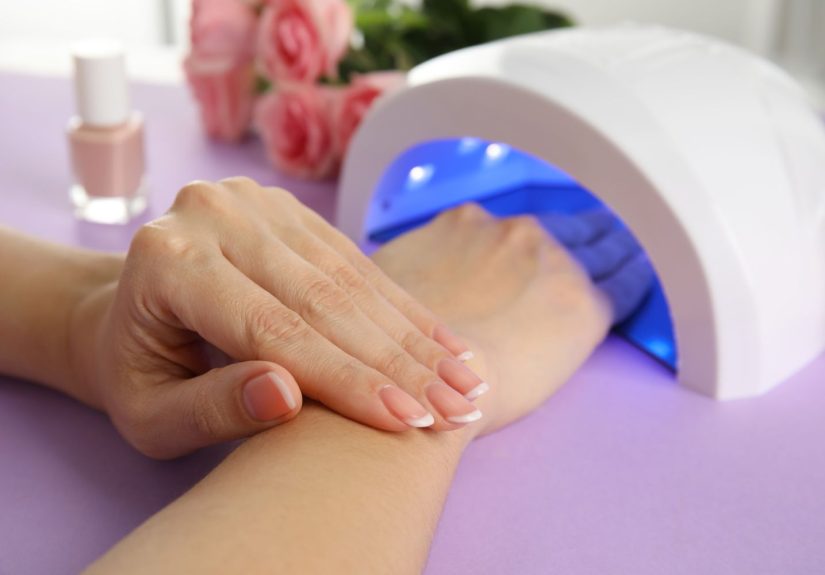
Nail curing lamps are often marketed as “UV” or “LED,” but that doesn’t mean one is magically harmless. Both types can emit UVA radiation. UVA is linked to skin aging and contributes to skin cancer risk over time.
Here’s the nuance: several experts and reviews suggest that the risk from occasional salon exposure is likely low, especially compared with things like tanning beds. But “low” is not the same as “zero,” and risk adds up over a lifetimeespecially if you’re getting gel manicures regularly for years.
The best approach is practical risk reduction:
- Apply broad-spectrum sunscreen to the backs of your hands before curing
- Wear fingerless UV-protective gloves
- Consider lower-frequency appointments if you’re a frequent salon visitor
- Skip curing-based services if you’re already high risk for skin cancer
This is one of those times when a tiny habit (sunscreen on hands) gives you a great cost-to-benefit ratio. It takes 10 seconds and makes you look like the most prepared person in the salon.
3) Nail Damage Usually Comes From the Process, Not Just the Polish
People often blame “gel polish” as if the bottle itself is out here plotting revenge. In reality, the biggest nail damage usually comes from the application and removal process:
- Over-filing the nail plate before polish application
- Picking or peeling off gel (please don’t)
- Repeated acetone soaking during removal
- Product touching the surrounding skin and cuticle area
Acetone works, but it can be very drying and irritatingespecially when it touches skin repeatedly. If your nails feel thin, brittle, or sore after months of gel, the polish may not be the only culprit. Technique matters. Removal matters. And yes, your “I can peel this off in the car” habit matters too.
4) Salon Hygiene Still Matters a Lot
A gorgeous manicure is not a good trade for an infection. Dermatology guidance from U.S. medical sources consistently points out that nail services can create opportunities for bacteria and fungi to get in, especially when nails are wet, filed, or cuticles are trimmed.
One of the simplest protective steps is asking nail techs not to cut your cuticles. The cuticle acts as a barrier. Cutting it may look neat for a day, but it can increase the risk of irritation and infection. Bringing your own tools (and cleaning them properly) can also reduce exposure risk.
Who Should Be Extra Careful?
You don’t need to panic-buy plain polish and disappear into the woods. But some groups should be more cautious than others:
Frequent Salon-Goers
If you get gel manicures every 2–3 weeks year-round, your exposures (UV, chemicals, acetone, filing) are cumulative. A single appointment is one thing; a decade-long habit is another.
DIY Gel Kit Users
At-home gel kits can be great, but they’re also where technique errors happen most: product flooding the cuticle, under-curing, over-filing, and skin contact. Allergies often start with repeated skin exposure to uncured or partially cured product.
Nail Technicians and Salon Workers
Nail techs face the highest and most repeated exposure. U.S. occupational safety guidance highlights chemical hazards in nail products (including methacrylate compounds and solvents) and emphasizes ventilation as a key way to reduce exposure. This is a workplace health issue, not just a beauty issue.
People With Sensitive Skin, Eczema, or a History of Allergies
If your skin is already reactive, gel products may be more likely to trigger problems. A persistent rash near the nails, fingertips, or eyelids is a good reason to stop using the product and see a dermatologistespecially if it keeps returning after each manicure.
Pregnant Workers in Nail Salons
Occupational exposure deserves extra caution during pregnancy. U.S. workplace health agencies have highlighted research into nail salon work and reproductive risks, which is another reason ventilation, gloves, and minimizing unnecessary chemical exposure are so important in salon settings.
How to Make Gel Manicures Safer Without Breaking Up With Them
If your reaction to this article is “Okay, but I still want my nails to look amazing,” that is both relatable and valid. Here’s a practical, non-chaotic game plan:
Check the Ingredient List (or Ask the Salon)
Ask whether the gel system is TPO-free, especially if you’re buying online or using imported products. If the salon can’t tell you what product line they useor acts like ingredient questions are weirdthat’s not a great sign.
Avoid Skin Contact During Application
Product should stay on the nail plate, not the skin. Repeated contact with uncured gel around the cuticles is a common setup for allergies. Clean application is not just pretty; it’s safer.
Use UV Protection for Every Curing Session
Broad-spectrum sunscreen on the backs of the hands + fingerless gloves = elite manicure behavior. This is especially smart if you get gel often or have fair skin.
Don’t Peel, Pick, or “Accidentally” Rip Off Gel
You’re not removing polishyou’re removing layers of your nail plate. If you need to remove gel at home, use a gentle method and follow instructions carefully. Better yet, have it professionally removed by someone who doesn’t treat your nails like drywall.
Take Breaks if Your Nails Are Looking Tired
If your nails are thinning, splitting, or feeling sensitive, take a few weeks off and let them recover. Nail health is not a myth invented by dermatologists to ruin fun. It matters.
For Salon Owners and Nail Techs: Ventilation Is Non-Negotiable
Good ventilation is one of the most important safety upgrades in a nail salon. U.S. OSHA and CDC/NIOSH guidance emphasizes local exhaust ventilation and other exposure-reduction steps like keeping containers closed and using proper PPE. “Smells strong in here” should not be the salon brand identity.
What the EU Ban Likely Means for the Future of Gel Products
The EU move will probably do three things:
- Push reformulation: Brands selling in Europe will reformulate TPO-containing systems.
- Increase consumer awareness: More people will start asking what’s in their polish.
- Raise pressure elsewhere: Even if U.S. rules don’t change immediately, brands and salons may voluntarily shift to alternatives.
That doesn’t mean every gel product is suddenly unsafe. It means the beauty industry is being remindedagainthat “professional use” doesn’t automatically equal “no concerns.” The safer future of nails is probably not “no gel ever”; it’s better ingredients, better labeling, better ventilation, and better habits.
Real-World Experiences: What This Looks Like in Everyday Life
To make this less abstract, here are a few common experiences that reflect what many gel polish users and salon workers run into. These aren’t movie-level disasters. They’re the realistic, everyday situations that usually happen right before someone says, “Wait… is this normal?”
Experience 1: The “Why Are My Eyelids Itchy?” Surprise
A frequent gel manicure client starts noticing dry, itchy skin around her fingers after appointments. She ignores it because life is busy and lotion exists. A few weeks later, her eyelids get red and irritated too. She thinks it’s a new face cream. Turns out, it can happen when hands with residual allergens touch the face repeatedly. After she stops gel for a while and gets evaluated, the pattern becomes obvious: the problem flares after nail appointments. This is a super common reason people finally learn about acrylate allergies.
Experience 2: The DIY Kit Glow-Up That Turned Into a Rash
Someone buys an at-home gel kit to save money (respect). The first set looks decent, the second looks great, and by the third set they’re basically convinced they should open a salon. But the polish keeps flooding the cuticle because doing your own dominant hand is hard. A little product gets on the skin each time, curing is inconsistent, and removal gets aggressive because patience is expensive. A month later: peeling skin, burning around the nails, and a sudden realization that “beauty hack” and “repeated skin exposure” are not the same thing.
Experience 3: The Nail Tech With Headaches That Improve After Salon Changes
A salon worker is on shift all week, surrounded by polish, monomer, removers, and dust. She starts getting headaches and irritated eyes by mid-afternoon, especially on busy days. The salon upgrades to better local ventilation at workstations, keeps chemical containers closed, and becomes stricter about gloves and airflow. Within weeks, the difference is noticeable. This is exactly why occupational guidance focuses so much on ventilation. For clients, a salon that smells less intense is often a sign the space is being managed better.
Experience 4: The “I’m Not Quitting Gel, I’m Just Smarter Now” Approach
Another person reads the Europe ban headlines and initially assumes all gel products are now toxic. After digging deeper, she learns the story is really about a specific ingredient and a broader safety conversation. She doesn’t swear off manicures forever. Instead, she switches to a salon that can explain its product line, starts using sunscreen on her hands before curing, asks techs not to cut her cuticles, and stops peeling off old sets at home. Her nails look the same on Instagram, but the process gets a lot healthier in real life.
That’s really the takeaway here: most people don’t need a dramatic beauty detox. They need better information and better habits. If a product causes irritation, stop using it. If a salon won’t answer basic safety questions, find another one. And if you love gel nails, you can absolutely keep enjoying themjust with a little less blind trust and a little more label-reading.
Final Takeaway
Europe’s move is a meaningful safety update, but it is not a blanket ban on all gel nail polish. It’s a targeted ban on TPO in cosmetics under EU law. For U.S. consumers, the headline is a useful wake-up call: gel manicures can be safe for many people, but they’re not risk-free.
If you remember only three things, make it these: avoid product on skin, protect your hands during curing, and pay attention to any rash or irritation. Your manicure should last two weeksnot your contact dermatitis.
This article is for educational purposes and is not a substitute for medical advice. If you have a persistent nail or skin reaction, talk to a dermatologist.






 Close
Close