Table of Contents >> Show >> Hide
- What Is Hammer Toe?
- When Is Hammer Toe Surgery Needed?
- Types of Hammer Toe Surgery
- What to Expect Before Hammer Toe Surgery
- What Happens During the Procedure?
- Hammer Toe Surgery Recovery Timeline
- Possible Risks and Complications
- How to Support a Smoother Recovery
- Can Hammer Toe Come Back After Surgery?
- Experience-Based Tips: What Recovery May Really Feel Like
- Conclusion
A hammer toe may sound like something from a toolbox, but unfortunately, it is not the handy kind. It is a toe deformity where one of the smaller toes bends abnormally at the middle joint, creating a curled or “hammer-like” shape. For some people, it is mostly a cosmetic concern. For others, it becomes a daily battle with shoe pressure, corns, calluses, pain, swelling, and that very specific frustration of trying to find footwear that does not feel like medieval punishment.
Hammer toe surgery is a treatment option when conservative care no longer helps. Many people first try roomier shoes, padding, splints, custom orthotics, toe exercises, or anti-inflammatory strategies. But when the toe becomes rigid, painful, irritated, or difficult to fit into shoes, surgery may be recommended to straighten the toe, reduce pressure, and improve comfort.
This guide explains the main types of hammer toe surgery, what happens before and during the procedure, how recovery usually works, and what real-life experience may feel like after the operation. It is written for general education only, not as a substitute for medical advice. Your foot and ankle surgeon, podiatrist, or orthopedic specialist should always guide decisions based on your foot structure, health history, and goals.
What Is Hammer Toe?
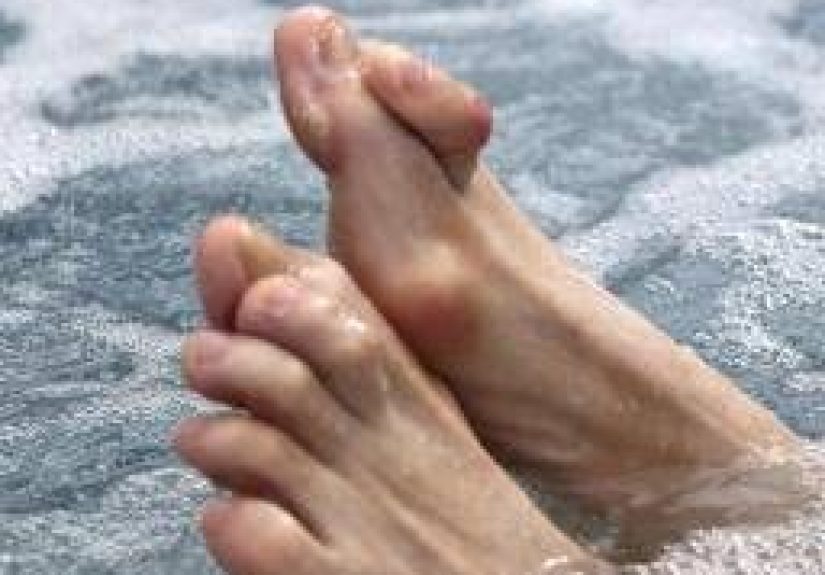
Hammer toe is a deformity that commonly affects the second, third, fourth, or fifth toe. The toe bends at the middle joint, often causing the tip of the toe to point downward. Over time, the bent joint may rub against shoes, leading to painful corns on top of the toe or calluses under the ball of the foot.
At first, a hammer toe may be flexible. That means you can still move or straighten it with your fingers. Later, the joint may become fixed or rigid, making it harder or impossible to straighten without surgery. Think of it like a stubborn folding chair: early on, it opens and closes; later, it gets stuck in one very inconvenient position.
Common Symptoms of Hammer Toe
Symptoms vary, but many people experience pain when wearing shoes, redness or irritation over the bent joint, swelling, corns, calluses, toe stiffness, trouble walking, or discomfort under the ball of the foot. Some people also notice that the affected toe overlaps or crowds neighboring toes.
Hammer toe can become more uncomfortable with tight shoes, high heels, narrow toe boxes, or long periods of standing. People with diabetes, arthritis, nerve problems, bunions, or a long second toe may be more likely to develop toe deformities or complications.
When Is Hammer Toe Surgery Needed?
Hammer toe surgery is usually considered after nonsurgical treatments fail to control pain or prevent worsening. Surgery may also be recommended if the toe is rigid, if walking is affected, if shoe wear becomes difficult, or if the skin breaks down and forms sores. Open sores are especially concerning for people with diabetes or circulation problems because wounds may heal more slowly.
Doctors typically do not rush to surgery for mild hammer toe. If the toe is still flexible and symptoms are manageable, conservative care may work well. However, once the joint becomes fixed and painful, surgery may offer the best chance of lasting correction.
Types of Hammer Toe Surgery
There is no single “one-size-fits-all” hammer toe procedure. The right surgery depends on whether the toe is flexible or rigid, how severe the deformity is, whether other foot problems are present, and whether the goal is to preserve motion or create a stable straight toe.
1. Tendon Release or Tendon Lengthening
Tendon release or tendon lengthening may be used for a flexible hammer toe. In this procedure, the surgeon adjusts tight tendons that are pulling the toe into a bent position. By releasing or lengthening the tendon, the toe can relax into a straighter alignment.
This type of surgery is often less invasive than bone procedures. It may be combined with other techniques if the deformity involves both soft tissue imbalance and joint stiffness.
2. Tendon Transfer
A tendon transfer is another option for a flexible hammer toe. The surgeon repositions tendons from the bottom of the toe to the top or side of the toe to help pull it into a better position. This can improve alignment while preserving more natural movement than a fusion procedure.
Tendon transfer is often considered when the toe still has mobility but needs better muscular balance. It is like giving the toe a new set of “support cables” so it stops curling in the wrong direction.
3. Joint Resection or Arthroplasty
Arthroplasty, also called joint resection, is commonly used for a rigid hammer toe. During this procedure, the surgeon removes part of the affected joint or a small section of bone so the toe can be straightened. A temporary pin may be used to hold the toe in place while it heals.
This procedure may allow some flexibility after healing, though the toe may still feel stiffer than before the deformity developed. Arthroplasty is often used when the joint is painful, contracted, or no longer straightens easily.
4. Joint Fusion or Arthrodesis
Joint fusion, or arthrodesis, is often chosen for more severe or rigid hammer toe. The surgeon removes damaged joint surfaces and aligns the bones so they heal together in a straighter position. A pin, screw, wire, or small implant may hold the bones stable during healing.
The trade-off is that the fused joint will no longer bend. The benefit is stability and a more durable correction for a toe that was severely contracted. For many people, losing motion in a painful, stiff joint is not a big sacrifice because the toe was not exactly performing ballet in the first place.
5. Minimally Invasive Hammer Toe Surgery
Some surgeons perform minimally invasive hammer toe correction through smaller incisions. Specialized instruments may be used to release tendons, reshape bone, or correct alignment with less soft tissue disruption. Potential benefits may include smaller scars, less swelling, and a faster early recovery, depending on the case.
However, minimally invasive surgery is not right for every hammer toe. Severe deformities, multiple toe problems, arthritis, or complex foot structure may require a traditional open approach. The best method is the one that safely corrects the problem, not simply the one with the smallest incision.
What to Expect Before Hammer Toe Surgery
Before surgery, your doctor will examine your foot, check whether the toe is flexible or rigid, look at your walking pattern, and review your symptoms. X-rays may be used to evaluate the bones, joints, and alignment. Your surgeon may also look for related issues such as bunions, high arches, flat feet, arthritis, or metatarsalgia.
You should tell your care team about all medications and supplements you take, including blood thinners, aspirin, anti-inflammatory drugs, diabetes medications, and herbal products. You may need instructions about which medications to stop or continue before surgery.
It is also smart to prepare your home. Place essentials within easy reach, arrange transportation, stock simple meals, and consider setting up a recovery area where you can elevate your foot. Your future self will deeply appreciate not having to hop across the room for a phone charger.
What Happens During the Procedure?
Hammer toe surgery is commonly done as an outpatient procedure, meaning most people go home the same day. Anesthesia may include local anesthesia, regional nerve block, sedation, or general anesthesia, depending on the procedure and patient needs.
The surgeon makes one or more incisions near the affected toe, then corrects the deformity using the planned technique. This may involve releasing soft tissue, moving tendons, removing a small piece of bone, fusing a joint, or placing a pin or implant. The incision is closed, the foot is bandaged, and a surgical shoe or boot is usually provided.
The length of surgery varies. A simple single-toe correction may be relatively quick, while multiple toes or combined procedures may take longer. If a bunion or other structural problem is causing the hammer toe, that issue may need correction at the same time to reduce the chance of recurrence.
Hammer Toe Surgery Recovery Timeline
Recovery depends on the type of surgery, the number of toes treated, your overall health, and how closely you follow post-operative instructions. Some people walk in a surgical shoe shortly after surgery, while others need more restricted weight-bearing. Always follow your surgeon’s specific plan.
First Few Days
The first few days are usually focused on rest, elevation, swelling control, and pain management. Your foot may be bandaged, and you may have a surgical shoe, boot, or crutches. It is normal to have swelling, bruising, and discomfort. Keeping the foot elevated above heart level can help reduce throbbing and pressure.
Your doctor may recommend prescription pain medication for a short period or over-the-counter medicine when appropriate. Ice may be used near the area, but you should avoid getting dressings wet unless your surgeon says otherwise.
Weeks 1 to 3
During the first few weeks, you may have follow-up visits to check the incision and healing. Stitches are often removed around two to three weeks after surgery, depending on the surgeon’s protocol. If a temporary pin is used, it may stay in place for several weeks.
You may need to limit standing and walking. Even if you are allowed to bear weight, that does not mean you should reorganize the garage, tour a shopping mall, and test your luck. Healing toes prefer calm, not chaos.
Weeks 4 to 6
Many people gradually increase activity during this stage. If temporary pins were placed, they may be removed in the office after several weeks. Removal is usually quick and often less dramatic than people imagine. Your doctor may recommend gentle toe exercises or physical therapy depending on the procedure.
Some people transition from a surgical shoe to wider, comfortable footwear around this time, but swelling may still make regular shoes feel tight. Soft, roomy shoes with a wide toe box are usually best.
Weeks 6 to 12
By six to twelve weeks, many people return to more normal walking and daily routines. However, high-impact exercise, tight shoes, and long periods of standing may still be limited. The toe may remain swollen, stiff, or slightly tender.
Driving depends on which foot was treated, whether you are taking pain medication, and whether you can safely control the pedals. Right-foot surgery often delays driving longer than left-foot surgery.
Several Months After Surgery
Full recovery may take several months. Swelling can linger, especially after activity or at the end of the day. Some people notice mild stiffness or a toe that looks straighter but not perfectly identical to the others. The realistic goal is usually less pain, better shoe comfort, improved alignment, and easier walking.
Possible Risks and Complications
Hammer toe surgery is generally safe, but all surgery has risks. Possible complications include infection, bleeding, delayed wound healing, nerve irritation, numbness, stiffness, swelling, poor alignment, recurrence of the deformity, painful hardware, or problems with bone healing after fusion.
People with diabetes, poor circulation, smoking history, immune problems, or nerve damage may have a higher risk of healing complications. This does not always mean surgery is impossible, but it does mean planning and follow-up are especially important.
How to Support a Smoother Recovery
Good recovery is partly surgical skill and partly patient teamwork. Follow wound-care instructions, keep the dressing dry, elevate the foot as directed, wear the surgical shoe or boot, and avoid rushing back into regular shoes too soon.
Choose footwear wisely after healing. Shoes with a wide toe box, low heel, and supportive sole can reduce pressure on the toes. Avoid narrow shoes that squeeze the forefoot. If your toes look like they are trying to share a studio apartment in your shoes, the toe box is probably too small.
Your doctor may recommend toe stretches, strengthening exercises, orthotics, or physical therapy. These can help improve mobility, reduce stiffness, and support better foot mechanics. If you notice increasing redness, drainage, fever, severe calf pain, sudden shortness of breath, or worsening swelling, contact your healthcare provider promptly.
Can Hammer Toe Come Back After Surgery?
Yes, recurrence is possible, especially if the underlying cause is not addressed. For example, if a bunion pushes the second toe out of alignment, correcting only the hammer toe may not solve the full problem. Tight shoes, muscle imbalance, arthritis, and certain neurological conditions can also contribute to recurrence.
Long-term prevention focuses on proper footwear, managing related foot conditions, following rehabilitation instructions, and checking in with a specialist if symptoms return. Surgery can correct structure, but daily habits help protect the result.
Experience-Based Tips: What Recovery May Really Feel Like
Many people go into hammer toe surgery expecting the toe to be “fixed” immediately because the procedure itself is often outpatient. But recovery is more like a slow software update than a light switch. The toe may look straighter right away, yet the foot still needs time to calm down, heal tissue, reduce swelling, and adapt to its new alignment.
One common experience is surprise at how much swelling can affect daily comfort. Even when pain improves quickly, swelling may make shoes difficult for weeks or months. Patients often find that having one or two roomy shoes ready before surgery is helpful. A soft athletic shoe, adjustable sandal approved by the surgeon, or wide toe-box shoe can be much more forgiving than a stiff dress shoe.
Another practical lesson is that elevation matters. People who elevate consistently in the first week often report less throbbing. Those who return to errands too soon may feel the foot “talk back” by the evening. That conversation is rarely polite. A good rule is to treat early activity like seasoning in soup: a little may be fine, but too much can ruin the batch.
Showering can also require planning. Because dressings often need to stay dry, many people use a shower cover, sit on a shower chair, or sponge bathe for a short time. This is not glamorous, but neither is slipping in the bathroom while protecting a newly corrected toe. Safety wins.
If a pin is used, seeing it can feel strange at first. Some patients worry about bumping it or having it removed. In many cases, pin removal is done in the office and is quicker than expected. The anticipation may be worse than the actual moment. Still, protecting the toe from accidental kicks, pets, furniture legs, and enthusiastic children is very important.
Work planning depends heavily on the job. Someone with a desk job may return sooner with the foot elevated, while a nurse, teacher, retail worker, server, or construction worker may need more time away or modified duties. Standing for hours can increase swelling and discomfort, even when the incision looks good.
Emotionally, recovery can test patience. It is normal to wonder, “Why is my toe still puffy?” or “When will this shoe fit again?” Healing is not always perfectly linear. Some days feel better, then one busy day brings extra swelling. That does not automatically mean something is wrong, but sudden worsening should be checked.
The best recovery experiences usually come from realistic expectations: the toe may be straighter, pain may improve, walking may become easier, but the foot may not look like a photoshopped sandal advertisement. The goal is comfort and function. If you can wear normal shoes, walk with less pain, and stop negotiating with your toe every morning, that is a meaningful win.
Conclusion
Hammer toe surgery can be an effective option when a painful, rigid, or worsening toe deformity does not respond to nonsurgical care. The main surgical types include tendon lengthening, tendon transfer, arthroplasty, joint fusion, and minimally invasive correction. Each approach has a specific purpose, and the best choice depends on the flexibility of the toe, severity of deformity, related foot problems, and personal health factors.
Recovery usually involves swelling control, limited activity, a surgical shoe or boot, follow-up visits, and gradual return to regular footwear. Some people feel much better within weeks, while full healing may take several months. The smartest path is to work closely with a qualified foot and ankle specialist, follow post-operative instructions, and protect your feet with shoes that give your toes enough room to live peacefully.