
Table of Contents >> Show >> Hide
- What Is a Handwoven Acapulco Chair?
- Why Acapulco Chairs Still Work So Well
- What Makes a Good Handwoven Acapulco Chair?
- How to Style Handwoven Acapulco Chairs
- How to Care for a Handwoven Acapulco Chair
- Are Handwoven Acapulco Chairs Worth It?
- Who Should Buy One?
- The Experience of Living With Handwoven Acapulco Chairs
- Final Thoughts
If a patio chair and a sunbeam had a stylish baby, it would probably be a handwoven Acapulco chair. Light, airy, sculptural, and somehow both laid-back and dramatic, this iconic seat has spent decades proving that outdoor furniture does not have to look like it gave up on life after one barbecue. Whether you are styling a small balcony, refreshing a poolside setup, or trying to make your reading nook feel like a boutique hotel in coastal Mexico, the Acapulco chair keeps showing up for good reason.
The best handwoven Acapulco chairs are not just pretty to look at. They are practical, comfortable, and surprisingly versatile. Their signature open weave helps air move freely, their rounded profile cradles the body in an easygoing way, and their visual lightness makes even tight spaces feel less crowded. In other words, they are the rare design classic that actually earns its reputation.
And yes, they also make everything around them look cooler. That is not a scientific measurement, but it feels emotionally accurate.
What Is a Handwoven Acapulco Chair?
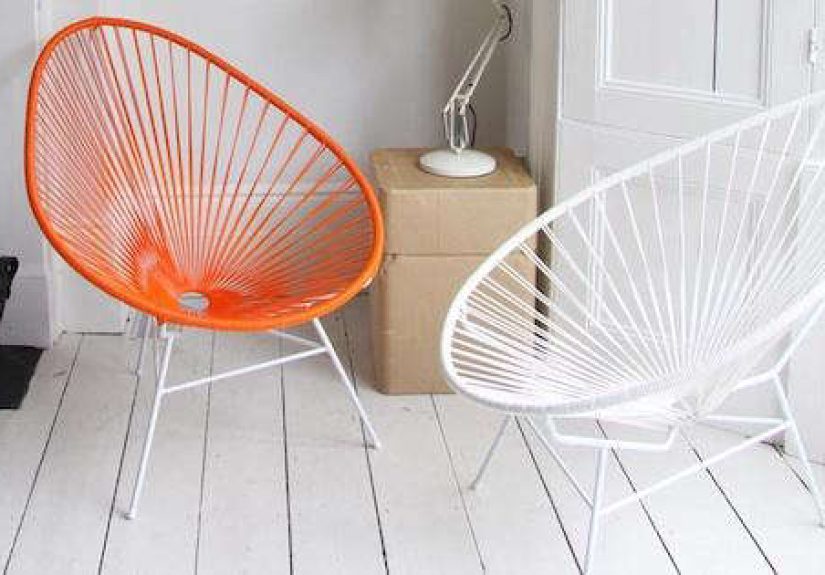
An Acapulco chair is a low-slung lounge chair known for its oval or pear-shaped silhouette and its web of woven cords stretched across a metal frame. The design is widely associated with Acapulco, Mexico, and with the jet-set glamour of the 1950s. The exact original designer is still a bit of a mystery, which only adds to the chair’s mystique. Furniture historians and modern retailers tend to agree on the broad outline: it became famous in midcentury Mexico, it was embraced for hot-weather comfort, and it has remained a lasting icon of relaxed modern design.
Today’s handwoven Acapulco chairs usually feature cords made from vinyl, PVC, or polyethylene woven over a steel frame, often finished with a powder coating for better resistance to the elements. That construction matters. The woven seat is what gives the chair its airy appearance and body-hugging feel, while the frame keeps the form crisp and architectural. When the weaving is done by hand, the chair usually looks cleaner, feels more substantial, and has that subtle human touch that separates a design piece from a random internet impulse purchase.
In plain English: the silhouette is simple, but the craftsmanship is where the magic lives.
Why Acapulco Chairs Still Work So Well
1. They Are Comfortable Without Looking Overstuffed
One of the biggest reasons people fall for handwoven Acapulco chairs is that the cords flex just enough to support the body without turning the chair into a marshmallow. The seat often feels supportive but relaxed, almost like a hammock that got a clean modern haircut. Many people find they do not even need a cushion, which is great news for anyone tired of dragging outdoor cushions inside every time the sky looks vaguely suspicious.
2. They Let Air Circulate
The open weave is not just a style move. It is part of the chair’s brilliance. Solid seats trap heat. Acapulco chairs breathe. That makes them especially appealing for warm climates, sunny patios, and outdoor areas where a bulky upholstered lounge chair would feel about as refreshing as sitting on a toaster.
3. They Add Visual Space
Because the seat is woven rather than solid, the chair does not block the eye the way chunkier furniture does. That makes it a smart pick for balconies, porches, terraces, and compact patios. Even when you use a pair, the setup feels open and uncluttered. This is one of the reasons designers keep returning to them for small-space styling.
4. They Bridge Indoor and Outdoor Design
A handwoven Acapulco chair can live outside on a patio, but it can also work beautifully indoors in a sunroom, bedroom corner, studio apartment, or home office lounge area. The silhouette feels retro and modern at the same time, which gives it unusual flexibility. It can lean bohemian, midcentury, coastal, eclectic, or minimalist depending on the color and the pieces around it.
What Makes a Good Handwoven Acapulco Chair?
Not all Acapulco chairs are created equal. Some are charming and durable. Others look like they would surrender after one humid weekend and an aggressive lemonade. If you are shopping for one, here is what separates the good from the forgettable.
Handwoven Cord With Even Tension
The weaving should look consistent, balanced, and secure. Uneven tension can affect both comfort and appearance. A well-made handwoven chair has cords that feel intentional, not sloppy or overly loose. The pattern should look crisp from every angle, because this is the kind of chair that gets seen from every angle.
Durable, Weather-Ready Materials
Many modern Acapulco chairs use UV-resistant or weather-resistant cord materials and powder-coated steel frames. That combination helps the chair stay colorful, supportive, and rust-resistant longer than cheaper alternatives. If a brand mentions handwoven vinyl cord, UV-resistant cording, polyethylene weaving, or a powder-coated steel base, that is usually a good sign that it was built with real indoor-outdoor use in mind.
A Frame That Feels Solid
The frame should feel sturdy, not wobbly. Premium versions often have cleaner welds and a more refined finish. Since the chair is visually lightweight, it is easy to assume the structure does not matter much. It absolutely does. The best versions feel stable and grounded even while looking airy.
The Right Finish for the Right Setting
Some Acapulco-style chairs are suitable for both indoor and outdoor use, but not every frame finish is equally weather friendly. Powder-coated steel is usually the safest bet for patios and terraces. More decorative finishes may be better suited to indoor use. It pays to read the fine print before you send a beautiful chair into year-round weather and act surprised when nature responds like nature.
How to Style Handwoven Acapulco Chairs
On a Small Patio
Start with two chairs and a compact side table. That is the classic formula, and it works because the chairs naturally create a conversation zone without making the patio feel cramped. Add one outdoor rug, one oversized planter, and maybe a lantern or two, and suddenly the area looks intentional instead of like a lonely leftover slab of concrete.
On a Balcony
Because Acapulco chairs do not visually crowd a space, they are ideal for balconies where every inch matters. A black or white chair keeps things sleek and modern, while bright colors can make the whole setup feel playful. If you want the space to read as chic instead of chaotic, let the chair do the talking and keep the rest of the palette simple.
Poolside or in a Sunny Backyard
This is where the chair’s breezy personality really shines. Acapulco chairs have that resort-adjacent energy that makes a backyard feel more curated and less accidental. Pair them with a low table, a striped umbrella, and a few potted plants, and the whole zone starts whispering, “No emails today.”
Inside the House
Indoors, a handwoven Acapulco chair works especially well as an accent piece. Try one in a reading corner with a floor lamp and a small stool. Use a neutral chair in a minimal room or a bright chair in a mostly white space where it can act like functional art. If the room already has a lot going on, a black or natural-toned version tends to play nicest with others.
How to Care for a Handwoven Acapulco Chair
The good news is that maintenance is generally simple. For most synthetic woven outdoor materials, mild soap and water are the first line of defense. A soft sponge or non-abrasive brush can help lift dirt from the cords and frame without damaging the finish. If your chair lives outside full-time, regular light cleaning will go a long way toward keeping it from looking dusty, chalky, or generally betrayed by the seasons.
If the chair is exposed to heavy weather, using a properly fitted, breathable cover can help preserve both the frame and the weaving. Breathability matters. A cover that traps moisture can create new problems while pretending to solve old ones. If you cover the chair for winter or for extended storage, make sure everything is dry first and avoid letting water pool on top of the cover.
For people in harsher climates, the safest move is often to clean the chair, dry it thoroughly, and store it in a protected space when it is not in use for long stretches. That is especially wise if your chair has a special finish or if the manufacturer recommends bringing it in during inclement weather.
Are Handwoven Acapulco Chairs Worth It?
If you care about design, yes. If you care about comfort, also yes. If you want one chair that can freshen a dull patio, style up a balcony, and moonlight as an indoor accent piece, definitely yes.
Where people sometimes hesitate is price. Mass-market versions can be relatively affordable, while better handwoven versions cost more. That premium usually reflects better materials, neater craftsmanship, and improved durability. If you plan to use the chair often, or if you want it to last beyond one trend cycle, paying more for a quality handwoven build is often the smarter move.
The main downside is fit. These chairs are loungy. That is part of their appeal, but it also means they are not everyone’s favorite for formal upright sitting or getting up quickly with grace. They invite you to relax, lean back, and stay a while. Wonderful for a slow morning. Slightly less elegant when you are trying to stand up while holding iced coffee and dignity.
Who Should Buy One?
A handwoven Acapulco chair makes sense for anyone who wants furniture with personality and function. It is ideal for:
- Homeowners styling patios, decks, porches, and terraces
- Apartment dwellers working with small balconies or compact outdoor corners
- Design lovers who want a recognizable icon without buying something overly precious
- Anyone who wants outdoor seating that can still look good indoors
- People who prefer breezy, low-maintenance seating over bulky cushioned furniture
If your taste leans clean but warm, colorful but not clownish, or retro but not stuck in a time capsule, this chair sits right in the sweet spot.
The Experience of Living With Handwoven Acapulco Chairs
Living with a handwoven Acapulco chair is different from simply owning one. On a product page, it is a shape, a material list, and a nice color. In real life, it becomes part of the rhythm of a space. That is the thing people do not always expect.
In the morning, it is often the first seat that feels inviting. You carry out coffee, sit down, and the chair gives a little flex as you settle in. The woven cords do not feel heavy or stuffy the way padded outdoor furniture can. Instead, the chair feels open around you, like it was designed by someone who understood that fresh air is part of the comfort. Even when the weather is warm, the seat does not trap heat the same way a solid chair can. That alone changes the mood of a patio.
During the afternoon, a handwoven Acapulco chair tends to become the unofficial best seat in the house, or at least the best seat just outside it. People drift toward it. Guests do that thing where they say, “Oh, this is nice,” and then remain seated much longer than they intended. Kids like the sculptural shape. Adults like the fact that it feels loungey without looking sloppy. Dogs, if given the chance, will assume it was purchased for them specifically.
There is also something surprisingly useful about the chair’s visual openness. A pair of handwoven Acapulco chairs can make a small patio feel less boxed in, especially compared with chunkier club chairs. Light moves through them. Views move through them. The space feels furnished but not crowded. For apartments, townhomes, and narrow terraces, that can be the difference between an area that feels decorative and one that actually gets used.
Indoors, the experience shifts a little. The chair becomes more of a statement piece, but not in a high-maintenance way. In a bedroom corner, it can feel like a little retreat for reading, putting on shoes, or dropping a sweater you swear you were definitely going to hang up. In a living room, it adds shape and texture without the visual heaviness of upholstery. It is one of those rare pieces that can bring energy to a room without making it feel cluttered.
Over time, the chair also teaches you a practical lesson: simple design ages well when the proportions are right. That is why so many people keep returning to the Acapulco silhouette. It does not need elaborate detailing. It does not need thick cushions or complicated mechanisms. It just needs good materials, careful weaving, and a place where it can do what it does best: invite you to slow down.
That may be the real appeal of handwoven Acapulco chairs. They are not only photogenic. They are usable in a way that feels easy. They encourage lingering. They make a patio more social, a balcony more livable, and an empty corner more intentional. They suggest a lifestyle without being obnoxious about it. They say vacation energy, but in a tasteful indoor-outdoor whisper, not a neon scream.
And maybe that is why they have lasted. Trends come and go. Patio furniture gets bigger, squarer, softer, and more complicated. Yet the handwoven Acapulco chair keeps hanging around, looking relaxed, looking sharp, and making everyone else work a little harder to be interesting. Honestly, good for it.
Final Thoughts
Handwoven Acapulco chairs earn their place in the design hall of fame because they solve several problems at once. They are beautiful without being delicate, comfortable without being bulky, and iconic without feeling impossible to live with. They make small spaces feel bigger, outdoor spaces feel cooler, and everyday routines feel just a little more glamorous.
If you are shopping for one, focus on craftsmanship, weather-friendly materials, and the setting where it will actually live. A well-made handwoven Acapulco chair is more than a trendy accent. It is the kind of piece that can define a space, start conversations, and quietly become everybody’s favorite seat.
Not bad for a chair that basically looks like sunshine with a steel frame.





 Close
Close