
Table of Contents >> Show >> Hide
- The Early ‘SNL’ Machine Was Brilliant, Brutal, and Exhausting
- Jane Curtin’s Secret Weapon: A Real Life Outside the Studio
- Why Her Boundaries Look Even Smarter in Retrospect
- The “Reasonable Cast Member” Was Also a Comedy Killer
- Skipping the Party Did Not Mean Missing the Moment
- The Women of Early ‘SNL’ Had to Fight Twice as Hard
- What Jane Curtin Teaches About Creative Boundaries
- Why the Story Still Fascinates People
- Experience-Based Reflections: The Power of Leaving the Room
- Conclusion
In the wild mythology of early Saturday Night Live, everyone seems to be running on cigarettes, panic, genius, bad coffee, and the kind of “creative fuel” that makes HR departments faint into a filing cabinet. The 1970s version of SNL was not merely a television show; it was a cultural rocket launch from Studio 8H, powered by youth, counterculture, deadlines, ego, and a work schedule that looked like it had been invented by raccoons with typewriters.
And then there was Jane Curtin.
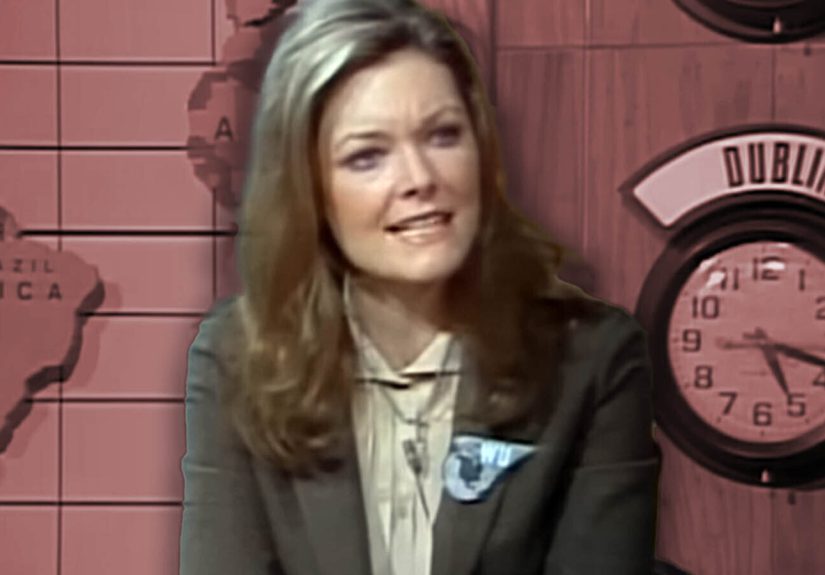
Curtin, one of the original Not Ready for Prime Time Players, built her reputation as the calm eye of the hurricane. While some of her castmates leaned into the after-hours chaos, Curtin did something almost radical: she went home. She had a husband, a dog, an apartment, and a life she actually liked. In an entertainment world that often rewards self-destruction with applause until the applause stops, Curtin’s quiet refusal to join the party may be one of the sharpest career moves in early SNL history.
The Early ‘SNL’ Machine Was Brilliant, Brutal, and Exhausting
When Saturday Night Live premiered on October 11, 1975, it felt like network television had accidentally left a side door open and let the downtown comedy scene wander in. The first cast included Jane Curtin, John Belushi, Gilda Radner, Dan Aykroyd, Chevy Chase, Laraine Newman, and Garrett Morris. They were young, ambitious, strange, funny, and completely unprepared for how quickly the show would become a cultural event.
The weekly process was famously punishing. Ideas were pitched, sketches were written overnight, table reads stretched for hours, and by Saturday night, the material had to survive rehearsal, rewrites, cuts, timing problems, costume changes, cue cards, and the small matter of being broadcast live to America. It was show business with a ticking bomb attached. Funny, yes. Healthy? Let’s not get carried away.
That production rhythm created a pressure cooker. Comedy thrives on risk, but SNL added sleep deprivation, instant fame, critical scrutiny, internal competition, and a workplace culture where boundaries were often treated like optional accessories. The show’s early reputation for drug use and hard partying did not come from nowhere. Multiple cast members and later accounts have described an environment where cocaine and other substances were part of the backdrop, especially among those chasing energy, confidence, or escape.
Jane Curtin’s Secret Weapon: A Real Life Outside the Studio
Jane Curtin did not beat the chaos by giving dramatic speeches in hallways or declaring herself above the madness with a halo and a sensible coat. Her strategy was much simpler: she valued her home life. When she joined SNL, she had recently married television producer Patrick Lynch. She had a dog. She had an apartment with a little garden. She had a private world that mattered more to her than being seen at every late-night hangout.
That detail matters because fame can be sneaky. It does not always arrive wearing sunglasses and demanding bottle service. Sometimes it arrives as pressure to stay out later, laugh louder, network harder, and prove that you are “one of the gang.” Curtin’s answer was essentially: thank you, but my dog is expecting me.
Her refusal to join the drug-fueled all-nighters was not a lack of ambition. It was the opposite. Curtin understood the job. The job was to perform, write, rehearse, respond, and deliver when the red light came on. The job was not to dissolve into the after-party and call it artistic commitment. That distinction sounds simple until you remember she was working inside one of the most intense comedy environments in American television.
Why Her Boundaries Look Even Smarter in Retrospect
Curtin’s approach seems especially wise because early SNL was not just fun chaos; it was emotionally and professionally complicated. The show’s aggressive atmosphere could be unfriendly to women, and Curtin has spoken over the years about sexism, dismissive attitudes, and the difficulty of being taken seriously in a boys’ club comedy culture. John Belushi, a brilliant performer with a destructive addiction, became one of the central figures in that tension.
Belushi’s talent was enormous. So were the problems around him. Curtin has recalled clashing with him and worrying about his drug use. She also confronted Lorne Michaels about whether anything would be done. That kind of confrontation was not gossip; it was workplace reality. She was watching a colleague spiral in an environment that often treated chaos as part of the show’s mystique.
Belushi died in 1982 at age 33 from a drug overdose. His death later became one of the defining tragedies of the SNL legend. Looking back, Curtin’s decision to protect herself from the destructive side of the culture feels less like caution and more like clarity. She saw the difference between creative intensity and personal danger.
The “Reasonable Cast Member” Was Also a Comedy Killer
There is a lazy way to describe Jane Curtin: the sensible one. Accurate? Sure. Complete? Absolutely not. Calling Curtin “reasonable” without mentioning her comic skill is like calling a grand piano “large furniture.” Technically true, but please sit down and listen.
Curtin’s deadpan style gave early SNL a crucial balance. While performers like Belushi and Radner could explode into wild physical or character comedy, Curtin could stand still, raise an eyebrow, and make the room tilt. She became the first female anchor of “Weekend Update,” where her dry, controlled delivery sharpened jokes instead of smothering them. She also helped make the Coneheads sketches memorable as Prymaat Conehead, playing absurdity with total commitment.
That is the hidden power of her discipline. Curtin did not need to be the loudest person in the room. She knew how to hold a frame, land a line, and let the joke breathe. In comedy, restraint is not the absence of energy. It is energy with a steering wheel.
Skipping the Party Did Not Mean Missing the Moment
One of the great myths of creative industries is that you must be available for everything to succeed. Stay at every gathering. Say yes to every invitation. Sleep when culture is over. This is how many talented people end up exhausted, resentful, and wondering why their “dream job” feels like being trapped in a pinball machine.
Curtin’s career argues for a different model. She stayed connected to the work, not to every performance of belonging. She was there for rehearsals, sketches, live broadcasts, and the intense collaboration required to make television history. But when the work was done, she could leave. That separation gave her a kind of professional stamina.
After leaving SNL in 1980, Curtin built one of the strongest post-show careers of the original cast. She starred in Kate & Allie, winning back-to-back Emmy Awards, and later played Dr. Mary Albright on 3rd Rock from the Sun. Her career did not depend on being the most chaotic legend in the room. It depended on craft, reliability, timing, and the ability to keep showing up.
The Women of Early ‘SNL’ Had to Fight Twice as Hard
Understanding Curtin’s choices also means understanding the gender politics of early SNL. The women on the show were not merely competing for laughs; they were competing for airtime, respect, and the right to be considered funny in a culture that often treated male comic confidence as genius and female comic confidence as an attitude problem.
Curtin, Gilda Radner, and Laraine Newman each brought a different comic language to the show. Radner had warmth and elastic character work. Newman had a wonderfully offbeat, downtown sensibility. Curtin had precision, dryness, and a gift for making absurd situations feel almost official. Together, they gave early SNL more range than its hard-partying legend sometimes admits.
But the women had to navigate a workplace where some men openly questioned whether women were funny. Imagine trying to pitch jokes while the room is acting like your gender is a technical problem. Curtin’s steadiness in that environment was not boring. It was armor.
What Jane Curtin Teaches About Creative Boundaries
The lesson of Jane Curtin’s SNL years is not “never stay up late” or “all parties are evil.” Comedy, music, theater, and television have always had social ecosystems. Some late nights produce friendships, ideas, and stories that become part of the art. The lesson is more useful than that: know what feeds you and what drains you.
For Curtin, the 90 minutes of live television were thrilling enough. The restthe drugs, the misery the next day, the performative excesslooked self-indulgent and difficult. That is a remarkably clear assessment from someone standing inside a fame tornado. She did not confuse suffering with seriousness. She did not mistake exhaustion for dedication. She did not need to damage herself to prove she belonged.
That message feels surprisingly modern. Today, “hustle culture” has replaced some of the old showbiz party culture, but the pressure is similar. Be always on. Be always available. Turn your personality into a brand. Turn your weekends into networking. Turn your sleep schedule into a rumor. Curtin’s example says: or you could do excellent work and then go home.
Why the Story Still Fascinates People
The reason people remain interested in Jane Curtin skipping SNL’s drug-fueled all-nighters is not just nostalgia. It is because her story complicates the glamor of chaos. We love tales of creative madness until we see the bill. Early SNL produced unforgettable comedy, but it also came with burnout, addiction, sexism, and personal pain. Curtin’s path offers a different kind of legend: the artist who survived by not romanticizing the wreckage.
She was not outside the story. She was essential to it. She sat at the “Weekend Update” desk. She helped define the original cast. She returned for anniversary celebrations. She became a sitcom star. She remained funny for decades. And she did all of that without treating self-destruction as a membership card.
There is something deeply satisfying about that. In a show famous for people shouting “Live from New York,” Curtin’s most powerful line may have been the one she never had to say on camera: “I’m going home.”
Experience-Based Reflections: The Power of Leaving the Room
Anyone who has worked in a high-pressure creative environment can recognize the shape of Jane Curtin’s choice. Maybe it was not a television studio. Maybe it was a newsroom, a startup, a restaurant kitchen, a touring production, an advertising agency, a hospital night shift, or a college theater group where everyone thought sleep was for people without vision. The details change, but the emotional machinery is familiar: the work is exciting, the stakes feel huge, and the culture quietly suggests that if you leave early, you must not care enough.
That is why Curtin’s example is so useful. She proves that leaving the room can be an act of professionalism, not weakness. In many workplaces, especially creative ones, the after-hours scene becomes a second audition. People bond over exhaustion. They trade gossip, test loyalties, and create a private club of those who stayed. But staying is not always the same as contributing. Sometimes the person who goes home, sleeps, walks the dog, eats something with vitamins, and comes back prepared is the person who saves the project from everyone else’s dramatic collapse.
The experience many people share is this: boundaries feel awkward before they feel powerful. The first time you say, “I’m done for tonight,” someone may tease you. The first time you skip the party, you may wonder what jokes are being told without you. The first time you choose rest over visibility, ambition may whisper that you are falling behind. But over time, boundaries build trust with yourself. You learn that you can miss a few unofficial moments and still do official work beautifully.
Curtin’s story also reminds us that identity outside work is not a distraction from success. It is often what makes success sustainable. A home, a spouse, a pet, a garden, a routine, a quiet breakfast, a walk around the blockthese things may not sound glamorous, but they keep a person human. In industries that reward intensity, ordinary life can be a secret superpower. The dog does not care if your sketch made it to air. The garden does not applaud, but it also does not heckle. That balance can keep talent from becoming a bonfire.
There is also a lesson here about choosing which version of “cool” to believe in. The obvious version of cool is the all-night legend: the person at the center of every story, every bar, every dangerous joke. But there is another version of cool that ages better. It is the confidence to know what you value. It is the calm to refuse a culture that mistakes chaos for creativity. It is the ability to be funny, sharp, respected, and fully present without surrendering your private life to the machine.
Jane Curtin skipped the drug-fueled all-nighters not because she lacked nerve, but because she had perspective. That perspective may be the most grown-up punchline in the whole story. The party ends. The live show ends. The applause fades. But the choices you make to protect your mind, your body, your relationships, and your craft keep echoing long after the studio lights go dark.
Conclusion
Jane Curtin’s early Saturday Night Live years show that comedy history was not built only by the loudest, wildest, or most self-destructive people in the room. It was also built by performers who knew how to stay grounded while everything around them spun. Curtin skipped the drug-fueled all-nighters because she already had something better than the party: a life she liked, a career she respected, and enough self-possession to know the difference between creative energy and chaos wearing a funny hat.
Her story still matters because it offers a healthier blueprint for ambition. You can be serious about your craft without sacrificing your stability. You can be part of something iconic without copying its worst habits. And sometimes, the smartest way to survive a legendary workplace is to do the work, land the joke, and go home before the mythology starts asking for your soul.
Note: This article is original, rewritten web content based on publicly reported interviews, entertainment-history coverage, and archival material about Jane Curtin and early Saturday Night Live.




 Close
Close