
Table of Contents >> Show >> Hide
- What Is a Storage Headboard?
- Why Storage Headboards Are Trending
- High vs. Low: What Is the Difference?
- When to Splurge on a Storage Headboard
- When to Save on a Storage Headboard
- Storage Headboard Ideas for Different Bedrooms
- How to Style a Storage Headboard Without Creating More Clutter
- Measurements Matter: What to Check Before Buying
- Safety and Maintenance Tips
- High/Low Design Formula: How to Get the Look for Less
- Real-Life Experiences: What It Is Like to Live With a Storage Headboard
- Conclusion: Is a Clutter-Eliminating Storage Headboard Worth It?
A bedroom should feel like a calm little retreat, not a lost-and-found department with pillows. Yet somehow, the area around the bed often becomes the busiest drop zone in the home: books, phone chargers, lip balm, glasses, journals, remotes, water bottles, half-read novels, and that one receipt you are keeping “just in case.” Enter the clutter-eliminating storage headboard, a clever furniture upgrade that turns the wall behind your bed into useful real estate.
The idea is simple: instead of relying on bulky nightstands, overcrowded dressers, or under-bed bins you must wrestle like an alligator, a storage headboard puts everyday essentials within arm’s reach. Some models have open shelves. Others hide compartments behind sliding doors. Some luxury versions include integrated lighting, outlets, USB ports, drawers, or built-in nightstands. Budget versions may be simpler, but they can still work small-space magic.
This high/low guide breaks down how storage headboards work, when to splurge, when to save, and how to choose a design that actually reduces clutter rather than creating a vertical display case for chaos. Because yes, a storage headboard can organize your life. But only if you do not use it to store seventeen mugs and a mystery charging cable from 2014.
What Is a Storage Headboard?
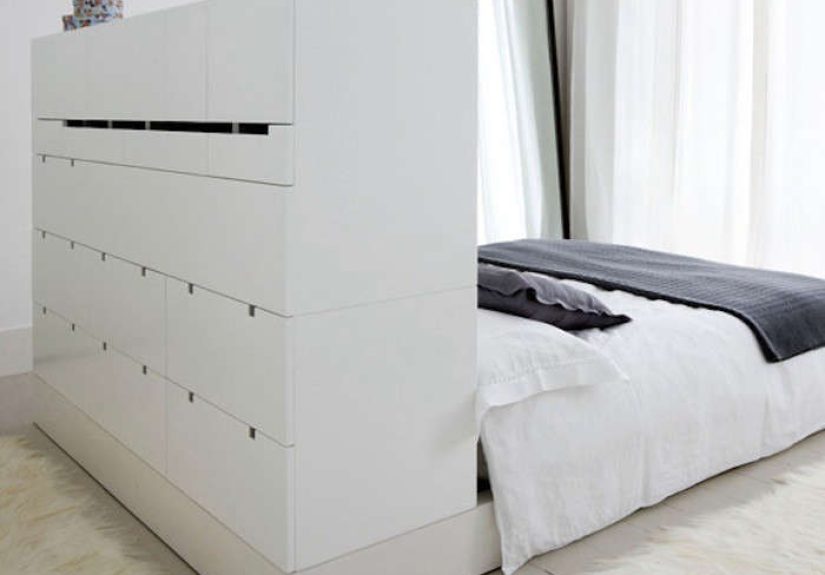
A storage headboard is a headboard designed with built-in shelves, cubbies, drawers, cabinets, ledges, or hidden compartments. It combines the visual function of a traditional headboard with the practical function of bedroom storage. Think of it as a nightstand, bookcase, charging station, and design feature having a surprisingly productive group project.
Storage headboards are especially useful in small bedrooms, apartments, dorm rooms, guest rooms, and kids’ rooms. They help reclaim floor space by moving storage upward and backward instead of outward. If your bed already dominates the room, the headboard area may be the only unused surface left. A smart storage headboard takes that forgotten zone and turns it into a clutter-control command center.
Common Storage Headboard Features
The most common features include open shelves for books and decor, concealed cabinets for less attractive items, side cubbies that replace nightstands, cord-management openings, adjustable shelves, built-in lighting, and charging ports. Some headboards are standalone pieces, while others are attached to complete bed frames with under-bed drawers or hydraulic lift storage.
Open shelving works best for attractive, frequently used items: a small stack of books, a candle, framed art, a plant, or a water carafe. Hidden compartments are better for practical clutter: medications, charging bricks, sleep masks, notebooks, tissues, reading glasses, or spare cables. The best storage headboards usually combine both, offering enough display space to look intentional and enough closed storage to keep reality out of sight.
Why Storage Headboards Are Trending
Storage headboards are popular because modern bedrooms are being asked to do more than ever. The bedroom is no longer just where you sleep. It may also be a reading nook, remote-work recovery cave, meditation zone, pet lounge, folding station, or the only room in the house where nobody asks where the scissors are.
At the same time, many people are living in smaller spaces or trying to make existing rooms feel more open. A standard bed, two nightstands, a dresser, and a chair can quickly overwhelm a compact room. A headboard with storage reduces the need for extra furniture and gives the bed a more finished, intentional look.
The trend also fits the broader move toward multifunctional furniture. Storage beds, wall-mounted shelves, floating nightstands, and built-in cabinetry all share the same philosophy: every piece should earn its square footage. A clutter-eliminating storage headboard earns its keep by making the bed area cleaner, calmer, and more useful.
High vs. Low: What Is the Difference?
The “high/low” approach compares luxury storage headboards with budget-friendly alternatives. Both can solve clutter problems, but they do it with different materials, finishes, features, and levels of customization.
The High-End Storage Headboard
A high-end storage headboard often looks built-in, even when it is not. It may use solid wood, real wood veneer, premium upholstery, soft-close hardware, integrated lighting, concealed charging, custom dimensions, or matching bed-frame storage. These pieces are ideal for primary bedrooms, long-term homes, and anyone who wants furniture that feels architectural rather than temporary.
Luxury designs often include sliding doors or panels that hide storage while preserving a clean silhouette. Some use mid-century styling with warm wood tones and slim legs. Others lean modern, with upholstered panels and hidden compartments. The best versions look less like “storage furniture” and more like a designer quietly whispered, “Let’s hide the mess, darling.”
The main benefit of going high is durability and cohesion. A well-made storage headboard can anchor the room visually, reduce the need for extra furniture, and coordinate with the bed frame. If the headboard includes built-in side tables, drawers, or lighting, it may replace several separate purchases.
The Low-Cost Storage Headboard
A budget storage headboard may be made from engineered wood, laminate, MDF, metal, or simple shelving components. It may not have luxury hardware or designer detailing, but it can still deliver excellent function. Many affordable options include bookcase-style shelves, hidden compartments, or simple side storage that works beautifully in apartments, guest rooms, kids’ rooms, and rental homes.
The low-cost route can also include DIY solutions. A narrow bookcase placed behind the bed, wall-mounted shelves above the mattress, a repurposed cabinet, or a simple headboard with attached ledges can create the same basic effect. The key is making sure the design is safe, stable, and properly anchored where needed.
The main benefit of going low is flexibility. If you rent, move often, or are still figuring out your bedroom style, an affordable headboard can solve the clutter problem without demanding a furniture-level commitment. It is the organizational equivalent of dating before marriage.
When to Splurge on a Storage Headboard
Splurging makes sense when the headboard will be used daily for years, when your bedroom is small enough that every inch matters, or when the bed is the main focal point of the room. A high-quality storage headboard can make a compact bedroom feel custom, especially if it replaces nightstands and reduces visual clutter.
Consider investing more if you want integrated lighting, hidden outlets, long-lasting hardware, real wood, a matching storage bed frame, or a piece that coordinates with the rest of your furniture. Splurging is also wise if you dislike assembling furniture with instructions that look like ancient cave drawings. Higher-end furniture often offers better fit, finish, and stability, though assembly requirements vary.
Best High-End Features to Look For
Look for concealed storage, smooth sliding doors, built-in cable management, adjustable shelves, solid support, and materials that match your lifestyle. Wood veneer or solid wood can add warmth and durability. Upholstered panels can make reading in bed more comfortable. Built-in nightstands can create a seamless, hotel-like look.
If you use your bedroom as a charging hub, choose a headboard with thoughtful cord routing. A beautiful shelf becomes less beautiful when it looks like a family of electronic snakes moved in. Ports and outlets should be easy to access but not visually loud.
When to Save on a Storage Headboard
Saving makes sense when you need practical storage more than a forever piece. Budget storage headboards are excellent for first apartments, guest rooms, teenagers’ bedrooms, dorm-style spaces, vacation homes, and short-term setups. They can also be ideal if you prefer to refresh your decor every few years.
You can also save if your storage needs are simple. If you only want a place for books, glasses, and a phone charger, you may not need a premium headboard with drawers, lights, and a secret compartment worthy of a spy movie. A clean bookcase headboard or wall-mounted shelf system may do the job perfectly.
Smart Budget Features to Prioritize
Even on a budget, prioritize stability, useful shelf depth, smooth edges, easy cleaning, and a finish that works with your room. Avoid designs with too many tiny cubbies unless you are naturally organized. Tiny cubbies can become tiny clutter museums.
For renters, lightweight standalone headboards or modular shelving can be especially useful. Choose pieces that are easy to move and repair. If you are drilling into the wall, check your lease and use proper anchors. If you are not allowed to drill, consider freestanding designs that fit securely behind the bed.
Storage Headboard Ideas for Different Bedrooms
For Small Bedrooms
Choose a slim headboard with vertical storage, side cubbies, or hidden compartments. A headboard that replaces one or both nightstands can improve traffic flow around the bed. Stick to lighter finishes or clean-lined silhouettes if the room feels tight. Avoid overly deep shelves that push the bed too far into the room.
For Primary Bedrooms
Consider a storage headboard that feels intentional and grown-up. Wood, upholstered panels, integrated sconces, and concealed storage can create a polished look. Use hidden compartments for practical items and reserve open shelves for a few curated pieces. The goal is restful, not retail display.
For Kids’ Rooms
A bookcase headboard can store bedtime books, small toys, nightlights, and favorite treasures. Choose rounded edges, sturdy construction, and easy-to-clean finishes. Anchor tall or heavy furniture according to safety guidelines, especially in rooms used by children.
For Guest Rooms
A storage headboard can make a guest room more welcoming without adding bulky furniture. Include a reading lamp, tissues, a small tray, extra charging cable, and a few books. Guests will appreciate not having to place their phone on the floor like a camping raccoon.
How to Style a Storage Headboard Without Creating More Clutter
The secret to styling a storage headboard is restraint. Open shelves should not hold everything you own. They should hold the things that make the room useful and beautiful. Start with the essentials: lamp, book, water, glasses, phone charger, and perhaps a small decorative object. Then stop. Walk away. Do not add seven ceramic birds.
Use baskets or boxes for loose items. Choose matching containers if you want a clean look, or textured baskets if the room needs warmth. Keep the color palette simple. Repeating two or three materials, such as wood, linen, and ceramic, can make the headboard look designed rather than improvised.
The One-In, One-Out Rule
For every new item placed on or inside the headboard, remove something else. This keeps the storage area from becoming a clutter magnet. A storage headboard is not a permission slip to keep more stuff beside the bed. It is a system for keeping the right stuff in the right place.
Keep Sleep Hygiene in Mind
Try not to turn the headboard into a command center for work stress. Laptops, unpaid bills, office folders, and snack wrappers do not exactly whisper, “Sweet dreams.” Use the headboard for restful routines: reading, journaling, charging devices, storing sleep masks, and keeping nighttime essentials close.
Measurements Matter: What to Check Before Buying
Before buying a storage headboard, measure the width of your bed, the ceiling height, the wall space, outlet locations, baseboards, and the distance between the bed and nearby doors or closets. Common mattress widths include twin, full, queen, and king, but furniture dimensions vary by brand and design.
Also check shelf depth. A deep headboard may offer more storage, but it can push the mattress forward and reduce walking space. In a small room, even four extra inches can matter. If the headboard has drawers or sliding panels, make sure they can open easily without hitting walls, lamps, or your kneecaps.
Questions to Ask Before You Click “Add to Cart”
Will this replace one or both nightstands? Does it need to attach to the bed frame? Can it stand alone? Does it require wall anchoring? Are the shelves adjustable? Is there cord management? Will the finish scratch easily? Can you clean it with normal household products? Does the style match your room, or will it look like it wandered in from another furniture showroom?
Safety and Maintenance Tips
Storage headboards should be stable, especially if they are tall, heavy, or placed in children’s rooms. Follow the manufacturer’s assembly instructions carefully. Use anti-tip hardware or wall anchors when recommended. Avoid overloading shelves, and keep heavy items low rather than above your head.
For headboards made from composite wood or engineered materials, consider ventilation after assembly, especially if the piece has a noticeable new-furniture smell. Low-emission certifications can be helpful for shoppers who are sensitive to indoor air quality. Dust shelves regularly, wipe spills quickly, and check hardware occasionally to keep the piece sturdy over time.
High/Low Design Formula: How to Get the Look for Less
If you love the high-end look but not the high-end price tag, recreate the effect with a low-cost formula: choose a simple storage headboard, add plug-in wall sconces, use matching baskets, hide cords with cable channels, and style shelves with a limited color palette. The result can feel custom without requiring a custom budget.
For example, a white or wood-tone bookcase headboard can look elevated with linen bedding, warm lighting, and two identical storage bins. A budget headboard with open shelves can feel more expensive if you leave breathing room around objects. Luxury is often not about having more; it is about giving the eye fewer things to panic about.
Best Items to Store in a Headboard
The best items are small, useful, and regularly needed: books, glasses, phone chargers, earbuds, sleep masks, hand lotion, tissues, notebooks, pens, remotes, and medications. Keep anything fragile, heavy, messy, or rarely used somewhere else. A bowling ball collection above your pillow is not storage. It is suspense.
Real-Life Experiences: What It Is Like to Live With a Storage Headboard
The first week with a storage headboard can feel oddly luxurious. Suddenly, the things that used to wander across the nightstand have addresses. The book goes on the shelf. The charger slips through the cord opening. The glasses rest in a small tray. The notebook has a cubby. The bedroom does not become perfect overnight, but it stops looking like your bedtime routine exploded.
One of the biggest practical benefits is the way a storage headboard changes habits. When storage is close and obvious, putting things away becomes easier. You do not need to cross the room to place your book on a shelf, so you actually place your book on a shelf. You do not leave your charging cable tangled on the floor, because there is a designated cord path. Good furniture gently bullies you into being tidier, and honestly, many of us need that kind of supportive furniture friendship.
In small bedrooms, the improvement is even more noticeable. Removing just one nightstand can open up the walking path beside the bed. Replacing two mismatched bedside tables with a single storage headboard can make the room feel calmer and more symmetrical. The bed becomes a clean focal point instead of a clutter island surrounded by tiny furniture boats.
There are lessons, though. Open shelves require discipline. If you fill every inch, the headboard starts to look busy, even if everything is technically organized. The best approach is to leave some empty space. Empty space is not wasted space; it is visual oxygen. A shelf with three useful items often looks better than a shelf with twelve tiny objects auditioning for attention.
Another experience: hidden storage is wonderful, but only when you remember what is inside. Use small bins, labels, or categories. One compartment can be for charging gear, another for reading materials, another for sleep accessories. Without categories, concealed storage becomes a junk drawer in formalwear. It looks elegant from the outside while hiding a tiny domestic crime scene.
Cleaning is also part of the relationship. A flat headboard shelf collects dust faster than a plain upholstered headboard. If you keep plants, candles, or decorative objects on it, you will need to dust around them. Choose washable baskets and wipeable finishes if you want low-maintenance storage. If you like upholstered designs, remember that fabric may need vacuuming and spot cleaning.
The most satisfying part is how a storage headboard supports evening routines. You can create a small bedtime zone with a book, soft light, water, and a journal. In the morning, everything goes back into place in less than a minute. That tiny reset matters. A calmer bedside area can make the whole room feel more peaceful, even if the laundry chair in the corner is still fighting for its life.
Overall, living with a clutter-eliminating storage headboard teaches one clear lesson: organization works best when it meets you where you already are. People naturally keep things near the bed. Instead of pretending we will all become minimalist monks by Tuesday, a storage headboard gives those objects a smarter home. It is practical, attractive, and quietly life-improvingthe rare furniture piece that says, “I see your mess, and I brought shelves.”
Conclusion: Is a Clutter-Eliminating Storage Headboard Worth It?
A storage headboard is worth considering if your bedroom feels crowded, your nightstand is overloaded, or your bed area lacks function. High-end models offer polished materials, hidden features, and long-term durability. Low-cost versions provide flexible storage and small-space efficiency without a major investment. The best choice depends on your room size, budget, style, and storage habits.
Whether you splurge on a built-in-looking design or save with a simple bookcase headboard, the goal is the same: less clutter, better flow, and a bedroom that feels easier to live in. Choose a piece with the right balance of open and closed storage, measure carefully, anchor when needed, and style with restraint. Your future selfthe one not knocking a glass of water off the nightstand at midnightwill be grateful.
Note: This HTML body is written as original, publication-ready English content and does not include source-link elements or citation placeholders inside the article.





 Close
Close