Table of Contents >> Show >> Hide
Most people worry about what’s in the air when pollen season arrives. Histoplasmosis is a reminder that sometimes the real troublemaker is much smaller, much sneakier, and definitely not handing out allergy warnings. This fungal infection often starts in the lungs after someone breathes in microscopic spores from the environment. For many people, it causes no symptoms at all. For others, it can feel like a bad case of pneumonia, linger far too long, or spread beyond the lungs and create serious complications.
That mix of “maybe nothing” and “maybe a big problem” is exactly what makes histoplasmosis tricky. It can be mistaken for a bacterial infection, flu, tuberculosis, or even a suspicious lung nodule on a scan. It can show up after a cave visit, a demolition job, a chicken coop cleanup, or a landscaping project that turned dusty in a hurry. And because symptoms overlap with more common illnesses, diagnosis is sometimes delayed. This guide breaks down the cause of histoplasmosis, the main types, possible complications, how doctors diagnose it, and what recovery can really look like in the real world.
What Is Histoplasmosis?
Histoplasmosis is an infection caused by the fungus Histoplasma capsulatum. In the United States, the fungus is most closely associated with parts of the central and eastern regions, especially around the Ohio and Mississippi River valleys, though exposure is not limited to only those places. The fungus tends to live in soil, particularly soil enriched by bird or bat droppings.
Once the spores become airborne and are inhaled, they can settle in the lungs. That is why histoplasmosis is often described as a fungal lung infection first and a whole-body problem second. In many cases, the immune system clears or contains the infection quietly. In others, especially when exposure is heavy or the immune system is under strain, the fungus can trigger more significant disease.
One important point: histoplasmosis is not considered contagious from person to person. You do not “catch” it from someone coughing next to you on the bus. The real culprit is environmental exposure.
What Causes Histoplasmosis?
The basic cause
The direct cause of histoplasmosis is breathing in fungal spores released from contaminated soil or dust. The fungus thrives in damp, organic material-rich environments and is commonly linked to places where bird or bat droppings have collected over time.
Common exposure settings
Exposure can happen during perfectly ordinary activities that suddenly become less ordinary once dust starts flying. Common examples include:
- Cleaning chicken coops or pigeon roosts
- Exploring caves where bats live
- Tearing down old barns, sheds, or buildings
- Construction, demolition, and remodeling work
- Landscaping, excavation, or farming in contaminated soil
- Bridge, rooftop, or attic cleanup where birds or bats have nested
In other words, histoplasmosis loves a dramatic entrance. Disturb the soil, kick up the spores, take a breath, and the trouble begins.
Who is at higher risk?
Anyone can inhale Histoplasma, but severe illness is more likely in people with weakened immune systems. That includes people living with advanced HIV, organ transplant recipients, people taking certain immune-suppressing medications, patients on long-term steroids, and some people receiving biologic drugs. Infants, older adults, and people with existing lung disease can also face a rougher course.
Types of Histoplasmosis
Doctors classify histoplasmosis by where the infection is located, how severe it is, and whether it has spread. Understanding the types matters because treatment and follow-up can look very different from one form to another.
1. Acute Pulmonary Histoplasmosis
This is the most common symptomatic form. It affects the lungs and often feels like a respiratory infection or community-acquired pneumonia. Symptoms may appear within a few days to a couple of weeks after exposure. Some cases are mild and fade on their own. Others cause more noticeable fever, cough, chest discomfort, fatigue, and shortness of breath.
Acute pulmonary histoplasmosis is more likely to cause symptoms when a person inhales a large number of spores at once, such as during cave exposure or major cleanup work.
2. Chronic Cavitary Pulmonary Histoplasmosis
This long-lasting form usually develops in people who already have lung damage, especially emphysema or COPD. It can resemble tuberculosis because it may cause weight loss, night sweats, ongoing cough, and progressive lung damage. Rather than burning bright and burning out, this form tends to linger and wear the body down.
3. Progressive Disseminated Histoplasmosis
This is the serious version no one wants to meet. Disseminated histoplasmosis happens when the infection spreads beyond the lungs through the bloodstream or lymphatic system. It may affect the liver, spleen, bone marrow, skin, adrenal glands, digestive tract, or central nervous system. It is most common in people with severely weakened immune function.
Symptoms can include persistent fever, weight loss, fatigue, enlarged organs, mouth or skin lesions, anemia, and signs of widespread infection. Without treatment, this form can become life-threatening.
4. Central Nervous System Histoplasmosis
In some cases, the infection reaches the brain and spinal cord. This can lead to fungal meningitis or other neurologic problems. Headache, confusion, neck stiffness, and changes in thinking are warning signs that need urgent medical attention.
5. Ocular Histoplasmosis Syndrome
Histoplasmosis can also be linked to an eye complication known as ocular histoplasmosis syndrome. This condition may not cause symptoms early on, but later it can lead to blurry vision, blind spots, or distorted lines. Because vision loss can become permanent, eye symptoms deserve prompt evaluation.
Symptoms of Histoplasmosis
Histoplasmosis symptoms can range from “I barely noticed” to “Why does breathing feel like a full-time job?” Mild illness may go undetected, while moderate or severe disease can look very similar to bacterial pneumonia.
Common symptoms
- Fever
- Dry or persistent cough
- Fatigue
- Chills
- Headache
- Muscle aches
- Chest pain
- Shortness of breath
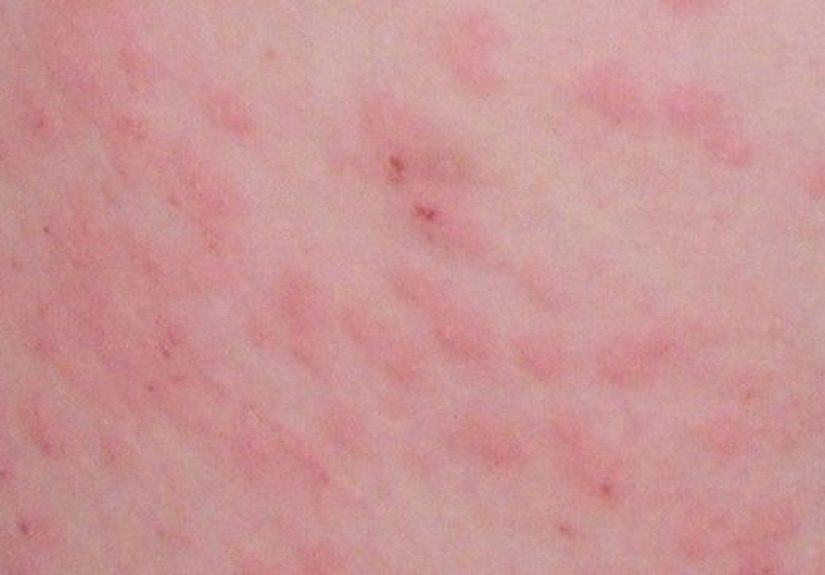
Some people also develop joint pain or a rash. Symptoms often begin between 3 and 17 days after exposure. In mild cases, they may resolve in days to weeks. In chronic or disseminated disease, symptoms may drag on for months and become progressively worse.
Red flags that deserve medical attention
- Symptoms after known exposure to bat or bird droppings
- Pneumonia that does not improve after antibiotics
- Unexplained weight loss or night sweats
- Confusion, severe headache, or neurologic symptoms
- Vision changes, blind spots, or wavy lines
- Serious illness in someone with HIV, COPD, or immune suppression
How Histoplasmosis Is Diagnosed
Diagnosis is one of the biggest challenges with histoplasmosis because the infection can imitate more common illnesses. A patient may first be treated for bacterial pneumonia, only to keep feeling awful because antibiotics do not kill fungi. That is why exposure history matters so much.
Tests doctors may use
- Urine antigen testing: Often one of the most useful tests, especially in more severe disease
- Blood tests: May include antigen or antibody testing
- Chest X-ray or CT scan: Can show pneumonia, nodules, lymph node enlargement, or lung cavities
- Sputum or bronchoscopy samples: Used to look for the organism in respiratory secretions
- Tissue biopsy or culture: Sometimes needed when the diagnosis is unclear or the disease is severe
Doctors are more likely to consider histoplasmosis when a patient has pneumonia plus a compatible exposure history, lives in or recently traveled to an endemic area, or has not improved after at least one course of empiric antibiotics.
Treatment and Recovery
Treatment depends on the type and severity of disease. That is an important distinction because not every case needs aggressive therapy.
Mild cases
Many mild cases of acute pulmonary histoplasmosis improve without antifungal treatment. Supportive care, rest, hydration, and monitoring may be enough if symptoms are short-lived and the patient is otherwise healthy.
Moderate, chronic, or disseminated cases
When illness is more severe, long-lasting, or has spread beyond the lungs, antifungal medication is usually needed. Itraconazole is commonly used for many non-severe cases. For serious disseminated or central nervous system disease, amphotericin B may be used first, often followed by a longer course of an azole antifungal.
Treatment is not a quick “take this for five days and carry on” situation. Depending on the form of histoplasmosis, therapy can continue for months, and severe disease may require close follow-up with infectious disease specialists.
What recovery may involve
- Repeat imaging to make sure lung findings are improving
- Follow-up lab tests
- Watching for relapse in immunocompromised patients
- Eye exams if ocular complications are suspected
- Pulmonary follow-up if scarring or chronic lung issues remain
Complications of Histoplasmosis
Most infections do not lead to severe complications, but when complications happen, they can be significant. This is especially true when diagnosis is delayed or when the patient has an underlying condition that weakens immune defenses.
Lung damage and chronic respiratory issues
Histoplasmosis can leave behind scarring, persistent inflammation, or cavities in the lungs. Some people continue to have shortness of breath or reduced exercise tolerance long after the acute infection improves.
Disseminated infection
When the fungus spreads through the body, it may involve the liver, spleen, bone marrow, skin, mouth, digestive tract, adrenal glands, or other organs. This can cause systemic illness, low blood counts, and organ dysfunction.
Central nervous system involvement
Spread to the brain or spinal cord can lead to meningitis-like illness, swelling, headaches, confusion, and impaired thinking. This is a medical emergency and requires specialized treatment.
Ocular complications
Ocular histoplasmosis can threaten vision, especially if abnormal blood vessels or retinal scarring develop. Early recognition is vital because some treatments are aimed at preserving sight before damage becomes permanent.
Fibrosing mediastinitis
This rare but serious complication involves dense scarring in the mediastinum, the space between the lungs. That scarring can compress nearby structures and create major breathing or circulation problems. It is uncommon, but it is one of the reasons histoplasmosis earns far more respect from specialists than the average person gives it.
Acute respiratory distress syndrome
Heavy exposure or severe lung inflammation can, in rare cases, contribute to acute respiratory distress syndrome. That means the lungs become severely inflamed and oxygen exchange becomes dangerously impaired.
Can Histoplasmosis Be Prevented?
You cannot bubble-wrap the outdoors, but you can reduce risk. Prevention centers on limiting exposure to contaminated dust.
- Avoid disturbing soil or debris contaminated with bird or bat droppings when possible
- Use proper protective equipment for high-risk cleanup or construction work
- Wet down dusty areas before sweeping or digging to reduce airborne spores
- Take extra precautions if you are immunocompromised
- Talk with a clinician before cave exploration, demolition work, or coop cleanup if you are high risk
People with weakened immune systems may need to be especially cautious around old barns, attics, roosting areas, and caves. Sometimes the smartest plan is also the least glamorous one: skip the dust cloud entirely.
Real-World Experiences With Histoplasmosis
One of the most frustrating experiences people describe with histoplasmosis is how ordinary it feels at first. It may begin like a routine chest cold, a touch of the flu, or a garden-variety case of pneumonia. A person develops fever, cough, fatigue, maybe a little chest pain, and assumes the worst part will be explaining to work why they sound like a rusty accordion. Then the symptoms linger. Antibiotics do not help. Energy drops. Breathing stays harder than expected. That is often the moment when the story shifts from “annoying bug” to “something isn’t right.”
Another common experience is not connecting the illness to a specific exposure until much later. A patient may forget to mention cleaning out a chicken coop three weeks earlier, helping demolish an old garage, crawling around an attic, or exploring a cave on vacation. Those details can seem random, but for clinicians they can be the clue that cracks the case. In real-world practice, exposure history is not just background color. It can be the difference between repeated misdiagnosis and getting the right test.
Patients with chronic lung disease often describe a different kind of worry. They may already live with COPD or emphysema, so when histoplasmosis hits, it can feel like their baseline breathing has been stolen. Even after treatment starts, recovery is not always neat or fast. Fatigue may linger. Follow-up scans may show nodules, scarring, or cavities that sound alarming even when they are being monitored appropriately. Hearing that a lung nodule could be a healed fungal lesion rather than cancer can bring huge relief, but it also often leads to weeks of waiting, repeat imaging, and understandable stress.
For people with weakened immune systems, the experience can be more intense and more urgent. Histoplasmosis may be one of several serious infections doctors are considering, especially in someone with advanced HIV, after organ transplant, or during immune-suppressing treatment. These patients often describe long diagnostic workups, hospital stays, specialist visits, and months of antifungal medication. Recovery can feel less like flipping a switch and more like rebuilding strength piece by piece. The medical side matters, but so does the emotional side: uncertainty, fear of relapse, and exhaustion from simply being sick for a long time.
Then there is the eye piece, which surprises many people. Someone may feel mostly recovered from a lung infection and later learn that histoplasmosis can also be associated with eye complications. Vision changes, blind spots, or wavy lines are not symptoms people casually shrug off, and for good reason. That possibility adds another lesson from real-life histoplasmosis experiences: recovery is not always only about the lungs. Sometimes it means follow-up with pulmonology, infectious disease, primary care, and ophthalmology, all because one little fungus managed to make itself very memorable.
The good news is that many people do recover well, especially when the diagnosis is made sooner and severe disease is treated appropriately. The most useful takeaway from these experiences is simple: if pneumonia symptoms will not quit, antibiotics are not helping, and there is any chance of bird, bat, dust, cave, barn, or demolition exposure, histoplasmosis deserves a seat at the diagnostic table. Preferably before it starts acting like it owns the place.
Conclusion
Histoplasmosis is a fungal infection with a surprisingly wide range. It can be silent, mild, stubborn, or dangerous depending on the amount of exposure, the health of the lungs, and the strength of the immune system. The main cause is inhaling Histoplasma spores from contaminated soil or dust, often in areas linked to bird or bat droppings. The major types include acute pulmonary disease, chronic cavitary pulmonary disease, disseminated disease, and less common but important complications involving the brain or eyes.
The biggest challenge is that histoplasmosis often masquerades as something else. That means exposure history, proper testing, and clinical suspicion matter a lot. For people with mild disease, time and supportive care may be enough. For others, antifungal treatment and close follow-up are essential. The bottom line is clear: a cough that refuses to move out, especially after the kind of dusty exposure that sounds suspicious in hindsight, should not be ignored.