Table of Contents >> Show >> Hide
- What Makes Hot Peppers Hot?
- The Nutritional Side of Hot Peppers
- Capsaicin and Metabolism: A Small but Interesting Spark
- Hot Peppers and Heart Health
- Anti-Inflammatory Potential
- Capsaicin for Pain Relief: Why the Burn Can Help
- Gut Health: Helpful for Some, Troublesome for Others
- Immune Support and Antioxidants
- How to Add Hot Peppers Without Regret
- Safety Tips for Handling Hot Peppers
- Who Should Be Careful With Hot Peppers?
- Best Food Pairings for Better Nutrition
- Cooking Experience: Learning to Love the Heat Without Losing the Plot
- Conclusion: A Little Fire Can Be a Good Thing
Hot peppers are tiny drama queens in the produce aisle. They look innocent, sit politely next to tomatoes, and thenone careless bite lateryour forehead turns into a sprinkler system. But behind the fiery attitude is a surprisingly nutritious plant with a long history in cooking, medicine, gardening, and, let’s be honest, friendly dares at the dinner table.
From jalapeños and serranos to cayenne, Thai chilies, habaneros, and ghost peppers, hot peppers belong to the Capsicum family. Their famous kick comes mostly from capsaicin, a natural compound that activates heat and pain receptors in the body. That burning feeling is not actual heat, though it may convince your tongue to file a formal complaint. It is chemistry doing a very spicy magic trick.
The good news? When enjoyed in reasonable amounts, hot peppers can do more than wake up bland food. They may support heart health, add antioxidants to your diet, encourage better appetite control, contribute vitamin C, and even inspire topical pain-relief products. The key phrase is “reasonable amounts.” Hot peppers can be helpful, but they are not a miracle cure, a substitute for medical care, or a green light to turn every meal into a volcano.
What Makes Hot Peppers Hot?
The heat in chili peppers comes from capsaicinoids, especially capsaicin. These compounds bind to TRPV1 receptors, which are involved in sensing heat and pain. That is why a bite of habanero can feel like your mouth has joined a tiny fire department training exercise.
Pepper heat is commonly measured with Scoville Heat Units, or SHU. Bell peppers sit at 0 SHU because they contain no meaningful capsaicin. Jalapeños are usually much milder than habaneros, while super-hot varieties can climb into eye-watering territory. However, heat can vary by pepper variety, growing conditions, ripeness, and even the specific fruit you grab from the basket.
Common Hot Peppers and Their Personality
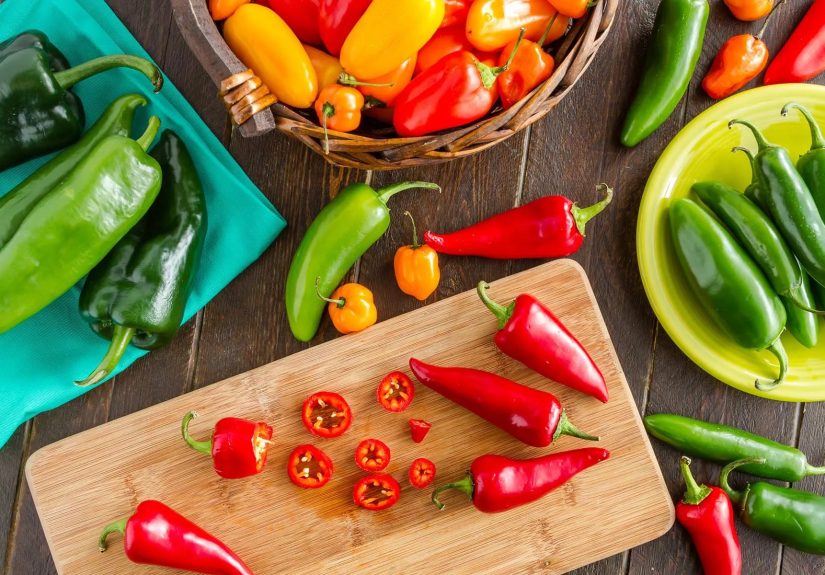
Jalapeños are the friendly gateway pepper: bright, grassy, and usually manageable. Serranos are sharper and hotter, great for salsa and fresh sauces. Cayenne peppers are often dried and ground into a red powder that adds steady warmth. Thai chilies bring serious heat in a small package, like a tiny chili wearing boxing gloves. Habaneros are fruity, floral, and intense. Ghost peppers and Carolina Reapers are best treated with respect, gloves, and possibly a motivational speech.
The Nutritional Side of Hot Peppers
Hot peppers are low in calories but surprisingly rich in nutrients. Raw chili peppers can provide vitamin C, vitamin A compounds, potassium, and plant-based antioxidants. Vitamin C supports immune function, helps the body make collagen, and assists with iron absorption. The colorful pigments in peppers, including carotenoids and other phytonutrients, also contribute antioxidant activity.
Because most people eat hot peppers in small amounts, they should be viewed as a flavorful nutritional boost rather than a full vegetable serving replacement. A spoonful of chopped chili will not do the job of a balanced plate, but it can make that plate more exciting. Think of hot peppers as the energetic backup dancer in your nutrition routine: not the whole show, but definitely improving the performance.
Capsaicin and Metabolism: A Small but Interesting Spark
Capsaicin has been studied for its possible effects on metabolism, thermogenesis, appetite, and energy expenditure. In plain English, hot peppers may slightly increase how much heat the body produces and may help some people feel satisfied sooner. That does not mean chili peppers melt body fat like a blowtorch. If weight management were that easy, gyms would be replaced by salsa bars.
The more realistic takeaway is this: spicy foods can support healthier eating patterns when they help you enjoy vegetables, beans, lean proteins, soups, and whole grains with less added sugar, salt, or heavy sauces. A bowl of lentil chili with fresh jalapeño is a very different story from a plate of deep-fried wings buried in salty hot sauce. The pepper is not the problem; the delivery vehicle matters.
Hot Peppers and Heart Health
Several large observational studies have linked regular chili pepper consumption with lower rates of death from cardiovascular causes. Researchers believe capsaicin’s possible effects on inflammation, blood vessel function, and metabolic markers may help explain the connection. Still, these studies show associations, not guaranteed cause and effect.
That distinction matters. People who eat chili peppers regularly may also have other lifestyle habits that influence health. They may eat more home-cooked meals, more plant foods, or more traditional diets. Hot peppers are not a medical shield. They are one flavorful part of a heart-conscious pattern that should also include fruits, vegetables, whole grains, legumes, healthy fats, regular activity, enough sleep, and not treating stress like a competitive sport.
A Smart Heart-Healthy Pepper Strategy
Use hot peppers to replace some salt-heavy flavoring. Fresh jalapeño, roasted poblano, crushed red pepper, cayenne, chili paste, or homemade salsa can add excitement without relying only on sodium. Be careful with bottled hot sauces, though. Many are delicious, but some are high in sodium. Read labels and use them as accents rather than beverages. Your tacos deserve flavor, not a saltwater bath.
Anti-Inflammatory Potential
Capsaicin has anti-inflammatory properties in laboratory and clinical research contexts. Low-grade inflammation is connected with many chronic health concerns, including metabolic disorders. This is one reason researchers continue studying chili peppers and spicy foods.
However, the word “anti-inflammatory” should not be stretched into fantasy. Eating hot peppers will not erase an unhealthy lifestyle, cure disease, or cancel out three nights of poor sleep and a breakfast made entirely of frosting. What they can do is contribute beneficial plant compounds to a balanced diet, especially when paired with other anti-inflammatory foods such as leafy greens, berries, beans, olive oil, nuts, seeds, and fatty fish.
Capsaicin for Pain Relief: Why the Burn Can Help
One of the most practical health uses of capsaicin is not on the dinner plate but on the skin. Topical capsaicin creams and patches are used to help relieve certain types of muscle, joint, and nerve pain. They work by affecting pain-signaling nerve cells, often creating a warming or burning sensation at first, followed by reduced pain signals over time.
This does not mean you should rub a sliced chili pepper on your sore knee. Please do not turn your kitchen into a questionable science lab. Commercial capsaicin products are formulated with specific concentrations and instructions. If someone uses topical capsaicin, they should follow the label carefully, wash hands after use, avoid eyes and sensitive areas, and ask a healthcare professional if they have concerns.
Gut Health: Helpful for Some, Troublesome for Others
Hot peppers have a complicated relationship with digestion. Some research suggests capsaicin may influence gut bacteria, support digestive function, and help with appetite regulation. Many people who eat spicy foods regularly develop tolerance over time and enjoy them without trouble.
For others, spicy foods can trigger heartburn, stomach pain, diarrhea, or discomfort. People with gastroesophageal reflux disease, irritable bowel syndrome, inflammatory bowel disease, gastritis, or other digestive conditions may need to limit or avoid hot peppers. The best rule is simple: your body gets a vote. If a food repeatedly causes symptoms, do not argue with your intestines. They have a microphone and they are not afraid to use it.
Immune Support and Antioxidants
Hot peppers can contribute vitamin C and antioxidant compounds that help protect cells from oxidative stress. Vitamin C is important for immune function, skin health, and tissue repair. Red and orange peppers also contain carotenoids, which the body can use in different ways, including as precursors to vitamin A.
Still, spicy food is not a cold cure. A hot bowl of chili may temporarily make your nose run, which can feel like relief when you are congested, but it does not replace rest, hydration, or medical care when needed. Use peppers as part of a colorful diet, not as a superhero cape for your immune system.
How to Add Hot Peppers Without Regret
If you are new to hot peppers, start small. Add a few slices of jalapeño to scrambled eggs, tacos, grain bowls, or sandwiches. Stir a pinch of cayenne into soup. Blend mild roasted poblanos into sauce. Try crushed red pepper on roasted vegetables. The goal is flavor plus warmth, not a personal challenge that ends with you whispering apologies to a glass of milk.
Easy Ways to Use Hot Peppers
Fresh salsa: Combine tomatoes, onion, cilantro, lime juice, and minced jalapeño. Remove the inner ribs and seeds for a milder version.
Spicy soup: Add cayenne or fresh chili to lentil soup, chicken soup, black bean soup, or vegetable stew.
Roasted peppers: Roast poblanos or jalapeños until blistered, peel if desired, and add them to tacos, eggs, or rice bowls.
Healthy marinades: Use chili, garlic, citrus, herbs, and a little olive oil to season fish, chicken, tofu, or vegetables.
Homemade hot sauce: Blend cooked peppers with vinegar, garlic, and a small amount of salt. Keep it simple, bright, and not so hot that it requires a warning label from your future self.
Safety Tips for Handling Hot Peppers
Capsaicin can cling to skin and transfer to eyes, lips, or other sensitive areas. When handling very hot peppers, wear gloves or wash hands thoroughly with soap after chopping. Avoid touching your face. If your mouth is burning, water usually does not help much because capsaicin is oily. Dairy products, bread, rice, or other starchy foods may calm the burn better.
Also remember that more heat does not equal more health. A mild pepper you enjoy regularly is more useful than an extreme pepper you eat once while questioning your life choices. Choose peppers that fit your tolerance and your recipe.
Who Should Be Careful With Hot Peppers?
Hot peppers are safe for many people when eaten in normal food amounts, but they are not ideal for everyone. People with frequent reflux, ulcers, severe digestive sensitivity, or certain medical conditions should pay attention to symptoms and talk with a healthcare professional if spicy foods cause problems. Anyone considering capsaicin supplements should be especially cautious, because supplements can deliver concentrated doses that are very different from food.
Children and spice-sensitive adults may also need milder options. A family meal does not need to become a fire-breathing contest. Serve chopped chilies, chili flakes, or hot sauce on the side so each person can adjust the heat. This strategy keeps dinner peaceful and prevents the classic phrase, “Who made this soup angry?”
Best Food Pairings for Better Nutrition
Hot peppers work beautifully with nutrient-dense foods. Pair them with beans for fiber and plant protein. Add them to avocado toast for healthy fats and flavor. Toss them with roasted sweet potatoes for a sweet-heat combination. Mix them into yogurt-based sauces for cooling creaminess. Use them in vegetable stir-fries to make broccoli taste less like a homework assignment.
Hot peppers also help reduce boredom in healthy meals. That matters more than people admit. A nutritious eating pattern only works if it is enjoyable enough to repeat. If a little chili turns a basic bowl of rice, beans, and vegetables into something you actually crave, that pepper is doing valuable work.
Cooking Experience: Learning to Love the Heat Without Losing the Plot
The first time many people cook seriously with hot peppers, they make the same mistake: they treat all peppers as if they are decorative vegetables with a spicy accent. Then they chop a habanero like it is a friendly orange mini-bell pepper, toss the whole thing into a sauce, and discover that dinner has become a character-building event.
A better experience starts with respect. In the kitchen, hot peppers are less like onions and more like musical volume. You can always turn the volume up, but once it is blasting, the neighbors are involved. Start with half a pepper, taste, and build slowly. Remove the white inner ribs and seeds if you want less heat, because much of the capsaicin is concentrated around those inner membranes. With jalapeños, that small step can turn “too much” into “just right.” With habaneros, it can turn “call for backup” into “still very serious, but delicious.”
One of the most satisfying ways to use hot peppers is in a simple tomato salsa. Fresh tomato brings sweetness and acidity, onion adds bite, cilantro adds freshness, lime juice brightens everything, and jalapeño provides the spark. The result tastes alive. It makes grilled fish, eggs, beans, and tacos feel like they have been upgraded from economy to first class. No fancy equipment requiredjust a knife, a bowl, and the wisdom not to rub your eye afterward.
Another excellent experience is roasting peppers. Roasting softens the sharp edges and adds smoky depth. A roasted poblano can make a soup taste richer without cream. Roasted jalapeños can give salsa a deeper, warmer flavor. Even a tiny amount of roasted hot pepper blended into a bean dip can make the whole dish more exciting. This is where hot peppers shine: they help simple ingredients taste layered, bold, and intentional.
Hot peppers also teach balance. Heat needs friends. Acid from lime or vinegar keeps spicy food bright. Fat from avocado, yogurt, olive oil, or nuts helps round out the burn. Sweetness from corn, mango, roasted carrots, or tomatoes can soften sharp heat. Salt should be used carefully, especially if you are thinking about heart health. A good spicy dish is not just hot; it is balanced. Otherwise, it is less of a meal and more of a weather event.
The best long-term lesson is to build tolerance gradually. Someone who starts with mild jalapeños may eventually enjoy serranos, cayenne, or Thai chilies. But there is no prize for suffering. The goal is flavor, not proving that your taste buds have joined a survival program. Hot peppers are most useful when they make healthy food more joyful, colorful, and repeatable. That is their real superpower: they can turn ordinary meals into something memorable while bringing along nutrients and interesting plant compounds for the ride.
Conclusion: A Little Fire Can Be a Good Thing
Hot peppers are more than a culinary dare. They are flavorful, nutrient-rich plants with capsaicin, antioxidants, vitamin C, and potential benefits for metabolism, heart health, inflammation, appetite, and pain relief. They can make healthy meals more exciting and help home cooks rely less on heavy sauces or excess salt.
But the smartest way to use hot peppers is with balance. Enjoy them in meals you already know support your health: soups, beans, vegetables, lean proteins, whole grains, and fresh sauces. Start small, respect your tolerance, and avoid turning every dinner into a five-alarm emergency. Hot peppers can boost your diet, but they work best as part of a healthy lifestylenot as a shortcut, cure, or edible fireworks show.