Table of Contents >> Show >> Hide
- Why The Delaunay Matters in Aldwych
- The Look: Old-World Drama Without the Dust
- The Food: European Comfort in a Tailored Suit
- Who Should Book a Table
- The Lodging Angle: Where to Stay Near The Delaunay
- What to Do Before or After You Eat
- Service, Value, and the Case for Reliability
- Final Verdict
- Experience Notes: How The Delaunay Fits a Real London Stay
- SEO Tags
If Aldwych had a uniform, it would probably involve polished shoes, a theater ticket, and a slight sense of purpose. This corner of London does not really do accidental glamour. It sits between Covent Garden, the Strand, Somerset House, and the West End, which means the neighborhood is forever welcoming people who are either going somewhere fabulous or pretending they are. Right in the middle of that elegant shuffle is The Delaunay, a restaurant that understands exactly what Aldwych needs: all-day hospitality, reliable polish, and food that feels comforting without feeling sleepy.
The Delaunay is not a hotel, and that is worth saying up front because the title of this piece lives in the wider world of hotels, lodging, and restaurants. But it absolutely belongs in that conversation. Great travel experiences are never built by a room key alone. They are shaped by where you start the morning, where you take shelter from rain, where you reset after a museum, and where you refuel before the curtain rises. In Aldwych, The Delaunay does all of that with the sort of confidence that makes other places seem like they are trying too hard.
Why The Delaunay Matters in Aldwych
There are restaurants that chase trends, and then there are restaurants that quietly become part of the city’s routine. The Delaunay is the second kind. It has the soul of a grand European café, the sort of place where breakfast can turn into a meeting, lunch can turn into a long conversation, and dessert can appear because the room has persuaded you that restraint is overrated. In a district filled with culture, offices, hotels, and theaters, that flexibility is not just charming. It is strategic.
The restaurant’s appeal starts with its location. Aldwych is one of those rare London areas that gives you access to a lot without forcing you into tourist-gridlock chaos. You can be at Somerset House, the Royal Opera House, the Aldwych Theatre, or Theatre Royal Drury Lane with very little effort. That makes The Delaunay especially useful for travelers staying nearby, theatergoers trying to avoid a frantic pre-show sandwich, and business diners who prefer their lunch with a side of grown-up atmosphere.
It also helps that The Delaunay understands the old luxury of being available. Some restaurants behave as if getting a table is a moral test. The Delaunay, by contrast, is open throughout the day and works hard to be useful at breakfast, lunch, dinner, weekend brunch, afternoon tea, and that golden pre- or post-theater window when people are short on time but unwilling to lower their standards.
The Look: Old-World Drama Without the Dust
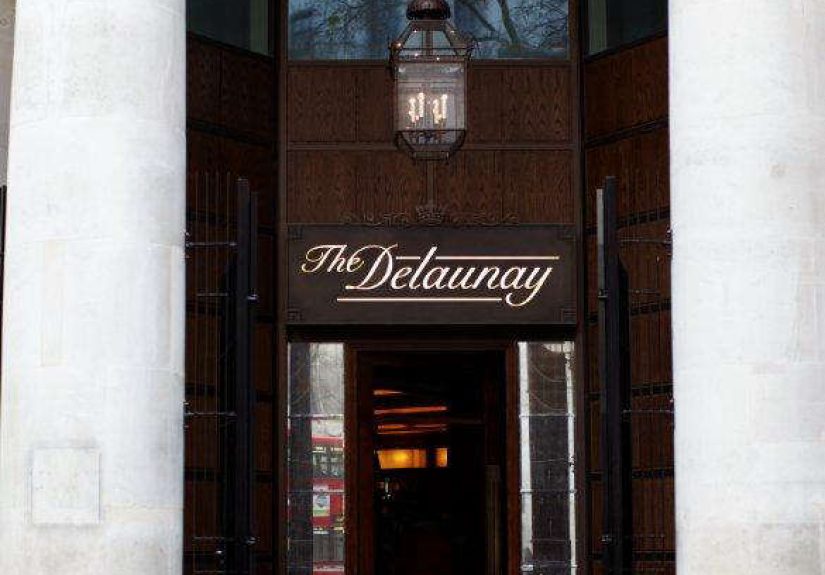
The first thing many people notice about The Delaunay is that it looks like a place where secrets have been kept very well. There is an unmistakable old-world mood to the room: dark wood, brass, a rich café-brasserie elegance, and the kind of grand scale that lets everyone feel slightly more composed than they did outside. It channels fin-de-siècle Vienna and Central European café culture, but in a way that feels warm rather than theatrical. Or rather, theatrical in the good way. This is Aldwych, after all.
The design matters because it shapes the meal before the first plate lands. Breakfast feels more ceremonial here. Lunch feels more important. Afternoon tea feels less like a social obligation and more like a civilized decision. Dinner feels like an event without requiring sparkle, feathers, or any commitment to discomfort. The room can carry a solo diner with a newspaper, a couple on a date, a family on a cultural weekend, or a polished business lunch without making any of them feel misplaced.
That versatility is harder to achieve than it looks. Many restaurants claim to be “all-day” but feel clearly built for one moment only. The Delaunay does not have that problem. It can be brisk and efficient when you need speed, yet still inviting enough to make you order coffee and linger. In hospitality terms, that is a serious skill.
The Food: European Comfort in a Tailored Suit
Breakfast and Brunch That Actually Justify Getting Up
Breakfast is one of the restaurant’s quiet strengths. Plenty of hotel breakfasts are efficient. Very few are memorable. The Delaunay leans into classic café pleasures: pastries, egg dishes, coffee, tea, and comforting morning standards that feel a little more dressed up than the average continental spread. Travel writers have singled out its breakfast appeal for years, and that makes sense. This is exactly the kind of room where an omelet seems like a better life choice than answering email.
Weekend brunch fits naturally into the same rhythm. If you are staying in Covent Garden or near the Strand, this is the sort of place that lets you begin the day in a relaxed, slightly glamorous mood before heading toward galleries, shopping, or a matinee. It is polished enough for an occasion and practical enough for a spontaneous city day.
Lunch and Dinner With Central European Confidence
The heart of The Delaunay’s menu is its grand café tradition, with strong Central European and Austro-Hungarian influences. That means dishes built around comfort, precision, and recognizable pleasures rather than culinary acrobatics. It is not trying to shock you with foam, smoke, or a beet presented as a philosophy. It is trying to feed you beautifully. Honestly, more restaurants should have that level of self-awareness.
Recent menus have featured the kinds of dishes regulars expect: schnitzels, sausages, goulash, beef Stroganoff, smoked haddock kedgeree, fish dishes, and classic desserts such as apple strudel. Fodor’s has also highlighted the restaurant’s wiener schnitzel, Hungarian goulash, frankfurters, and old-world dessert appeal, which tracks perfectly with the place’s identity. The menu reads like it knows coats exist, weather exists, and appetite should be treated with respect.
That does not mean everything is heavy. The balance is one of the restaurant’s strengths. You can eat here with great seriousness, or you can keep it light with a starter, a glass of wine, and something sweet at the end. Either way, the food feels aligned with the room. There is no clash between concept and execution. You come for a grand European brasserie experience, and that is exactly what shows up on the plate.
Tea, Cake, and the Bar: The Civilized Middle Ground
Afternoon tea is where The Delaunay’s pastry side gets to show off a little, and rightly so. The restaurant currently offers a daily afternoon tea shaped around finger sandwiches, scones, cakes, and a classic sense of occasion. It is an especially smart option for travelers who want a break between sightseeing and evening plans, or for anyone who likes the idea of tea without the fussiness that sometimes comes with it elsewhere.
The bar matters too. In neighborhoods built around performance and movement, people need somewhere to pause. The Delaunay has long understood that a drink before a show or a digestif after dinner is not an afterthought. It is part of the ritual. The adjacent Delaunay Counter also adds another layer to the experience, offering a more informal café-bar option for the days when you want the spirit of the place in a quicker, looser format.
Who Should Book a Table
Theatergoers are the obvious audience, and for good reason. The restaurant’s location makes it exceptionally practical before or after performances, and its prix-fixe offering helps diners who want something structured and efficient before curtain time. But limiting The Delaunay to pre-show dining would undersell it. This is also a strong choice for travelers who want one dependable restaurant during a London stay, the kind of place they can return to more than once without feeling repetitive.
Business diners will appreciate the calm confidence of the room. Couples will like the atmosphere, which is romantic without becoming syrupy. Solo travelers can settle in without feeling conspicuous. Families with older children can enjoy a proper city meal without entering a space that seems annoyed by their existence. That broad appeal is one of the reasons The Delaunay has staying power. It is not exclusive in tone, even when it is elegant in appearance.
The Lodging Angle: Where to Stay Near The Delaunay
If you are planning a stay built around Aldwych and Covent Garden, The Delaunay works best when paired with the right hotel. Think of it as the dining room anchor to a broader neighborhood experience.
One Aldwych for Refined Luxury
One Aldwych is the polished local heavyweight if you want five-star comfort almost on The Delaunay’s doorstep. The hotel presents itself as an independent luxury stay in Covent Garden with a strong sense of place, and its neighborhood positioning makes it a natural fit for guests who want culture, theater, and excellent dining within easy reach. If your ideal city break involves a smart room, a spa or pool moment, and dinner plans that require very little logistical gymnastics, this pairing makes excellent sense.
ME London for Contemporary Style
Travelers who prefer sleek lines, strong design, and a more modern luxury profile may lean toward ME London on the Strand. It adds a more contemporary edge to the area and suits visitors who want a stylish hotel while still staying close to Aldwych, Somerset House, and the West End. The contrast between ME London’s design-forward mood and The Delaunay’s grand-café charm can actually make for a satisfying trip: modern sleep, classic supper.
The Savoy for Old-School London Glamour
The Savoy remains one of the area’s most iconic hotel addresses, with riverside prestige, deep theater history, and a sense of occasion that begins before you even reach the lobby. Guests staying there are spoiled for dining options, of course, but The Delaunay offers a compelling alternative when you want a nearby meal that feels substantial, elegant, and less ceremonial than a full hotel dining event. It is a nice way to balance grandeur with ease.
The Resident Covent Garden for a Quieter Base
If your style leans less red carpet and more smart urban hideaway, The Resident Covent Garden offers a quieter kind of appeal. It positions itself as a calm oasis in the middle of a busy district, which will sound very attractive to travelers who like their neighborhoods lively but their rooms restful. From there, The Delaunay becomes an ideal breakfast, lunch, or dinner destination that gives your stay some extra polish without requiring a major outing.
What to Do Before or After You Eat
One reason The Delaunay works so well in travel planning is that it sits in a part of London where your day almost builds itself. Somerset House is nearby for exhibitions, events, and courtyard atmosphere. The Courtauld Gallery adds art-world credibility without demanding an entire day. The Royal Opera House remains one of the area’s cultural anchors. And if you are here for the stage, Aldwych Theatre and Theatre Royal Drury Lane keep the neighborhood’s performance energy high.
In practical terms, this means The Delaunay is not just a place to eat. It is a pivot point. Breakfast before a gallery. Lunch between meetings. Afternoon tea after wandering through Covent Garden. Dinner before the show. Late supper after applause. Good city restaurants make itinerary-building easier, and The Delaunay does that almost effortlessly.
Service, Value, and the Case for Reliability
In the age of restaurant hype, reliability is underrated. The Delaunay’s greatest strength may be that it knows what it is doing and does not need to reinvent itself every six minutes on social media. The service style tends toward polished rather than playful. The menu is recognizable but never dull. The room feels upscale, yet not intimidating. That combination gives diners something increasingly rare: confidence.
Value here is not about bargain-basement pricing. It is about whether the full experience feels worth it. In The Delaunay’s case, the answer is usually yes, especially if your priorities include atmosphere, convenience, and consistency. You are paying for a meal, of course, but you are also paying for the setting, the location, the timing, and the ease. In a neighborhood where a bad dining decision can derail an otherwise lovely evening, that matters more than ever.
Final Verdict
The Delaunay succeeds because it understands Aldwych better than many newer, louder places ever will. This is an area of theaters, hotels, galleries, visitors, locals, business lunches, romantic evenings, and long cultural days that need somewhere dependable in the middle. The restaurant answers that need with style, grace, and a menu that favors pleasure over gimmicks.
If you are staying nearby, it is one of the smartest tables in the district. If you are not staying nearby, it may still be worth organizing part of your day around it. That is the mark of a restaurant that has become more than a restaurant. In the language of travel, it is a destination within the destination. And in a city with endless options, that is no small achievement.
Experience Notes: How The Delaunay Fits a Real London Stay
Start with breakfast on a gray London morning, the kind where the sky looks undecided and everyone outside is moving faster than necessary. Step into The Delaunay and the weather immediately loses the argument. The room has warmth, scale, and enough polish to make coffee feel like an event. You order eggs, maybe a pastry, maybe both because you are on vacation and moral bookkeeping can resume on Monday. By the time the pot of tea lands, Aldwych stops feeling like a busy intersection and starts feeling like your neighborhood.
Then picture a late lunch after a morning at Somerset House or the Courtauld. You are art-full, slightly footsore, and absolutely unwilling to eat standing up. The Delaunay is perfect in that moment because it does not require a performance from you. You do not need to explain the menu to yourself. You do not need to decode whether the room wants a fashion statement. You sit down, order something Central European and comforting, and suddenly your cultural itinerary has been upgraded by gravy, pastry, or both. Civilization restored.
Now switch to a theater day. This may be the version of The Delaunay that best explains its reputation. A pre-show meal here feels composed rather than rushed. There is none of that sad panic-dining energy that hangs over some theater districts. Instead, you get proper pacing, a menu that makes sense, and the small pleasure of knowing the restaurant understands where many of its guests are headed next. You can eat well, have dessert if you are brave, and still arrive at your seat without sprinting like a Victorian messenger.
It also works beautifully after the show, when the city has softened and people are replaying scenes in their heads. Post-theater dining often falls into two categories: places that are too loud to think, or places that are already closing up emotionally and physically. The Delaunay lands in the sweet spot. It still feels elegant at night, but not so self-important that you feel you should whisper. A drink, a late bite, maybe cake if the evening deserves one, and suddenly the show has an encore in restaurant form.
Even the hotel pairing experience is unusually strong around here. Stay at One Aldwych and The Delaunay becomes your reliable neighborhood classic. Stay at ME London and it becomes the warm, old-world counterbalance to a sleek contemporary base. Stay at The Savoy and it offers a slightly different expression of London glamour nearby. Stay at The Resident Covent Garden and it gives your quieter lodging choice a grand public living room. That is the real magic of the place. It fits around different kinds of trips while still feeling entirely itself. No gimmicks, no identity crisis, just a very good room doing a very good job in exactly the right part of London.