
Table of Contents >> Show >> Hide
- What Is a Greenhouse?
- How Does a Greenhouse Work?
- The Greenhouse Effect: Garden Version vs. Planet Version
- What Plants Need Inside a Greenhouse
- Greenhouse Types for Year-Round Gardening
- How to Garden Year Round in a Greenhouse
- Best Crops to Grow in a Greenhouse
- Common Greenhouse Mistakes to Avoid
- How to Set Up a Greenhouse for Success
- Personal Greenhouse Experience: What Year-Round Gardening Really Teaches You
- Conclusion
- SEO Tags
There is something almost magical about stepping into a greenhouse on a cold morning. Outside, the world may be doing its best impression of a frozen vegetable aisle. Inside, tomato seedlings are stretching, lettuce is looking smug, and a pot of basil is pretending winter does not exist. But a greenhouse is not magic. It is science wearing gardening gloves.
So, how does a greenhouse work? In simple terms, a greenhouse captures sunlight, holds warmth, protects plants from harsh weather, and gives gardeners more control over the growing environment. That control can mean earlier seedlings in spring, longer harvests in fall, healthier transplants, and even fresh greens in winter. With the right setup, a greenhouse can turn gardening from a short seasonal hobby into a year-round rhythm.
This guide explains the greenhouse effect in gardening terms, how temperature and ventilation work, what you can grow through the seasons, and how to avoid common greenhouse mistakes. By the end, you will understand not only why greenhouses work, but how to make one work for you without accidentally creating a plant sauna.
What Is a Greenhouse?
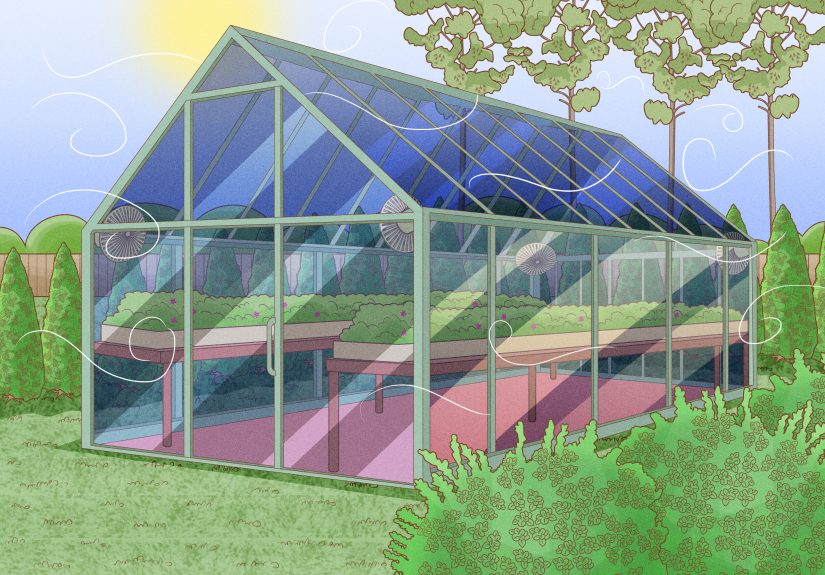
A greenhouse is a structure covered with transparent or translucent material such as glass, polycarbonate, acrylic, or polyethylene plastic. Its purpose is to let sunlight in while creating a protected space where temperature, moisture, airflow, and light can be managed more easily than in an open garden.
Greenhouses come in many forms. A small backyard greenhouse may look like a charming glass cottage for seedlings. A hoop house may be a simple plastic-covered tunnel. A lean-to greenhouse may attach to a garage or exterior wall. A commercial greenhouse may include fans, vents, heaters, irrigation systems, sensors, shade cloth, and enough technology to make your houseplants feel underqualified.
Despite these differences, all greenhouses share the same basic job: they create a more favorable microclimate for plants. That microclimate is warmer, calmer, and more predictable than outdoor conditions. It does not remove the need for gardening skill, but it gives gardeners a better steering wheel.
How Does a Greenhouse Work?
1. Sunlight Enters Through the Covering
The first step is light. Sunlight passes through the greenhouse covering and reaches plants, soil, benches, pots, and pathways. Plants use part of that light for photosynthesis, the process that helps them produce energy and grow. Meanwhile, darker surfaces inside the greenhouse absorb solar energy and convert it into heat.
This is why greenhouse placement matters so much. A greenhouse that sits in deep shade will not perform like one that receives generous sunlight. In most home gardens, a sunny location with good southern exposure is ideal, especially in colder climates where winter light is limited.
2. Surfaces Absorb Heat
Once sunlight enters, objects inside the greenhouse absorb it. Soil, water barrels, stone paths, raised beds, and even black nursery trays can store some of that warmth. During the day, the greenhouse temperature rises because solar energy is being collected faster than it escapes.
This is also why thermal mass is useful. Thermal mass refers to materials that absorb heat during the day and release it slowly when temperatures drop. Water is especially good at this. A few sealed barrels or jugs of water can act like a heat battery, helping reduce nighttime temperature swings. They will not turn Minnesota into Miami, but they can soften the cold enough to make a difference.
3. The Structure Slows Heat Loss
A greenhouse stays warmer than the outside air because its covering slows heat loss. The walls and roof reduce wind exposure, limit convective heat loss, and trap warmer air inside. In other words, the greenhouse gives plants a cozy jacket. Not a heated luxury spa jacket, necessarily, but still a jacket.
However, a greenhouse does not hold heat forever. On cold nights, especially in winter, heat escapes through the covering. Glass, plastic, and polycarbonate all lose warmth at different rates. Single-layer plastic is inexpensive but offers limited insulation. Double-wall polycarbonate costs more but holds heat better and is popular among home gardeners who want durability and improved energy performance.
4. Ventilation Releases Excess Heat and Moisture
Here is the surprise many new greenhouse gardeners learn quickly: overheating is often a bigger problem than cold. Even on a cool day, bright sun can raise greenhouse temperatures dramatically. Without ventilation, seedlings can wilt, flowers can drop, and lettuce can bolt faster than a cat hearing the vacuum cleaner.
Ventilation exchanges warm, moist indoor air with cooler outside air. Roof vents, side vents, roll-up walls, exhaust fans, louvers, and open doors all help regulate temperature. Good airflow also reduces humidity problems and lowers the risk of fungal diseases.
A healthy greenhouse is not sealed like a pickle jar. It breathes. Warm air rises and escapes through upper vents, while cooler air enters through lower side vents. Fans can improve circulation, especially in small greenhouses where air can become stale in corners.
The Greenhouse Effect: Garden Version vs. Planet Version
The phrase “greenhouse effect” is often used to describe Earth’s atmosphere, where certain gases trap heat near the planet’s surface. A gardening greenhouse works differently, but the comparison is useful. In both cases, sunlight enters, surfaces warm, and heat is retained.
In a physical greenhouse, the structure itself helps trap warm air and reduce heat loss. The covering also affects how light and heat move in and out. In the atmosphere, gases such as water vapor, carbon dioxide, and methane absorb and re-radiate heat. The science is not identical, but the cozy-blanket idea helps explain why plants inside a greenhouse often stay warmer than plants outside.
What Plants Need Inside a Greenhouse
Light
Plants need enough light to grow strong and productive. Fruiting crops such as tomatoes, peppers, cucumbers, and eggplants need abundant light. Leafy greens, herbs, and seedlings can often tolerate lower light, especially in cooler seasons.
In winter, short days and low sun angles can limit growth even if the greenhouse is warm. That is why many winter greenhouse gardeners focus on cold-hardy greens instead of trying to grow summer vegetables in January. You may keep a tomato plant alive with heat, but without enough light, it will mostly sit there looking philosophical.
Temperature
Temperature control is the heart of greenhouse gardening. Cool-season crops such as lettuce, spinach, kale, cilantro, parsley, scallions, and arugula prefer mild conditions. Warm-season crops such as tomatoes, peppers, basil, cucumbers, and melons need higher temperatures and are sensitive to frost.
A greenhouse can extend the season, but it does not automatically make every crop happy all year. The goal is to match crops to the season and manage the space accordingly. In winter, grow cold-tolerant crops. In spring, start transplants. In summer, grow heat-loving plants while controlling excess heat. In fall, shift back to greens and herbs.
Water
Greenhouse plants do not receive natural rainfall, so watering is entirely up to you. This is both a blessing and a responsibility. You can keep foliage dry, reduce disease risk, and water precisely. You can also forget one hot afternoon and return to basil that looks like it read a tragic novel.
Drip irrigation, watering cans, capillary mats, and soaker systems can all work. The best method depends on your crops and setup. Containers dry faster than in-ground beds. Small pots dry faster than large pots. Seedlings need consistent moisture, but mature plants generally prefer deep, less frequent watering rather than constant sogginess.
Humidity
Humidity rises quickly in a greenhouse because plants release moisture through transpiration and wet soil evaporates water. Some humidity is helpful, but too much creates problems. Condensation on walls, dripping ceilings, and constantly damp leaves can encourage diseases such as damping-off, powdery mildew, and botrytis.
Ventilation, plant spacing, careful watering, and morning irrigation help control humidity. Water early enough that foliage and surfaces can dry before evening. Avoid crowding plants so tightly that air cannot move between them. Plants enjoy neighbors, but they do not need a rush-hour subway experience.
Airflow
Airflow strengthens seedlings, reduces disease pressure, and helps maintain even temperatures. A small circulating fan can make a big difference. The goal is not to blast plants like they are in a wind tunnel. Gentle movement is enough to prevent stale pockets of humid air.
Greenhouse Types for Year-Round Gardening
Cold Greenhouse
A cold greenhouse has no permanent heat source. It protects plants from wind, rain, and frost, but temperatures may still drop near freezing. This type is useful for overwintering hardy plants, starting cool-season crops, and extending spring and fall harvests.
Cool Greenhouse
A cool greenhouse is kept just warm enough to avoid hard freezing. It may use passive solar design, insulation, thermal mass, or occasional supplemental heat. This setup is excellent for leafy greens, herbs, and hardy seedlings.
Warm Greenhouse
A warm greenhouse maintains temperatures suitable for tender plants. This usually requires reliable heat in cold climates. Warm greenhouses can support tropical plants, citrus, warm-season seedlings, and tender ornamentals, but heating costs can climb quickly.
High Tunnel or Hoop House
A high tunnel is usually a plastic-covered structure used to extend the growing season. Many high tunnels rely on passive solar heating and manual ventilation rather than mechanical heating. They are popular for vegetables because they are simpler and less expensive than fully equipped greenhouses.
How to Garden Year Round in a Greenhouse
Spring: Start Early and Grow Strong Transplants
Spring is greenhouse season with extra sparkle. While outdoor soil is still cold and unpredictable, you can start seeds for tomatoes, peppers, eggplants, herbs, flowers, cabbage, broccoli, and lettuce. A greenhouse gives seedlings more light than most windowsills and helps protect young plants from late frosts.
Use clean trays, sterile seed-starting mix, and labels. Labels are important because every gardener eventually learns that “mystery pepper” is not a reliable crop plan. Keep seedlings evenly moist, provide airflow, and harden them off before transplanting outdoors.
Summer: Manage Heat Like a Professional
Summer greenhouse gardening is less about trapping heat and more about surviving it. Tomatoes, peppers, cucumbers, basil, and eggplants can thrive, but only if temperatures are controlled. Open vents early, use shade cloth when needed, run fans, and water consistently.
If the greenhouse becomes too hot, pollen may become less viable, flowers may drop, and leaves may scorch. Shade cloth can lower heat stress while still allowing enough light for growth. In very hot climates, some gardeners remove plastic coverings from high tunnels during peak summer or use the greenhouse mainly for propagation and protected crops.
Fall: Extend the Harvest
Fall is one of the most rewarding greenhouse seasons. As outdoor temperatures drop, the greenhouse continues producing greens, herbs, carrots, radishes, scallions, and cool-season flowers. The soil remains warmer, wind exposure is reduced, and plants avoid many weather extremes.
This is the season to shift from heat-loving crops to cool-season performers. Plant lettuce, spinach, kale, arugula, mache, cilantro, parsley, and Asian greens. Many of these crops taste sweeter after cool weather, which is nature’s way of saying, “Fine, winter can have one redeeming quality.”
Winter: Think Protection, Not Miracles
Winter greenhouse gardening depends heavily on climate, structure, and heating. In mild regions, an unheated greenhouse can keep hardy greens growing steadily. In colder regions, growth may slow dramatically, but plants can survive and resume growth when light returns.
The key is to choose winter crops wisely. Kale, spinach, lettuce, claytonia, arugula, parsley, chard, scallions, and some Asian greens are good candidates. Add row covers inside the greenhouse for extra protection during cold snaps. This double-cover method creates a microclimate inside a microclimate, which sounds fancy because it is.
Best Crops to Grow in a Greenhouse
Easy Greenhouse Crops for Beginners
Beginner-friendly greenhouse crops include lettuce, spinach, kale, arugula, basil, parsley, cilantro, radishes, scallions, tomatoes, peppers, cucumbers, and strawberries. These crops respond well to protected growing conditions and give gardeners quick feedback.
Cool-Season Crops
Cool-season crops are perfect for fall, winter, and early spring greenhouse growing. Try lettuce, spinach, kale, Swiss chard, arugula, mustard greens, bok choy, carrots, radishes, turnips, parsley, cilantro, and peas. They prefer moderate temperatures and often struggle when greenhouse heat rises too high.
Warm-Season Crops
Warm-season crops shine in late spring and summer. Tomatoes, peppers, eggplants, cucumbers, basil, tomatillos, and melons can benefit from the added warmth and protection. They need strong light, consistent watering, and good airflow.
Plants That May Not Belong in a Small Greenhouse
Not every plant deserves premium greenhouse real estate. Large vining crops such as pumpkins and full-size squash can take over quickly. Tall sunflowers may outgrow the space. Potatoes often use too much room for the benefit gained. Choose crops that reward protection and fit your available space.
Common Greenhouse Mistakes to Avoid
Forgetting to Vent
The number one beginner mistake is keeping the greenhouse closed on sunny days. A greenhouse can heat up quickly, even when outdoor air feels cool. Use a thermometer, check daily, and install automatic vent openers if possible. Automatic openers are not glamorous, but neither is cooked lettuce.
Overwatering
Because greenhouse plants are sheltered, water does not evaporate exactly the same way it does outdoors. Some plants may dry quickly in containers, while others may stay damp too long. Check the soil before watering. Roots need oxygen as well as moisture.
Poor Plant Spacing
It is tempting to fill every inch of a greenhouse. Resist. Crowding reduces airflow, increases disease risk, and makes harvesting harder. Give plants room to grow and leave pathways wide enough for actual humans, not just garden fairies.
Using Dirty Pots and Tools
A greenhouse is a protected environment, which is great for plants and unfortunately also great for pests and diseases if sanitation is ignored. Wash pots, clean benches, remove dead leaves, and inspect plants often. Prevention is easier than evicting fungus gnats after they have signed a lease.
Ignoring Pollination
Outdoor gardens receive help from bees, wind, and other pollinators. Inside a greenhouse, that help may be limited. Tomatoes may need gentle shaking or an electric toothbrush to vibrate flowers. Cucumbers and squash may need hand pollination unless pollinators can enter. If flowers appear but fruit does not form, pollination may be the missing step.
How to Set Up a Greenhouse for Success
Choose the Right Location
Place the greenhouse where it receives strong sunlight, especially in winter and early spring. Avoid low spots where cold air settles or water pools. Make sure the site is convenient to access because a greenhouse needs regular attention. If it is too far away, you will visit less often, and plants are very good at turning neglect into drama.
Install Ventilation Early
Ventilation should not be an afterthought. Include roof vents, side vents, roll-up sides, fans, or automatic openers from the beginning. Good airflow is essential for temperature control, humidity management, and disease prevention.
Add Thermal Mass
Water barrels, stone paths, brick beds, and large containers can help store daytime heat. Place thermal mass where sunlight can reach it. Dark-colored containers absorb more heat, but avoid anything that could overheat plant roots in summer.
Use Shade When Needed
Shade cloth is a practical summer tool. It reduces heat stress and protects tender plants from scorching light. Different shade percentages are available, so choose based on your climate and crops. Leafy greens need more protection from heat than peppers or tomatoes.
Monitor Temperature and Humidity
A basic thermometer is essential. A min-max thermometer is even better because it shows how cold the greenhouse gets at night and how hot it gets during the day. A hygrometer helps track humidity. These tools are inexpensive and far more reliable than guessing based on how sweaty you feel.
Personal Greenhouse Experience: What Year-Round Gardening Really Teaches You
Gardening in a greenhouse teaches patience, observation, and humility. Mostly humility. The first time you walk into a greenhouse in early spring and see seedlings standing tall while the outdoor garden is still muddy and undecided, you feel like a genius. The first time you forget to open the vents on a sunny afternoon and find your lettuce auditioning for soup, you feel less like a genius.
One of the most useful lessons is that a greenhouse does not replace gardening instincts; it sharpens them. Outdoors, the weather makes many decisions for you. Rain waters the beds. Wind moves air. Cool nights slow growth. Pollinators arrive without an appointment. Inside a greenhouse, you become the weather department. You decide when to water, when to vent, when to shade, when to heat, and when to admit that twenty tomato plants in a tiny structure was perhaps an emotionally ambitious choice.
The best greenhouse routine is simple and consistent. Visit in the morning. Check the temperature. Open vents before heat builds. Look at the soil surface. Lift a few pots to judge moisture by weight. Scan leaves for spots, wilting, yellowing, or tiny pests. Remove dead foliage. In the evening, close vents if cold is expected. These small habits prevent most big problems.
Another experience many gardeners share is the joy of season shifting. Starting seeds in a greenhouse feels different from starting them on a windowsill. The light is stronger, the air is fresher, and the seedlings often grow stockier. By the time outdoor planting dates arrive, the greenhouse transplants are ready to move with confidence. They still need hardening off, but they usually adapt well because they have already lived in a brighter, more natural environment.
Fall may be even better. After the main garden begins to fade, the greenhouse becomes a quiet second act. Lettuce, spinach, kale, and herbs keep producing when the outdoor beds are slowing down. Harvesting fresh greens in chilly weather feels wildly luxurious, even if dinner is just a sandwich. There is something deeply satisfying about picking parsley in December while wearing a coat.
Winter greenhouse gardening also teaches realistic expectations. Unless you add heat and supplemental lighting, winter growth can be slow. Plants may survive more than they grow. That is not failure. It is seasonal biology. The greenhouse protects the crops, preserves harvest windows, and gives you earlier growth when light returns. Think of it as holding the garden in a gentle pause.
The most rewarding part of greenhouse gardening is how connected you become to small changes. You notice the angle of the sun, the way condensation forms after a cold night, the smell of warm soil, the difference between dry leaves and thirsty roots. You learn that plants do not need perfection. They need attention, balance, and a gardener willing to adjust.
A greenhouse is not a shortcut around nature. It is a partnership with nature. You are still working with sunlight, temperature, water, air, and time. The difference is that you have more tools, more flexibility, and more chances to keep growing when the regular garden season taps out. That is the real beauty of year-round gardening: not endless abundance every day, but steady possibility in every season.
Conclusion
A greenhouse works by capturing sunlight, storing warmth, reducing heat loss, and protecting plants from harsh outdoor conditions. But successful greenhouse gardening depends on balance. Heat is helpful until it becomes too much. Humidity supports growth until it invites disease. Protection extends the season, but plants still need light, airflow, water, nutrients, and space.
For year-round gardening, match your crops to the season. Use spring for seedlings, summer for heat-loving vegetables with strong ventilation, fall for extended harvests, and winter for hardy greens and protected crops. Add thermal mass, monitor temperature, use shade cloth when needed, and keep the air moving.
Whether your greenhouse is a backyard glasshouse, a plastic hoop house, or a humble cold frame, the principle is the same: create a better microclimate and manage it wisely. Do that, and your garden calendar becomes much longer, greener, and tastier. Also, you get to say things like “I need to check the greenhouse,” which makes you sound wonderfully productive even when you are really just admiring lettuce.






 Close
Close