Table of Contents >> Show >> Hide
- Understanding Shade Before Planting Anything
- My Basic Rule: Stop Fighting the Shade
- How I Improve Shade Garden Soil
- Dealing With Dry Shade
- Designing a Shade Garden That Does Not Look Sleepy
- Watering Shade Gardens the Smart Way
- Managing Pests and Problems in Shade
- My Favorite Shade Garden Plant Combinations
- Common Shade Gardening Mistakes I Try to Avoid
- How My Shade Gardens Changed the Way I Garden
- Extra Personal Experience: What I Have Learned From Living With Shade Gardens
- Conclusion
- SEO Tags
Shade used to feel like the garden’s polite way of saying, “Good luck, buddy.” I would stand under my trees, look at the patchy dirt, the mossy corners, the suspiciously happy weeds, and wonder why every sunny gardening magazine seemed to be written by someone living on a treeless prairie with perfect soil and a sprinkler system that never breaks.
Then I learned the secret: shade is not a problem. Shade is a personality. Some gardens want drama, some want tomatoes, and some want to be a cool woodland retreat where hostas, ferns, sedges, hydrangeas, coral bells, foamflower, and spring ephemerals quietly run the show. Once I stopped trying to force sun-loving plants into dark corners like a bad casting director, my shade gardens became some of the most beautiful, calm, low-stress spaces in my yard.
This is how I deal with shade in my garden: I study the light, improve the soil, choose plants that actually like the conditions, water with purpose, mulch like I mean it, and design with texture instead of expecting every corner to explode with flowers. Shade gardening is not giving up. It is gardening with a cooler hat.
Understanding Shade Before Planting Anything
The first mistake many gardeners make is treating all shade as the same. It is not. Shade has levels, moods, and, apparently, opinions. A spot that gets two hours of gentle morning light is very different from a dry patch under a maple tree where even optimism struggles to root.
Full Shade, Part Shade, and Dappled Shade
Full shade usually means an area receives less than about two hours of direct sunlight per day. Part shade or partial shade often means two to six hours of sun, usually with protection during the hottest part of the afternoon. Dappled shade is the soft, shifting light that filters through tree branches. It is the lighting equivalent of a flattering restaurant booth.
Before I plant anything, I watch the area for a full day. I check it in the morning, at noon, in late afternoon, and again near sunset. The same corner can look bright at breakfast and gloomy by lunch. I also pay attention through the seasons. A bed under deciduous trees may be sunny in early spring before the leaves emerge, then shady all summer. That seasonal change is a gift if you love spring bulbs, Virginia bluebells, trilliums, bloodroot, or other plants that enjoy the brief spring spotlight before the leafy curtain drops.
My Basic Rule: Stop Fighting the Shade
I no longer try to make a shade garden behave like a sunny border. That way lies disappointment, crispy leaves, and a suspicious amount of muttering. Instead, I ask a better question: what does this spot naturally want to become?
If the soil is moist and rich, I lean into lush woodland plants: ferns, hostas, astilbe, lungwort, foamflower, Japanese forest grass, and shade-tolerant hydrangeas. If the soil is dry because tree roots drink everything first, I choose tougher plants such as epimedium, barrenwort, Christmas fern, alumroot, wild ginger, sedges, hellebores, and certain native asters. If deer visit often, I become less sentimental and more strategic.
Shade gardening becomes much easier when plant selection matches the site. A full-sun plant in deep shade will not “learn to love it.” It will stretch, sulk, bloom poorly, or quietly vanish while making you feel responsible. Choose shade-loving plants from the beginning and the whole garden becomes less needy.
How I Improve Shade Garden Soil
Good shade gardens are built from the ground up. In nature, woodland plants grow in soil enriched by fallen leaves, decaying twigs, and years of organic matter. In many home landscapes, we remove every leaf in fall, haul away the natural mulch, and then wonder why the soil looks tired. It is like taking away the garden’s lunch and asking why it seems cranky.
Organic Matter Is the Secret Ingredient
When I start a shade bed, I add compost or well-rotted leaf mold to the top layer of soil. I do not aggressively till under established trees because tree roots often live close to the surface. Instead, I spread organic matter gently and let earthworms and weather do the mixing. In open beds away from major roots, I may loosen compacted soil more deeply, but under trees I use a lighter touch.
Shredded leaves are one of my favorite shade garden tools. Whole leaves can mat together and smother small plants, but shredded leaves break down beautifully, feed the soil, moderate temperature, and help retain moisture. They also look natural in woodland-style beds. Free mulch that falls from the sky? I try not to argue with that kind of generosity.
Mulch, But Do Not Smother
A two-inch layer of organic mulch helps keep shade garden soil evenly moist and reduces weeds. I keep mulch away from plant crowns and tree trunks. Mulch piled against stems can trap moisture and invite rot, pests, and other tiny garden villains. Around trees, I avoid the dreaded mulch volcano. Trees do not need turtlenecks made of bark chips.
Dealing With Dry Shade
Dry shade is the boss level of shade gardening. It usually happens under mature trees, especially shallow-rooted trees, where plants must compete for light, water, and nutrients. The soil can be dusty even after rain because the tree canopy catches water and the roots absorb what reaches the ground.
My strategy for dry shade is simple: plant small, water deeply during establishment, mulch well, and choose plants that can handle competition once mature. I avoid digging large holes through tree roots. Instead, I tuck in small plants between roots and water them consistently during their first season. Small plants establish with less disturbance and often adapt better than large, expensive specimens that arrive with a root ball the size of a Thanksgiving turkey.
Plants I Trust in Dry Shade
For dry shade, I like epimedium, hellebores, Christmas fern, carex, wild ginger, alumroot, Solomon’s seal, and some hardy geraniums. In native-style gardens, I look for regionally appropriate woodland plants that tolerate dry to medium conditions. The key is not just “shade tolerant,” but “shade and drought tolerant after establishment.” That last phrase matters. Even tough plants need regular water while they settle in.
Designing a Shade Garden That Does Not Look Sleepy
Shade gardens are often less flower-heavy than sunny gardens, but that does not mean they have to look dull. The trick is to design with foliage first. Flowers are wonderful, but in shade, leaves do much of the heavy lifting.
Use Texture Like a Paintbrush
I combine large, bold leaves with fine, delicate foliage. Hostas offer broad, architectural leaves. Ferns bring softness and movement. Sedges add grassy texture. Coral bells contribute colorful foliage in shades of burgundy, lime, silver, peach, and green. Hydrangeas provide structure and seasonal blooms. The result feels layered and intentional, not like a collection of plants waiting for more sun.
In a good shade garden, contrast is everything. A blue-green hosta next to a lacy fern looks better than five similar plants lined up like they are waiting at the DMV. I repeat key plants in small groups so the bed feels calm, but I vary leaf size and shape so it still has energy.
Layer the Garden
A shade garden looks best when it has layers: shrubs in the back, medium perennials in the middle, groundcovers at the front, and bulbs or spring ephemerals tucked between. Under trees, this layered approach mimics a woodland edge. It also helps cover soil, reduce weeds, and create a cooler microclimate.
For shrubs, I often consider oakleaf hydrangea, smooth hydrangea, azalea, rhododendron, witch hazel, viburnum, or native shrubs suited to the region. For the middle layer, I use hostas, ferns, astilbe, hellebores, Solomon’s seal, and coral bells. For groundcovers, I like foamflower, wild ginger, barrenwort, creeping phlox in brighter edges, and sedges where a grassy look fits.
Watering Shade Gardens the Smart Way
Shade gardens often need less water than sunny beds because cooler temperatures reduce evaporation. But “less water” does not mean “no water.” New plants need consistent moisture while roots establish. Dry shade under trees may need supplemental watering even after rain.
I water deeply rather than sprinkling lightly. A shallow sprinkle encourages shallow roots and gives the gardener a false sense of accomplishment. I aim to moisten the top several inches of soil, then let the surface begin to dry slightly before watering again. Drip irrigation or a soaker hose is ideal because it delivers water to the soil without soaking leaves.
Watering in the morning is best. It gives foliage time to dry and reduces disease pressure. Also, watering in the evening after mosquitoes clock in for their shift is not my idea of a peaceful hobby.
Managing Pests and Problems in Shade
Shade gardens are usually calm, but they are not immune to drama. Slugs, snails, fungal issues, deer, rabbits, and poor air circulation can all appear. The goal is not perfection. The goal is a healthy garden that can take a few bites and keep looking good.
Slugs and Snails
Slugs enjoy cool, moist shade and have expensive taste. They especially appreciate hostas, apparently because hosta leaves are the salad bar of the underworld. I reduce slug problems by avoiding overly wet mulch, spacing plants for airflow, removing hiding places like boards or dense debris, and checking vulnerable plants early in the season. Where needed, I use iron phosphate slug bait according to label directions.
Deer and Rabbits
In areas with deer pressure, I choose more deer-resistant options such as ferns, hellebores, epimedium, carex, and some aromatic or tough-textured plants. No plant is truly deer-proof. A hungry deer will eat almost anything and then look at you like you planted the buffet personally. Still, smart plant choices reduce heartbreak.
My Favorite Shade Garden Plant Combinations
Here are a few combinations I use or recommend because they offer contrast, season-long interest, and reasonable maintenance.
Cool Woodland Corner
- Oakleaf hydrangea for structure
- Christmas fern for evergreen texture
- Foamflower for spring bloom and groundcover
- Blue hosta for bold foliage
- Virginia bluebells or daffodils for early spring color
Dry Shade Under Trees
- Epimedium as a tough groundcover
- Hellebores for late winter and early spring flowers
- Carex for soft grassy texture
- Solomon’s seal for arching stems
- Wild ginger for low, glossy leaves
Bright Shade Border
- Variegated hostas for light-colored foliage
- Coral bells for burgundy or lime leaves
- Astilbe for feathery blooms in moist soil
- Japanese forest grass for movement
- Hydrangea for summer flowers
Common Shade Gardening Mistakes I Try to Avoid
The first mistake is buying plants only for their flowers. In shade, foliage matters more. A plant that blooms for two weeks but looks boring for five months may not earn its real estate.
The second mistake is ignoring soil moisture. Moist shade and dry shade are different worlds. A fern that thrives near a downspout may collapse under a thirsty maple. Read plant tags carefully and think beyond the word “shade.”
The third mistake is planting too many one-of-each plants. Shade gardens look best when plants repeat. Repetition creates rhythm and makes a garden feel designed rather than accidentally assembled during a clearance sale.
The fourth mistake is expecting instant fullness. Shade gardens often grow more slowly than sunny borders. That is normal. I fill gaps with mulch, patience, and maybe a decorative rock if I am feeling fancy.
How My Shade Gardens Changed the Way I Garden
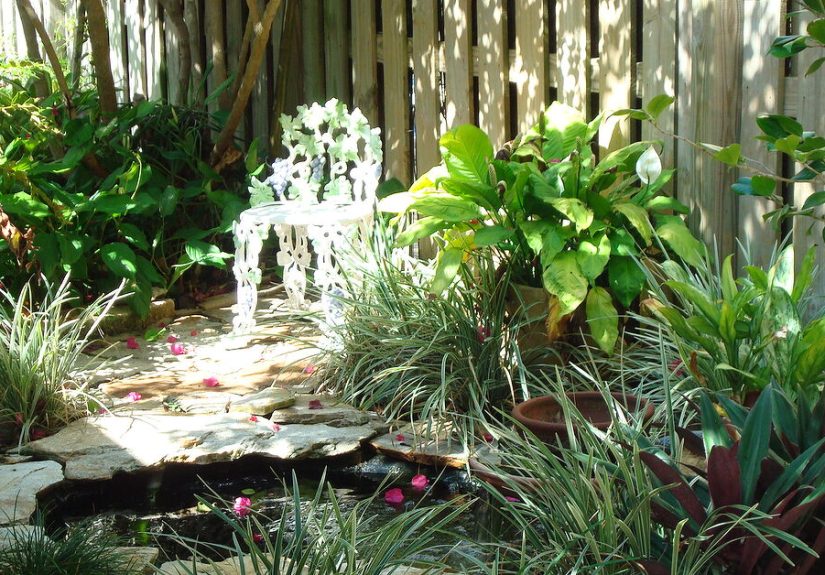
Once I embraced shade, I became a better gardener everywhere else. Shade taught me to observe before planting. It taught me that soil is not just dirt; it is the engine room. It taught me that beauty does not always need loud flowers. Sometimes it comes from leaf shape, contrast, cool air, and the quiet pleasure of a bench tucked under branches.
My shade gardens also made my yard more comfortable. On hot summer days, they feel like outdoor rooms. The colors are softer, the air is cooler, and the plants do not seem to be screaming for water every fifteen minutes. A well-planted shade garden can make a landscape feel mature, peaceful, and surprisingly luxurious.
Extra Personal Experience: What I Have Learned From Living With Shade Gardens
If I had to describe my shade gardening experience in one sentence, it would be this: the garden wins when I stop arguing with reality. For years, I looked at shady spots as wasted space. I wanted flowers, vegetables, and dramatic color, but the trees had other plans. Eventually, I realized the trees were not ruining the garden. They were giving it structure, privacy, wildlife value, and a built-in ceiling. I just needed to furnish the room properly.
One of my most useful habits is walking the garden after rain. That is when shade tells the truth. Some areas stay moist for days. Others look dry by lunchtime because tree roots and overhead branches intercept the water. I mark those observations mentally before adding plants. The moist pockets get ferns, astilbe, foamflower, and hydrangeas. The dry pockets get epimedium, hellebores, sedges, and other tough characters that do not faint at the first sign of competition.
I also learned to plant in drifts instead of singles. Early on, I bought one hosta, one fern, one coral bell, one astilbe, and one plant whose tag disappeared immediately, as plant tags love to do. The bed looked busy but not beautiful. Now I repeat plants in groups of three, five, or seven. A small sweep of the same fern looks calmer than a plant parade. Repetition makes even a modest shade garden look intentional.
Another lesson: paths matter. Shade gardens are often viewed up close, not from across a sunny lawn. I like narrow stepping-stone paths, mulch paths, or simple edges that invite people to wander. A shaded path curving behind shrubs creates mystery, even if the “mystery” is just a compost bin wearing a disguise.
I have also become more relaxed about leaves. I still clean up thick piles that could smother crowns, but I no longer strip the beds bare. Shredded leaves stay where they can break down and feed the soil. The result is better moisture, fewer weeds, and a more natural woodland feel. It is also less work, and I am deeply committed to gardening practices that make me look wise while saving my back.
The biggest emotional shift has been patience. Shade gardens do not always deliver instant fireworks. They mature slowly. A fern colony expands. A hosta clump gains size. A hydrangea settles in and finally blooms like it has forgiven you. Over time, the garden becomes richer, quieter, and more layered. It rewards attention rather than urgency.
Today, my shade gardens are the places I enjoy most. They are cooler in summer, softer in color, and easier on the eyes. They attract birds, shelter small wildlife, and make the yard feel complete. The sunny garden may get applause, but the shade garden gets the sigh of relief. And honestly, in July, that is the better review.
Conclusion
Dealing with shade is not about surrendering to a difficult part of the yard. It is about understanding what shade can do beautifully. When you identify your light levels, improve the soil with organic matter, mulch carefully, choose plants suited to moist or dry shade, and design with foliage texture, a shady corner can become one of the most graceful parts of the landscape.
My shade gardens remind me that gardening is not about forcing every space to perform the same trick. Some places want tomatoes. Some want roses. And some want ferns, hostas, hydrangeas, sedges, leaf mold, birdsong, and a bench where you can sit while pretending you are “checking plant health.” Shade is not the enemy. It is an invitation to garden differently.