Table of Contents >> Show >> Hide
- Why Tariffs Matter to Everyday Shoppers
- The Resale Market Is Moving From “Budget Hack” to Mainstream Strategy
- How Tariffs Are Changing Buyer Behavior
- How Tariffs Are Changing Seller Behavior
- Categories Most Likely to Benefit From Tariff-Driven Resale Growth
- How Buyers Can Make the Most of the Tariff-Driven Resale Boom
- How Sellers Can Make the Most of It
- What Businesses Should Learn From the Resale Shift
- Potential Downsides: Resale Is Not Immune to Inflation
- Real-World Experiences: What Tariff-Era Resale Looks Like on the Ground
- Conclusion
Tariffs used to sound like something discussed in fluorescent-lit conference rooms by people who owned too many spreadsheets. Now they are showing up in shopping carts, resale apps, thrift stores, Facebook Marketplace listings, and that slightly chaotic garage sale where someone is trying to sell a lamp, a snowboard, and a bread machine from 1998.
Across the United States, higher import costs and changing trade rules are reshaping how people shop. New clothing, electronics, furniture, toys, home goods, and accessories often depend on global supply chains. When tariffs raise the cost of bringing those products into the country, retailers may absorb some of the hit, negotiate with suppliers, shrink margins, or raise prices. Consumers, being wonderfully practical creatures, respond by looking for better deals. That is where the resale market steps into the spotlight wearing a vintage jacket and a very confident smile.
The resale market, also called recommerce or the secondhand economy, is no longer a dusty corner of retail. It includes thrift stores, consignment shops, refurbished electronics sellers, online marketplaces, peer-to-peer resale apps, brand-run trade-in programs, used furniture platforms, sneaker resale, luxury authentication services, and local buy-sell groups. Tariffs are not the only reason resale is growing, but they are adding fuel to an already busy fire.
Why Tariffs Matter to Everyday Shoppers
A tariff is a tax on imported goods. Technically, importers pay it when goods enter the country. Practically, the cost often moves through the supply chain until some of it lands in the retail price. That does not always happen overnight. Retailers may have older inventory, seasonal contracts, or pricing strategies that delay the impact. But over time, higher landed costs can turn into higher shelf prices.
For shoppers, the effect is simple: the same item can cost more than expected. A backpack, sofa, laptop case, coffee table, pair of shoes, or children’s toy may carry costs influenced by materials, manufacturing location, shipping, warehousing, and duties. Tariffs squeeze all of those decisions into one uncomfortable math problem.
For resale, the story is different. A used jacket already sitting in Ohio, a refurbished phone in Texas, or a dining table listed by a family in Oregon is not being imported again. It may have been affected by tariffs when it was first sold new, but the secondhand transaction usually happens inside the domestic market. That gives resale a major advantage when new-goods pricing becomes unpredictable.
The Resale Market Is Moving From “Budget Hack” to Mainstream Strategy
Not long ago, shopping secondhand was sometimes framed as a niche habit. Today, it is a normal part of American shopping behavior. Consumers buy used goods to save money, find unique items, reduce waste, access better quality for less, and avoid paying full price for products that lose value the second they leave the store.
Tariffs make that value equation even stronger. If a new imported item rises from $80 to $95, a used version at $45 suddenly looks less like a compromise and more like a small act of financial genius. The resale market thrives when consumers compare total value, not just newness.
This shift is especially visible in apparel. Clothing is one of the easiest categories to buy secondhand because sizing, brand recognition, photos, and condition descriptions are familiar to most shoppers. Fashion resale platforms have made the process smoother, while social media has made thrift finds feel fun rather than frugal in a gloomy way. “Pre-loved” now sounds charming. “Used” used to sound like a warning label.
How Tariffs Are Changing Buyer Behavior
1. Shoppers Are Comparing New vs. Used More Carefully
Tariff pressure encourages shoppers to pause before clicking “buy now.” Instead of automatically purchasing new, many people search for the same item on resale platforms. A consumer looking for a stroller, office chair, winter coat, tablet, dresser, or designer bag may compare the new price with local and online secondhand options.
This behavior is powerful because resale does not need every shopper to become a full-time thrifter. It only needs consumers to check secondhand first for certain categories. Once that habit forms, it can stick. People discover that resale is not only cheaper; sometimes it is better. Older furniture may be sturdier. Vintage clothing may have better fabric. Refurbished electronics may include warranties. Local pickup may avoid shipping delays. Suddenly, secondhand is not Plan B. It is Plan Smart.
2. Consumers Are Trading Down Without Feeling Like They Lost
When prices rise, consumers often trade down. In traditional retail, that might mean choosing a cheaper new brand. In resale, trading down can mean buying a higher-quality product used. Instead of buying a new low-end bookshelf, a shopper might buy a solid wood used one. Instead of choosing fast fashion at full price, they may buy a better brand secondhand.
This is why resale can feel different from ordinary bargain hunting. The shopper is not always sacrificing quality. In many cases, they are upgrading quality while lowering cost. That is a very persuasive combination, especially when new-product prices feel inflated.
3. Younger Shoppers Are Treating Resale as Normal
Gen Z and millennials have helped make resale culturally mainstream. They are comfortable with resale apps, creator-led thrift hauls, closet cleanouts, sustainability messaging, and the idea that personal style does not need to come shrink-wrapped from a mall. Tariffs add another reason to embrace secondhand: affordability.
Younger shoppers are also more likely to mix new and used items without treating them as separate worlds. A wardrobe might include a new basic T-shirt, thrifted jeans, resale sneakers, a secondhand luxury bag, and a vintage jacket. The result is personal, budget-conscious, and algorithm-friendly. If an outfit gets compliments, nobody asks whether the jacket paid import duties.
How Tariffs Are Changing Seller Behavior
1. More Households Are Turning Clutter Into Cash
When prices rise, people often look around their homes and realize they are sitting on inventory. Closets, garages, basements, and storage units become miniature warehouses. That unused blender, extra monitor, formal dress, baby gear, bike rack, or stack of collectible sneakers can become cash.
Tariffs can make used items more attractive to buyers, which gives sellers an opportunity. If new furniture is expensive, used furniture becomes easier to sell. If new electronics accessories rise in price, lightly used alternatives gain appeal. If apparel costs climb, closets become treasure chests with hangers.
2. Small Resellers Are Watching Import-Heavy Categories
Experienced resellers pay attention to categories most exposed to tariff-related price pressure. Apparel, footwear, home goods, furniture, toys, electronics accessories, appliances, and certain sporting goods can all become more attractive when new versions cost more. Resellers who understand these shifts can source smarter and price with more confidence.
For example, if imported flat-pack furniture becomes more expensive, a reseller who can find sturdy used bookshelves, desks, and dining sets locally may see stronger demand. If new children’s gear rises in price, parents may become more open to buying used items in safe, clean, well-described condition. If new clothing prices climb, brand-name secondhand apparel can move faster.
3. Brands Are Taking Resale Seriously
Retailers and brands have noticed that resale is not going away. Many now offer trade-in, repair, certified pre-owned, refurbished, or resale programs. These programs help brands keep customers inside their ecosystem even when shoppers are not buying new. A customer who trades in a jacket for store credit may buy another item from the same brand. A shopper who buys certified pre-owned electronics may later upgrade within the same brand family.
Tariffs make these circular models more appealing. If importing new inventory gets more expensive, extending the life of existing products becomes more than a sustainability talking point. It becomes a business strategy.
Categories Most Likely to Benefit From Tariff-Driven Resale Growth
Apparel and Footwear
Clothing is the headline category for resale growth. It is easy to photograph, ship, search, and compare. Tariff-related price increases in new apparel can push more shoppers toward thrift stores, consignment boutiques, resale apps, and brand-operated secondhand platforms. Footwear also has strong resale potential, especially for sneakers, boots, and children’s shoes that are still in good condition.
Furniture and Home Decor
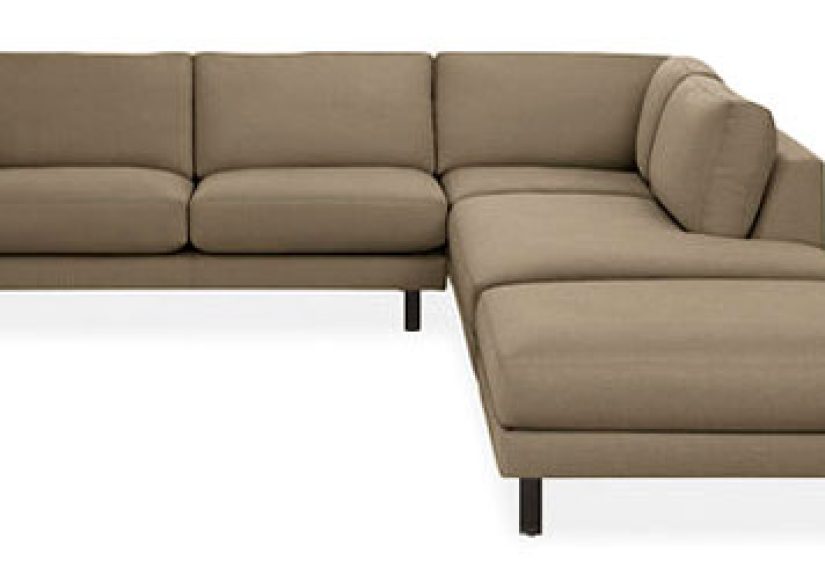
Furniture is bulky, expensive to ship, and often imported. That makes local resale especially attractive. A used dining table, dresser, desk, sofa, or patio set may offer major savings compared with new options. Home decor also benefits from the charm factor. A vintage mirror or ceramic lamp does not need to apologize for not being new; it can simply call itself “character-rich” and raise one eyebrow.
Electronics and Accessories
Electronics resale is more complicated because buyers worry about batteries, warranties, compatibility, and hidden defects. Still, certified refurbished products, used tablets, gaming consoles, monitors, cameras, and accessories can perform well when new prices rise. The key is trust. Sellers who provide clear specs, serial information where appropriate, battery health details, return policies, and honest condition notes can stand out.
Baby and Kids’ Gear
Families feel price increases quickly because children outgrow everything at Olympic speed. Clothing, toys, strollers, books, sports gear, and furniture can all work in resale. Safety matters, so sellers should avoid recalled products and clearly disclose condition. Buyers should check current safety standards before purchasing used car seats, cribs, helmets, or other safety-sensitive items.
Luxury Goods and Collectibles
Luxury resale can benefit when new prices climb, but authentication is everything. Handbags, watches, jewelry, sneakers, and collectibles need documentation, clear photos, platform protections, and realistic pricing. Tariffs may increase interest in pre-owned luxury, but buyers are cautious for a reason. Nobody wants to pay premium money for a “designer” bag that has the emotional integrity of a gas station sunglasses rack.
How Buyers Can Make the Most of the Tariff-Driven Resale Boom
Start With a New-Price Benchmark
Before buying used, check the current new price. This gives you a realistic baseline. A secondhand item at 30 percent off may not be impressive if the new version is on sale. But a high-quality used item at 60 percent off, especially in excellent condition, may be a strong buy.
Search Across Multiple Platforms
Do not rely on one marketplace. Check local listings, national resale apps, thrift stores, consignment shops, refurbished retailers, and brand resale programs. Prices vary widely. The same chair that costs $180 on one platform might be $75 locally because the seller wants it gone before moving day.
Use Condition as a Negotiating Tool
Small flaws can create savings. A scratch on the back of a dresser, a missing original box, or a jacket that needs a button may lower the price without reducing usefulness. Be polite, specific, and fair when negotiating. “Would you consider $60 because of the scuff on the leg?” works better than “lowest price?” which has the personality of a wet receipt.
Prioritize Quality Over the Biggest Discount
The cheapest item is not always the best value. A $40 used desk that wobbles like a nervous giraffe is not a bargain if you replace it in three months. Look for durable materials, reputable brands, repairability, and seller transparency.
Move Fast on High-Demand Items
Tariff pressure can increase demand for used goods, which means great listings disappear quickly. Save searches, set alerts, and be ready to purchase when the price and condition are right. For local pickup, message clearly and arrange safe public meetups when possible.
How Sellers Can Make the Most of It
List Items While Demand Is Hot
If new prices are rising in a category, do not wait forever to list your used version. Seasonal timing matters too. Sell coats before winter, patio furniture before summer, dorm items before back-to-school season, and toys before the holidays. Resale is partly economics and partly calendar magic.
Write Better Descriptions Than Everyone Else
A strong listing should include brand, model, size, dimensions, materials, condition, flaws, age, pickup or shipping details, and why the item is useful. Good descriptions reduce questions and build trust. Instead of “chair,” write “solid wood desk chair, minor scratches, sturdy frame, seat height 18 inches.” Congratulations, you have already beaten half the internet.
Take Bright, Honest Photos
Photos sell the item before your words get a chance. Use natural light, clean backgrounds, multiple angles, close-ups of flaws, and scale references when useful. Do not hide damage. Hidden flaws become disputes, returns, bad reviews, and the kind of inbox drama nobody needs.
Price With Strategy, Not Sentiment
Your item’s value is not based on what you paid in 2017, how much you loved it, or the fact that it “still has good vibes.” Search sold listings and current competition. Price slightly above your minimum if you expect negotiation, but stay realistic. Tariffs may raise demand, but they do not turn every old toaster into a collectible artifact.
Bundle Lower-Value Items
Bundles work well for clothing, books, toys, craft supplies, kitchen items, and kids’ gear. A buyer may ignore one $6 shirt but jump on a bundle of five for $25. Bundling also saves time, packaging, and messaging.
What Businesses Should Learn From the Resale Shift
For retailers, tariffs are a warning that price sensitivity is not temporary. Consumers have learned to compare, wait, search, substitute, and buy used. Businesses that assume shoppers will simply accept higher prices may be disappointed.
Retailers can respond by adding resale channels, offering repair services, launching trade-in credits, selling open-box goods, improving product durability, and being transparent about pricing. A brand that helps customers manage costs can earn loyalty even in a difficult pricing environment.
Small businesses can also benefit. Local consignment shops, repair technicians, vintage dealers, furniture refinishers, electronics refurbishers, and online resellers can position themselves as practical alternatives to expensive new goods. The message is simple: before you pay more for new, see what already exists.
Potential Downsides: Resale Is Not Immune to Inflation
The resale market can help consumers save money, but it is not magic. If demand rises sharply, secondhand prices can rise too. Popular brands, rare sizes, quality furniture, and in-demand electronics may become more competitive. Thrift stores may increase prices, resellers may source more aggressively, and buyers may find fewer obvious bargains.
There is also the issue of quality control. As more shoppers enter resale, scams and misleading listings can follow. Buyers should use trusted platforms, read seller reviews, inspect items carefully, and avoid deals that feel suspicious. Sellers should protect themselves with clear policies, documented photos, and secure payment methods.
Real-World Experiences: What Tariff-Era Resale Looks Like on the Ground
Imagine a family preparing for back-to-school shopping. Last year, they bought new backpacks, shoes, jeans, lunch boxes, and a desk for homework. This year, prices feel heavier. Instead of buying everything new, they split the list. Shoes and school supplies are purchased new, but the desk comes from a local marketplace, the jeans come from a resale app, and the backpack is a barely used brand-name find from a neighborhood parent group. The family saves money without feeling like they downgraded. In fact, the desk is better than the new budget option they first considered.
Now picture a young professional furnishing a first apartment. New furniture prices are discouraging, delivery fees are annoying, and the apartment stairs look like they were designed by someone with a grudge. Instead of ordering a full set of new furniture, the shopper searches locally. A solid wood table appears for $120. A bookshelf is listed for $40 because the seller is moving. A vintage floor lamp adds personality for less than the price of a new basic model. The apartment ends up looking more interesting, less cookie-cutter, and much cheaper. Tariffs may have pushed the shopper away from new imports, but resale helped create a better result.
For sellers, the experience can be just as practical. Someone cleaning out a garage may discover that items once considered clutter now have real value. A used bike, a pair of speakers, a coffee table, and a box of children’s books can become grocery money, savings, or store credit. The seller learns that timing matters: list patio chairs in spring, boots in fall, and electronics before holiday shopping peaks. The more expensive new goods become, the more attractive well-presented used goods can look.
Small resellers are also adapting. A part-time reseller who once focused only on fashion may begin watching furniture, home office gear, and refurbished electronics. They notice that buyers ask more questions about durability, brand, and replacement cost. Listings that compare value clearly perform better. For example, “similar new models sell for about $300” can help a buyer understand why a clean used version at $125 is worth considering. The best sellers are not just flipping products; they are solving price problems.
There is also a lifestyle lesson here. Tariff-era resale rewards patience, flexibility, and curiosity. The shopper who needs one exact item by tomorrow may still buy new. But the shopper who can wait, search, negotiate, and compare often wins. Resale turns shopping into a treasure hunt, but the treasure is not always rare or glamorous. Sometimes it is a perfectly good office chair that saves your back and your budget.
The biggest experience-based takeaway is that resale works best when people treat it as a system, not a last-minute scramble. Buyers should keep wish lists, track prices, and learn which brands hold value. Sellers should clean items, photograph them well, and list them at the right moment. Families should build a habit of checking secondhand before buying new. Businesses should think about resale as part of the customer journey. In a market reshaped by tariffs, the winners are not only the people who spend less. They are the people who understand value before everyone else catches on.
Conclusion
Tariffs are changing the resale market by making secondhand goods more attractive, more competitive, and more central to everyday shopping. As new imported products become more expensive or unpredictable, consumers are finding value in items that already exist. Sellers are turning unused belongings into income. Retailers are exploring trade-in and circular business models. The result is a resale economy that feels less like a backup plan and more like a smart response to modern retail pressure.
For buyers, the best strategy is to compare prices, search widely, inspect carefully, and prioritize long-term value. For sellers, the opportunity lies in timing, presentation, honest descriptions, and smart pricing. For businesses, resale is no longer a side trend. It is a signal that consumers want affordability, durability, flexibility, and trust.
In other words, tariffs may be making new goods pricier, but they are also giving resale its main-character moment. And honestly, resale has been waiting in the wings for years, wearing a fantastic vintage coat.