
Table of Contents >> Show >> Hide
- Why Baked Salmon Is a Smart Choice for Healthy Meals
- How to Choose the Best Salmon for Baking
- How to Bake Salmon Perfectly
- Best Seasonings for Baked Salmon
- Healthy Side Dishes That Make Salmon a Complete Meal
- Common Mistakes to Avoid When Baking Salmon
- How to Store and Reheat Baked Salmon
- How to Bake Salmon for Different Lifestyles
- Real-Life Experiences With Baked Salmon: What Home Cooks Learn Fast
- Conclusion
There are weeknight dinners, and then there are hero weeknight dinners. Baked salmon belongs in the second group. It is fast, flexible, full of flavor, and somehow manages to feel both wholesome and a little fancy, like a dinner that wears sneakers with a blazer. If your usual cooking routine swings wildly between “I should eat something healthy” and “toast counts as a meal, right?”, salmon is here to save the day.
Learning how to bake salmon is one of the easiest ways to put a nutritious, satisfying meal on the table without spending your whole evening scrubbing pans or Googling whether fish is supposed to look like that. Done right, baked salmon is tender, flaky, rich without being heavy, and ready to pair with everything from roasted vegetables and rice to salads, potatoes, and grain bowls.
This guide breaks down exactly how to bake salmon for quick, healthy meals, including the best temperatures, timing, seasoning ideas, storage tips, and the most common mistakes that turn a beautiful fillet into dry pink regret. Let’s make salmon the easiest smart dinner in your rotation.
Why Baked Salmon Is a Smart Choice for Healthy Meals
Salmon has earned its reputation for a reason. It is packed with high-quality protein, rich in omega-3 fatty acids, and easy to fit into a balanced eating pattern. In plain English: it helps you eat like an adult without making dinner feel like punishment.
From a nutrition standpoint, salmon checks a lot of boxes. It supports fullness, works well in heart-conscious meals, and pairs beautifully with vegetables, whole grains, beans, and healthy fats like olive oil or avocado. That makes it an ideal choice for people who want meals that are nourishing, practical, and not tragically boring.
From a cooking standpoint, salmon is a dream. It bakes quickly, does not need a long marinade, and can go in countless flavor directions. Lemon and herbs? Great. Garlic butter? Excellent. Dijon and maple? Weeknight gold. Chili crisp and honey? You’re suddenly the interesting person at dinner.
Best of all, baking salmon is less fussy than stovetop methods. You do not need to hover over a skillet like you are defusing a bomb. The oven does the work while you toss together a salad, roast some broccoli, or simply stand there enjoying the rare silence of a meal that is almost finished.
How to Choose the Best Salmon for Baking
Fresh vs. Frozen Salmon
Fresh salmon is great, but frozen salmon is not some culinary failure. In many cases, frozen fish is an excellent option because it is frozen soon after processing and can still deliver great texture and flavor. If frozen fillets fit your budget and schedule better, buy them with confidence. Dinner does not care whether your salmon arrived with a dramatic backstory.
If using frozen salmon, thaw it in the refrigerator when possible. If you are short on time, many oven methods also work with frozen fillets, though they may need a slightly longer bake. Pat the fish dry before seasoning so you do not steam the surface and sabotage browning.
Wild vs. Farmed Salmon
Both wild and farmed salmon can work well in the oven. Wild salmon often tastes a bit leaner and more pronounced, while farmed salmon is usually richer and more forgiving because of its higher fat content. For beginners, that extra richness can be helpful because it makes overcooking slightly less likely. Slightly. The oven is still undefeated when it comes to punishing neglect.
Skin-On vs. Skinless
Skin-on fillets are often the easiest choice for baking. The skin acts as a protective layer, helping the flesh stay moist. If you do not want to eat the skin, you can slide the cooked fish right off it after baking. Skinless salmon also works, but it benefits from extra attention so it does not dry out.
How to Bake Salmon Perfectly
If you only remember one thing, remember this: baked salmon should be moist, flaky, and just cooked through. Not dry. Not stringy. Not transformed into salmon jerky with aspirations.
The Fast Weeknight Method
For quick meals, bake salmon fillets at a relatively high temperature, usually around 400°F to 425°F. This approach cooks the fish fast and gives you tender results in about 10 to 15 minutes, depending on thickness. Thicker center-cut fillets may need a bit longer, while thinner tail pieces cook faster.
A good rule of thumb is to start checking early. Salmon can go from silky to sad in just a couple of minutes. The flesh should look opaque and separate easily into large flakes when gently pressed with a fork.
The Gentle Slow-Bake Method
If you want especially tender salmon, a lower-temperature roast can be fantastic. Baking at a gentler heat takes longer, but it gives the fish a buttery, almost velvety texture. This method is especially good for larger pieces of salmon or when you want a more elegant result for entertaining.
The trade-off is time. The reward is salmon that feels like it came from a restaurant that uses cloth napkins and charges extra for sparkling water.
Step-by-Step: Easy Oven-Baked Salmon
- Preheat your oven to 400°F or 425°F for a quick roast.
- Line a sheet pan or baking dish with parchment or foil for easier cleanup.
- Pat the salmon dry with paper towels.
- Brush lightly with olive oil or melted butter.
- Season with salt, black pepper, and your flavorings of choice.
- Place the salmon skin-side down on the pan.
- Bake until the salmon is just cooked through and flakes easily.
- Let it rest for a couple of minutes before serving.
If you want the most reliable doneness check, use an instant-read thermometer. That is the grown-up move. Guessing based on vibes is fun until dinner turns into a protein-based cautionary tale.
Best Seasonings for Baked Salmon
One of the best things about baked salmon is that it does not need much help. It already has richness and character, so seasoning is less about hiding fish flavor and more about nudging it in the right direction.
1. Lemon Garlic Salmon
This is the dependable classic. Use olive oil, minced garlic, lemon zest, lemon juice, salt, black pepper, and maybe a little parsley or dill. Bright, clean, and impossible to hate.
2. Maple Dijon Salmon
Mix Dijon mustard, a little maple syrup, garlic, and black pepper. This creates a sweet-savory glaze that feels special but takes about two minutes to stir together. It is the culinary equivalent of showing up on time with great hair.
3. Mediterranean Herb Salmon
Try olive oil, oregano, thyme, lemon, and a little paprika. Serve it with tomatoes, olives, cucumbers, or roasted zucchini for an easy Mediterranean-style dinner.
4. Chili Honey Salmon
For more punch, combine honey, chili flakes or chili crisp, soy sauce, and lime. This version works beautifully with rice bowls, cucumbers, shredded carrots, and scallions.
5. Simple Salt, Pepper, and Butter
Never underestimate the basics. A good fillet with butter, salt, pepper, and a squeeze of lemon can be all you need. Sometimes the smartest move is to let the salmon be the main character.
Healthy Side Dishes That Make Salmon a Complete Meal
If your goal is healthy salmon meals in a snap, do not overcomplicate the supporting cast. Salmon already brings protein and healthy fat, so all it needs is a solid sidekick or two.
Easy Pairings That Work Every Time
- Roasted broccoli, asparagus, green beans, or Brussels sprouts
- Brown rice, quinoa, farro, or wild rice
- Baby potatoes or roasted sweet potatoes
- Cucumber salad with yogurt or vinaigrette
- Leafy green salad with avocado and citrus
- Sheet-pan vegetables for a one-pan dinner
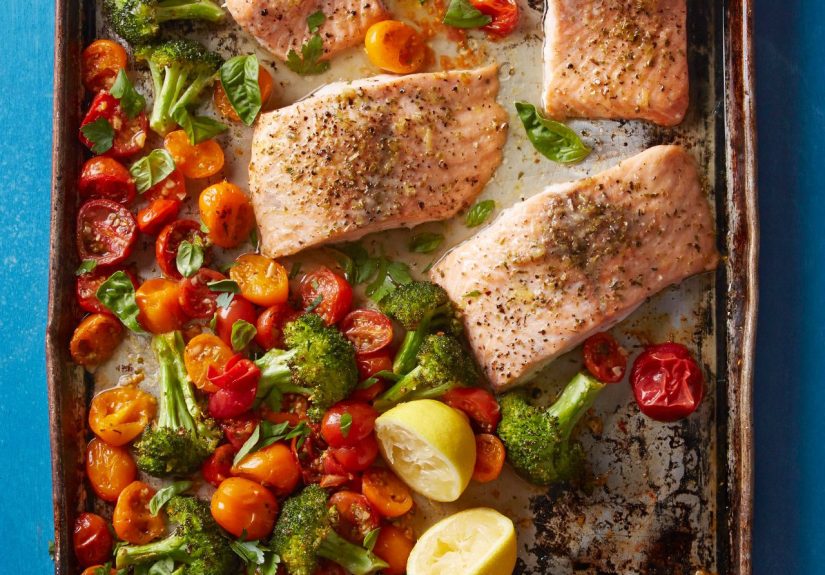
One of the easiest ways to turn baked salmon into a balanced weeknight dinner is to make it a sheet-pan meal. Roast vegetables first if they need more time, then add the salmon during the final stretch. That gives you protein and vegetables in one pan, which means fewer dishes and a much better chance of liking your own life at 7:30 p.m.
Common Mistakes to Avoid When Baking Salmon
Overcooking
This is the big one. Salmon cooks fast, especially individual fillets. Set a timer, check early, and remember that residual heat continues working after the fish comes out of the oven.
Skipping the Drying Step
If the surface is wet, the salmon is more likely to steam than roast. Patting it dry helps the seasoning stick and improves texture.
Using Too Much Marinade
A little is great. A swimming pool is not. Too much liquid can prevent browning and leave you with pale, soggy fish. Salmon should be baked, not baptized.
Ignoring Thickness
A thin tail fillet and a thick center-cut piece will not cook at the same rate. If your pieces vary wildly in size, expect uneven results unless you stagger them or pull thinner pieces earlier.
Relying Only on Color
Color can help, but it is not the whole story. Texture and temperature matter more. A thermometer gives you confidence and consistency, which is exactly what weeknight cooking needs.
How to Store and Reheat Baked Salmon
Cook once, eat twice. That is part of salmon’s charm. Leftover baked salmon can be transformed into grain bowls, salads, wraps, tacos, pasta, scrambled eggs, or a very smug lunch.
Cool leftovers promptly, refrigerate them in an airtight container, and reheat gently. A low oven works better than blasting the fish in a microwave until it smells like a break room. You can also enjoy leftover salmon cold over salad with lemon juice and olive oil, which is one of the smartest lazy meals around.
If you are meal-prepping, keep the sides simple and fresh. Salmon with rice and roasted vegetables holds up well. So does salmon paired with cucumbers, quinoa, and a yogurt-herb sauce. It is healthy meal prep without the emotional burden of eating the exact same thing in six identical containers.
How to Bake Salmon for Different Lifestyles
For Busy Families
Choose mild seasonings like lemon, garlic, or a light honey mustard glaze. Serve with roasted potatoes or rice and a familiar vegetable like green beans. Keep flavors clean and easy.
For Fitness-Focused Meals
Pair baked salmon with quinoa, brown rice, or sweet potato plus a green vegetable. Keep sauces lighter and use herbs, citrus, and olive oil for flavor.
For Low-Carb Dinners
Serve salmon with cauliflower mash, roasted asparagus, zucchini, spinach, or a chopped salad. Rich fish plus crisp vegetables is a combination that rarely disappoints.
For Entertaining
Use a larger side of salmon, slow-roast it, and finish with fresh herbs, citrus, and a sauce like yogurt dill, chimichurri, or a mustard vinaigrette. It looks impressive with very little drama, which is the best kind of impressive.
Real-Life Experiences With Baked Salmon: What Home Cooks Learn Fast
One of the funniest things about learning how to bake salmon is that people often treat it like a high-stakes culinary event the first time around. They hover by the oven. They open the door every two minutes. They squint at the fillet like they are reading a difficult legal contract. Then, after a few tries, they realize salmon is actually one of the most forgiving “healthy” proteins in a normal home kitchen.
A common experience is the weeknight rescue. You come home late, everyone is hungry, and your motivation is hanging by a thread. Chicken sounds slow, takeout sounds expensive, and cereal sounds emotionally accurate but nutritionally questionable. Salmon steps in beautifully here. Ten minutes of prep, a hot oven, a tray of broccoli on the side, and suddenly dinner feels organized even if the rest of the day absolutely was not.
Another thing people notice is how quickly confidence builds. The first successful tray of baked salmon changes your entire attitude. You stop treating fish like a fancy restaurant ingredient and start seeing it as a practical staple. You learn which fillets cook faster, which seasonings your household likes, and how a squeeze of lemon at the end can make you feel like you deserve your own cooking show, or at least a compliment.
There is also the “why did nobody tell me this earlier?” phase. That usually happens when someone discovers sheet-pan salmon. Instead of juggling three pans and one rapidly deteriorating mood, you roast vegetables first, add the salmon, and pull out dinner all at once. Cleanup drops dramatically. Stress drops dramatically. The sink remains weirdly calm. It is the kind of small kitchen victory that makes people irrationally proud, and honestly, good for them.
Then there are the leftovers, which tend to surprise people in the best way. Freshly baked salmon is great, but cold leftover salmon in a salad or grain bowl the next day feels like a secret weapon. A little flaked salmon with cucumber, greens, rice, and a mustardy dressing can make lunch feel intentional instead of accidental. It also saves people from the sad desk lunch cycle, which usually features a vending machine cameo.
Perhaps the biggest experience home cooks report is that baked salmon helps them eat better without overhauling their whole lives. It does not demand obscure ingredients, advanced knife skills, or a free afternoon. It just asks for a decent fillet, a hot oven, and the willingness to stop cooking before the fish turns into drywall. Once that clicks, salmon becomes less of a recipe and more of a reliable system.
And that is the real magic. Knowing how to bake salmon means you always have a fast path to a healthy dinner that tastes good, looks good, and does not leave your kitchen looking like an episode finale. In the world of weeknight cooking, that is not just useful. That is elite behavior.
Conclusion
If you want a meal that is quick, nourishing, and genuinely delicious, baked salmon deserves a permanent place in your routine. It is one of the simplest ways to cook fish at home, and once you understand the basics, you can adapt it endlessly to suit your schedule, taste, and health goals.
Whether you prefer a quick high-heat roast, a gentler slow-baked texture, a lemony herb finish, or a sweet-savory glaze, the formula stays refreshingly simple: start with good salmon, season it well, watch the timing, and serve it with fresh, easy sides. That is how you turn a healthy ingredient into a meal you will actually crave.
In other words, baked salmon is not just good for you. It is also good for your calendar, your kitchen cleanup, and your odds of making dinner without unnecessary drama. And on a busy day, that is basically culinary luxury.






 Close
Close