
Table of Contents >> Show >> Hide
- Why Build a Farmhouse Queen Bed Frame Yourself?
- Before You Build: Plan Like a Smart DIYer
- Materials and Tools You’ll Likely Need
- How to Design the Classic Farmhouse Look
- Step-by-Step: How to Build a Farmhouse Queen Bed Frame DIY
- Best Wood Choices for a DIY Farmhouse Queen Bed Frame
- Common Mistakes to Avoid
- How to Make It Look Custom
- Experience and Lessons From Building a Farmhouse Queen Bed Frame DIY
- Final Thoughts
A farmhouse queen bed frame has a special talent: it can make your bedroom look expensive while your wallet quietly whispers, “Well, that went better than expected.” If you love clean lines, chunky wood, a cozy rustic vibe, and furniture that does not wobble like a shopping cart with one bad wheel, building your own bed frame is a smart DIY project.
The beauty of a farmhouse bed is that it blends charm and structure. It feels warm and handmade, but it can also be surprisingly practical. You can build it with common lumber, basic joinery, and finishes that fit almost any bedroom style, from classic rustic to modern farmhouse. Better yet, a queen-size frame gives you plenty of sleeping space without turning your room into a giant mattress showroom.
This guide walks you through how to build a farmhouse queen bed frame DIY style, from planning and lumber choices to assembly, finishing, and real-world lessons that make the project easier. The goal is not to bury you in robotic instructions. The goal is to help you build a bed that looks great, feels solid, and survives more than one dramatic flop onto the mattress after a long day.
Why Build a Farmhouse Queen Bed Frame Yourself?
A DIY farmhouse queen bed frame gives you three major wins. First, you control the look. You can go with a tall plank headboard, a chunky footboard, or a simpler low-profile frame that still keeps the farmhouse feel. Second, you control the cost. Store-bought farmhouse beds can get pricey fast, especially when the words “solid wood” show up in the product description like they are wearing a tuxedo. Third, you control the strength. When you build it yourself, you can overbuild the parts that matter most, including rails, support slats, and the center beam.
A standard queen mattress measures 60 by 80 inches, so your bed frame needs to be designed around that footprint. Depending on the thickness of your posts, trim, headboard style, and rail design, the outside frame will usually end up a little larger than the mattress itself. That is normal. The trick is making sure the mattress fits snugly without needing a running start.
Before You Build: Plan Like a Smart DIYer
The best farmhouse bed builds do not start with cutting wood. They start with decisions. Before you buy a single board, settle these questions:
1. Platform bed or box spring setup?
If you want a platform-style bed, you will need strong mattress support built into the frame, usually with slats and a center support. If you plan to use a box spring or foundation, your internal support structure may be simpler. Always check your mattress manufacturer’s support requirements before final assembly.
2. Tall headboard or simple headboard?
A farmhouse look often includes a statement headboard with horizontal planks, framed panels, or thick top trim. It looks beautiful, but it also adds material, weight, and time. A simpler headboard is easier for beginners and still gives the bed that cozy farmhouse personality.
3. Permanent or knock-down design?
A bed frame is large. Your hallway will eventually remind you of this. Building the headboard, footboard, and side rails as separate parts makes the project far easier to move, stain, and assemble in the room.
4. Painted farmhouse or stained farmhouse?
Painted beds give you that bright cottage feel. Stained beds show off the grain and lean more rustic. Either one works. Just decide early, because finish choices can affect lumber selection and how much sanding you need to do.
Materials and Tools You’ll Likely Need
Your exact list depends on the design, but most farmhouse queen bed frame builds use some combination of the following:
- 2×4 boards for internal structure and support
- 2×6 or 2×8 boards for side rails or thicker visual elements
- 1×4, 1×6, or 1×8 boards for planked headboard and footboard surfaces
- Wood glue
- Pocket-hole screws and wood screws in appropriate lengths
- Bed rail hardware or heavy-duty bolts if you want removable rails
- Slats or plywood support for the mattress base
- Wood filler
- Sandpaper, typically starting around 120 grit and finishing around 220 grit
- Stain, paint, and a protective topcoat such as polyurethane
Helpful tools include a miter saw or circular saw, drill/driver, pocket-hole jig, clamps, square, tape measure, sander, and safety gear. Safety glasses, hearing protection, and a dust mask or respirator are not optional if you enjoy seeing, hearing, and breathing like a champion.
How to Design the Classic Farmhouse Look
Farmhouse furniture usually works because of proportion more than fancy joinery. In plain English, it looks good because the pieces feel balanced. To get that look right, focus on these visual features:
- Chunky legs: Thicker corner posts make the bed feel grounded and substantial.
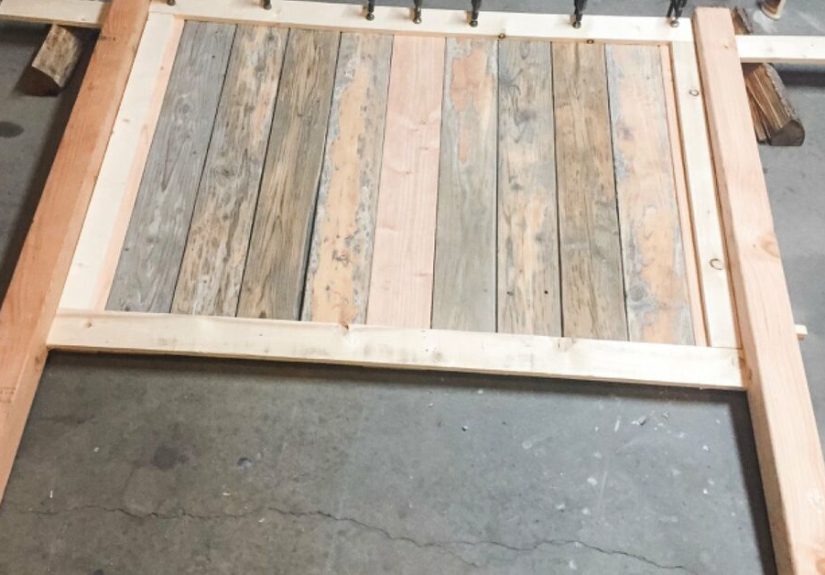
- Horizontal planks: A headboard made from wide boards instantly reads farmhouse.
- Simple trim: A clean top cap and framed edges can elevate the look without making the build overly complicated.
- Visible grain or soft paint: Both are farmhouse-friendly, depending on whether you want rustic warmth or airy cottage style.
- Clean structure: Farmhouse style is warm, but it is not messy. Straight lines and square assembly matter.
The easiest beginner-friendly version is a bed made in four components: headboard, footboard, two side rails, and internal support. That structure gives you farmhouse style without requiring advanced woodworking wizardry.
Step-by-Step: How to Build a Farmhouse Queen Bed Frame DIY
Step 1: Build around the mattress first
Start with the inside dimensions required for your queen mattress. Plan for a clean fit, but do not make the opening so tight that the mattress has to be negotiated into the frame like a couch in a sitcom stairwell scene. Dry-fit your measurements on paper first, then again with boards laid out on the floor before assembly.
Step 2: Build the headboard
The headboard is the star of the show. A simple farmhouse headboard usually has two outer posts, horizontal or vertical planks in the middle, and a top cap. Build the center panel first, then attach it to the posts. Use pocket-hole joinery, glue, and clamps to keep the face flush. Check for square by measuring diagonally from corner to corner. If those diagonal measurements match, you are in business.
This is also the stage where many DIYers get seduced by decorative trim. Be selective. A little trim looks refined. Too much trim turns your bed into a historical reenactment.
Step 3: Build the footboard
The footboard can echo the headboard or stay simpler. If you want a more modern farmhouse look, keep it lower than the headboard. If you want a traditional farmhouse feel, repeat the same framing style with fewer planks. The key is matching the width and keeping the structure strong where the side rails will attach.
Step 4: Make strong side rails
Side rails do the heavy lifting, literally. They support the mattress system and take repeated force whenever someone sits on the edge of the bed. Use sturdy lumber, keep the rails straight, and choose reliable connection points at both the headboard and footboard. Removable hardware is a smart choice if you ever plan to move. Fixed screw joinery can also work well if the bed will stay in one room for the foreseeable future.
Keep the top edges of the rails level with each other. If one side is even a little higher, your slats and mattress support can become uneven. That leads to squeaks, shifting, or a sleeping surface with the subtle charm of a rolling hill.
Step 5: Add the center support
For a queen bed, center support matters. Install a solid center beam running from the headboard area to the footboard area. Add legs beneath that support if your design allows. This reduces sagging and helps the bed feel sturdier over time.
Even if your bed looks strong from the outside, the inside support system is what makes it perform like real furniture instead of decorative optimism.
Step 6: Install slats or platform support
If you are making a platform bed, install evenly spaced slats or a solid support system based on your mattress needs. Secure them well and make sure they sit flat. If you are building the bed for use with a foundation or box spring, add the cross supports needed to carry that load safely.
Before moving on, place weight on the frame and check for rocking, flex, or rail twist. It is much easier to fix structural issues now than after you have proudly stained everything and declared the project “basically done.”
Step 7: Sand like you care
A farmhouse bed should feel smooth, not “authentically splinter-adjacent.” Start by smoothing rough areas and machine marks with medium grit, then work up to a finer finish. Sand with the grain. Ease sharp edges lightly so the bed feels comfortable and finished without losing its clean profile.
Vacuum the dust thoroughly before staining or painting. Tiny leftover dust particles love to show up under finish coats like uninvited guests who somehow know the exact time dinner starts.
Step 8: Finish the wood
For a stained farmhouse look, test your stain on scrap wood first. Pine and other softwoods can absorb stain unevenly, so sample boards are your best friend. For a painted look, prep carefully and use a durable furniture-grade finish system. If you like the weathered farmhouse style, you can lightly distress edges after the base finish cures, but keep it tasteful. You are aiming for “well loved,” not “rescued from a collapsing barn at midnight.”
Topcoat matters too. A protective finish helps the bed handle everyday wear, cleaning, and the occasional collision with a vacuum cleaner.
Step 9: Final assembly in the bedroom
Move the main components into the room and assemble them there. Attach the side rails, level the structure, install the center support and slats, then set in the mattress. Give the bed a final check for wobble and retighten hardware after a few days of use once everything settles.
Best Wood Choices for a DIY Farmhouse Queen Bed Frame
For many DIY builders, pine is the go-to choice because it is affordable, easy to find, and easy to work with. It stains and paints well, though it can dent more easily than hardwood. Poplar is a good option for painted builds because it machines nicely and takes paint beautifully. Oak and maple are stronger and more durable, but they usually cost more and can be harder on tools.
For a first build, common construction lumber can absolutely work, but pick your boards carefully. Look for straighter pieces with fewer twists, bows, and cracks. Spending a little more time sorting lumber at the store can save you a surprising amount of frustration later.
Common Mistakes to Avoid
- Ignoring mattress fit: Build for the actual queen size first, style second.
- Skipping center support: The frame may look fine until gravity files a complaint.
- Using wet or warped boards: Crooked lumber creates crooked furniture.
- Rushing glue-ups: Clamps and patience are part of the build, not optional decorations.
- Not checking for square: A bed can look straight and still be off enough to cause headaches later.
- Finishing too early: Dry-fit the full frame before final paint or stain whenever possible.
- Forgetting the move-in plan: A one-piece queen bed frame is a bold choice if your staircase has opinions.
How to Make It Look Custom
The difference between a basic DIY bed and a bed that looks custom usually comes down to a few details:
- Use a thicker top cap on the headboard for visual weight.
- Match stain tones to your nightstands or dresser.
- Add subtle trim around panel sections for dimension.
- Hide visible fasteners where possible.
- Keep reveals, spacing, and plank alignment consistent.
You do not need ornate joinery to make the bed feel high-end. Clean layout, smooth finishing, and sturdy structure do most of the heavy lifting.
Experience and Lessons From Building a Farmhouse Queen Bed Frame DIY
Here is the part many tutorials skip: the real experience of building a farmhouse queen bed frame is equal parts rewarding, dusty, satisfying, and mildly humbling. On paper, the project looks straightforward. You cut some boards, drill some holes, drive some screws, and suddenly you are the proud owner of a magazine-worthy bed. In real life, you learn that wood has moods, measuring twice is not a joke, and one slightly warped board can turn a calm Saturday project into a character-building exercise.
One of the first lessons most DIY builders discover is that the headboard sets the tone for the whole build. If it goes together square, the rest of the project feels manageable. If it goes together crooked, every step after that feels like you are negotiating with a stubborn piece of furniture that has already decided to be difficult. Taking extra time on the headboard, especially during clamping and layout, pays off in a big way.
Another common experience is realizing that “farmhouse” is not the same as “sloppy rustic.” Many first-time builders assume a rustic style will hide mistakes. It does not. In fact, simple farmhouse designs often make mistakes easier to spot because the lines are so clean and the panels are usually broad and visible. Uneven spacing, proud joints, and messy finish work stand out quickly. The good news is that careful sanding, consistent spacing, and patience fix most of those problems.
Then there is finishing, the stage where many DIY dreams either shine or go slightly sideways. Stain can look blotchy. Paint can reveal every scratch you forgot to sand. Dust can settle into fresh topcoat like it paid rent. Most experienced builders eventually learn that finish prep is half the finish. A bed frame that is only “pretty well sanded” will often look only “pretty okay” once stain or paint goes on.
The most satisfying moment usually comes during final assembly. The headboard is standing, the rails are locked in, the center support is solid, and suddenly the pile of boards turns into actual furniture. That moment is worth the effort. It is even better when you put the mattress in place and the frame does not squeak, sway, or threaten to become modern art.
Perhaps the best long-term lesson is this: building your own bed changes how you look at furniture. You start noticing joinery, support systems, proportions, and finish quality everywhere. Store prices make more sense, but so does the value of doing it yourself. A handmade farmhouse queen bed frame is not just a place to sleep. It becomes proof that a careful plan, common tools, and a bit of stubborn determination can turn raw lumber into something useful, beautiful, and deeply personal.
Final Thoughts
Building a farmhouse queen bed frame DIY style is one of those projects that checks all the boxes. It is practical, beautiful, customizable, and genuinely worth the effort. You get a piece of furniture that fits your mattress, your room, and your style, instead of settling for something that almost works and definitely costs more.
Keep the design simple, focus on strong structure, check for square often, and do not rush the finish. That combination is what turns a stack of lumber into a bed frame that feels sturdy and looks timeless. And when someone asks where you bought it, you get to enjoy the best response in all of DIY: “I built it.”





 Close
Close