Table of Contents >> Show >> Hide
- Why Cleaning a New Ear Piercing Matters
- How to Clean a New Ear Piercing: Step by Step
- How Often Should You Clean a New Ear Piercing?
- What Products Should You Avoid?
- How Long Does a New Ear Piercing Take to Heal?
- Daily Habits That Help Your Piercing Heal
- What Is Normal During Healing?
- Signs Your Ear Piercing May Be Infected
- Should You Remove the Earring if It Looks Infected?
- What About Jewelry Material?
- Common Mistakes That Slow Healing
- Real-World Experiences: What Healing a New Ear Piercing Often Feels Like
- Final Thoughts
Getting a new ear piercing is exciting. It is also, technically speaking, a tiny wound wearing jewelry. Cute? Yes. Casual? Not quite. If you want that fresh sparkle to heal without turning into a red, sore, drama-filled mess, your aftercare routine matters more than your mirror selfies.
The good news is that cleaning a new ear piercing is not complicated. The bad news is that people often make it complicated anyway. They twist it too much, over-clean it, sleep on it like it owes them money, or introduce it to a cocktail of rubbing alcohol, tea tree oil, and wishful thinking. None of that helps.
This guide explains how to clean a new ear piercing the right way, what products to use, what to avoid, how long healing really takes, and when a small irritation stops being “probably fine” and starts becoming “please call a professional.”
Why Cleaning a New Ear Piercing Matters
A new ear piercing creates an opening in the skin. Until that opening heals, bacteria, friction, dirty hands, hair products, sweat, and pressure can all irritate the area or increase the risk of infection. Proper aftercare helps reduce swelling, keeps crust and buildup under control, and gives your skin the calm environment it needs to heal.
Think of aftercare like hosting a very picky houseguest. Your piercing wants clean conditions, minimal disturbance, and absolutely no chaos. If you give it that, it usually behaves.
How to Clean a New Ear Piercing: Step by Step
1. Wash Your Hands First
Before you touch your ear, your earring, or even the area around the piercing, wash your hands with soap and water. This is the most boring step, which is exactly why people skip it. Do not skip it. A healing piercing is not the place for whatever was on your phone, keyboard, or snack wrapper five minutes ago.
2. Use the Right Cleaning Solution
The safest bet for most new ear piercings is sterile saline wound wash. Look for a simple saline product without added fragrances, essential oils, or mystery ingredients pretending to be helpful. Some reputable medical sources also allow gentle washing with mild, fragrance-free soap and water. In practical terms, that means you want something simple, non-irritating, and not aggressive.
If your professional piercer gave you written aftercare instructions, follow them unless a healthcare professional tells you otherwise. Consistency matters more than creating your own laboratory experiment in the bathroom.
3. Clean Gently, Not Aggressively
Spray or apply saline to the piercing area and let it soften any dried discharge or crust. If needed, use clean gauze or a disposable cotton swab to gently remove loosened buildup around the front and back of the piercing. Be gentle. You are cleaning the area, not sanding a deck.
If you are using mild soap and water, lather lightly around the piercing, rinse thoroughly, and make sure no cleanser sits on the skin. Leftover soap can dry or irritate the area.
4. Pat It Dry
After cleaning, pat the area dry with clean gauze, a disposable paper product, or another clean single-use item. Avoid rubbing. Reusable cloth towels can harbor bacteria and can also snag on jewelry. That tiny snag can feel like your ear has been personally offended for the next two days.
5. Leave the Jewelry Alone
Do not twist, rotate, or slide the jewelry back and forth. That old advice has aged about as well as low-rise jeans in a snowstorm. Constant movement can irritate the piercing channel, delay healing, and introduce bacteria. The jewelry should stay in place while the skin heals around it.
How Often Should You Clean a New Ear Piercing?
For most people, cleaning twice a day is enough. More is not better. Over-cleaning can dry the skin, increase irritation, and make a normal healing piercing look angry. If the area gets sweaty or dirty during the day, a gentle rinse in the shower can help, but resist the urge to fuss with it every time you pass a mirror.
A solid routine looks like this:
- Clean once in the morning.
- Clean once at night.
- Leave it alone the rest of the time unless it gets obviously dirty.
What Products Should You Avoid?
Many piercing problems start with good intentions and bad product choices. Skip anything harsh, heavily scented, or trendy enough to sound like a wellness podcast episode.
Avoid These on a New Ear Piercing
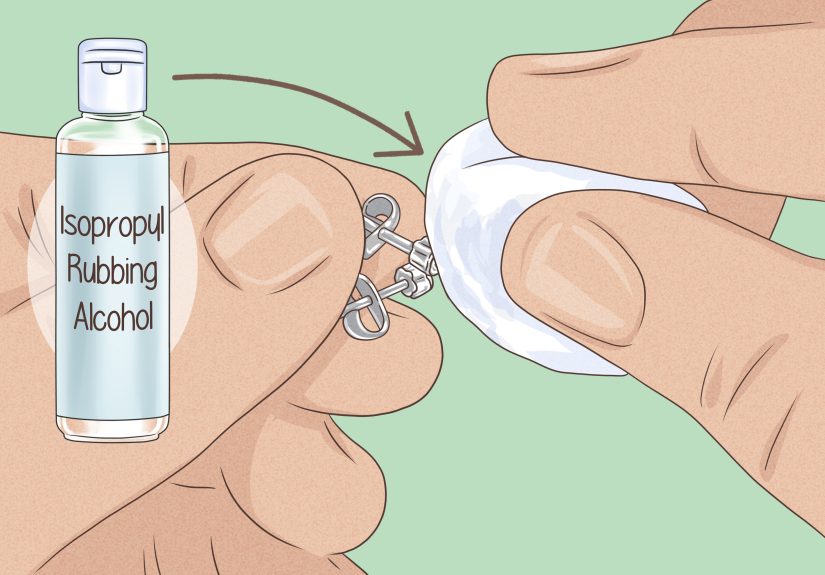
- Rubbing alcohol
- Hydrogen peroxide
- Iodine unless a clinician specifically advises it
- Antibiotic ointments unless a healthcare professional recommends them
- Tea tree oil or essential oils
- Harsh antibacterial soaps
- Homemade salt mixtures that are too strong
Why avoid them? Because “kills germs” and “good for healing skin” are not always the same thing. Many of these products can dry, irritate, or damage healing tissue, making the piercing take longer to settle down.
How Long Does a New Ear Piercing Take to Heal?
This depends on location. Earlobe piercings usually heal faster than cartilage piercings. A basic lobe piercing may take around six to eight weeks before it is reasonably healed. Cartilage piercings can take months, and sometimes much longer, to fully settle. That means your ear may look calm long before it is truly healed on the inside.
Translation: just because it stopped throbbing does not mean it is ready for random earring changes, rough sleep, headphones with attitude, or a three-day beach trip involving seawater and questionable decisions.
Daily Habits That Help Your Piercing Heal
Sleep Smart
Try not to sleep on the new piercing. Pressure can worsen swelling and irritation. A travel pillow or donut pillow can help keep pressure off the ear if you are a committed side sleeper.
Keep Hair and Hair Products Away
Hairspray, dry shampoo, leave-in conditioner, and styling products can all irritate the area. When getting ready, cover or avoid the piercing. Also keep long hair from tangling around the jewelry, because nothing says “bad morning” like accidentally yanking a fresh piercing with a hairbrush.
Be Careful With Headphones, Helmets, and Phones
Anything that rubs, presses, or traps moisture around the piercing can slow healing. Clean your phone regularly, especially if it touches the pierced ear. Earbuds and over-ear headphones may also irritate fresh piercings depending on placement.
Change Bedding Often
Fresh pillowcases are underrated aftercare tools. You do not need a luxury linen lifestyle. You just need clean fabric against a healing ear.
Avoid Swimming While It Heals
Pools, lakes, rivers, hot tubs, and ocean water can expose a healing piercing to bacteria and irritation. Showering is fine, but soaking your new piercing in recreational water is a bad bargain.
What Is Normal During Healing?
Not every little symptom means infection. Some signs are common during normal healing, especially in the first days or weeks:
- Mild redness near the piercing
- Light swelling
- Tenderness or warmth
- A small amount of clear or whitish-yellow discharge that dries into crust
- Occasional itching as the skin heals
That crust people panic about? Often normal. It is not glamorous, but healing rarely is.
Signs Your Ear Piercing May Be Infected
Some irritation is normal. An actual infection is different. Pay attention if you notice:
- Increasing redness that spreads
- Worsening pain instead of gradual improvement
- Thick yellow or green pus
- Significant swelling
- Fever
- The area feels hot and increasingly tender
- A bad smell along with drainage
Cartilage piercings deserve extra caution. Infections there can become more serious than infections in the earlobe because cartilage has a poorer blood supply. If a cartilage piercing becomes very swollen, painful, or increasingly red, get medical advice promptly.
Should You Remove the Earring if It Looks Infected?
Usually, no. Removing jewelry too early can trap the infection or cause the hole to close while the problem remains underneath. If you think you have an infection, contact a healthcare professional or the piercer who performed the piercing. Let them guide you on whether the jewelry should stay in, be changed to a different material, or be handled another way.
If the earring backing is embedded, the jewelry feels stuck, or the swelling is severe, seek medical care instead of trying to fix it yourself with bravery and bad lighting.
What About Jewelry Material?
If your skin is sensitive, jewelry quality matters. Hypoallergenic materials such as implant-grade titanium, surgical steel, niobium, or certain types of gold are often recommended for initial piercings. Cheap mystery-metal earrings can trigger irritation or allergic contact dermatitis, especially in people sensitive to nickel.
If your piercing stays itchy, red, or rashy without obvious infection, the jewelry material may be part of the problem.
Common Mistakes That Slow Healing
- Touching the piercing with unwashed hands
- Twisting the jewelry
- Using too many products
- Cleaning too often
- Changing earrings too soon
- Sleeping on the pierced side every night
- Going swimming too early
- Ignoring signs of cartilage infection
In other words, the best aftercare is mostly about restraint. Your piercing wants calm, not creativity.
Real-World Experiences: What Healing a New Ear Piercing Often Feels Like
One of the biggest surprises people have after getting their ears pierced is how ordinary the healing process looks on some days and how dramatic it feels on others. A piercing can seem totally fine in the morning and slightly cranky by evening just because you caught it with a sweater, slept on it weirdly, or spent the day wearing tight headphones. That does not always mean something is seriously wrong. It often means healing is not a straight line.
Many people also expect a new piercing to stop needing attention once the initial soreness fades. That is where impatience enters the chat. The outside may look good before the inside has fully healed, especially with cartilage piercings. This is why someone may feel confident enough to swap jewelry early, only to discover that the area becomes tender, swollen, or irritated again. The lesson is simple: “looks healed” and “is healed” are not the same thing.
Another very common experience is confusion over crusting. New piercings often produce a small amount of fluid that dries into pale crust around the jewelry. People see this and immediately assume the piercing is infected. In reality, a little crust can be part of normal healing. The key difference is whether symptoms are gradually improving or getting worse. Mild crust plus decreasing tenderness is one story. Thick pus, increasing heat, and spreading redness is another.
Sleeping is also a bigger factor than people expect. Side sleepers often discover that their piercing behaves well until bedtime becomes a nightly wrestling match. Pressure from a pillow can keep the area irritated for days. Some people swear by travel pillows because they allow the ear to rest in the center hole instead of getting compressed all night. It sounds a little ridiculous until you try it and realize your ear finally stops filing complaints.
People with long hair often mention a different problem: snags. Hair wraps around the backing, catches during brushing, or gets glued into dried crust after a shower. This is less a medical emergency and more a deeply annoying rite of passage. Keeping hair away from the piercing, especially during the first weeks, can make healing much smoother.
There is also the emotional side of piercing aftercare, which is rarely discussed but very real. People often hover over a mirror, analyzing every millimeter of redness like they are solving a crime. A better approach is to check for patterns instead of perfection. Is the pain getting better? Is swelling going down overall? Is the area calm when left alone? Those are more useful questions than “Why does this look slightly different from yesterday at 2:14 p.m.?”
In the end, the most successful piercing stories usually sound pretty similar. The person kept it clean, did not overdo the products, left the jewelry alone, avoided pressure, and gave the healing process more time than they thought it needed. Not glamorous, not dramatic, not very social-media friendly. Just effective.
Final Thoughts
If you want to clean a new ear piercing properly, keep the routine simple: wash your hands, use sterile saline or a gentle cleanser recommended by a reliable professional, dry the area carefully, and leave the jewelry alone. That is the core formula. No magic potion required.
The real challenge is patience. Earlobe piercings may heal fairly quickly, but cartilage can take a long time to fully settle. Resist the urge to over-clean, over-touch, or overreact to every tiny change. Watch for clear warning signs, protect the area from friction and dirty water, and get medical advice when symptoms are getting worse instead of better.
Your new piercing should become a style upgrade, not a side quest. Treat it gently, and your ear has an excellent chance of healing beautifully.