Table of Contents >> Show >> Hide
- Lentil Basics: What Changes the Final Texture?
- The Master Method for Cooking Lentils
- How to Cook Each Type of Lentil
- How to Get the Exact Texture You Want
- Common Lentil Mistakes to Avoid
- How to Store and Reheat Cooked Lentils
- Real-Life Cooking Experiences with Lentils: What You Learn After a Few Pots
- Conclusion
- SEO Tags
Note: Lentils are wonderfully forgiving, but not psychic. Start tasting a few minutes early, because the exact cook time depends on the variety, age of the lentils, and how enthusiastic your simmer is.
Lentils are the overachievers of the pantry. They are affordable, filling, quick to cook, and capable of swinging from firm and salad-ready to soft and velvety in one humble pot. But if you have ever aimed for pleasantly tender and ended up with “bean confetti,” you already know the secret: the type of lentil matters just as much as the method.
This guide breaks down how to cook lentils of every common type so you can get the texture you actually want. Want black lentils that stay polished and distinct in a grain bowl? Done. Need red lentils that practically melt into soup? Easy. Hoping your brown lentils land somewhere between cozy and composed? We are about to make that happen.
Lentil Basics: What Changes the Final Texture?
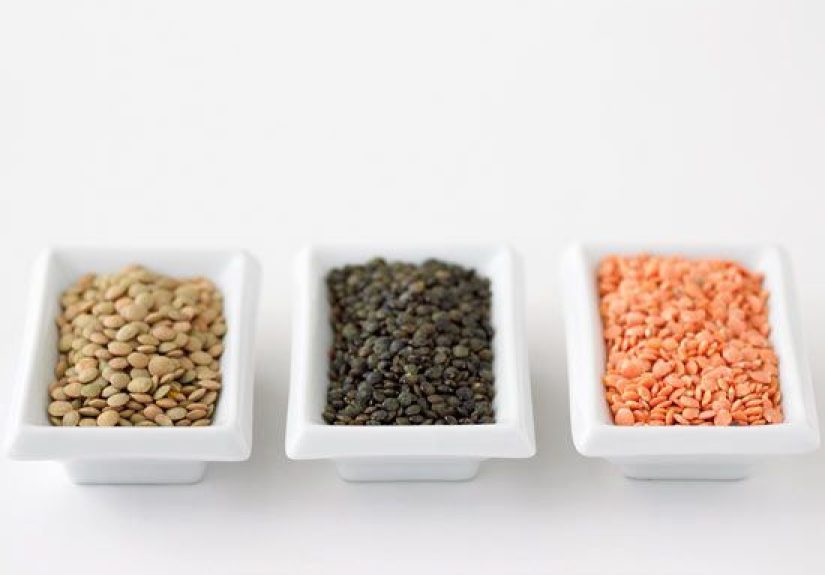
If lentils had a group chat, every color would have a different personality. Brown, green, French green, and black lentils generally keep their shape better. Red and yellow lentils soften fast and often break down into a creamy texture. That is not a flaw. That is their whole thing.
Texture also depends on a few other details:
- Age: Older lentils often take longer to cook and can stay stubbornly firm.
- Heat level: A gentle simmer gives you more control than an aggressive rolling boil.
- Water ratio: More water works well when you plan to drain the lentils. Less water is better when you want creamy results.
- When you season: Aromatics can go in early, but many home cooks prefer salting near the end unless following a tested recipe designed for salted cooking water.
- What you are making: Salad lentils should stop at tender. Soup lentils can go softer. Dal can go all the way to luxurious mush.
The Master Method for Cooking Lentils
If you want a reliable all-purpose approach for most whole lentils, start here.
Step 1: Sort and rinse
Spread the lentils out quickly or run your fingers through them in a colander. Remove any debris, shriveled pieces, or the occasional tiny stone. Then rinse under cool water. Glamorous? No. Necessary? Absolutely.
Step 2: Choose your liquid
For whole lentils, use about 3 cups of water or broth for every 1 cup of dry lentils. If you are using the boil-and-drain method, you can use more water without any drama. For red or yellow lentils, use a little less liquid when you want them creamy and thick.
Step 3: Add flavor without overcomplicating life
You can cook lentils in plain water, but they are excellent at soaking up flavor. Add a bay leaf, smashed garlic clove, onion wedge, thyme sprig, or a piece of carrot or celery. Broth works too, especially for soups and savory side dishes.
Step 4: Bring to a boil, then lower to a simmer
Once the pot boils, reduce the heat to a gentle simmer. This is where good texture is made. A violent boil can knock lentils around until they split and turn murky.
Step 5: Taste early and often
The package is a suggestion, not a legally binding document. Start checking several minutes before the listed time. Lentils can go from “not quite there” to “oops, puree” faster than you might expect.
Step 6: Drain or finish
If there is extra liquid and you want distinct lentils, drain them. If you are making soup, stew, or dal, keep cooking until the liquid and texture are where you want them. A final splash of olive oil, vinegar, or lemon juice can brighten the flavor dramatically.
How to Cook Each Type of Lentil
Brown Lentils
Best for: soups, stews, veggie burgers, grain bowls, quick side dishes
Texture: tender with a soft bite when cooked well; they can get mushy if overdone
Cook time: about 20 to 30 minutes
Brown lentils are the everyday jeans of the lentil world. They go with almost anything and are usually the easiest kind to find. To keep them pleasantly tender, simmer them gently and start tasting around the 20-minute mark. If you want them for salads or bowls, stop cooking as soon as they are soft enough to eat but still hold their shape.
For softer brown lentils in soup, let them go a few minutes longer. They will absorb plenty of flavor from onion, garlic, herbs, tomato paste, or broth. They are also one of the best choices when you want a hearty texture without spending all afternoon in the kitchen.
Green Lentils
Best for: salads, warm sides, pilafs, hearty soups
Texture: firmer than brown lentils, with a more distinct bite
Cook time: about 20 to 30 minutes
Green lentils are great when you want individual lentils instead of a pot that looks like it lost a wrestling match. They tend to keep their shape better than brown lentils, which makes them a strong choice for dishes that need texture and structure.
Use them in warm lentil salads with roasted vegetables, feta, herbs, or vinaigrette. If you are making soup, they will still hold up nicely rather than dissolve into the broth. Think of them as dependable and slightly more dressed up than brown lentils.
French Green Lentils (Lentilles du Puy or similar)
Best for: elegant salads, side dishes, meal-prep bowls, dishes where shape matters
Texture: firm, tidy, and pleasantly toothsome
Cook time: about 25 to 30 minutes
French green lentils are the neat freaks of the lentil family. They stay remarkably intact and have a slightly peppery, earthy flavor. If your dream is a composed salad rather than a spoonable mush situation, these are your best friends.
Cook them until just tender, then drain promptly. If you leave them sitting in hot water, they can keep softening. Toss them with vinaigrette while still a bit warm so they absorb flavor better. Pair them with goat cheese, roasted carrots, shallots, mustard dressing, or salmon and suddenly your Tuesday lunch feels suspiciously sophisticated.
Black Lentils (Beluga Lentils)
Best for: grain bowls, salads, side dishes, stuffed vegetables
Texture: small, glossy, and firm with a delicate chew
Cook time: about 20 to 25 minutes
Black lentils are tiny, striking, and excellent when presentation matters. They hold their shape beautifully, which makes them ideal for bowls, salads, and plated mains where you want each spoonful to look sharp.
Simmer them gently and begin tasting around 18 to 20 minutes. They should be tender but not blown out. Their subtle, nutty flavor pairs well with mushrooms, roasted squash, citrus, herbs, and yogurt sauces. If lentils could wear a tuxedo, these would.
Red Lentils
Best for: soups, dal, curries, purees, thick sauces
Texture: soft, creamy, and often broken down
Cook time: about 8 to 15 minutes, depending on whether they are split and how soft you want them
Red lentils cook fast and collapse happily. That is exactly why they are wonderful in creamy soups, curries, and dals. If you want definition, these are not the ones. If you want silkiness, proceed with confidence.
Use about 2 to 2 1/2 cups liquid per cup of dry red lentils for thick results, or more if you are making soup. Stir occasionally, because they can foam and settle into the pot as they soften. By the end, they should look less like individual lentils and more like a cozy, savory blanket.
Yellow Lentils
Best for: dal, purees, soups, soft stews
Texture: creamy to soft, depending on the exact type
Cook time: about 10 to 20 minutes in many home kitchens
Yellow lentils are a bit of a catch-all category in grocery stores, so the exact cooking time can vary. Some yellow products are true lentils, while others are split legumes used similarly in cooking. The big picture is simple: they tend to cook fast and soften beautifully.
If your goal is a smooth, spoonable texture, cook them with enough liquid to absorb fully and stir near the end. They are fantastic with ginger, turmeric, cumin, garlic, onions, and a final squeeze of lemon. If you know the specific variety on the package, follow its timing. If not, start tasting early and adjust from there.
How to Get the Exact Texture You Want
For firm lentils for salads and bowls
- Choose French green, green, or black lentils.
- Use plenty of water and drain when tender.
- Start tasting early.
- Drain right away so they do not keep cooking in the hot pot.
For tender lentils for soups and stews
- Choose brown or green lentils.
- Cook directly in broth or soup base.
- Let them go until soft but not disintegrated.
- Add acidic ingredients like tomatoes or vinegar after they begin to soften if you want to play it safe.
For creamy lentils for dal and purees
- Choose red or yellow lentils.
- Use a lower water ratio than the boil-and-drain method.
- Stir occasionally and cook until they break down.
- Add more liquid as needed to control thickness.
Common Lentil Mistakes to Avoid
1. Treating all lentils the same
This is the big one. Brown lentils are not red lentils in a costume. Different types produce different textures, and that is the whole game.
2. Cooking too hard
A rough boil is great for pasta water, not ideal for preserving lentil texture. Simmer gently.
3. Walking away for half an hour
Lentils are not impossible, but they do reward attention. Set a timer and taste along the way.
4. Forgetting aromatics
Lentils are mild. That is a superpower, not a weakness. Bay leaves, garlic, onion, broth, herbs, olive oil, and acid can make them taste far more exciting.
5. Expecting old lentils to behave like fresh ones
If a bag has been lurking in the pantry long enough to know your secrets, it may take longer to cook and still stay firmer than expected.
How to Store and Reheat Cooked Lentils
Let cooked lentils cool, then refrigerate them in an airtight container for up to about 3 to 5 days, depending on the dish and how they were cooked. If they seem dry after chilling, reheat them with a splash of water or broth. For salads, refresh them with olive oil and a little acid before serving.
You can also freeze cooked lentils, especially brown, green, black, and French green varieties that hold their structure well. Portion them into freezer-safe containers so future you can feel deeply organized and a little smug.
Real-Life Cooking Experiences with Lentils: What You Learn After a Few Pots
The first time many people cook lentils, they expect them to behave like tiny beans. Then the red ones vanish into a creamy orange puddle, the French green ones stay impressively upright, and suddenly the pantry feels less like a shelf and more like a science lab. That learning curve is part of the fun. Lentils teach you quickly that “done” is not one single destination. It depends on what you want on the spoon.
One of the most useful experiences is cooking two types side by side. Make brown lentils in one pot and red lentils in another, both with garlic and bay leaf, and the difference becomes obvious fast. The brown lentils become hearty and spoonable, while the red lentils soften into something creamy and almost saucy. That comparison makes future cooking easier, because you stop thinking in terms of “lentils” and start thinking in terms of texture goals.
Another common experience is discovering that tasting early saves dinner. Plenty of home cooks follow the package time exactly, only to end up with lentils that are firmer or softer than they wanted. After a few tries, you learn to trust the spoon more than the clock. Around minute 18, 20, or 25, you fish one out, cool it for a second, and check the center. That tiny habit makes a huge difference.
There is also the matter of seasoning. Lentils can taste flat if they are cooked with nothing but water, but they become dramatically better with very simple additions. An onion wedge, a clove of garlic, broth instead of water, or a final splash of vinegar can turn “healthy but boring” into “why did I not make more of this?” Many cooks also discover that acid at the end wakes lentils up in the best way. Lemon juice, sherry vinegar, or red wine vinegar can make the whole pot taste brighter and more balanced.
Texture mistakes are part of the journey too. Almost everyone overcooks a batch at some point. The good news is that lentils are forgiving. Mushy brown lentils can become soup, a quick mash for toast, a taco filling, or the base for veggie patties. Too-soft red lentils are usually still delicious, because creaminess was the mission anyway. Lentils rarely punish you. They mostly just suggest a different dinner plan.
With practice, you start matching the lentil to the meal automatically. Black lentils for bowls. French green for salads. Brown for everyday soup. Red for quick comfort. That is when cooking lentils stops feeling like guesswork and starts feeling like a quiet kitchen superpower. And once that happens, the bag of lentils in the back of your pantry is no longer a backup plan. It is the beginning of a very good meal.
Conclusion
If you want tender lentils every time, the trick is not fancy equipment or chef-level wizardry. It is choosing the right type and cooking it to the right end point. Brown lentils are flexible and hearty. Green and French green lentils are excellent when you want structure. Black lentils are polished and firm. Red and yellow lentils are your fast lane to creamy soups, dals, and sauces.
In other words, the best way to cook lentils is to stop treating them as one-size-fits-all. Once you match the variety to the dish, keep the simmer gentle, and taste before the clock bosses you around, you will get exactly the texture you want. And that is how a simple bag of lentils becomes dinner with range.