
Table of Contents >> Show >> Hide
- What Is Summer Squash?
- Before You Start: 4 Smart Tips for Better Summer Squash
- How to Cook Summer Squash 9 Ways
- 1. Roast It for Deep Flavor and Crisp Edges
- 2. Sauté It for a Fast Stovetop Side
- 3. Grill It for Smoky Char
- 4. Air-Fry It for Crispy, Snackable Bites
- 5. Broil It When You Want Fast Browning
- 6. Stuff and Bake It for a More Substantial Dish
- 7. Turn It Into Noodles or Ribbons
- 8. Make Fritters or Cakes
- 9. Bake It Into a Casserole or Gratin
- How to Season Summer Squash So It Actually Tastes Exciting
- Common Mistakes to Avoid
- Conclusion
- Kitchen Experiences: What Cooking Summer Squash Really Feels Like
Summer squash is the overachiever of the produce drawer. It’s inexpensive, fast-cooking, endlessly adaptable, and somehow always available when you need a side dish in a hurry. Whether you’re working with zucchini, yellow squash, crookneck, or pattypan, the rules are mostly the same: keep it simple, use enough heat, and don’t let it steam itself into a sad, watery puddle.
If you’ve ever stared at a pile of squash and thought, “Congratulations, now what?” this guide is for you. Below, you’ll learn how to cook summer squash nine different ways, from crisp-edged roasted summer squash to air-fried bites that disappear faster than fries at a family cookout. Along the way, you’ll also get practical tips on cutting, seasoning, and avoiding the most common squash mistakes.
What Is Summer Squash?
Summer squash includes thin-skinned varieties such as zucchini, yellow squash, crookneck squash, and pattypan squash. Unlike winter squash, the skin is tender enough to eat, the seeds are soft, and the cooking time is blessedly short. That’s the charm. Dinner can go from “nothing planned” to “actually pretty great” in under 20 minutes.
For the best flavor and texture, choose squash that feels firm, looks glossy, and isn’t oversized. Giant zucchini may be impressive in a backyard garden photo, but in the kitchen they tend to be seedier and wetter. Small to medium squash usually cook more evenly and taste sweeter and more delicate.
Before You Start: 4 Smart Tips for Better Summer Squash
1. Cut it evenly
Uniform slices mean uniform cooking. Coins, half-moons, planks, spears, and ribbons all work, but mixed sizes in the same pan are basically asking for some pieces to burn while others remain suspiciously pale.
2. Use high heat when you want browning
Summer squash contains a lot of water. High heat helps evaporate moisture quickly so you get caramelized edges instead of limp vegetable confetti.
3. Don’t overcrowd the pan
This is the classic zucchini trap. If the pieces are piled on top of one another, they steam. If they have space, they brown. Give them room to show off.
4. Salt with intention
A little salt before or during cooking boosts flavor. For extra-crisp results, especially with chips, fritters, or casseroles, salting and drying the squash beforehand can help pull out excess moisture.
How to Cook Summer Squash 9 Ways
1. Roast It for Deep Flavor and Crisp Edges
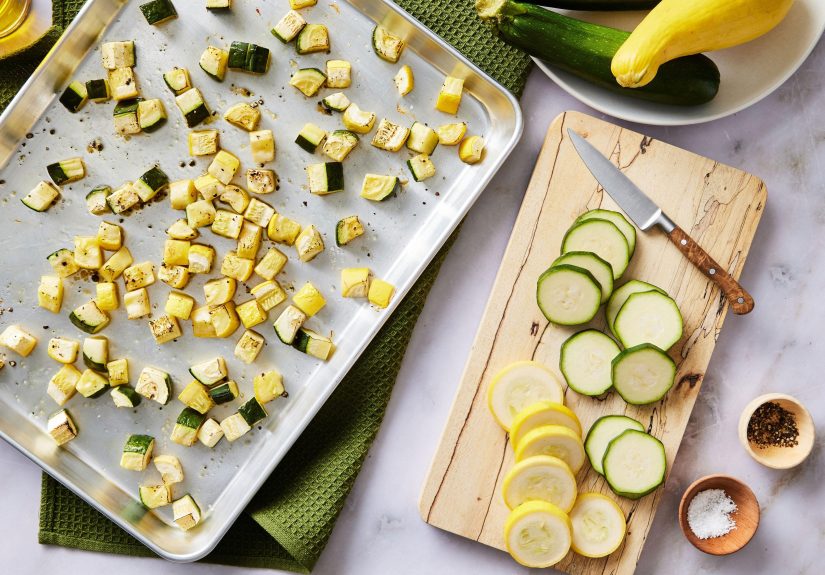
Roasting is one of the easiest and most reliable ways to cook summer squash. The oven’s dry heat concentrates flavor and gives the squash browned edges while keeping the centers tender.
How to do it: Cut the squash into thick coins, half-moons, or spears. Toss with olive oil, salt, black pepper, and optional garlic powder or Italian seasoning. Spread in a single layer on a hot sheet pan and roast at 425 to 450 degrees Fahrenheit until tender and browned, usually 10 to 20 minutes depending on size.
Best for: Weeknight side dishes, grain bowls, pasta add-ins, and meal prep.
Flavor ideas: Parmesan and garlic, smoked paprika and lemon zest, or chili flakes with fresh basil.
Roasted summer squash is the vegetable version of a clean white T-shirt: simple, dependable, and able to go with almost everything.
2. Sauté It for a Fast Stovetop Side
If you need dinner on the table quickly, sautéed squash is your friend. It cooks fast, pairs with almost any protein, and can lean classic, spicy, herby, or cheesy depending on your mood and spice cabinet.
How to do it: Slice zucchini or yellow squash into coins or half-moons. Heat olive oil or butter in a wide skillet over medium-high heat. Add the squash in a single layer if possible, season with salt and pepper, and cook until golden on one side before stirring. Add garlic, shallots, herbs, or cherry tomatoes near the end so they don’t burn.
Best for: Busy nights, skillet dinners, and “I forgot to make a vegetable” emergencies.
Flavor ideas: Garlic and Parmesan, fresh dill and lemon, or red pepper flakes with toasted breadcrumbs.
The key here is restraint. Stir too often and you lose browning. Let the squash sit for a minute and it rewards you with flavor.
3. Grill It for Smoky Char
Grilling brings out summer squash’s sweeter side while adding char and smokiness. It’s one of the best options when you want the vegetable to feel less like an obligation and more like a centerpiece.
How to do it: Slice zucchini or yellow squash lengthwise into planks or halve smaller squash. Brush with oil and season generously. Grill over medium-high to high heat until charred in spots and just tender, flipping once. A crosshatch score on the cut side can help the squash cook evenly and catch sauce beautifully.
Best for: Cookouts, summer dinners, and salads that need a smoky element.
Flavor ideas: Lemon-herb vinaigrette, feta and mint, chimichurri, or a honey-chile glaze.
Grilled squash has major “I brought my life together for dinner” energy, even when the rest of the meal is just grilled chicken and store-bought rolls.
4. Air-Fry It for Crispy, Snackable Bites
Air-fried summer squash gives you crisp edges and a creamy center without a vat of oil or the commitment of deep-frying. It’s ideal for people who want a vegetable side dish that feels suspiciously fun.
How to do it: Cut squash into coins, sticks, or chunks. For a simple version, toss with oil and seasoning. For a crispier version, coat lightly with breadcrumbs and Parmesan. Air-fry at around 375 to 400 degrees Fahrenheit until golden and tender, shaking or flipping halfway through.
Best for: Quick snacks, kid-friendly sides, and crunchy additions to wraps or bowls.
Flavor ideas: Ranch seasoning, Cajun spice, Parmesan and black pepper, or lemon-pepper.
If roasted squash is the reliable grown-up, air-fried squash is its fun cousin who shows up with a speaker and somehow improves the party.
5. Broil It When You Want Fast Browning
Broiling is the shortcut for people who want roasted-style color without waiting quite so long. The top heat quickly caramelizes the surface and works especially well with sliced or halved squash.
How to do it: Arrange squash on a sheet pan, brush or toss with oil, and season well. Broil a few inches from the heat source until browned and tender, watching closely and flipping if needed. Broilers are not known for mercy, so stay nearby.
Best for: Small batches, weeknight sides, and recipes topped with cheese.
Flavor ideas: Garlic butter, Parmesan, pesto, or a drizzle of balsamic glaze after cooking.
Broiling is ideal when the squash needs to get delicious before your patience leaves the building.
6. Stuff and Bake It for a More Substantial Dish
Stuffed summer squash turns a humble vegetable into a real main course. Zucchini boats are the classic version, but round squash and pattypans also work beautifully.
How to do it: Halve the squash lengthwise and scoop out some of the center. Fill with a mixture of breadcrumbs, cheese, herbs, cooked sausage, beans, grains, or tomatoes. Bake until the squash is tender and the filling is hot and golden.
Best for: Meatless dinners, make-ahead lunches, or a light summer supper.
Flavor ideas: Italian sausage and mozzarella, quinoa and feta, or white beans with garlic and herbs.
This method is also a great way to use leftovers. A little rice, a little cheese, a few herbs, and suddenly the refrigerator has produced dinner instead of confusion.
7. Turn It Into Noodles or Ribbons
Zucchini noodles and summer squash ribbons are fresh, quick, and great when you want something lighter than pasta without pretending a lettuce leaf is dinner.
How to do it: Spiralize or shave the squash into ribbons with a vegetable peeler. You can serve them raw in salads, toss them briefly in a hot skillet, or add them to warm pasta right at the end. The trick is not overcooking. One or two minutes is often enough.
Best for: Light lunches, low-carb dinners, and fast summer meals.
Flavor ideas: Pesto, lemon and olive oil, shrimp scampi flavors, or cherry tomatoes with basil.
Cook them too long and they go limp. Treat them like silk, not stew meat.
8. Make Fritters or Cakes
When summer squash needs a little help becoming irresistible, fritters are the answer. Crispy outside, tender inside, and wildly snackable, they’re what happens when a vegetable gets good public relations.
How to do it: Grate the squash, salt it lightly, then squeeze out as much liquid as humanly possible. Mix with egg, flour or breadcrumbs, cheese, and seasonings. Pan-fry in small rounds until golden, or use the air fryer for a lighter version.
Best for: Appetizers, brunch, or side dishes that disappear before they hit the table.
Flavor ideas: Scallions and cheddar, dill and feta, or corn with jalapeño.
Serve with sour cream, yogurt sauce, or a squeeze of lemon. Suddenly everyone loves squash. A miracle? No. Frying science.
9. Bake It Into a Casserole or Gratin
Casseroles are where summer squash goes when you want comfort food with garden energy. The key is managing moisture so the final dish is creamy and savory, not watery and apologetic.
How to do it: Slice the squash and either salt and drain it or pre-cook it briefly to release excess liquid. Layer or mix with onions, cheese, breadcrumbs, herbs, and sometimes eggs or a creamy binder. Bake until bubbling and browned on top.
Best for: Potlucks, family dinners, and using up a lot of squash at once.
Flavor ideas: Cheddar and cracker topping, Gruyère and thyme, or tomato with basil and breadcrumbs.
If summer squash had a cozy sweater, this would be it.
How to Season Summer Squash So It Actually Tastes Exciting
Summer squash is mild, which is a polite way of saying it benefits from help. The good news is that it pairs with almost everything. A little acid, heat, cheese, or herbs can take it from forgettable to repeat-worthy.
- Bright: lemon juice, lime juice, vinegar, yogurt sauce
- Savory: garlic, shallots, Parmesan, feta, soy sauce
- Fresh: basil, dill, mint, parsley, chives
- Warm: smoked paprika, cumin, chili flakes, black pepper
- Crunchy finish: toasted nuts, breadcrumbs, seeds
One of the smartest moves is finishing cooked squash with a squeeze of lemon or a splash of vinegar. It wakes up the flavor instantly and keeps the dish from tasting flat.
Common Mistakes to Avoid
Overcooking
Summer squash cooks fast. There is a fine line between tender and mushy, and it is not a large line.
Under-seasoning
Mild vegetables need confident seasoning. Salt, pepper, acid, and herbs are your allies.
Ignoring moisture
For fritters, casseroles, chips, and noodles, extra water matters. Drain, salt, pat dry, or pre-cook when needed.
Using low heat for too long
That often leads to soft, watery squash. When in doubt, cook it hotter and faster.
Conclusion
If you’ve been wondering how to cook summer squash without ending up with a bland, watery side dish, the answer is variety and technique. Roast it for caramelized edges, sauté it when time is short, grill it for smoky flavor, or air-fry it when you want crunch. From noodles to casseroles to fritters, summer squash can play just about any role in your kitchen.
The secret is matching the method to the moment. Need speed? Sauté. Want texture? Roast or air-fry. Feeding a crowd? Bake a casserole. Trying to impress people at a cookout? Grill it and act casual. Once you understand how summer squash behaves, it stops being “that vegetable I should use up” and becomes one of the most useful ingredients in your summer rotation.
Kitchen Experiences: What Cooking Summer Squash Really Feels Like
There’s also the lived reality of cooking summer squash, and it’s worth talking about because this vegetable has a way of showing up in real kitchens in very real quantities. One zucchini is dinner. Four zucchini are a side dish and leftovers. Ten zucchini mean someone has a garden, a generous neighbor, or a very optimistic trip to the farmers market. Summer squash is the kind of ingredient that turns from “nice” to “we need a plan” with astonishing speed.
One of the most common experiences people have with summer squash is underestimating how much water it holds. It looks so firm and tidy on the cutting board, and then five minutes later the skillet seems to be hosting a small weather event. That moment teaches an important lesson: heat matters, space matters, and sometimes a paper towel is doing heroic work behind the scenes. After you learn that once, you never really forget it. The next time, you use a bigger pan, salt a little earlier, or decide the oven is the smarter move.
Another familiar experience is discovering that the way you cut the squash changes everything. Thick spears feel hearty and roast beautifully. Thin coins cook fast but can go soft in a hurry. Ribbons feel elegant, like you suddenly started plating lunch at a breezy café with linen napkins. Halved zucchini on the grill can look downright impressive, especially when the cut sides pick up char marks. Same vegetable, completely different mood.
Then there’s the surprise factor. Summer squash is often treated like a backup singer, but the right method can make it the star. People who say they are “not into zucchini” tend to change their tune when it shows up roasted with browned edges, topped with lemon and Parmesan, or turned into a crispy fritter with a cool yogurt sauce. Texture is the game-changer. A lot of squash skepticism is really just mush skepticism wearing a fake mustache.
In home kitchens, air-frying summer squash has become one of those satisfying little victories that feels bigger than it is. You toss a few pieces with seasoning, slide them into the basket, and a short while later you’ve got something crisp, savory, and snackable enough to compete with actual junk food. It feels efficient, a little clever, and honestly kind of smug in the best way. You made vegetables that people reach for voluntarily. That deserves a small parade.
Grilling summer squash brings a different kind of satisfaction. It feels seasonal in a way that is hard to fake. The squash cooks quickly, takes on smoke and char, and suddenly even a basic dinner feels more alive. It also pairs well with the improvisational nature of summer meals. A grilled plank of zucchini next to chicken, fish, burgers, or crusty bread somehow makes everything look more intentional, even if dessert is a popsicle eaten over the sink.
And finally, there is the deep comfort of using summer squash as a kitchen problem-solver. It fills out a pasta dish, rescues an underwhelming dinner, stretches a frittata, and helps clear out the refrigerator before anything goes sad. It can be light and fresh or rich and cheesy. It can be lunch, dinner, or a side that steals the show. Once you’ve cooked summer squash a few different ways, you stop seeing it as repetitive and start seeing it as flexible. That’s when it becomes a staple, not a chore.







 Close
Close