
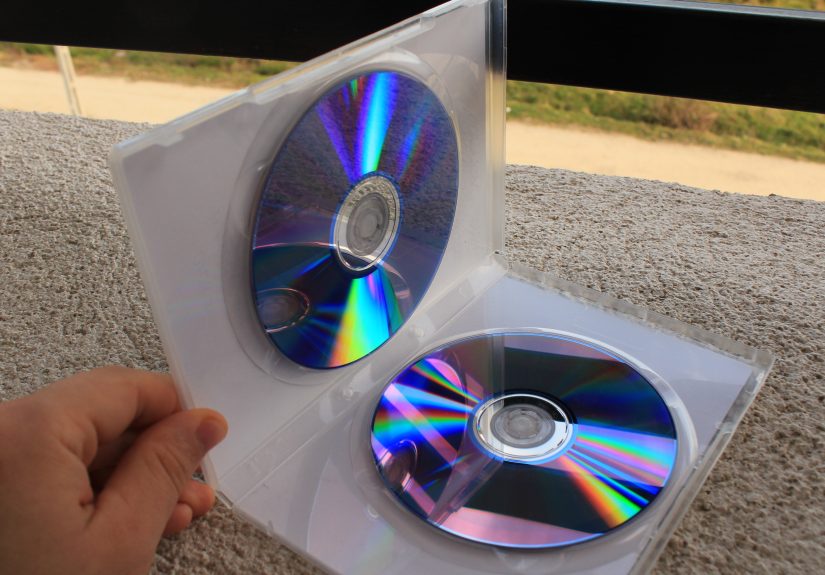
Table of Contents >> Show >> Hide
- What Does “Protected DVD” Mean?
- How to Copy a Protected DVD: 11 Safe and Legal Steps
- Step 1: Identify What Type of DVD You Have
- Step 2: Confirm Whether You Own the Rights or Have Permission
- Step 3: Check Whether the DVD Is Protected
- Step 4: Choose the Legal Path Before the Technical Path
- Step 5: Use Licensed Digital Copies When Available
- Step 6: For Personal or Unprotected DVDs, Prepare Your Computer
- Step 7: Inspect and Clean the Disc
- Step 8: Copy Only Unprotected Files You Are Authorized to Copy
- Step 9: Create an Image File for Unprotected Discs
- Step 10: Store the Backup Properly
- Step 11: Test the Backup Before You Put the DVD Away
- What You Should Not Do When Copying DVDs
- Legal Alternatives to Copying a Protected DVD
- Best Practices for Preserving Personal DVDs
- Common DVD Copying Problems and Safe Fixes
- Experience Notes: What Real DVD Preservation Teaches You
- Conclusion
Note: This guide is for educational, legal, and personal media-preservation purposes only. It does not explain how to crack, remove, bypass, or defeat DVD copy protection, encryption, region locks, DRM, or other technological protection measures. In the United States, copying a DVD you own may still raise copyright and anti-circumvention issues, especially when the disc contains commercial movies, TV shows, software, concerts, fitness programs, or other copyrighted material protected by digital locks. When in doubt, choose a licensed digital copy, request permission, or consult a qualified legal professional.
DVDs are wonderfully stubborn little time capsules. They sit on a shelf for years, survive three apartment moves, collect fingerprints like tiny crime scenes, and then one day your laptop no longer has a disc drive. Naturally, the next question is: Can I copy this DVD before it disappears into the museum of forgotten technology?
The honest answer is: it depends. If the DVD contains your own home videos, a wedding film, a school project, business footage, or another unprotected disc you have the rights to copy, creating a backup can be simple and sensible. If the DVD is a protected commercial disc, however, the legal and technical situation changes quickly. This article walks through 11 safe steps for understanding your options, preserving personal discs, avoiding risky software, and finding legal ways to access the content you paid for without stepping into the copyright swamp in flip-flops.
What Does “Protected DVD” Mean?
A protected DVD is a disc that uses a technological measure to control copying, playback, region access, or distribution. Commercial movie DVDs often include systems designed to prevent direct copying. Some may also include region coding, menu structures, bad-sector protections, or other barriers. These protections are not just technical speed bumps; they may also be legally significant.
That is why a responsible guide to “how to copy a protected DVD” should begin with a clear boundary: this article will not provide instructions for bypassing copy protection. Instead, it explains how to determine what kind of disc you have, what legal alternatives exist, and how to make backups of DVDs that are not protected or that you are authorized to copy.
How to Copy a Protected DVD: 11 Safe and Legal Steps
Step 1: Identify What Type of DVD You Have
Before you do anything, figure out what is actually on the disc. Is it a Hollywood movie, a boxed TV season, a workout program, a software installer, a music concert, or a DVD created by your cousin who once owned a camcorder and a dream?
This matters because the rules are different. A homemade DVD containing your own footage is usually much easier to back up legally. A commercial DVD, especially one with copy protection, usually comes with copyright restrictions and technological access controls. Treat every disc as copyrighted unless you know otherwise.
Step 2: Confirm Whether You Own the Rights or Have Permission
Owning a physical DVD is not the same as owning the copyright in the content. When you buy a movie DVD, you usually own that copy of the disc, not the right to reproduce the movie freely. That distinction is small enough to fit in a law-school exam and large enough to ruin your afternoon.
Ask yourself: Did you create the video? Did a client give you permission to archive it? Is it public-domain material? Do you have a written license that allows copying? If the answer is yes, you may have a lawful path. If the answer is no, look for licensed alternatives instead of trying to force a copy.
Step 3: Check Whether the DVD Is Protected
You do not need to defeat protection to recognize that a disc is likely protected. Commercial packaging, studio branding, region labels, anti-piracy warnings, and playback restrictions are clues. If a disc plays in a DVD player but resists ordinary file copying, that may also suggest protection.
The safe move is simple: if the disc appears protected, do not use tools or instructions designed to remove encryption or bypass access controls. That is where a casual “backup project” can turn into a legal problem wearing a trench coat.
Step 4: Choose the Legal Path Before the Technical Path
Most DVD-copying mistakes happen because people start with software instead of permissions. Start by choosing your legal route. For commercial movies, check whether the studio offers a digital copy, whether the title is available through Movies Anywhere, whether you can stream it through a service you already use, or whether a retailer provides a discounted digital version.
For educational, archival, library, or accessibility needs, the rules can be more nuanced. Limited exemptions may exist for specific users and specific uses, but they are not a universal green light to copy any DVD. If your use is professional, institutional, or public-facing, document your reasoning and get proper legal guidance.
Step 5: Use Licensed Digital Copies When Available
Many DVDs and Blu-rays include codes for digital redemption. Some older codes expire, but it is still worth checking the insert, the studio’s website, and major digital libraries. If you can redeem or purchase a licensed digital copy, that is usually the cleanest solution.
The benefit is convenience. You avoid questionable software, malware traps, file-format headaches, and that deeply specific feeling of watching a progress bar freeze at 97 percent. A licensed digital copy also tends to work better across phones, tablets, smart TVs, and streaming devices.
Step 6: For Personal or Unprotected DVDs, Prepare Your Computer
If the disc is your own unprotected DVD, prepare a computer with a working DVD drive. Many modern laptops do not include one, so you may need an external USB DVD drive. Choose a reliable drive from a known manufacturer, plug it directly into the computer when possible, and avoid copying important media through a loose cable that disconnects whenever someone breathes nearby.
Make sure you have enough storage space. A standard DVD can hold around 4.7 GB, while a dual-layer DVD can hold around 8.5 GB. If you are preserving multiple family videos or business archives, use an external hard drive or cloud storage with a clear folder system.
Step 7: Inspect and Clean the Disc
DVD copying often fails for boring reasons: dust, scratches, fingerprints, or a disc that has spent ten years living in a drawer next to paper clips and mystery batteries. Hold the DVD by the edges. Wipe the shiny side gently with a soft microfiber cloth, moving from the center outward in straight lines.
Do not scrub in circles, do not use harsh cleaners, and do not treat the disc like a dinner plate. If the disc is cracked, warped, or peeling, stop. A damaged disc can break inside a drive, and your DVD drive did not sign up for a confetti cannon experience.
Step 8: Copy Only Unprotected Files You Are Authorized to Copy
For a homemade or otherwise unprotected DVD, your computer may allow you to open the disc and copy its folders or video files directly to your hard drive. Some DVDs use a folder structure such as VIDEO_TS, which contains the video information, menus, and playback data. If the disc is unprotected and you have the rights to copy it, saving this folder can preserve the DVD’s structure.
Create a destination folder with a clear name, such as Family_Reunion_2006_DVD_Backup or Client_Project_Final_DVD_Archive. Copy the files into that folder, then test playback with a legitimate media player that supports DVD folders. Do not use software that advertises DRM removal, encryption cracking, or protected DVD ripping.
Step 9: Create an Image File for Unprotected Discs
For authorized, unprotected discs, another option is creating a disc image file. A disc image preserves the contents of the DVD as a single archive-like file, often used for backup or future burning. This can be helpful when you want to keep menus, chapters, and file structure intact.
Use trusted, general-purpose disc utility software that does not bypass copy protection. On some systems, built-in utilities can create images of unprotected discs. The key phrase is unprotected discs. If a disc image tool fails because the DVD is protected, do not try to defeat the protection. Choose a licensed alternative instead.
Step 10: Store the Backup Properly
A backup is only useful if you can find it later. Store authorized DVD backups in at least two places: one local drive and one separate location, such as a second external drive or secure cloud storage. Use descriptive names, add dates, and avoid folder titles like stuff, new stuff, and final final really final.
If the content is private, such as family footage, client work, medical training, legal videos, or business records, use secure storage. Password-protect sensitive archives, limit sharing, and avoid uploading private videos to public platforms by accident. The internet has a long memory and terrible boundaries.
Step 11: Test the Backup Before You Put the DVD Away
Never assume a backup works just because the file copied successfully. Open the copied folder or image. Play the beginning, middle, and end. Check the audio. Confirm that chapters or menus work if they matter. If it is a family video, make sure Uncle Dave’s legendary barbecue speech survived in full cinematic glory.
Once you know the backup works, label the original disc and store it in a protective case away from heat, sunlight, moisture, and toddlers with jam hands. A backup is not a replacement for sensible storage; it is a second parachute.
What You Should Not Do When Copying DVDs
Do not download random “free DVD ripper” tools from unfamiliar websites. Many of them are stuffed with adware, browser hijackers, bundled installers, or malware. A program that promises to copy every protected DVD in one click may also copy your passwords, and that is not the bonus feature anyone asked for.
Do not upload copied commercial movies to file-sharing sites, social media, cloud folders shared with friends, or public video platforms. Distribution is a much bigger legal risk than personal storage. Also avoid selling copied discs, giving away duplicates, or including copyrighted DVD content in monetized videos unless you have permission or a strong legal basis.
Do not assume “I bought it” means “I can copy it any way I want.” Copyright law separates ownership of a physical object from ownership of the creative work. That difference can be frustrating, but it is central to how movies, music, games, software, and educational media are licensed.
Legal Alternatives to Copying a Protected DVD
Redeem or Buy a Digital Version
If the DVD came with a digital copy code, try redeeming it. If the code is expired, check whether the studio or retailer offers help. You can also search major digital stores for the same title. Buying the digital version may feel annoying when the disc is already on your shelf, but it is often cheaper than dealing with unreliable software, legal uncertainty, and compatibility problems.
Use a Streaming Service
Many older DVD titles are available through subscription platforms or rental services. Availability changes often, so search across reputable streaming catalogs. For a one-time watch, renting may be more practical than trying to preserve a protected disc.
Contact the Rights Holder
If you need the content for a class, presentation, nonprofit event, documentary, review, or accessibility project, contact the rights holder. Permission may be easier than expected, especially for limited uses. Keep written records of approvals, restrictions, and expiration dates.
Use Short Clips Under a Fair-Use Analysis
Fair use can apply to criticism, commentary, teaching, scholarship, news reporting, and similar purposes, but it is not automatic. It depends on factors such as purpose, nature of the work, amount used, and market effect. Using a short clip in a review is different from copying an entire movie. If your use matters professionally, do not guess. Get guidance.
Best Practices for Preserving Personal DVDs
Personal DVDs deserve preservation. Wedding films, baby videos, graduation ceremonies, local theater performances, training recordings, and small-business archives can vanish when discs fail. Unlike commercial movies, these may not exist anywhere else.
Start by gathering all personal discs in one place. Sort them by year, event, or project. Clean them gently. Copy authorized, unprotected files to a hard drive. Create a second backup. Consider converting personal footage into modern formats for easier viewing, but keep the original folder or disc image when possible. Conversion is convenient; archival copies are insurance.
Use consistent naming. A file named VID_0007 tells future-you absolutely nothing. A file named 2012-08-14_Grandma_Birthday_DVD is a tiny act of kindness toward your future self. Add a simple text file inside each folder with notes about the event, people, location, and source disc.
Common DVD Copying Problems and Safe Fixes
The Computer Does Not Recognize the DVD
Try another DVD drive, another USB cable, or another computer. Some older discs are picky. If the disc is scratched, professional disc resurfacing may help. If the disc is protected commercial media, do not interpret copying failure as an invitation to bypass protection.
The Video Plays but the Audio Is Missing
Use a reputable media player that supports DVD audio formats. If the disc is a personal project, you may also need to locate the original export files. Sometimes old DVD-authoring software created unusual file structures that modern systems do not love.
The Copy Stops Halfway
This may indicate disc damage, a failing drive, insufficient storage, or a file-system issue. Clean the disc, restart the computer, and try copying to a different drive. For important personal footage, consider a professional media-transfer service.
The Backup Works on a Computer but Not a DVD Player
A copied folder on a hard drive is not the same as a playable DVD. If you need a physical replacement for an authorized, unprotected disc, use legitimate DVD-authoring or burning software and test it in the target player. For long-term access, a digital file may be more practical than another disc.
Experience Notes: What Real DVD Preservation Teaches You
Anyone who has spent a weekend sorting old DVDs learns one thing fast: discs are organized by chaos. You may find a wedding video in a case labeled “Taxes,” a school recital inside a movie box, and a mystery disc titled “DO NOT DELETE” with no explanation. That is normal. The first real step is not copying; it is detective work.
From practical experience, the best results come from slowing down. People often rush to install the first tool they find, but the smarter approach is to identify the disc, confirm rights, clean it, test it, and make a plan. With personal DVDs, copying the original folder structure before converting anything is usually wise. That way, if a conversion fails or compresses the video too much, you still have the closest available version of the source.
Another lesson: storage habits matter more than fancy software. A beautifully copied family archive is not safe if it lives on one aging laptop. External drives fail. Cloud accounts get forgotten. USB sticks disappear into desk drawers and possibly another dimension. A good preservation setup includes at least two backups, clear file names, and occasional checks to make sure the files still open.
When handling old discs, patience saves data. A scratched disc may still read slowly. A cheap external drive may fail on one disc while a better drive succeeds. Some discs need cleaning; others need professional help. The trick is to avoid making damage worse. Do not scrape, bend, polish aggressively, or use mystery chemicals from the garage. DVDs are not cast-iron pans.
People also underestimate privacy. Old DVDs often contain children, addresses, school events, family gatherings, medical presentations, legal recordings, or business materials. Before uploading anything to cloud storage or sharing a folder, think about who appears in the footage and who should have access. Convenience should not outrun consent.
For commercial protected DVDs, the most useful experience is accepting that copying is not always the best path. Sometimes a legal digital rental, purchase, library option, or studio-provided copy solves the problem faster and cleaner. It may not satisfy the tinkerer inside you, but it avoids the risky world of shady software and unclear rights. Your computer will thank you. Your antivirus will throw a small parade.
The final takeaway is simple: preserve what you created, respect what others created, and keep your media organized enough that future-you does not need a treasure map. DVD technology may be aging, but the memories and information stored on those discs can still matter. Handle them carefully, copy only what you are allowed to copy, and choose legal access options when copy protection is involved.
Conclusion
Learning how to copy a protected DVD responsibly begins with understanding the limits. You can often back up personal, unprotected DVDs that you created or have permission to copy. You should not bypass DRM, crack encryption, or use tools designed to defeat copy protection on commercial discs. The safest approach is to identify the disc, confirm your rights, choose legal alternatives when needed, and preserve authorized media with careful storage practices.
DVDs may feel old-fashioned, but the content on them can still be valuable. Whether you are saving family memories, client projects, school footage, or rare personal archives, the goal is not just to make a copy. The goal is to make a copy you can legally keep, actually play, and still find five years from now.





 Close
Close