
Table of Contents >> Show >> Hide
- Step 1: Choose the “least dramatic” seat
- Step 2: Give your eyes a stable target (a.k.a. stop staring at your phone)
- Step 3: Keep your head still and supported
- Step 4: Get cool air and avoid strong smells
- Step 5: Eat smart before and during the ride
- Step 6: Control the “motion pattern” when you can
- Step 7: Use quick “reset” techniques when nausea starts
- Step 8: Try ginger (and be realistic about wristbands)
- Step 9: Consider medicationcarefully and early
- Step 10: Recover fastand know when to get help
- Quick Ride-Type Cheat Sheet
- of Real-World Experience: What Actually Helps on “Nausea-Prone” Days
- Conclusion
You’re buckled in. The ride starts moving. Your brain says, “Wheee!” and your stomach says, “Absolutely not.”
If you’ve ever felt queasy on a car trip, bus ride, boat, plane, roller coaster, or even a VR headset, you’re not
dramaticyou’re experiencing motion sickness, a very normal (and very annoying) reaction to mixed signals.
Motion sickness often happens when your eyes, inner ear (vestibular system), and body sensors disagree about what’s
going on. Your eyes might be locked on a seatback or a phone (looks “still”), while your inner ear feels turns, dips,
and speed changes (definitely “moving”). Your brain tries to reconcile the chaos… and sometimes the result is nausea,
cold sweats, dizziness, headache, and a sudden desire to become one with the nearest trash can.
The good news: you can usually prevent it, reduce it fast, or at least keep it from hijacking the whole day.
Here are 10 practical, science-backed stepswritten for real humans who want to enjoy the ride, not narrate their
stomach’s betrayal.
Step 1: Choose the “least dramatic” seat
Where you sit can make a bigger difference than people expect. The general goal is to reduce the amount of motion your
body feelsor match what your eyes see with what your inner ear is sensing.
- Car: Sit in the front passenger seat if possible, or the middle of the back seat so you can look forward.
- Bus: Aim for a seat closer to the front where motion is often steadier.
- Plane: Seats over the wing tend to feel less “bouncy” because they’re near the plane’s center of lift.
- Boat: The middle of the boat is usually steadier than the bow (front) or stern (back).
- Amusement rides: If you have a choice, pick a position closer to the center of rotation (less whipping motion).
Not every ride offers seat selection (looking at you, crowded shuttles), but when it does, treat it like a strategy, not
a vibe.
Step 2: Give your eyes a stable target (a.k.a. stop staring at your phone)
If motion sickness had an archenemy, it would be “looking at something close-up while moving.” Reading, scrolling, and
gaming are basically a VIP pass to nausea town. Instead:
- Look at the horizon or a distant, fixed point.
- Face forward (especially in cars and buses).
- If you’re on a ride where the horizon isn’t visible, focus on a stable point in the distance when you can.
This helps align what your eyes see with what your inner ear feelslike getting your senses into the same group chat.
Step 3: Keep your head still and supported
Motion sickness can get worse when your head is bobbing, turning, or trying to interpret every curve like it’s a plot
twist. A simple fix: stabilize your head.
- Rest your head against the seatback or headrest.
- Avoid whipping your gaze side-to-side (especially out side windows).
- On long trips, a small neck pillow can help keep your head from doing interpretive dance.
When your head is steadier, your vestibular system gets fewer “surprise!” inputsand your stomach has fewer reasons to
file a complaint.
Step 4: Get cool air and avoid strong smells
Heat, stuffy air, and strong odors can make nausea worse. Ventilation isn’t glamorous, but it’s powerful.
- Crack a window (car) or aim an air vent toward your face (plane or bus).
- Avoid heavy perfume/cologne, smoke, and strong food smells when possible.
- If you’re prone to nausea, choose “fresh and boring” over “spicy and heroic” before rides.
Cool air can be calming, and reducing sensory overload gives your body fewer reasons to spiral.
Step 5: Eat smart before and during the ride
Motion sickness loves extremes: too hungry or too full. Aim for the middle lane.
- Before: Have a light snack (think crackers, toast, a banana, yogurtsomething bland and familiar).
- Avoid: Greasy meals, heavy creaminess, and alcohol before travel.
- During: Small sips of water can help; chugging a giant drink can backfire.
For longer trips, pack simple snacks and pace yourself. A full stomach plus a roller coaster is a risky collaboration.
Step 6: Control the “motion pattern” when you can
Some rides are unavoidable chaos (hello, spinning teacups). But many situations offer control:
- Ask the driver to take turns more gently when possible.
- On road trips, take breaksgetting out and walking can reset symptoms.
- If a ride has a “smooth mode” or speed option, choose it (your pride will survive).
If symptoms start, the fastest relief is often reducing or stopping the triggering motion. Even a short pause can help.
Step 7: Use quick “reset” techniques when nausea starts
Sometimes motion sickness arrives uninvited. When you feel it coming on, try a rapid reset:
- Eyes: Look far ahead or close your eyes briefly if focusing is impossible.
- Posture: Recline slightly if safe, and keep your head supported.
- Breathing: Slow, steady breaths (in for 4, out for 6) can reduce the panic-nausea feedback loop.
- Mouth: A mint or ginger candy can help some people, partly by easing the “icky taste” sensation.
The goal is to prevent the “I feel weird → I worry → I feel worse” loop from becoming a full-blown sequel.
Step 8: Try ginger (and be realistic about wristbands)
Ginger has evidence for reducing nausea in several settings, and many people find it soothing for travel queasiness.
Options include ginger tea, ginger chews, or ginger candies (choose real ginger when possible).
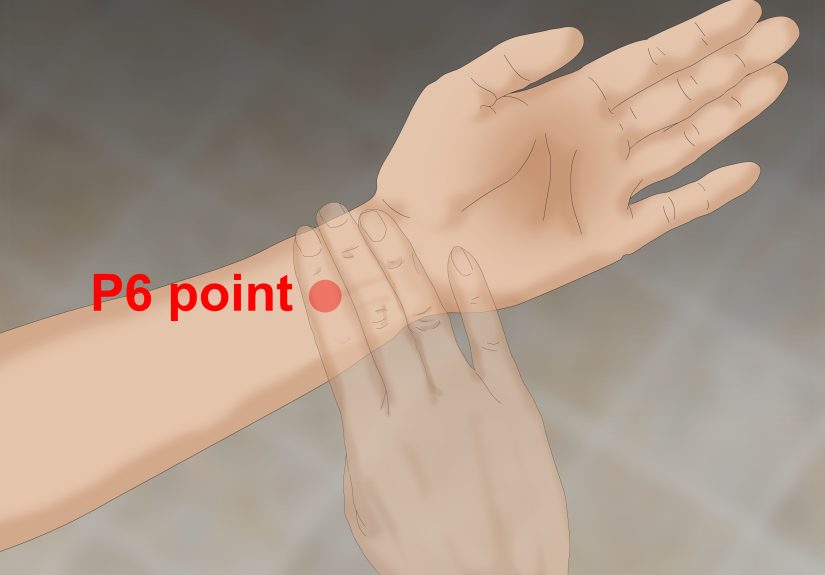
What about acupressure wristbands? The research is mixed, and several studies suggest they may not prevent motion sickness
better than placebo for many people. That said: if a wristband helps you and doesn’t cause problems, it’s fine to use as
a low-risk add-onjust don’t rely on it as your only plan for a rough boat ride.
Step 9: Consider medicationcarefully and early
If you get motion sick often, medication can be a game-changer. The key is timing: many options work best when taken
before you’re miserable. Common categories include:
OTC antihistamines (common motion sickness meds)
Over-the-counter options often include ingredients like meclizine, dimenhydrinate, or
diphenhydramine. They can reduce nausea and dizzinessbut they can also cause drowsiness, dry mouth, and
slowed reaction time. That means:
- Don’t combine them with alcohol or other sedating medicines unless your clinician says it’s safe.
- Be extra cautious if you need to drive, operate equipment, or do anything requiring sharp focus afterward.
- Follow the labelespecially for teens and children (age limits vary by ingredient).
Prescription options (like scopolamine)
For longer travel (cruises, multi-day trips), clinicians may prescribe a scopolamine patch.
It’s convenient, but it isn’t for everyone. It can cause side effects like dry mouth or blurry vision, and it may be
unsafe for people with certain conditions (for example, specific types of glaucoma or urinary retention risk).
If you use a patch, follow directions exactlydon’t “DIY” the dose.
Important note: If you’re pregnant, have chronic medical conditions (like glaucoma, asthma, or urinary issues), take other
medications, or you’re buying meds for a kid/teen, check with a healthcare professional first. “Common” doesn’t always mean
“perfect for everybody.”
Step 10: Recover fastand know when to get help
After the motion stops, symptoms can linger. To recover faster:
- Get fresh air and hydrate slowly.
- Eat bland foods if you’re hungry (crackers, rice, toast).
- Rest your eyesscreens can keep the queasiness going for some people.
Consider talking to a clinician if motion sickness is frequent, severe, or suddenly new for youespecially if it comes
with intense headaches, fainting, neurological symptoms, or vertigo that shows up even when you’re not traveling.
Sometimes other conditions can mimic (or worsen) motion sickness, and it’s worth checking.
Quick Ride-Type Cheat Sheet
- Car sickness: front seat, cool air, no reading, light snack, breaks.
- Sea sickness: middle of the boat, horizon focus, early medication if needed.
- Air sickness: seat over the wing, vent on face, hydrate, avoid alcohol.
- Theme park rides: avoid spin-heavy rides if you’re sensitive; recover between rides; keep your gaze steady when possible.
- VR/motion simulation: shorter sessions, frequent breaks, stop at the first warning signs.
of Real-World Experience: What Actually Helps on “Nausea-Prone” Days
In real life, motion sickness isn’t a tidy checklistit’s a chaotic mix of timing, environment, and “why did I think
eating chili fries before this ferry was a good idea?” What many frequent travelers learn is that prevention is easier
than rescue. If you wait until you’re already nauseated, you’re trying to put out a kitchen fire with a juice box.
On road trips, a common pattern is that the back seat plus a phone equals trouble. People who normally feel “fine”
around town can get wrecked on highways with long curves, stop-and-go traffic, or mountain roads. A practical move is
to build a mini routine: light snack, cool cabin, forward-facing seat, and a “no scrolling for the first 30 minutes”
rule. That window matters because once symptoms start, anxiety can join the party and make everything feel worse.
Boats are their own special genre. Even confident travelers can get surprised by choppy water because the motion is
constant and multi-directionalup/down, side-to-side, and twisty. Seasoned cruisers often swear by two habits:
(1) they get on deck early and lock onto the horizon, and (2) they don’t skip hydration. Dehydration can make nausea
feel sharper, and salty air plus sun can push people over the edge.
Theme parks reveal another “experience” lesson: stacking rides without recovery time is a trap. A lot of people do fine
on one big coaster, then feel awful after a second ride that spins or whips the head around. A smart strategy is to
alternate intensitycoaster, then a calm walk, then a slow ride, then food/water, then decide. Your brain and inner ear
appreciate intermissions.
Parents (and older siblings, and anyone who’s ever been handed a queasy child mid-trip) learn that kids often can’t
describe early symptoms clearly. The first clues might be quietness, yawning, pallor, or “I don’t feel good” said in a
tiny voice that means business. Stopping earlybefore full nausea hitsusually works better than pushing through.
Keeping a cleanup kit in the car is not pessimism; it’s maturity with a zipper bag.
Finally, there’s the underrated truth: sometimes motion sickness is about expectations. If you know you’re prone,
plan like it’s part of the trip, not a personal failure. Bring ginger chews. Pick the best seat. Get airflow. Set screen
limits. And if meds are appropriate for you, test them on a low-stakes day so you don’t discover their drowsiness effect
right before a big event. The goal isn’t to be fearlessit’s to be prepared enough that nausea doesn’t get the final vote.
Conclusion
Motion sickness can feel random, but it’s usually predictable once you know your triggers. Start with the basics: pick
the right seat, look at the horizon, keep your head supported, get cool air, and eat lightly. Add tools like ginger or
carefully chosen medications if you need them. Most importantly, act earlybecause the best time to prevent motion
sickness is before your stomach starts writing angry emails.





 Close
Close