Table of Contents >> Show >> Hide
- What Is a Twisted Crown Hairstyle?
- Why the Twisted Crown Hairstyle Is So Popular
- Tools You Need for a Twisted Crown Hairstyle
- How to Prep Your Hair Before Twisting
- How to Do a Twisted Crown Hairstyle: Step-by-Step Tutorial
- Twisted Crown Hairstyle for Different Hair Lengths
- Twisted Crown Hairstyle for Different Hair Textures
- Common Mistakes and How to Fix Them
- Pretty Variations to Try
- How Long Does a Twisted Crown Hairstyle Last?
- When to Wear a Twisted Crown Hairstyle
- Extra Experience: What I Learned From Doing a Twisted Crown Hairstyle in Real Life
- Conclusion
A twisted crown hairstyle is the kind of look that makes people assume you woke up with a personal glam squad, a ring light, and possibly a tiny woodland bird helping with the finishing touches. In reality, it is one of the most beginner-friendly updos you can learn. It uses two-strand twists instead of complicated braids, wraps the hair around the head like a soft halo, and works beautifully for casual days, weddings, festivals, school events, date nights, brunches, and those “my hair has opinions today” mornings.
The best part? You do not need professional styling skills. If you can divide hair into two sections, twist them over each other, and secure them with bobby pins, you can do a twisted crown hairstyle. This guide walks you through the full process step by step, including prep, tools, common mistakes, variations for different hair lengths and textures, and real-world styling experience to help your crown stay put without looking stiff.
What Is a Twisted Crown Hairstyle?
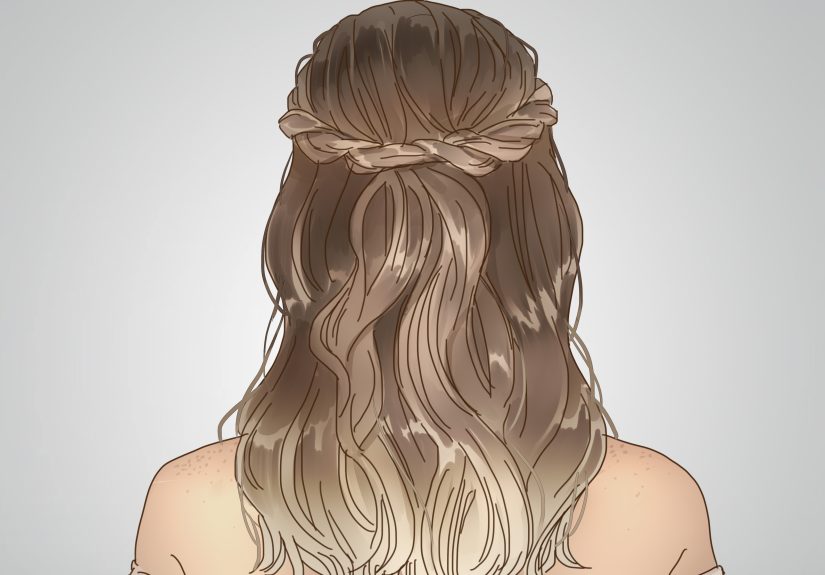
A twisted crown hairstyle is an updo where sections of hair are twisted along one or both sides of the head and pinned around the crown area to create a halo-like shape. It is similar to a crown braid, halo braid, or braided headband, but instead of using a three-strand braid, you use a two-strand twist. That makes it easier for beginners and especially helpful for shorter hair, layered hair, or hair that does not naturally cooperate with tight braiding.
The style can be polished and elegant or relaxed and boho. You can wear it sleek with a middle part, soft with face-framing pieces, messy with textured waves, or romantic with tiny accessories tucked into the twist. Think of it as the hairstyle equivalent of a sundress with pockets: pretty, practical, and surprisingly useful.
Why the Twisted Crown Hairstyle Is So Popular
The twisted crown hairstyle has staying power because it solves several everyday hair problems at once. It keeps hair away from the face, adds volume around the crown, hides oily roots better than many loose styles, and looks intentional even when it is slightly imperfect. In fact, a little imperfection often makes it better.
It is also versatile. A twisted crown can be styled on straight, wavy, curly, coily, fine, thick, long, medium, and many shorter hair lengths. For natural hair, flat twists can create a protective crown-inspired style. For fine hair, texture spray and gentle pulling can make the twist appear fuller. For thick hair, stronger pins and smaller sections help control the shape. The technique is flexible, which is why it appears so often in beauty tutorials and wedding hairstyle inspiration.
Tools You Need for a Twisted Crown Hairstyle
You do not need a salon drawer full of mysterious gadgets. Keep the toolkit simple:
- A detangling brush or wide-tooth comb
- Rat-tail comb for clean parting
- Clear elastics or small hair ties
- Bobby pins that match your hair color
- Texturizing spray, dry shampoo, mousse, or light styling cream
- Flexible-hold hairspray
- Optional accessories: pearl pins, tiny clips, flowers, ribbon, or decorative combs
If your hair is very slippery, freshly washed, or naturally fine, texturizing spray will be your best friend. Clean hair can look gorgeous, but it may slide out of twists faster than gossip in a group chat. A little grip helps the style last longer.
How to Prep Your Hair Before Twisting
Start With Detangled Hair
Before you begin, brush or comb through your hair gently to remove knots. Twists look smoother and are easier to build when each section is free of tangles. For curly or coily hair, detangle according to your normal routine, often with a leave-in conditioner or curl cream to reduce friction and keep the hair comfortable to work with.
Add Texture and Control
If your hair is straight or fine, spray dry shampoo or texturizing spray near the roots and mid-lengths. This creates grip and prevents the crown from collapsing. If your hair is wavy or curly, a small amount of styling cream can define the texture while keeping frizz soft and natural. If your hair is thick, use clips to divide sections as you work so the rest of your hair does not stage a rebellion.
Choose Your Part
You can create a twisted crown with a middle part, side part, or slightly off-center part. A middle part gives a balanced, romantic look. A deep side part feels softer and more dramatic. If you are new to this hairstyle, start with the part you naturally wear because the hair will be more willing to follow that direction.
How to Do a Twisted Crown Hairstyle: Step-by-Step Tutorial
Step 1: Part Your Hair
Create your preferred part from the front hairline back toward the crown. For a classic twisted crown, divide the hair into two main sides. Clip one side away so you can focus on the first twist without grabbing random pieces from the other side.
Step 2: Take a Small Front Section
On one side of your part, take a small section of hair near the hairline. A section about one inch wide is a good place to start. Split that section into two equal pieces. These two pieces will become your twist.
Step 3: Begin the Two-Strand Twist
Cross the front piece over the back piece. Then add a small new section of hair to the piece that is now closest to the front hairline. Cross again. Add another small piece of hair as you continue. This is similar to the way hair is added in a French braid, but you are working with two sections instead of three.
Step 4: Keep Twisting Along the Hairline
Continue twisting toward the back of your head, adding small sections as you go. Keep your hands close to your scalp so the twist sits securely. The twist should follow the curve of your head, moving from the temple toward the back crown area. Do not pull too tightly. A twisted crown should feel secure, not like it is trying to negotiate with your forehead.
Step 5: Stop Adding Hair at the Back
Once you reach the back of your head, stop adding new sections. Continue twisting the remaining length of hair normally until you reach the ends. Secure the end with a clear elastic.
Step 6: Repeat on the Other Side
Unclip the other side and repeat the same process. Take a small front section, divide it into two pieces, twist while adding hair, and work toward the back of the head. Secure the end with another clear elastic.
Step 7: Cross and Pin the Twists
Take the first twist and wrap it across the back of your head. Tuck the end underneath the opposite twist or under loose hair, then pin it in place. Repeat with the second twist, crossing it over or under the first depending on the shape you like. Use bobby pins in an X shape for stronger hold.
Step 8: Loosen for Volume
Gently tug the outer edges of each twist to make the crown look fuller. This technique is sometimes called pancaking. Be patient and pull lightly. The goal is soft volume, not total structural collapse.
Step 9: Finish With Hairspray
Set the style with a flexible-hold hairspray. Avoid soaking the hair until it turns crunchy. The prettiest twisted crown hairstyles usually have movement, softness, and a few natural pieces around the face.
Twisted Crown Hairstyle for Different Hair Lengths
Short Hair
Short hair can absolutely wear a twisted crown hairstyle. The trick is to create smaller twists and pin as you go. If your hair is above shoulder length, try a half-up twisted crown instead of a full wraparound version. Twist each side from the temple to the back of the head, pin the sections together, and let the bottom hair remain loose.
Medium-Length Hair
Medium hair is ideal for this style because it has enough length to wrap but not so much that the twists become heavy. You can create a full twisted crown, a half-up crown, or a crown that ends in a low bun. For a soft everyday look, leave a few loose pieces near the front.
Long Hair
Long hair creates a dramatic crown, but it may need extra pins. After twisting both sides, wrap the lengths around the back of the head and tuck the ends carefully. If the twist feels bulky, pin one side first, then lay the second twist slightly above or below it instead of stacking both in the exact same spot.
Twisted Crown Hairstyle for Different Hair Textures
Fine Hair
Fine hair benefits from texture. Use dry shampoo or volumizing spray before styling. After pinning, gently loosen the twist to create the illusion of thickness. Small accessories can also help make the style look fuller without needing extra hair.
Thick Hair
Thick hair needs structure. Work in smaller sections, use strong bobby pins, and avoid making the twists too large near the front. If the crown feels heavy, convert the back into a low bun and pin the twists around it.
Curly Hair
Curly hair gives the twisted crown natural volume and texture. Apply curl cream or leave-in conditioner before styling if needed. You can define the front pieces and let a few curls frame the face for a romantic finish.
Coily or Natural Hair
For coily or natural hair, a flat-twist crown is a beautiful option. Work with moisturized, detangled hair and create flat twists close to the scalp. Depending on your length, you can pin the ends at the back, tuck them under, or shape them into a low bun. This version can also work as a low-manipulation style when done gently.
Common Mistakes and How to Fix Them
The Twist Keeps Slipping
This usually means the hair is too clean, too silky, or the sections are too large. Add texture spray, use smaller sections, and pin as you go. Bobby pins should slide in with the ridged side facing the scalp for better grip.
The Crown Looks Flat
Gently tug the twist outward after securing it. You can also tease the crown area lightly before twisting. For fine hair, add dry shampoo at the roots and massage it in before starting.
The Ends Stick Out
Tuck the ends underneath the opposite twist and pin them invisibly. If you have layers, use a tiny amount of styling cream on the ends before tucking. Clear elastics also help keep shorter pieces from escaping.
The Style Feels Too Tight
Loosen the twist immediately. A hairstyle should not cause scalp pain or discomfort. Rework the section with less tension and use pins for support instead of pulling the hair tightly.
Pretty Variations to Try
Half-Up Twisted Crown
This is the easiest version for beginners. Twist one section from each side of the head and pin them together at the back. Leave the rest of your hair down in waves, curls, or a smooth blowout.
Messy Boho Twisted Crown
Add waves first, create loose twists, and pull out a few face-framing pieces. Finish with light hairspray. This version is perfect for casual weekends, outdoor photos, or anytime you want your hair to say, “I tried, but not too hard.”
Elegant Low Bun Crown
Create two twists along the sides, then gather the remaining hair into a low bun at the nape. Pin the twists around or above the bun. This is a beautiful choice for weddings, formal events, and holiday parties.
Accessory Crown
Add pearl pins, metallic clips, tiny flowers, or a thin ribbon woven through the twist. Keep accessories balanced so they enhance the style instead of turning your head into a craft table.
How Long Does a Twisted Crown Hairstyle Last?
A twisted crown hairstyle can last several hours with the right prep and pins. On textured, wavy, curly, or second-day hair, it often holds longer because the hair has more natural grip. On very straight or slippery hair, use texturizing spray and extra pins. If you are wearing the style for a long event, keep a few bobby pins in your bag for quick touch-ups.
When to Wear a Twisted Crown Hairstyle
This hairstyle works almost anywhere. It is polished enough for weddings and parties but simple enough for school, work, errands, and casual hangouts. It is also useful during warm weather because it keeps hair off the face and neck. For a more formal setting, make the twists smoother and tighter. For everyday wear, let the finish stay soft and relaxed.
Extra Experience: What I Learned From Doing a Twisted Crown Hairstyle in Real Life
The first time you try a twisted crown hairstyle, you may expect it to look exactly like the glossy tutorial photo. Then reality walks in wearing sweatpants. One side may twist beautifully while the other side develops a mysterious bump. A bobby pin may disappear into your hair like it found a secret portal. A front layer may pop out with the confidence of a reality TV contestant. This is normal.
The biggest lesson is that prep matters more than perfection. Hair with a little texture is easier to twist than freshly washed, silky hair. If your hair is too clean, the twist may slide down as soon as you blink. Dry shampoo, mousse, or texture spray gives the hair some grip, which helps the crown stay lifted and secure. Second-day hair is often perfect for this style because it has just enough natural hold without needing a lot of product.
Another helpful experience is learning where to place the pins. Many beginners pin only the ends, but the twist may need support along the way. Slide a bobby pin into the twist near the temple, another behind the ear, and another at the back. The pins should hide inside the twist, not sit on top like tiny metal antennas. Crossing two pins in an X shape gives stronger hold, especially if your hair is thick or heavy.
It also helps to accept your hair’s natural personality. Fine hair may need gentle teasing at the crown. Thick hair may need smaller sections. Curly hair may look best when the twist is not overly controlled. Coily hair may work beautifully with flat twists and tucked ends. Layered hair may require a small amount of styling cream to keep shorter pieces in place. The twisted crown is not one single look; it is a technique you can adjust.
For special events, practice the hairstyle before the actual day. Do not wait until twenty minutes before a wedding, school dance, or important dinner to discover that your left hand has no idea what your right hand is doing. Try it once when you have no pressure. Take a photo from the front, side, and back. The back view is especially important because that is where uneven pinning likes to hide.
One practical trick is to curl or wave the hair before making a loose twisted crown. The added texture helps blend layers and makes the style look more romantic. If you prefer a sleek finish, apply a small amount of smoothing cream around the hairline and use a comb to clean up the part before twisting. Both versions are pretty; they simply create different moods.
The final lesson is not to overwork it. A twisted crown hairstyle often looks better when it is slightly soft. If you keep pulling it apart and redoing it, the hair can become frizzy or tired. Once the shape looks balanced, pin it, mist it, and let it live. A tiny flyaway is not a disaster. Sometimes it is the detail that makes the hairstyle look effortless instead of helmet-like.
In everyday life, the twisted crown is one of those hairstyles that gives a big reward for a small amount of effort. It can rescue a bad hair day, dress up a simple outfit, and make you feel more put together without using heat tools. Once you learn the basic motion, you can create the style in minutes and customize it for almost any occasion.
Conclusion
Learning how to do a twisted crown hairstyle is much easier than it looks. With two-strand twists, a few bobby pins, and the right amount of texture, you can create a soft crown effect that works for casual days, formal events, and everything in between. The key is to prep your hair, twist in small controlled sections, pin securely, and loosen the shape gently for volume.
Whether your hair is short, medium, long, fine, thick, curly, or coily, this hairstyle can be adapted to fit your texture and comfort level. Start with the basic half-up version if you are new, then move on to full crown twists, low bun variations, and accessory-enhanced styles. Your first attempt does not need to be perfect. It just needs to stay on your head and make you feel good. Honestly, that is a win worthy of a crown.