
Table of Contents >> Show >> Hide
- What Is Passion Fruit?
- How to Tell If Passion Fruit Is Ripe
- How to Eat Passion Fruit: Step-by-Step Instructions
- What Does Passion Fruit Taste Like?
- Easy Ways to Use Passion Fruit
- Three Easy Passion Fruit Recipes
- More Passion Fruit Recipe Ideas
- How to Store Passion Fruit
- Common Mistakes to Avoid
- Is Passion Fruit Good for You?
- Conclusion
- Extra Experience: What Eating Passion Fruit Is Really Like
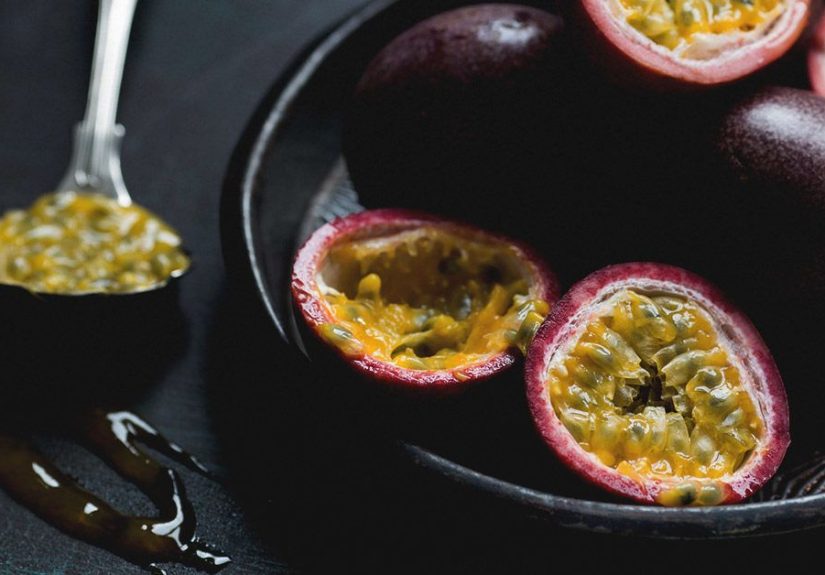
Passion fruit is one of those foods that looks like it arrived from another planet, then politely asks to be turned into dessert. Outside, it can be leathery, purple, yellow, or wrinkly enough to look like it has seen things. Inside, though, it is pure tropical drama: bright pulp, crunchy seeds, and a sweet-tart flavor that lands somewhere between citrus, pineapple, and a very opinionated berry.
If you have ever stood in the produce aisle holding one and wondering whether you are supposed to peel it, squeeze it, blend it, or call for backup, you are in the right place. This guide explains exactly how to eat passion fruit, how to tell when it is ripe, what to do with the pulp, and several easy passion fruit recipes you can actually make without needing a culinary degree or a blowtorch.
What Is Passion Fruit?
Passion fruit grows on a vine and usually comes in two common types: purple and yellow. Both have a firm outer rind and a fragrant, juicy center filled with edible seeds. The pulp is the star of the show. It is glossy, aromatic, and pleasantly tart, which is why passion fruit shows up in everything from breakfast bowls to salad dressings to frozen desserts.
In flavor terms, passion fruit is not shy. It is tangy, floral, citrusy, and slightly sweet all at once. Think of it as the fruit equivalent of someone wearing bright sunglasses indoors and somehow pulling it off.
How to Tell If Passion Fruit Is Ripe
Knowing how to eat passion fruit starts with knowing how to buy it. A ripe passion fruit should feel heavy for its size, which usually means the inside is juicy instead of dried out and disappointing. Color also matters. Depending on the variety, ripe fruit is usually deep purple or rich yellow rather than green.
Wrinkles Are Usually a Good Sign
This is one of the rare moments in life when wrinkles are not a problem. Slightly wrinkled skin often means passion fruit is ripe and full of flavor. Smooth-skinned fruit can still be fine, especially if it is heavy and fragrant, but a little wrinkling usually signals that the fruit has reached peak sweetness and intensity.
Avoid These Red Flags
- Very green skin if you want to eat it right away
- Fruit that feels unusually light for its size
- Moldy spots, wet leakage, or a fermented smell
- Fruit that looks collapsed rather than gently wrinkled
If your passion fruit is still a bit underripe, let it sit on the counter for a day or two. Once it is ripe, you can refrigerate it to help it last longer.
How to Eat Passion Fruit: Step-by-Step Instructions
The good news is that eating passion fruit is wonderfully low-tech. No spiralizer, no torch, no dramatic music required.
- Wash the outside first. Even though you will not usually eat the rind, rinse the fruit under running water before cutting it. That helps keep dirt and bacteria from the surface from getting dragged inside by your knife.
- Cut it in half. Use a small sharp knife and slice the fruit crosswise, right through the middle.
- Scoop out the pulp. Use a spoon to lift out the juicy center.
- Eat the pulp and seeds. Yes, the seeds are edible. They add crunch and are part of the classic passion fruit experience.
- Discard the rind. The outer shell is thick and usually not eaten in standard fresh-fruit use.
Can You Eat the Seeds?
Absolutely. The seeds are edible, crunchy, and commonly eaten along with the pulp. If you love texture, you may enjoy them as-is. If you want only the juice for a sauce, syrup, or smoother dessert, press the pulp through a fine-mesh strainer and discard the seeds.
Can You Eat Passion Fruit Raw?
Yes, and that is the easiest way to enjoy it. Fresh passion fruit is often eaten straight from the shell with a spoon. It is one of the simplest high-impact snacks around. Minimal effort, maximum tropical flair.
What Does Passion Fruit Taste Like?
Passion fruit has a bold sweet-tart flavor with floral notes. Some people taste hints of pineapple, mango, citrus, guava, or kiwi. Others just taste “vacation.” The texture is juicy and slippery, with crisp seeds that pop a little as you chew.
If you prefer less tart fruit, pair passion fruit with creamy or sweet ingredients such as yogurt, banana, mango, coconut milk, vanilla, honey, or whipped cream. If you like sharp, bright flavors, combine it with lime, pineapple, ginger, mint, or berries.
Easy Ways to Use Passion Fruit
Once you know how to scoop it, passion fruit becomes one of the easiest fruits to work into your routine. It can go sweet, savory, breakfast-y, dessert-y, and even mocktail-ish without breaking a sweat.
1. Eat It Straight with a Spoon
This is the simplest option and still one of the best. Just cut, scoop, and eat. Done. Tiny tropical victory achieved.
2. Add It to Yogurt or Oatmeal
The tartness wakes up plain Greek yogurt and balances sweet granola beautifully. It also works well over overnight oats, chia pudding, or warm oatmeal if your breakfast needs a personality transplant.
3. Blend It into Smoothies
Passion fruit pairs especially well with mango, banana, pineapple, strawberries, and coconut. If you do not have fresh fruit, frozen passion fruit puree is a smart backup and often easier to find.
4. Make a Salad Dressing
Its acidity and fragrance make passion fruit a natural fit for vinaigrettes. Blend the pulp with olive oil, lime juice, a little mustard, salt, and a touch of honey or sugar for a bright dressing that makes leafy greens feel less like homework.
5. Use It in Desserts
Passion fruit shines in mousse, sorbet, cheesecake toppings, pavlova, fruit curd, and no-bake desserts. It cuts through rich ingredients and keeps sweets from feeling heavy.
6. Turn It into a Sauce or Glaze
Reduce the juice with sugar for a quick syrup, or use it in glazes for chicken, seafood, or roasted vegetables. Passion fruit has enough tang to work surprisingly well in savory recipes, especially when paired with ginger, soy, or chili.
Three Easy Passion Fruit Recipes
These recipes are simple, flexible, and beginner-friendly. They focus on the fruit itself instead of burying it under ten competing flavors and a crisis.
Recipe 1: Passion Fruit Yogurt Bowl
Serves: 1
Ingredients:
- 1 cup plain or vanilla Greek yogurt
- 2 ripe passion fruits
- 1/2 cup diced mango or pineapple
- 2 tablespoons granola
- 1 teaspoon honey, optional
- Mint leaves, optional
Instructions:
- Spoon the yogurt into a bowl.
- Cut the passion fruits in half and scoop the pulp over the yogurt.
- Add mango or pineapple and sprinkle with granola.
- Drizzle with honey if you want a sweeter finish.
- Top with mint and serve immediately.
Why it works: Creamy yogurt softens the tartness, while the crunchy seeds and granola add texture. It tastes fancy, but it takes about three minutes.
Recipe 2: Tropical Passion Fruit Smoothie
Serves: 2
Ingredients:
- Pulp of 3 passion fruits, or 1/3 cup frozen passion fruit puree
- 1 banana
- 1 cup frozen mango
- 1/2 cup pineapple chunks
- 3/4 cup coconut milk or almond milk
- 1/2 cup Greek yogurt
- 1 teaspoon lime juice
- Ice as needed
Instructions:
- Add all ingredients to a blender.
- Blend until smooth.
- Taste and adjust. Add more milk if it is too thick, or more lime if you want extra brightness.
- Serve cold.
Tip: If you want a smoother texture, strain the passion fruit pulp before blending. If you like crunch and fiber, keep the seeds.
Recipe 3: Passion Fruit Lime Dressing
Makes: About 3/4 cup
Ingredients:
- Pulp of 4 passion fruits
- 3 tablespoons olive oil
- 2 tablespoons fresh lime juice
- 1 tablespoon honey
- 1 teaspoon Dijon mustard
- Pinch of salt
- Pinch of black pepper
Instructions:
- Whisk everything together in a bowl, or blend for a smoother dressing.
- Taste and adjust with more honey, lime, or salt as needed.
- Serve over mixed greens, spinach, avocado, cucumber, grilled shrimp, or chicken.
Tip: For a seed-free version, strain the pulp first. For a more dramatic salad, toss it with baby greens, sliced avocado, toasted pecans, and a little red onion.
More Passion Fruit Recipe Ideas
- Stir the pulp into lemonade or sparkling water
- Use it as a topping for cheesecake, panna cotta, or vanilla ice cream
- Blend it into a fruit sauce for pancakes or waffles
- Swirl it into whipped cream for an easy dessert topping
- Mix it into mocktails with lime, mint, and soda water
- Cook it into a quick syrup for cakes or fruit salad
- Brush a passion fruit glaze over grilled chicken or salmon
How to Store Passion Fruit
If the fruit is underripe, keep it at room temperature until the skin deepens in color and starts to wrinkle slightly. Once ripe, refrigerate it. Whole passion fruit generally holds up better than cut fruit, so avoid slicing it until you are ready to use it.
If you have extra pulp, scoop it out and store it in an airtight container in the refrigerator for short-term use. You can also freeze the pulp in ice cube trays, then transfer the cubes to a freezer bag. That gives you ready-to-go portions for smoothies, sauces, dressings, and desserts whenever the mood strikes.
Common Mistakes to Avoid
Buying Only Perfectly Smooth Fruit
With passion fruit, perfection is overrated. Slight wrinkling usually means the fruit is ripe, aromatic, and ready to shine.
Throwing Out the Seeds
You do not have to strain them unless you want a smoother texture. The seeds are edible and part of the fruit’s classic texture.
Forgetting to Wash the Rind
Even though you are not eating the shell, always wash the fruit before cutting it.
Expecting It to Taste Like Plain Sweet Candy
Passion fruit is more tart than many people expect. That brightness is part of its charm. Pair it with creamy or sweet ingredients if you want balance.
Letting Good Pulp Go to Waste
If you only need one fruit for breakfast but bought six, freeze the extra pulp. Future-you will feel very organized and possibly a little superior.
Is Passion Fruit Good for You?
Passion fruit is a nutrient-dense fruit that contributes fiber and vitamins such as vitamin C and vitamin A. It is also known for antioxidant compounds and can be an easy way to add more fruit variety to your diet. Because the flavor is concentrated, a little goes a long way, which is excellent news for both taste and grocery budgets.
That said, the healthiest way to enjoy passion fruit depends on what you pair it with. Eaten fresh, it is a simple fruit. Turned into a syrup-heavy dessert drink the size of a bathtub, it becomes a different conversation. Context matters. So does portion size. So does not pretending whipped cream is a vegetable.
Conclusion
Learning how to eat passion fruit is delightfully simple once you know the basics: wash it, cut it, scoop it, and enjoy the pulp and seeds. Choose fruit that feels heavy, look for rich color, and do not panic if the skin is wrinkled. That is usually a good thing, not a cosmetic emergency.
From spoon-and-go snacking to smoothies, dressings, sauces, and desserts, passion fruit is one of the most versatile tropical fruits you can bring home. It adds brightness to sweet dishes, edge to savory ones, and a whole lot of character to everyday meals. In other words, it is tiny, dramatic, and extremely useful. Much like the best ingredients in any kitchen.
Extra Experience: What Eating Passion Fruit Is Really Like
For many people, the first passion fruit experience is a mix of curiosity and low-level suspicion. You pick up this small, tough fruit and wonder whether it is supposed to look so wrinkled. It does not have the obvious friendliness of a banana or the easy confidence of an apple. Passion fruit makes you work for the relationship. Then you cut it open, and suddenly everything makes sense.
The first thing you notice is usually the aroma. It is bright, floral, and tropical in a way that feels much bigger than the fruit itself. Then you see the inside: glossy golden pulp, dark edible seeds, and a texture that looks somewhere between jelly and sunshine. It is messy in a charming way, not a catastrophic way. A spoon goes in, and the first bite is usually a surprise because the flavor is stronger than people expect. It is sweet, yes, but also tart, citrusy, and almost electric. This is not a background fruit. Passion fruit has main-character energy.
There is also the texture experience, which deserves respect. If you are used to smooth fruits, the crunchy seeds can catch you off guard. Some people love that contrast immediately. Others need one or two bites to decide they are on board. Either way, it becomes part of the fun. Passion fruit is one of those ingredients that feels lively when you eat it. It is not sleepy. It is not bland. It is the edible version of opening a window on a warm day and getting hit with fresh air.
In everyday life, passion fruit tends to become the “small upgrade” fruit. A couple spoonfuls can rescue plain yogurt, fix a boring smoothie, or make a fruit salad taste far more exciting than it has any right to. It also creates that excellent kitchen moment where something simple looks restaurant-level impressive. Put passion fruit over vanilla ice cream and suddenly everyone assumes you know what you are doing. Scatter it over pancakes, and breakfast starts acting fancy.
There is also a practical pleasure to it. Passion fruit does not require peeling skills, advanced knife work, or a prep tutorial filmed in dramatic lighting. Once you know the trick, it becomes one of the easiest fruits to serve. Cut. Scoop. Eat. That is the whole system. And because the flavor is so concentrated, even one or two fruits can transform a dish.
What makes the experience memorable, though, is that passion fruit feels a little luxurious without being difficult. It is vivid, fragrant, and a bit unexpected. It brings tropical flavor to ordinary meals in a way that feels playful rather than fussy. So if your first try leaves you thinking, “Why have I not been eating this all along?” that is a completely normal response. Passion fruit tends to have that effect. It is tiny, dramatic, delicious, and oddly good at making regular food feel like a special occasion.






 Close
Close