
Table of Contents >> Show >> Hide
- Why feeding changes during pregnancy and nursing
- How to Feed a Pregnant or Nursing Cat: 9 Steps
- Step 1: Start with a vet check (yes, even if she “seems fine”)
- Step 2: Choose the right base diet (think “kitten food,” not “kitchen experiments”)
- Step 3: Transition gradually (your cat did not sign up for surprise cuisine)
- Step 4: Adjust calories through pregnancy (the “last weeks” are the big ramp-up)
- Step 5: Feed for lactation (aka: the milk bar era)
- Step 6: Monitor body condition weekly (the scale doesn’t lie, but it can be dramatic)
- Step 7: Prioritize hydration (milk is mostly waterso is your job now)
- Step 8: Skip random supplements (more calcium is not automatically “more better”)
- Step 9: Support weaning and transition mom back to maintenance
- Common feeding questions (quick, practical answers)
- Conclusion
Congratulations: your cat is officially running a tiny, furry construction project (pregnancy) and then opening a
24/7 milk bar (nursing). Both stages are normal, but they’re also the most nutritionally demanding times in a cat’s
life. The goal of feeding a pregnant or nursing cat isn’t to “spoil” herit’s to support healthy kittens, protect
her body condition, and reduce the chance of common postpartum problems.
This guide walks you through nine practical stepswhat to feed, how often, what to avoid, and how to adjust as the
litter grows. You’ll also get real-world examples and “foster-home” style tips at the end, because cats rarely read
the label before making life choices.
Why feeding changes during pregnancy and nursing
During pregnancy, a queen (that’s the term for an unspayed female cat who’s pregnant or nursing) needs extra energy
and nutrients to support fetal growthespecially in the last few weeks. After birth, lactation becomes the real
calorie monster. Milk production demands a lot of energy, protein, and water. So while a normal adult cat may do
fine on a maintenance diet, a pregnant or nursing cat typically needs a more calorie-dense, highly digestible,
complete-and-balanced food formulated for growth or for “all life stages.”
Translation: this is not the time for “lite” formulas, random supplements, or a DIY menu that’s missing key
nutrients. It’s also not the time to panic-buy a new food and dump it in her bowl overnight. Cats prefer their
nutrition plan with a side of consistency.
How to Feed a Pregnant or Nursing Cat: 9 Steps
Step 1: Start with a vet check (yes, even if she “seems fine”)
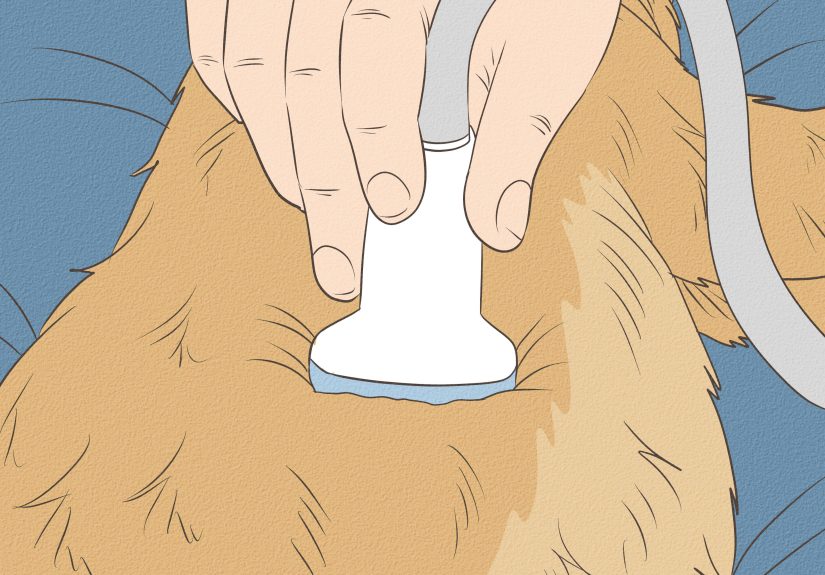
Before you change anything major, schedule a veterinary visit. A vet can confirm pregnancy, estimate timing,
check body condition, screen for parasites, and help you plan calories safelyespecially if your cat is very young,
underweight, overweight, or nursing a large litter. If she’s a rescue or outdoor cat, this step matters even more
because parasites can quietly drain nutrients right when she needs them most.
Example: If your cat is thin going into late pregnancy, your vet may recommend a higher-calorie diet
sooner and more frequent meals. If she’s overweight, the plan may focus on nutrient density without excessive
weight gain.
Step 2: Choose the right base diet (think “kitten food,” not “kitchen experiments”)
For most pregnant and nursing cats, a high-quality commercial diet formulated for growth (kitten
food) or all life stages is a practical choice. These diets are designed to be energy-dense and
nutrient-rich, with adequate protein, fat, vitamins, and minerals for reproduction and milk production.
What you’re looking for on the label: wording that indicates the food is complete and balanced for
growth, or for all life stages (which includes gestation/lactation). If the label says “for supplemental feeding
only” or looks like a boutique “toppers-only” situation, skip it for now.
Wet vs. dry? Either can work. Wet food helps hydration and is often more enticing for picky eaters.
Dry food is convenient for free-feeding (leaving food available), which many nursing cats benefit from. Some homes
do a combo: wet meals 2–4 times a day plus dry kibble available between meals.
Step 3: Transition gradually (your cat did not sign up for surprise cuisine)
If you’re switching to kitten food, do it slowly over about 7–10 days when possible:
- Days 1–3: 75% old food + 25% new food
- Days 4–6: 50/50
- Days 7–9: 25% old + 75% new
- Day 10: 100% new food
A gradual transition helps reduce stomach upsetespecially important during late pregnancy when a growing belly can
already make meals feel… crowded.
Step 4: Adjust calories through pregnancy (the “last weeks” are the big ramp-up)
Many cats don’t need a huge calorie increase early in pregnancy, but needs rise notably later as kittens grow.
Instead of fixating on a single “perfect” number, use a practical approach:
- Early pregnancy: maintain normal intake, watch weight and appetite.
- Mid to late pregnancy: increase portions gradually as appetite grows.
- Last 2–3 weeks: expect the most noticeable increase in needs.
Specific example (approximate): If your cat normally eats about 200 calories/day, late pregnancy
might look like 230–260 calories/day (or more), depending on her size, metabolism, and litter size. Your best
feedback loop is her body condition (see Step 6), appetite, and your vet’s guidance.
Also: her stomach has less “room” late in pregnancy, so smaller, more frequent meals often work better than one
giant bowl that makes her stare at you like you’ve presented a math test.
Step 5: Feed for lactation (aka: the milk bar era)
Nursing is often the most energy-demanding stage. Many queens need two to three times their usual
calories during peak lactation, especially with larger litters. Needs often climb as kittens grow and milk
production peaks around the early weeks postpartum.
Practical feeding strategies that commonly work:
- Free-choice feeding (ad lib): Keep food available so she can eat whenever she gets a break.
- Multiple meals: Offer 3–6 meals/day if free-feeding doesn’t fit your home.
- Food near the nest: Some moms won’t leave kittens for longbring the buffet to her.
One nuance: if she’s nursing only one or two kittens, unlimited feeding may be unnecessary. In some situations, too
much “milk-making fuel” can contribute to discomfort and mammary gland inflammation. If she has a small litter,
talk to your vet about the best schedule.
Step 6: Monitor body condition weekly (the scale doesn’t lie, but it can be dramatic)
Your mission is steady, healthy conditionnot rapid weight gain in pregnancy or significant weight loss during
nursing. Use a simple routine:
- Weigh mom weekly (same day/time if possible).
- Check body condition score (BCS) with your hands: you should feel ribs with light pressure, not
sharp and bony, and not buried under padding. - Watch muscle and coat: dull coat, weakness, or “hollow” look can signal she needs more intake
or a vet visit.
During lactation, mild weight loss can happen even with good feeding. What you don’t want is a steady slide into
thinness, lethargy, or poor milk supply. If kittens are constantly crying, not gaining weight, or mom seems unwell,
it’s time for veterinary help.
Step 7: Prioritize hydration (milk is mostly waterso is your job now)
Nursing cats need plenty of water. Dehydration can reduce milk production and make mom feel lousy. Make it easy:
- Offer multiple water bowls in quiet spots.
- Consider a pet water fountain if she likes moving water.
- Use wet food or add a little warm water to meals to boost fluid intake.
Avoid cow’s milk as a “hydration boost.” Many cats don’t tolerate lactose well, and it can cause digestive upset.
If you want to offer something extra, ask your vet about safe options for your specific cat.
Step 8: Skip random supplements (more calcium is not automatically “more better”)
This is a big one: if you’re feeding a complete-and-balanced diet formulated for growth or all life stages,
additional supplementation is usually unnecessaryand sometimes harmful.
- Calcium supplements: don’t add them unless your veterinarian specifically prescribes them.
- Vitamins and “human” supplements: avoid unless directed by a vet.
- Raw diets during pregnancy/nursing: many veterinary nutrition experts caution about pathogen
risks and nutrient imbalance in home-prepared or raw feeding, especially when kittens are involved.
If you’re determined to feed homemade food, work with a veterinary nutrition professional to formulate a complete
recipe for gestation/lactation. “I saw it on the internet” is not a nutrient group.
Step 9: Support weaning and transition mom back to maintenance
Kittens usually begin exploring solid food around 3–4 weeks of age. This is when you can start offering a
kitten-appropriate gruel (moistened kitten food) while mom continues nursing. As kittens eat more solids, mom’s
milk output gradually declines.
Feeding setup tips:
- Feed mom and kittens nearby so kittens learn by imitation (they love copying the boss).
- Offer shallow dishes and keep food freshtiny mouths are picky and messy.
- Once kittens are mostly weaned, gradually reduce mom’s calorie intake back toward her normal maintenance level.
After weaning is complete, transition mom from kitten/all-life-stages food back to an adult maintenance diet
(unless your vet recommends otherwise). Do it gradually, just like Step 3, because her digestive system likes
consistency almost as much as she likes judging you.
Common feeding questions (quick, practical answers)
How do I know if she’s eating enough?
Good signs: steady or improving body condition, bright behavior, normal stool, and kittens gaining weight and
looking satisfied after nursing. Worrisome signs: persistent kitten crying, poor kitten growth, mom losing weight
rapidly, vomiting, diarrhea, refusal to eat for more than a day, or signs of painful mammary glands.
Can I free-feed a nursing cat?
Often, yesespecially with larger litters. Free-feeding can help mom meet high energy demands by eating smaller
amounts more often. But if she has a tiny litter or is gaining excessive weight, you may need structured meals.
Your vet can help tailor this.
What treats are okay?
Keep treats small and simple. The majority of calories should come from a complete-and-balanced diet. If treats
become “a food group,” they can crowd out essential nutrients. Think of treats as confetti, not construction
material.
Conclusion
Feeding a pregnant or nursing cat is basically nutritional project management: choose a complete-and-balanced
growth/all-life-stages food, transition gradually, increase calories as pregnancy advances, and expect big appetite
demands during lactation. Add hydration, weekly monitoring, and a strict “no random supplements” policy, and you’re
doing the most important things that support both mom and kittens.
Real-life feeding experiences (the “what actually happens in homes” edition)
In foster homes and multi-cat households, the textbook plan usually meets three real-world obstacles: appetite
swings, food-stealing roommates, and the mother cat’s sudden decision that she only trusts dinner served at a
particular angle in a particular bowl on a particular tile (preferably the one you just cleaned). A common
experience is that a pregnant cat eats normally early on, then becomes dramatically more interested in food as the
last weeks approachsometimes acting like she’s never been fed in her life. If you’ve ever heard a cat meow at an
empty bowl that is, in fact, not empty, you understand the performance art.
After birth, many caretakers notice the biggest feeding challenge isn’t “getting her to eat,” but making it easy
for her to eat without abandoning the nest. Some moms will only take quick snack breaks, so placing food
and water close to the kittens can be a game-changer. Wet food often becomes the MVP because it’s smelly (in the
good, cat-approved way) and boosts hydration. A practical routine many people fall into is: a wet meal in the
morning, another mid-day or evening, and a bowl of kitten kibble available for grazing. When that routine works,
it looks almost magicalmom keeps her condition, kittens nurse quietly, and everyone sleeps. When it doesn’t work,
it usually shows up as mom looking thin or kittens nursing nonstop and still seeming hungry.
Another very common scenario: mom’s appetite is huge during peak nursing, and then it drops as kittens start
weaning. Caretakers sometimes panic“She’s not eating as much, is something wrong?”when it may simply reflect that
milk production is decreasing. That’s why weekly weigh-ins and body-condition checks are so useful: they keep you
from overreacting to a single slow day and help you notice real trends. If she’s maintaining condition and acting
normal, a gradual appetite shift can be part of the normal weaning arc.
Food competition is another real-life twist. In a home with other cats (or a dog who believes cat food is a
delicacy), nursing moms may need protected feeding. People often solve this with a separate room, microchip feeder,
or scheduled meals for the other pets while mom has longer access. If kittens begin nibbling mom’s food around 3–4
weeks, that’s also normaland honestly helpfulbecause it kick-starts weaning. The mess, however, is also normal.
Expect tiny paw prints in the gruel and the occasional “why is this oatmeal on the wall?” moment.
The most helpful mindset many caretakers learn is to treat feeding like a flexible system: start with a solid,
science-backed base diet, then adjust portions and frequency based on mom’s body condition and kitten growth. If
something feels offmom seems unwell, kittens aren’t gaining, or you notice painful swelling in the mammary
glandsget veterinary help quickly. But if the household is stable, mom is bright, and kittens are growing, you’re
probably doing better than you think… even if mom still yells at you like you personally invented hunger.




 Close
Close