Table of Contents >> Show >> Hide
- What to Do First When Your Dog Goes Missing
- Create a Lost Dog Action Plan
- Make a Lost Dog Flyer That Actually Works
- Contact Animal Shelters, Animal Control, and Veterinarians
- Use Online Lost Dog Tools and Social Media
- Update Your Dog’s Microchip and ID Information
- Use Scent, Food, and Familiar Items Strategically
- Search Based on Your Dog’s Personality
- Check Cameras and Local Businesses
- Watch Out for Lost Pet Scams
- When to Ask for Professional Help
- Common Mistakes to Avoid When Searching for a Lost Dog
- How to Prevent Losing Your Dog Again
- Real-World Experience: What Searching for a Lost Dog Teaches You
- Conclusion
Losing a dog is one of those moments when your brain turns into a dropped bag of kibble: thoughts everywhere, zero organization, and one urgent missionbring your best friend home. The good news is that many lost dogs are found, especially when owners act quickly, stay organized, and use both old-school neighborhood searching and modern online tools.
This guide explains how to find a lost dog step by step, from the first frantic minutes to building a search plan, making effective flyers, contacting shelters, using microchip databases, posting online, and preventing future escapes. Whether your dog slipped out the front door, bolted during fireworks, escaped from a yard, or disappeared on a walk, the right actions can increase your chances of a safe reunion.
What to Do First When Your Dog Goes Missing
The first hour matters. That does not mean you should panic-run through the neighborhood yelling your dog’s name like a movie character in the rain. In fact, if your dog is scared, chasing or loudly calling may push them farther away. Your goal is to create calm, coordinated action.
1. Search the Immediate Area Carefully
Start where your dog was last seen. Many lost dogs stay closer than people think, especially in the early stage. Check under porches, behind garages, inside sheds, near parked cars, around bushes, beneath decks, and anywhere a frightened dog could hide. Bring a leash, high-value treats, and a familiar-smelling item such as your dog’s blanket or your worn T-shirt.
Ask neighbors to check garages, fenced yards, storage areas, and outdoor buildings. A dog can slip into a space and get accidentally closed inside. Keep your voice calm. If you spot your dog, avoid charging toward them. Sit or crouch sideways, avoid direct eye contact, and let them come to you if they seem nervous.
2. Do Not Chase a Panicked Dog
This is one of the most important lost dog recovery tips: do not chase. A dog in survival mode may not act like the sweet couch potato who usually answers to “Who wants cheese?” Fear changes behavior. Even friendly dogs may run from their own families when they are overwhelmed.
If you see your dog, slow everything down. Use soft body language. Turn slightly sideways, kneel or sit, toss treats gently, and speak in a relaxed tone. Some recovery experts recommend pretending to ignore the dog while making yourself less threatening. It feels strange, but it can work better than rushing forward with big emotional energy.
Create a Lost Dog Action Plan
A good search plan saves time. Instead of doing twelve things halfway, divide tasks among family, friends, and neighbors. One person can call shelters. Another can print flyers. Someone else can post online. Another can walk the search area. This turns panic into progress.
Build a Simple Search Command Center
Use a notebook, spreadsheet, or notes app to track every sighting, call, shelter report, online post, and flyer location. Write down dates, times, addresses, and names. If someone reports a sighting, ask exactly where the dog was, which direction they were moving, whether they looked scared or calm, and whether they were alone.
A map is extremely helpful. Mark the escape point, confirmed sightings, possible travel routes, parks, wooded areas, schools, restaurants, dumpsters, water sources, and quiet hiding places. Dogs often follow paths of least resistancealleys, creek beds, sidewalks, fence lines, fields, and familiar walking routes.
Make a Lost Dog Flyer That Actually Works
Flyers are not old-fashioned. They are still one of the best ways to find a lost dog because they reach people who are not scrolling lost-pet groups at exactly the right moment. The best lost dog flyer is bold, simple, and readable from a car.
What to Include on the Flyer
Use a large, clear photo of your dog. Choose a picture that shows their face, body shape, color, and markings. Add the words “LOST DOG” in big letters. Include your dog’s name only if you are comfortable doing so, but remember that scared dogs may not respond to strangers calling them. Add the date and location last seen, your phone number, and a short description: breed or mix, size, color, collar, age, and special features.
Consider adding: “Do not chase. Please call with location.” This helps prevent well-meaning people from accidentally scaring your dog farther away. If you offer a reward, keep the wording simple: “Reward for safe return.” Avoid listing too many details that only the real finder should know. Keep one identifying feature private so you can verify legitimate claims.
Where to Post Flyers
Start within a one-to-three-mile radius, then expand based on sightings and your dog’s personality. Post flyers at intersections, community boards, veterinary clinics, pet supply stores, grooming salons, dog parks, coffee shops, grocery stores, schools, libraries, laundromats, and local businesses that allow notices.
Use bright poster board for major intersections and smaller handouts for door-to-door outreach. Put flyers in plastic sleeves if rain is possible. Replace damaged flyers quickly. Consistency matters: use the same photo, colors, and message so people recognize the alert after seeing it more than once.
Contact Animal Shelters, Animal Control, and Veterinarians
Call and visit local animal shelters, rescue groups, animal control agencies, and veterinary clinics. Do not rely only on phone descriptions. One person’s “tan terrier mix” may be another person’s “small brown fluffy thing with opinions.” Visit in person when possible and check found-dog listings daily.
File lost pet reports with shelters in your city and surrounding areas. Dogs can travel farther than expected, and kind strangers may take them to a shelter outside your immediate neighborhood. Provide a clear photo, microchip number if available, collar details, and your contact information.
Why You Should Check Shelters Repeatedly
Shelters receive animals every day, and online databases may not update instantly. A dog’s appearance can also change after being outside. They may be wet, muddy, thinner, or missing a collar. Check frequently and politely. Shelter staff and volunteers want reunions too, but they handle many animals and need accurate information.
Ask about hold periods and reclaim rules in your area. These vary by location. Bring proof of ownership, such as vet records, adoption papers, microchip registration, photos of you with your dog, or licensing documents.
Use Online Lost Dog Tools and Social Media
Online visibility can multiply your search team fast. Post your lost dog report on major lost-and-found pet databases, local Facebook groups, Nextdoor, community pages, neighborhood apps, and shelter websites. Many pet recovery platforms allow you to upload a photo, create a report, and search found pets by location.
Use Photo-Matching and Lost Pet Databases
Modern lost pet tools can compare your dog’s photo with found-pet listings and shelter images. These services are not a replacement for flyers, shelter visits, or neighborhood searching, but they are a powerful extra layer. Upload a clear photo and update your report when you receive sightings.
Also search found-pet posts manually. Use broad terms: “brown dog,” “black lab,” “small white dog,” “terrier,” “shepherd mix,” and nearby city names. People who find dogs may not know the breed. A “mini poodle” might be posted as “curly white dog,” and a “Belgian Malinois” might be described as “German shepherd-looking dog.”
How to Write a Strong Social Media Post
Your post should be short, clear, and shareable. Include the city, neighborhood, cross streets, date last seen, dog description, phone number, and a direct request: “Please do not chase. Call or text with exact location.” Ask people to share, check cameras, and look in garages or yards.
Refresh posts with updates rather than creating confusing duplicate information everywhere. If you get a confirmed sighting, update the map, notify helpers, and place flyers near that location. Sightings are clues, not guarantees, so verify calmly.
Update Your Dog’s Microchip and ID Information
A microchip is only useful if the registration information is current. Contact your dog’s microchip registry immediately and report your dog missing. Confirm your phone number, email, address, and alternate contacts. If you do not know the microchip company, ask your veterinarian, adoption agency, breeder, or shelter where your dog was chipped.
If your dog is found and scanned by a veterinarian, shelter, or rescue, the chip number can help connect them to you. But the chip is not a GPS tracker. It does not show your dog’s location. Think of it as a permanent ID card under the skin, not a tiny satellite office.
Use Scent, Food, and Familiar Items Strategically
Some lost dogs circle back toward familiar smells. Place a worn shirt, your dog’s bed, or a familiar blanket near the escape point or last confirmed sighting if it is safe and legal to do so. You can also place water nearby. Be careful with food because it may attract wildlife or other animals. In some areas, feeding stations and humane traps should be handled with guidance from local rescue professionals or experienced lost-dog recovery volunteers.
Should You Leave Food Outside?
Food can help keep a lost dog in one area, but it must be managed carefully. If there are repeated sightings in a specific location, a controlled feeding station may help establish a routine. Use strong-smelling food such as rotisserie chicken, canned dog food, or hot dogs, but avoid creating a chaotic buffet for raccoons and neighborhood cats. Monitor the area when possible and consider a trail camera if available.
Search Based on Your Dog’s Personality
Not every lost dog behaves the same way. A confident, social dog may approach people, visit porches, or follow another dog. A shy or newly adopted dog may hide quietly and avoid everyone. A young energetic dog may travel farther. A senior dog may stay closer but become trapped or tired.
Friendly Dogs
Friendly dogs may be picked up quickly by a neighbor, driver, or good Samaritan. That means you should focus heavily on shelters, vet clinics, social posts, and flyers. Someone may already have your dog safe but not know how to find you.
Fearful Dogs
Fearful dogs often run from people, including their owners. For these dogs, sightings are critical. Ask people not to call, chase, whistle, or follow. The safer goal is to let the dog settle into a predictable area, then use calm luring or professional help.
Recently Adopted Dogs
Newly adopted dogs may not yet recognize your home as home. Search near the escape point, but also alert the rescue, shelter, foster family, and previous neighborhood if nearby. Use extra caution because the dog may not respond reliably to their new name.
Check Cameras and Local Businesses
Doorbell cameras, security cameras, traffic-facing business cameras, and parking lot cameras can provide valuable clues. Ask neighbors and local businesses to check footage around the time your dog disappeared or around reported sightings. Be specific with time windows so the request feels manageable.
Look for direction of travel. A ten-second clip can tell you whether your dog crossed a street, entered an alley, followed a fence line, or moved toward a park. That information helps you place flyers and search smarter.
Watch Out for Lost Pet Scams
Sadly, lost pet posts can attract scammers. Be careful if someone claims they have your dog but refuses to provide a photo, demands money before proof, sends suspicious verification codes, or pressures you emotionally. Ask for a current photo or video with a specific request, such as showing the dog beside a handwritten note with today’s date.
Meet in a public place if possible, bring another person, and do not send payment through unusual methods. A real helper will understand that you need proof. Your heart may be sprinting, but your brain still gets a vote.
When to Ask for Professional Help
If your dog is extremely fearful, repeatedly sighted but impossible to catch, injured, lost in a dangerous area, or missing for several days, contact local rescue groups or experienced lost-dog recovery volunteers. They may help with cameras, feeding stations, humane traps, search strategy, and calming techniques.
Do not set traps without understanding local laws, safety issues, and proper monitoring. A humane trap must be checked frequently and placed safely. The goal is a safe recovery, not a backyard episode of “What Could Possibly Go Wrong?”
Common Mistakes to Avoid When Searching for a Lost Dog
Waiting Too Long to Act
Start immediately. Even if you think your dog will come back in ten minutes, begin searching, calling shelters, and notifying neighbors. Early action creates more eyes on the ground.
Using a Flyer That Is Too Busy
A flyer with tiny paragraphs, five photos, and decorative fonts may look cute on your laptop but fail on a telephone pole. Make it bold, readable, and simple.
Assuming Your Dog Will Act Normally
Lost dogs can behave differently. A dog who loves people at home may hide outdoors. A dog who knows commands may ignore them while scared. Plan for fear-based behavior.
Only Searching Online
Digital posts help, but they are not enough. Combine online alerts with physical flyers, shelter visits, neighborhood searching, and direct conversations.
Giving Up Too Soon
Dogs have been found after days, weeks, and even months. Keep updating flyers, checking shelters, refreshing online posts, and following sightings. Hope works best when paired with a checklist.
How to Prevent Losing Your Dog Again
Once your dog is home, celebrate first. Cry, laugh, feed them something safe and delicious, and take the reunion photo. Then tighten the escape-prevention plan.
- Check fences, gates, screens, and doors for weak points.
- Use a secure collar with current ID tags.
- Keep microchip registration updated.
- Use a properly fitted harness on walks.
- Be extra careful during fireworks, thunderstorms, parties, travel, and home repairs.
- Train a strong recall in safe, controlled environments.
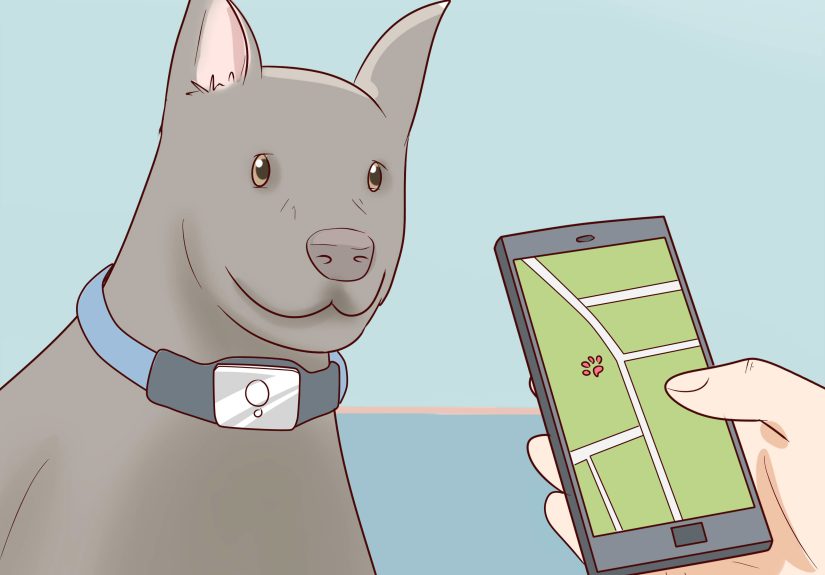
- Consider a GPS collar or tracker as a helpful backup.
Prevention does not mean blaming yourself. Dogs are fast, curious, and occasionally powered by mysterious squirrel-related software. The goal is simply to reduce risk next time.
Real-World Experience: What Searching for a Lost Dog Teaches You
Anyone who has searched for a lost dog learns quickly that the experience is emotional, practical, exhausting, and strangely community-building. One minute you are taping neon posters to poles; the next, a stranger is texting you from three blocks away saying, “I saw a dog like this near the school.” Suddenly, the neighborhood feels less like a map and more like a team.
The first lesson is that calm beats chaos. When a dog disappears, every instinct tells you to sprint, shout, and knock on every door with wild eyes. Action is good, but organized action is better. A calm searcher asks better questions: Was the dog running or walking? Which direction? Did they seem scared? Was there a collar? Did they cross the main road? These details shape the next move.
The second lesson is that flyers are more powerful than people expect. A simple, bright flyer can reach delivery drivers, joggers, mail carriers, dog walkers, school parents, shop owners, and neighbors who never check social media. In many lost dog searches, the winning clue comes from someone who saw a poster while buying coffee or waiting at a red light. That is why large, readable signs matter.
The third lesson is that dogs do not always follow human logic. You may assume your dog would head home, but they might hide under a porch because a garbage truck scared them. You may think they would come running to your voice, but fear may tell them to keep moving. This is why “do not chase” is not just a polite suggestion. It is a core recovery rule for many lost dogs, especially shy ones.
The fourth lesson is that technology helps, but people still matter. Microchips, photo-matching databases, social media groups, doorbell cameras, and GPS trackers can all be useful. But so can the retired neighbor who watches the street, the teenager walking home from school, the cashier at the pet store, and the vet tech who recognizes your flyer. The best strategy combines digital reach with real human attention.
The fifth lesson is to protect your emotions. Lost dog searches can feel like a roller coaster designed by a raccoon. One sighting gives you hope. A false lead drains you. A scam message makes you furious. A quiet day feels unbearable. During the search, eat something, drink water, sleep when you can, and let others help. You are not helping your dog by running yourself into the ground.
Finally, the experience teaches persistence. Many reunions happen because someone kept going after the first wave of panic faded. They refreshed posts, replaced wet flyers, revisited shelters, followed up on sightings, and kept the search visible. Finding a lost dog is not always one dramatic moment. Sometimes it is a hundred small actions that finally point to the right porch, park, shelter, or kind stranger’s garage.
If your dog is missing right now, take a breath. Start close. Spread the word. Use every tool available. Ask for help. Stay careful, calm, and consistent. Your dog does not need perfection from you. Your dog needs a smart search, a steady heart, and a path home.
Conclusion
Finding a lost dog requires speed, patience, and a strategy that covers both the physical world and the digital one. Search the immediate area, avoid chasing, make bold flyers, contact shelters and veterinarians, update microchip information, post online, track sightings, and ask your community for help. The process can feel overwhelming, but every call, flyer, post, and sighting improves the chances of reunion.
Most importantly, do not give up too quickly. Lost dogs can survive, hide, travel, circle back, or end up in the care of someone who simply has not seen your alert yet. Keep the search organized and visible. Your best friend may be closer than you think, possibly waiting for the world to calm downand maybe also wondering why dinner is late.