Table of Contents >> Show >> Hide
- What “Perfect Fried Chicken” Actually Means
- The Core Idea (So You Understand the “Why”)
- Tools That Make Frying Chicken Easier (and Safer)
- Ingredients for Classic Crispy Fried Chicken
- How to Fry Chicken Step-by-Step
- Step 1: Choose (and prep) your chicken like a pro
- Step 2: Season it early (buttermilk brine for the win)
- Step 3: Build a coating that’s crispy, flavorful, and clingy
- Step 4: Dredge like you mean it (then let it rest)
- Step 5: Heat the oil to the right temperature (the whole game)
- Step 6: Fry in batches (crowding is the enemy)
- Step 7: Check doneness with a thermometer (no guessing)
- Step 8: Drain correctly (so it stays crispy)
- Two Foolproof Paths: Skillet vs. Deep Fry
- Flavor Variations That Still Respect the Method
- Common Fried Chicken Problems (and How to Fix Them)
- Food Safety Basics (Quick but Important)
- Conclusion
- of “Been There” Experiences (So You Fry Smarter, Not Harder)
Fried chicken is one of America’s greatest magic tricks: somehow it’s both a comfort food and a flex.
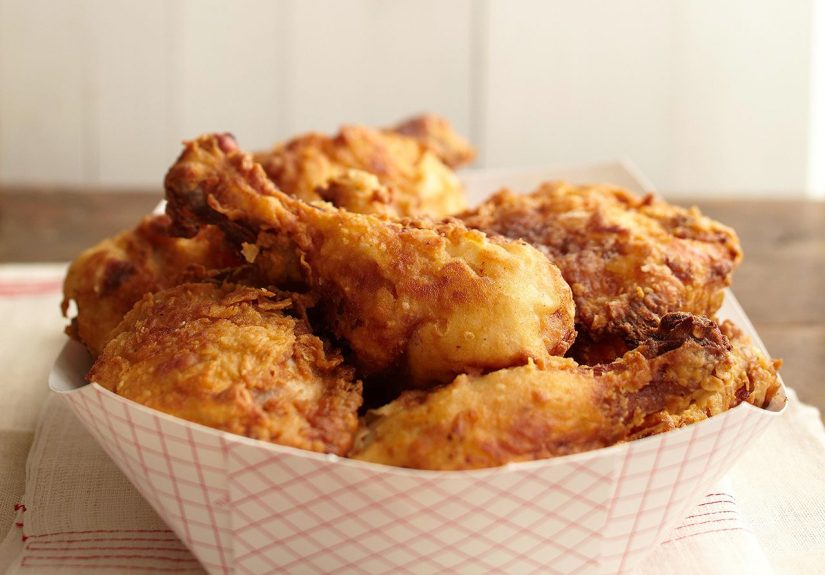
When it’s right, the crust shatters like thin glass, the meat stays juicy, and everyone within a 30-foot radius
suddenly “just happened to stop by.” When it’s wrong… let’s just say the dog gets fed unusually well.
This guide is for getting it right on purposecrispy, golden, deeply seasoned, and cooked throughwhether you’re
shallow-frying in a cast-iron skillet or going full deep-fry in a Dutch oven. We’ll keep it practical, specific,
and mildly entertaining, because hot oil is stressful enough without a boring narrator.
What “Perfect Fried Chicken” Actually Means
- Crunchy crust: crisp, craggy, and not sliding off like a winter coat.
- Juicy meat: tender inside, not dry and sad.
- Bold seasoning: flavor in the chicken, not just on the surface.
- Not greasy: oil should be a cooking tool, not a marinade.
The Core Idea (So You Understand the “Why”)
Great fried chicken is a three-part handshake between seasoning, coating,
and temperature control. If any one of those flakes, the whole thing gets weird:
bland meat, soggy breading, burnt crust, undercooked centerpick your nightmare.
Tools That Make Frying Chicken Easier (and Safer)
- Heavy pot or cast-iron skillet: steady heat is everything.
- Thermometer (oil + meat): your new best friend.
- Tongs + spider/skimmer: gentle handling keeps breading on the chicken, not in the oil.
- Wire rack + sheet pan: drains chicken without steaming it into sadness.
- Paper towels: for the plate, your hands, and the inevitable “oops.”
Ingredients for Classic Crispy Fried Chicken
This isn’t a single “only correct” recipeit’s a reliable framework. You’ll see the same building blocks across
top test kitchens and trusted cooks because they work.
- Chicken pieces: bone-in, skin-on thighs, drumsticks, wings, and halved breasts are ideal.
- Buttermilk (or yogurt thinned with milk): for tenderizing and flavor.
- Kosher salt: for seasoning the chicken properly (not optional if you like flavor).
- Flour + cornstarch: flour for structure, cornstarch for crispness.
- Baking powder (optional but helpful): encourages a lighter, craggier crust.
- Spices: paprika, black pepper, garlic powder, onion powder, cayenne, etc.
- Neutral high-heat oil: peanut, canola, vegetable, sunflower, and similar.
How to Fry Chicken Step-by-Step
Step 1: Choose (and prep) your chicken like a pro
Consistent size = consistent cooking. If you’re using breasts, consider cutting them in half so they finish around
the same time as thighs and drumsticks. Wings are fast; thighs are forgiving; drumsticks are crowd-pleasers.
Pat the chicken dry with paper towels (especially the skin). Moisture is the enemy of crispness, and it also makes
oil pop like it’s auditioning for a fireworks show.
Step 2: Season it early (buttermilk brine for the win)
If fried chicken has a secret, it’s this: season the chicken itself. A buttermilk soak works like
a flavor delivery system and helps keep the meat juicy. Think of it as a spa day for your chickenexcept the spa is
a bowl and the cucumber slices are… not involved.
Simple buttermilk soak (great default):
- 2 to 4 cups buttermilk
- 1 to 1½ tablespoons kosher salt (depending on volume)
- 1 to 2 teaspoons black pepper
- 1 to 2 teaspoons paprika
- Optional: hot sauce, a pinch of sugar, garlic powder, cayenne
Refrigerate chicken in the soak for at least 2–4 hours. Overnight is fantastic.
Try not to go beyond about a daytoo long can soften texture.
Food safety note: don’t wash raw chicken. You can’t rinse bacteria away, but you can splash it
around your sink like a tiny chaos sprinkler. Pat dry and cook properly instead.
Step 3: Build a coating that’s crispy, flavorful, and clingy
The crust should taste like something. Season your flour generously, because plain flour tastes like… flour.
Also, adding cornstarch helps crispness, and a little baking powder can make the
coating lighter and craggier.
Reliable dredge mix (for about 3–4 pounds of chicken):
- 2 cups all-purpose flour
- ½ cup cornstarch
- 1 teaspoon baking powder (optional)
- 2 teaspoons kosher salt
- 2 teaspoons black pepper
- 2 teaspoons paprika
- 1 teaspoon garlic powder
- 1 teaspoon onion powder
- ¼ to ½ teaspoon cayenne (optional, depending on your bravery)
Pro crust move: drizzle a few tablespoons of your buttermilk marinade into the flour mix and rub
it in with your fingers until you get little shaggy clumps. Those clumps become the craggy bits everyone fights
over.
Step 4: Dredge like you mean it (then let it rest)
Pull chicken from the buttermilk and let excess drip offdon’t wipe it clean. That little bit of moisture is glue.
Coat each piece in the flour mix and press it in so the coating adheres.
Now the underrated move: set the coated chicken on a wire rack for 15–30 minutes.
This “rests” the coating so it hydrates slightly and holds on better in the oil (instead of floating away in sad,
crunchy confetti).
Step 5: Heat the oil to the right temperature (the whole game)
For chicken, you’re typically aiming to fry in the 325°F to 350°F range. Because the temperature
drops when chicken goes in, you’ll often preheat a bit higher so it settles into the sweet spot.
Oil depth guidelines:
- Skillet (shallow fry): about 1 inch of oil in a cast-iron skillet.
- Deep fry: 2½ to 3 inches of oil in a Dutch oven.
Always leave plenty of headroom in the pot. Hot oil expands, bubbles, and will absolutely take the opportunity
to redecorate your stovetop if you overfill.
Step 6: Fry in batches (crowding is the enemy)
Overcrowding drops oil temperature fast, and low oil temperature is how you get greasy chicken. Fry in batches and
keep a thermometer clipped to the pot if you can.
Skillet-frying approach:
- Heat oil to about 350°F, then add chicken carefully.
- Maintain oil around 325–350°F while frying.
- Start skin-side down if the piece has skin; don’t move it until the crust sets.
- Turn occasionally to brown evenly.
Deep-frying approach:
- Heat oil to about 350–375°F, then add chicken gently.
- Let oil settle back into the 325–350°F zone during cooking.
- Turn pieces as needed for even color.
Timing (use as a rough guide, not a prophecy):
- Wings: about 10–14 minutes
- Drumsticks: about 12–18 minutes
- Thighs: about 14–20 minutes
- Breast pieces (halved): about 12–18 minutes
Exact time depends on thickness, bone, oil temp, and whether Mercury is in retrograde. Which leads us to…
Step 7: Check doneness with a thermometer (no guessing)
Chicken is safe when the thickest part hits 165°F. Insert the thermometer near the bone but not
touching it (bone can read hotter and lie to you).
For the best texture, many cooks take white meat right to 165°F and prefer dark meat a bit higher for tenderness.
But safety always comes first: hit 165°F at minimum.
Step 8: Drain correctly (so it stays crispy)
Move fried chicken to a wire rack over a sheet pan. Airflow keeps the crust crisp.
Paper towels alone can trap steam and soften your hard-earned crunch.
Season immediately with a pinch of salt while it’s hot. Then let it rest 5–10 minutes before serving.
Resting helps juices redistribute so the first bite doesn’t turn into a chicken-flavored drought.
Two Foolproof Paths: Skillet vs. Deep Fry
Skillet-Fried Chicken (classic, a little rustic, very satisfying)
Shallow-frying in cast iron gives you gorgeous browned spots and that old-school vibe. It also means the oil
temperature will swing more, so you’ll be adjusting heat like a DJ working a wedding.
- Use about 1 inch of oil and a heavy skillet.
- Fry in smaller batches to protect temperature.
- Flip carefully and avoid “tossing” chickensave the theatrics for the serving platter.
Deep-Fried Chicken (more even cooking, more oil, less drama)
A Dutch oven with a deeper oil pool holds temperature better. That means a steadier fry and usually a more uniform
crust, especially for bigger batches.
- Use 2½–3 inches of oil in a heavy pot.
- Monitor oil temperature continuously.
- Fry in batches; the pot is not a clown car.
Flavor Variations That Still Respect the Method
Cajun-Style Fried Chicken
Add Cajun seasoning to the flour mix, and optionally to the buttermilk soak. Serve with pickles and something cool
(slaw, ranch, or just a tall glass of “I regret nothing”).
Nashville Hot-Inspired Finish
Mix cayenne, paprika, brown sugar, and a pinch of salt into a few spoonfuls of hot frying oil, then brush over the
chicken. It’s spicy, it’s bold, it’s the culinary equivalent of texting your ex: thrilling but potentially painful.
Extra-Crunchy “Double Dredge”
Dredge in flour, dip back into buttermilk, then dredge againespecially good for sandwich cutlets or when you want
maximum crunch. Just keep pieces from getting so heavily coated they cook unevenly.
Common Fried Chicken Problems (and How to Fix Them)
Problem: The chicken is greasy
- Cause: oil was too cool, or the pan was crowded.
- Fix: fry in smaller batches, keep oil in the 325–350°F zone, and let oil recover between batches.
Problem: The outside is dark but the inside is undercooked
- Cause: oil too hot, or pieces too large/thick.
- Fix: lower heat, use a heavier pot, and consider halving breasts or starting thicker pieces slightly earlier.
Problem: The breading falls off
- Cause: coating didn’t rest, chicken was too wet, or you flipped too aggressively too soon.
- Fix: press flour firmly, rest coated chicken 15–30 minutes, and wait for the crust to set before turning.
Problem: It’s crispy at first, then goes soft
- Cause: draining on flat paper towels or covering chicken (steam = sog city).
- Fix: drain on a wire rack; hold in a low oven (around 200°F) uncovered.
Food Safety Basics (Quick but Important)
- Chicken is safe at 165°F internal temperature.
- Keep raw chicken and its juices away from ready-to-eat foods.
- Wash hands thoroughly after handling raw poultry.
- Skip rinsing raw chickenproper cooking is what makes it safe.
Conclusion
If you remember just three things, make them these: season ahead (buttermilk soak is your friend), build a coating
that actually sticks, and babysit your oil temperature like it owes you money. Do that, and you’ll get fried
chicken that’s crackly on the outside, juicy inside, and suspiciously effective at making people show up “right
around dinnertime.”
of “Been There” Experiences (So You Fry Smarter, Not Harder)
Frying chicken at home tends to come with a predictable set of “learning moments.” Not because you’re doomed,
but because hot oil has a personalitydramatic, fast, and completely uninterested in your confidence.
Here are the real-world experiences many home cooks run into, plus the practical takeaways that turn panic into
competence.
First: the oil temperature fake-out. You heat oil, it hits 350°F, you feel powerful… and the second
the chicken goes in, the thermometer drops like it saw a ghost. This is normal. Chicken is cold, oil is hot, and
physics is undefeated. The fix is not “crank it to high and pray.” The fix is preheating slightly above your target
and adjusting heat in small moves. Once you learn to hover around 325–350°F, you’ll notice two miracles:
the crust sets faster, and the chicken tastes less like it fell into a fryer at a state fair.
Second: the “why is my coating floating away?” moment. This usually happens when you dredge and
fry immediately, or when you flip too soon. Resting the coated chicken on a rack feels like an extra step until you
watch your crust stay intact. Think of it like letting paint dry before touching it. Yes, it’s boring. Yes, it works.
Third: the first batch is often your “calibration batch.” Not because you’re bad at cooking, but
because every stove runs a little different, every pan holds heat differently, and oil depth changes recovery time.
The smartest thing you can do is treat batch one like data collection: check oil temp before and after adding
chicken, note how fast it browns, and temp the meat. By batch two you’ll cook with the calm of someone who’s seen
the movie already.
Fourth: the crispness cliff. Chicken can come out crunchy, then soften while you finish the rest.
The villain here is steam. If you stack pieces or cover them, you basically build a tiny sauna around your crust.
Use a wire rack, and if you’re cooking for a crowd, keep finished pieces warm in a low oven on that same rack.
(Do not put them in a bowl. A bowl is a moisture trap with good intentions.)
Fifth: the thermometer glow-up. Many people start frying chicken with vibes and optimism:
“It looks done!” Then they discover that “looks done” and “is 165°F” are not always best friends. Once you start
temping chicken, you’ll feel your stress drop immediatelybecause you’re no longer guessing. You’re measuring.
And measuring is how you get consistent results instead of a weekly suspense thriller.
Finally: accept that clean-up is part of the price of admission. Put a sheet pan under your rack,
wipe splatters while the oil cools, and keep a small “frying zone” so your kitchen doesn’t look like a crime scene.
The good news is the reward is immediate: crispy, golden fried chicken that tastes like you knew what you were
doing the whole time. (We won’t tell anyone about Batch One.)