
Table of Contents >> Show >> Hide
- Start Here: Make Sure Weight Gain Is Actually the Right Goal
- The Best Weight-Gain Rule: Add Quality Calories, Not Chaos
- Eat More Often, Not Just More at Dinner
- Build Meals That Actually Help You Gain
- Lift Weights If You Want Better Weight Gain
- Don’t Forget the “Women-Specific” Part
- Common Mistakes That Slow Everything Down
- A Simple Healthy Weight-Gain Day
- Conclusion: Gain Weight Like You Respect Your Body
- The Real-Life Experience of Healthy Weight Gain for Women
The internet is overflowing with advice on how women can lose weight. Gain weight, though? Suddenly the guidance gets weird fast. One person says, “Just eat junk food.” Another says, “Drink melted ice cream.” Somewhere in the background, your blender starts filing for emotional support.
Here’s the truth: healthy weight gain is not about eating random calories and hoping for the best. It’s about giving your body more energy, more nutrients, and more support so you can build strength, improve energy, recover from illness or stress, and feel better in your own skin. There is nothing wrong with being naturally slim. But if you are underweight, recovering from a demanding season of life, training hard, struggling with appetite, or simply trying to gain weight for health reasons, a smarter plan works better than a “just eat more fries” strategy.
This guide breaks down how women can gain weight in a realistic, nutritious, and sustainable way, with practical food ideas, workout advice, common mistakes to avoid, and real-life experiences that make the process feel a lot less mysterious.
Start Here: Make Sure Weight Gain Is Actually the Right Goal
Before trying to gain weight, ask one simple question: am I doing this for health, function, and recovery, or because of pressure from social media, comments, or appearance standards? Those are not the same thing.
Healthy weight gain may make sense if you:
- Have been told by a clinician that you are underweight
- Keep losing weight without trying
- Feel tired, weak, cold, or easily run down
- Have poor appetite and struggle to eat enough
- Are recovering from illness, stress, or intense athletic training
- Want to build muscle and strength rather than simply “look bigger”
If you are missing periods, have major digestive symptoms, have food fears, or feel anxious about eating, talk with a doctor or registered dietitian before starting a weight-gain plan. Sometimes the issue is not willpower or “fast metabolism.” It may be stress, a medical condition, under-fueling, or a relationship with food that needs support.
When to See a Doctor First
Do not play detective with your health if you have unexplained weight loss, ongoing nausea, diarrhea, abdominal pain, fatigue, dizziness, or signs of an eating disorder. Get evaluated. Healthy weight gain works best when you know why weight is low in the first place.
The Best Weight-Gain Rule: Add Quality Calories, Not Chaos
To gain weight, your body needs more energy than it uses. But the quality of those calories matters. Living on soda and pastries can increase weight, sure, but it often leaves you feeling worse, not better. If your goal is to feel stronger, look healthier, and support long-term wellness, choose foods that bring calories and nutrients to the table.
The sweet spot is this: build meals around foods that provide a mix of protein, carbohydrates, and healthy fats.
- Protein helps support muscle repair and growth. Think eggs, Greek yogurt, cottage cheese, chicken, turkey, fish, tofu, tempeh, beans, lentils, milk, soy milk, cheese, or protein-fortified foods.
- Carbohydrates give your body energy and make it easier to eat enough overall. Good options include oats, rice, potatoes, pasta, bread, tortillas, granola, fruit, beans, and whole grains.
- Healthy fats are a weight-gain cheat code in the best possible way. They pack a lot of energy into smaller portions. Think avocado, nuts, seeds, nut butters, olive oil, tahini, pesto, and full-fat dairy if it works for you.
If your appetite is low, healthy fats and liquid calories can be especially helpful because they let you eat more without feeling like you need to tackle a mountain of food at every meal.
Eat More Often, Not Just More at Dinner
A lot of women trying to gain weight make the same mistake: they barely eat all day, then try to “catch up” at dinner. That usually ends with feeling stuffed, uncomfortable, and somehow still short on calories.
A better plan is to spread your intake across the day.
A Smarter Daily Structure
- 3 meals
- 2 to 3 snacks
- 1 smoothie or shake if needed
This approach is especially useful if you get full quickly, work long hours, forget to eat when busy, or simply do not feel hungry enough for giant meals.
Easy Ways to Increase Calories Without Making Meals Ridiculous
- Add nut butter to toast, oatmeal, smoothies, apples, or bananas
- Cook with olive oil or drizzle it onto grains and vegetables
- Top yogurt with granola, honey, chia seeds, and walnuts
- Add avocado to sandwiches, rice bowls, eggs, and wraps
- Choose milk or soy milk instead of low-calorie drinks with meals or snacks
- Mix extra cheese into eggs, pasta, potatoes, soups, or casseroles
- Keep trail mix, hummus, crackers, dried fruit, and roasted nuts nearby
That is how healthy weight gain often works in real life: not with one dramatic meal, but with lots of small calorie upgrades that add up over time.
Build Meals That Actually Help You Gain
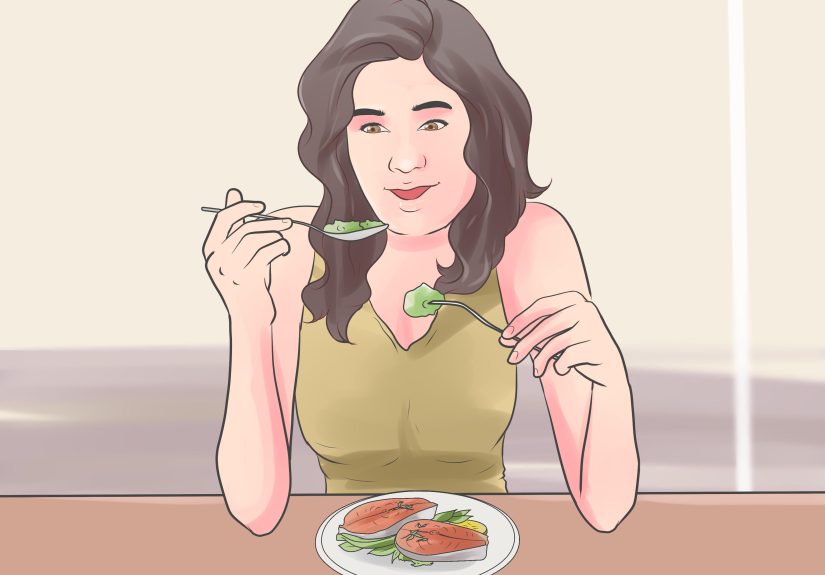
The easiest way to build a weight-gain meal is to stop thinking in terms of “healthy vs. unhealthy” and start thinking in terms of “complete and satisfying.” A good meal should leave you nourished, not like you accidentally had rabbit food for lunch again.
Use This Formula
Protein + carb + fat + color
That last part, color, means fruits or vegetables. You still need vitamins, minerals, and fiber while gaining weight. This is not a leave-your-vegetables-behind mission.
Meal Ideas
- Breakfast: Oatmeal made with milk, topped with banana, peanut butter, chopped nuts, and cinnamon
- Breakfast: Toast with avocado and eggs, plus fruit and yogurt
- Lunch: Rice bowl with salmon or tofu, edamame, avocado, vegetables, and sesame sauce
- Lunch: Turkey sandwich on whole-grain bread with cheese, olive-oil mayo, fruit, and a latte or milk
- Dinner: Pasta with meat sauce or lentil bolognese, side salad, garlic bread
- Dinner: Baked potato with chili, cheese, Greek yogurt, and a side of roasted vegetables
Snack Ideas That Pull Their Weight
- Greek yogurt with granola and berries
- Trail mix with nuts, seeds, and dried fruit
- Apple and peanut butter
- Cheese and crackers with grapes
- Hummus with pita and carrots
- Cottage cheese with fruit and walnuts
- Peanut butter toast with banana
Smoothies: The MVP for Low Appetite
If eating feels like a chore, smoothies can help a lot. A good weight-gain smoothie is basically “drinkable convenience with benefits.”
Try blending:
- Milk or fortified soy milk
- Greek yogurt or silken tofu
- Banana
- Peanut or almond butter
- Oats
- Frozen berries or mango
- A little cocoa, cinnamon, or honey for flavor
That combination gives you carbs, protein, fat, and micronutrients without asking your appetite to do Olympic-level work.
Lift Weights If You Want Better Weight Gain
If you want to gain weight in a way that improves strength, shape, confidence, and function, resistance training matters. A lot.
Without it, extra calories are more likely to become mostly body fat. With it, your body gets a signal to use more of that energy for muscle growth and recovery.
What to Do
- Strength train 2 to 4 times per week
- Focus on big movements like squats, deadlifts, rows, presses, lunges, and hip hinges
- Progress gradually by adding weight, reps, or sets over time
- Eat consistently enough to support recovery
You do not need to become a bodybuilder. You do not need to train six days a week while whispering aggressively at dumbbells. You just need a consistent muscle-building routine.
Walking, gentle cardio, yoga, and mobility work are still useful, but if you are doing large amounts of intense cardio while trying to gain weight, you may be making the process harder than it needs to be.
Don’t Forget the “Women-Specific” Part
Women often have extra factors that can affect appetite, recovery, and body composition. Hormonal shifts, menstrual cycles, stress, iron status, sleep quality, and pregnancy plans can all influence how you feel and how your body responds.
If You’re Very Active
Women who run a lot, do high-intensity classes, dance, or train for sports sometimes underestimate how much food they need. In those cases, the issue is not “Why can’t I gain weight?” but “Why am I trying to build on an empty gas tank?”
Try adding:
- A pre-workout snack
- A post-workout meal or smoothie
- An evening snack you can repeat consistently
If You’re Vegetarian or Vegan
You can absolutely gain weight well on a plant-forward diet. Just make sure meals are not accidentally too low in calories. Lean heavily on tofu, tempeh, soy milk, beans, lentils, nuts, seeds, olive oil, tahini, avocado, whole grains, dried fruit, and calorie-dense smoothies.
If You’re Pregnant or Trying to Conceive
Pregnancy is its own category. Do not follow generic internet weight-gain advice. Get personalized guidance from your OB-GYN, midwife, or dietitian, because healthy pregnancy weight gain depends on your starting point and your overall health.
Common Mistakes That Slow Everything Down
1. Relying on junk food
It may increase calories, but it does not do much for energy, muscle, recovery, or long-term health.
2. Skipping protein
Carbs and fats matter, but protein helps support the kind of weight gain most women actually want: stronger, healthier, more functional weight.
3. Waiting to feel hungry
If you naturally have a low appetite, hunger may not show up on schedule. Structure helps more than intuition here.
4. Doing too much cardio
Cardio is healthy, but excessive amounts can make a calorie deficit linger in disguise.
5. Expecting overnight results
Healthy weight gain is usually gradual. That is normal. Fast changes are not always better changes.
6. Ignoring symptoms
If you feel unwell, get checked out. “I just have a fast metabolism” is not the answer to every nutrition problem.
A Simple Healthy Weight-Gain Day
Here is what a practical day could look like:
- Breakfast: Oatmeal with milk, peanut butter, sliced banana, walnuts
- Snack: Greek yogurt with granola
- Lunch: Chicken or tofu rice bowl with avocado and olive-oil dressing
- Snack: Trail mix and fruit
- Post-workout: Smoothie with milk or soy milk, yogurt, oats, banana, and nut butter
- Dinner: Pasta with salmon, chicken, or lentils, vegetables, and garlic bread
- Evening snack: Toast with almond butter or cottage cheese with fruit
Notice what is missing? No extreme “mass-gainer” routine. No bizarre food challenge. No 11 p.m. panic-eating. Just consistent, balanced eating that quietly gets the job done.
Conclusion: Gain Weight Like You Respect Your Body
If you want to gain weight as a woman, the healthiest approach is also the least flashy: eat consistently, choose calorie-dense nutritious foods, include protein at meals and snacks, use smoothies when appetite is low, and strength train so your body has a reason to build muscle. The goal is not to force your body into a trend. The goal is to support it.
And one more thing: your body is not failing because it does not respond to random internet advice. Often, it just needs a better plan, more patience, and a little more fuel than you think. Preferably not all in the form of emergency cookies. Delicious? Yes. Full strategy? Absolutely not.
The Real-Life Experience of Healthy Weight Gain for Women
One of the most surprising things women say about trying to gain weight is that it can feel oddly lonely. Weight-loss advice is everywhere, but weight-gain advice is often reduced to jokes. People assume it must be easy, glamorous, or even lucky. In reality, many women who need to gain weight feel frustrated by low appetite, fast fullness, busy schedules, digestive issues, anxiety around food, or the fact that their bodies do not change quickly. It is hard to feel “behind” in a world that acts like eating more should solve everything in three days.
Another common experience is realizing that the problem was not a lack of effort, but a lack of structure. Plenty of women think they eat “all the time,” then notice that their days are actually built on coffee, a rushed lunch, a snack that barely counts, and a normal dinner. Once meals become more intentional, progress often feels less dramatic but more dependable. A morning breakfast that actually contains protein and fat, a planned afternoon snack, and a bedtime bite can make a bigger difference than one giant cheat meal ever could.
Many women also discover that strength training changes the emotional side of weight gain. When the only goal is to watch the scale go up, the process can feel stressful and disconnected. But when the focus shifts to getting stronger, recovering better, or feeling more energized, weight gain often becomes less scary and more meaningful. A woman who can now carry groceries more easily, finish a workout without feeling wiped out, or stop feeling freezing cold all the time is experiencing progress that matters beyond numbers.
There is also the appetite issue, which deserves more sympathy than it usually gets. Some women are not avoiding food; they simply do not feel hungry often enough to support weight gain. Others get full quickly or feel uncomfortable eating large meals. That is why liquid calories, frequent snacks, and calorie-dense ingredients are so helpful in real life. The experience becomes much easier when the goal is not “eat a ton,” but “eat smart and often.” A smoothie in the afternoon can feel manageable when another plate of food does not.
Emotionally, healthy weight gain can bring up mixed feelings. A woman may want more strength and better health, but still feel uneasy seeing her body change. That does not mean she is doing anything wrong. It means body image is complicated. For many women, the healthiest mindset is to anchor the process in function: better concentration, steadier mood, improved gym performance, fewer energy crashes, better recovery, and a more secure relationship with food. That kind of progress is easier to trust than appearance-based pressure.
Finally, one of the most honest experiences women report is that healthy weight gain usually works best when it stops being a dramatic project and becomes a routine. The women who make steady progress are often not the ones chasing the loudest hack. They are the ones repeating a few unsexy habits: eating breakfast, packing snacks, adding olive oil and nut butter where it makes sense, drinking a smoothie when appetite is low, lifting weights consistently, and checking in with a professional when something feels off. In other words, successful weight gain often looks less like a grand transformation montage and more like ordinary consistency done well.






 Close
Close