Table of Contents >> Show >> Hide
- What a COVID-19 Headache Can Feel Like
- Why COVID-19 Can Trigger Head Pain
- How to Get Relief From a COVID-19 Headache at Home
- 1. Hydrate like it is your part-time job
- 2. Use over-the-counter pain relief carefully
- 3. Rest in a cool, dark, quiet room
- 4. Try a cold compress
- 5. Eat something gentle, even if you are not thrilled about it
- 6. Be strategic with caffeine
- 7. Reduce sinus pressure if you are congested
- 8. Use stress-relief tools when the headache is hanging on
- What Not to Do
- When to Call a Doctor About a COVID-19 Headache
- Emergency Signs: Do Not Treat These at Home
- What About a Headache That Sticks Around After COVID?
- A Practical Recovery Plan for the First Few Days
- Common Experiences People Have With COVID-19 Headaches
- SEO Tags
A COVID-19 headache can be surprisingly rude. Sometimes it arrives with fever, fatigue, congestion, or body aches. Other times it barges in alone like an uninvited drummer practicing in your skull. Either way, it can make even simple tasks feel dramatic. The good news is that many COVID-related headaches improve with the same practical, low-tech strategies that help other viral headaches: fluids, rest, smart pain relief, and a little patience.
That said, not every headache during COVID-19 should be brushed off as “just part of being sick.” Some headaches are tied to dehydration, sinus pressure, poor sleep, or fever. Others can linger after the infection and become part of long COVID. And a small number are warning signs that you need urgent medical care. Knowing the difference is where the real relief begins.
What a COVID-19 Headache Can Feel Like
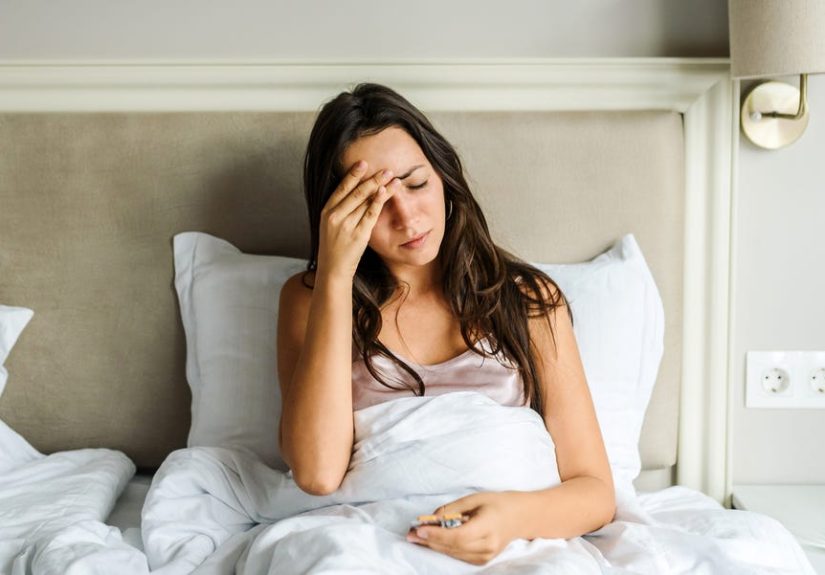
There is no single “official” COVID headache sensation, but many people describe it as a pressure-like or throbbing pain that feels stronger than a routine stress headache. It may show up across the forehead, behind the eyes, around the temples, or as a heavy band wrapping around the head. If you already get migraines, COVID-19 may make those headaches more frequent, more intense, or more stubborn than usual.
Headache can also show up with other classic COVID symptoms such as cough, sore throat, congestion, fever, chills, body aches, nausea, fatigue, and a change in taste or smell. In some cases, the headache is linked to the infection itself. In others, it is fueled by the side effects of being sick: not drinking enough, skipping meals, sleeping badly, staring at screens, or spending a day breathing through a stuffed-up nose like a malfunctioning accordion.
Why COVID-19 Can Trigger Head Pain
When your body is fighting a viral infection, inflammation ramps up. That immune response can contribute to headache. Fever can make it worse. So can dehydration, especially if you have been sweating, not eating much, or dealing with vomiting or diarrhea. Nasal congestion and sinus pressure may add a second layer of discomfort, making your face and forehead feel tender or tight.
There is also the “being sick is exhausting” factor. People with COVID-19 often sleep poorly, feel stressed, and spend more time resting in bed during the day and scrolling at odd hours at night. Your brain, unfortunately, notices all of this. A headache can end up being less about one single cause and more like a messy group project where inflammation, fatigue, stress, and congestion all contributed and nobody did their fair share.
How to Get Relief From a COVID-19 Headache at Home
1. Hydrate like it is your part-time job
One of the easiest ways to make a viral headache worse is to get dehydrated. Sip water regularly throughout the day instead of trying to make up for it all at once. Warm tea, broth, electrolyte drinks, and ice chips can also help if plain water feels unappealing. If congestion is part of the problem, fluids may help keep mucus thinner and easier to drain.
Look for small signs that hydration is improving: your mouth feels less dry, your urine is lighter, and you no longer feel like a raisin with Wi-Fi. If drinking is difficult because of nausea, try small sips every few minutes rather than a full glass at once.
2. Use over-the-counter pain relief carefully
For many adults, acetaminophen or an NSAID such as ibuprofen can help take the edge off a COVID-19 headache. The key word is carefully. Read the label, follow the dosing directions, and do not double up on products without realizing it. Acetaminophen is hidden in more combination cold and flu medicines than most people suspect. Ibuprofen and other NSAIDs can irritate the stomach and may not be a good choice for people with a history of ulcers, kidney disease, certain bleeding risks, or some heart-related concerns.
If you are pregnant, have liver disease, kidney disease, stomach bleeding issues, take blood thinners, or are unsure which option fits your health history, ask a pharmacist or clinician before treating yourself like your own urgent care center. Also avoid using pain relievers too often or for too many days in a row without checking in, because medication overuse can lead to rebound headaches.
3. Rest in a cool, dark, quiet room
This advice sounds annoyingly simple because it is simple. It is also effective. A dark room can help if light is making the headache worse. Quiet can help if your brain feels overstimulated. Rest supports recovery in general, not just the headache. You do not have to be a hero and answer emails while your forehead is staging a protest.
If sleep is hard, aim for low-stimulation rest: close your eyes, turn down the brightness, put the phone face down, and give your nervous system a break. Even 20 to 30 minutes of true rest can take the intensity down a notch.
4. Try a cold compress
A cool washcloth or cold pack across the forehead, eyes, or temples can be surprisingly soothing. It is low drama, low cost, and low risk. Wrap ice packs in a cloth rather than placing them directly on the skin, and take breaks so you do not irritate your face. Some people prefer a warm compress if the headache feels more tied to sinus congestion, but for straight-up head pain, cool tends to be the fan favorite.
5. Eat something gentle, even if you are not thrilled about it
Skipping meals can make headaches worse. If your appetite has vanished into the fog, try small, bland options: toast, crackers, oatmeal, soup, yogurt, bananas, rice, or applesauce. Warm liquids can be comforting when you feel run down. The goal is not culinary excellence. The goal is to keep your body fueled enough that your headache is not getting extra support from low blood sugar.
6. Be strategic with caffeine
A small amount of caffeine helps some people, especially if they normally drink coffee or tea and are now going without it while sick. But too much caffeine can backfire by worsening jitters, disrupting sleep, or adding to dehydration. Think “gentle nudge,” not “espresso-fueled comeback tour.” If you are sensitive to caffeine or it tends to trigger migraines for you, skip it.
7. Reduce sinus pressure if you are congested
When COVID-19 comes with a stuffy nose, some of the head pain may actually be pressure building in the sinuses. Saline nasal spray, a humidifier, a steamy shower, or inhaling warm steam safely can help loosen mucus and reduce that boxed-in feeling. Sleeping with your head slightly elevated may also help if congestion gets worse when you lie flat.
If you use nasal irrigation, use sterile, distilled, or previously boiled and cooled water exactly as directed. And if you add a humidifier to the room, keep it clean. A helpful appliance should not evolve into a science experiment.
8. Use stress-relief tools when the headache is hanging on
Headaches and stress love teaming up. Gentle breathing exercises, progressive muscle relaxation, short guided meditations, or simply lying still and unclenching your jaw can help calm the body’s stress response. These techniques will not “cure” the infection, but they can make the pain feel more manageable, especially if anxiety is adding fuel to the fire.
What Not to Do
Do not take more medication than the label allows just because the headache is annoying. Annoying symptoms do not become safer because they are dramatic. Do not mix multiple cold, flu, and pain products without checking ingredients first. Do not ignore worsening dehydration. And do not try to power through with too much alcohol, too much caffeine, or too little sleep. Those are not home remedies. Those are plot twists.
When to Call a Doctor About a COVID-19 Headache
Reach out to a healthcare professional if your headache is severe, keeps getting worse, lasts longer than expected, or is not responding to reasonable home treatment. You should also check in sooner if you have a history of migraines or another headache disorder and this pain feels different from your normal pattern.
It is also smart to contact a clinician early if you have COVID-19 and you are at higher risk for severe illness because of older age, immune compromise, or certain chronic health conditions. Prescription antiviral treatment works best when started early, generally within the first several days after symptoms begin. In other words, this is not the time for a “let’s see how I feel next week” strategy if you are high risk.
Emergency Signs: Do Not Treat These at Home
Get urgent medical help if the headache is sudden and extreme, feels like the worst headache of your life, or comes with trouble breathing, chest pain, confusion, fainting, seizures, weakness, numbness, trouble speaking, a stiff neck, rash, or trouble staying awake. Also get help if you cannot keep fluids down, you are becoming dehydrated, or your oxygen level is concerning if you monitor it at home.
A COVID-19 headache should never be your excuse to ignore stroke-like symptoms or serious breathing problems. When in doubt, err on the side of caution and get evaluated.
What About a Headache That Sticks Around After COVID?
Some people recover from the acute infection and then find that the headache keeps showing up for weeks or months. At that point, it may be part of post-COVID conditions, often called long COVID. A lingering headache can occur alongside fatigue, brain fog, dizziness, sleep trouble, or light sensitivity. This does not mean something catastrophic is definitely happening, but it does mean you should stop trying to “tough it out” forever and start getting a plan.
If your headache is still hanging around after the rest of the illness has eased up, keep track of the pattern. Write down when it happens, how long it lasts, what it feels like, what seems to trigger it, and what helps. That information can be useful for a primary care doctor, neurologist, or long-COVID clinic. Sometimes the headache behaves more like a migraine after the infection. Other times it resembles a tension headache or a daily persistent headache. The details matter.
A Practical Recovery Plan for the First Few Days
If you are in the middle of COVID-19 right now, keep the plan simple:
- Drink fluids regularly.
- Rest in a dark, quiet room when the pain spikes.
- Use acetaminophen or ibuprofen only as directed and only if appropriate for you.
- Eat small meals or snacks, even if your appetite is weak.
- Use a cold compress for pain and saline or steam for congestion.
- Watch for red flags or signs the headache is becoming unusual.
- Contact a clinician early if you are at higher risk for severe COVID-19 and may qualify for antiviral treatment.
None of these steps are glamorous, but they are often effective. Recovery is rarely about one magic trick. It is usually about doing several small, boring, sensible things before your headache has a chance to become the main character.
Common Experiences People Have With COVID-19 Headaches
Many people say a COVID-19 headache feels different from their usual headache patterns. Someone who normally gets occasional stress headaches may suddenly notice a deeper, more all-over pressure that sticks around most of the day. Another person may feel pain behind the eyes, especially when fever and fatigue are also present. People with a history of migraine often report that COVID seems to amplify everything: more sensitivity to light, more nausea, and less patience for noise, screens, and basic human conversation.
One common experience is that the headache gets worse when people stop drinking enough fluids. This happens a lot during the first couple of sick days, when appetite is low and even standing up to refill a glass feels like a major expedition. Then, after a steady stretch of water, broth, tea, and rest, the pain eases enough to feel manageable. It is not glamorous progress, but it is real progress.
Another frequent pattern is the “congestion headache combo.” People with a stuffy nose often describe a heavy, full feeling in the forehead, cheeks, or around the eyes. The headache is not always from the infection alone; it may also be from swollen nasal passages and trapped pressure. In those cases, humidified air, saline spray, warm showers, and sleeping slightly elevated can make a noticeable difference. Not a miracle, but enough to go from “my face hates me” to “this is unpleasant but survivable.”
Some people improve during the day and feel worse again at night. That can happen because fatigue builds, medication wears off, dehydration catches up, or you finally stop moving long enough to notice how bad your head feels. Others feel worse in the morning, especially if they slept poorly, breathed through their mouth overnight, or woke up congested and dry. These patterns are useful to notice because they can help you time fluids, rest, meals, and medication more effectively.
Then there are the people whose headache lingers after the rest of the infection settles down. They may test negative, have their energy slowly return, and still deal with a nagging head pain that shows up several times a week. This can be frustrating and a little scary, especially when friends expect you to be “better already.” In real life, recovery is not always neat. Some post-COVID headaches gradually fade with time, sleep improvement, hydration, trigger management, and medical follow-up. Others need a more structured plan from a clinician.
The big takeaway from these experiences is that COVID-19 headaches are common, varied, and real. They are not a sign that you are weak, dramatic, or doing illness incorrectly. They are a symptom that deserves practical care, attention to warning signs, and backup from a professional when they become severe, unusual, or persistent.