Table of Contents >> Show >> Hide
- What Causes That Annoying Dirt Line After Sweeping?
- The Simple Sweeping Hack That Gets Rid of Dirt Lines
- Another Version: Dampen the Dustpan First
- Why the Damp Paper Towel Hack Works So Well
- Best Tools for Cleaner Sweeping
- How to Sweep Without Leaving Dirt Lines
- Floor-Specific Tips: Wood, Tile, Vinyl, and Laminate
- Common Sweeping Mistakes That Make Dirt Lines Worse
- When to Use a Vacuum Instead
- Eco-Friendly Alternatives to Paper Towels
- How Often Should You Sweep?
- Quick Step-by-Step Routine for a Cleaner Floor
- Real-Life Experience: What This Sweeping Hack Actually Feels Like
- Conclusion
There are few household betrayals more personal than the dirt line. You sweep. You aim. You coax every crumb, dust bunny, coffee ground, and mysterious floor speck toward the dustpan like a tiny parade of shame. Then, just when victory is near, the dustpan leaves behind that skinny gray line on the floor. You sweep again. The line moves. You sweep harder. The line laughs.
Good news: you do not need a new personality, a professional cleaning crew, or a dustpan blessed by a wizard. To get rid of dirt lines, all you need is one simple sweeping hack: use a lightly damp paper towel, rag, or dampened dustpan edge to trap the last strip of dust instead of chasing it across the floor.
This small trick works because fine dust, hair, crumbs, and grit often slide under or cling to the lip of a dustpan. A little moisture gives those particles something to stick to, so they stop escaping like tiny fugitives. Below, you will learn exactly how to use the hack, why it works, what mistakes to avoid, and how to make your floors look cleaner with less sweeping drama.
What Causes That Annoying Dirt Line After Sweeping?
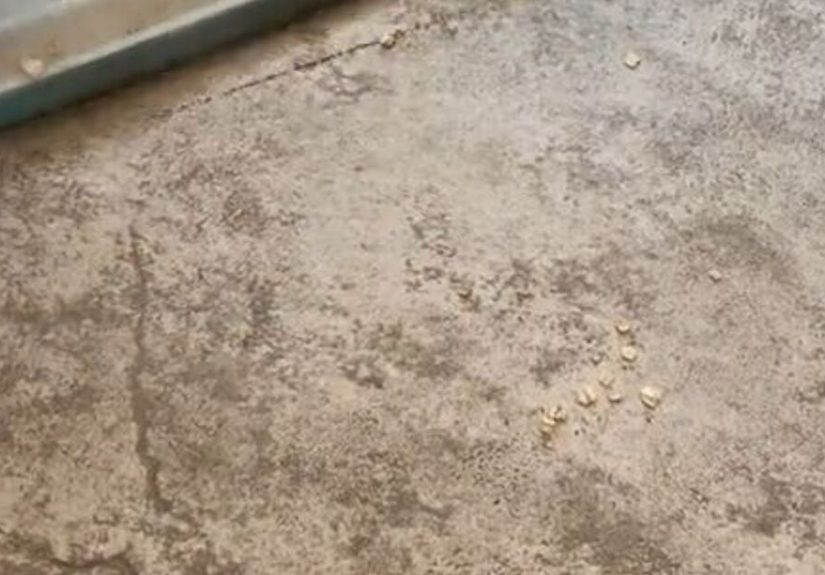
The famous “dustpan line” happens when the front edge of the dustpan does not sit perfectly flush against the floor. Even a small gap lets fine debris gather at the lip instead of sliding up into the pan. The problem gets worse with lightweight dust, pet hair, flour, sand, soil, and dry crumbs because they do not have enough weight to move cleanly into the pan.
Your broom can also be part of the problem. If the bristles are bent, dirty, clogged with hair, or too stiff for indoor floors, they may push debris forward instead of lifting it. A cheap dustpan with a warped plastic edge can also leave a bigger line, especially on textured tile, uneven hardwood, laminate seams, or vinyl flooring.
Humidity matters, too. In very dry air, dust becomes lighter and more likely to scatter. Static can make hair and lint cling to the floor, broom, or dustpan. That is why the same broom may work fine one week and act like it has joined the crumbs’ legal defense team the next.
The Simple Sweeping Hack That Gets Rid of Dirt Lines
The easiest way to get rid of dirt lines is to use a damp paper towel at the final stage of sweeping. You do not need to soak it. In fact, please do not. This is not a baptism for your floor. The towel should be slightly damp, just enough to grab dust without leaving puddles, streaks, or water marks.
Here is how to do it:
- Sweep loose dirt, crumbs, hair, and dust into a small pile.
- Use your broom and dustpan to collect most of the debris.
- When the thin dirt line remains, lightly dampen one edge of a paper towel, cloth, or microfiber rag.
- Place the damp edge directly over the dirt line or wipe it gently across the line.
- Fold the towel inward so the dust is trapped inside.
- Toss the paper towel or rinse the reusable cloth.
That is it. No advanced choreography. No repeated sweeping until your wrist files a complaint. The moisture grabs the fine particles that the broom and dustpan keep missing.
Another Version: Dampen the Dustpan First
If you prefer not to bend down for the final wipe, try dampening the inside edge of the dustpan before you sweep. Run a cloth under water, wring it well, and wipe the dustpan lip and inner surface. Then sweep as usual. The damp surface helps hold dry dust and flyaway particles once they enter the pan.
This works especially well for lightweight messes such as potting soil, fireplace ash, flour, sawdust, dry cereal crumbs, and pet hair. It also helps when you are sweeping a kitchen after cooking, a mudroom after a shoe parade, or the area around a litter box where tiny granules seem to multiply like they are on a group vacation.
One small warning: if the dustpan is too wet, dirt can turn into muddy paste. Use “barely damp,” not “rainstorm.” After dumping the debris, wipe the dustpan clean so it does not become a portable dirt museum.
Why the Damp Paper Towel Hack Works So Well
Dry sweeping relies on friction, angle, and pressure. That is fine for large crumbs, leaves, or visible debris. But fine dust behaves differently. It can float, cling, scatter, or tuck under the dustpan lip. When you add a little moisture, the particles stick to the towel or dustpan instead of sliding away.
Think of it like cleaning a countertop. A dry napkin may move dust around, while a slightly damp cloth picks it up. The same idea applies to the floor. Moisture gives the smallest particles a landing spot.
The hack also reduces the number of passes you need to make with the broom. That matters because repeated sweeping can spread fine grit across the floor. On hardwood, vinyl, laminate, and tile, grit can act like sandpaper over time. Removing it efficiently helps keep floors looking better and reduces the urge to mop too aggressively.
Best Tools for Cleaner Sweeping
The damp towel trick is excellent, but it works even better when your basic tools are not fighting against you. Here are the tools that make a noticeable difference.
1. A Dustpan With a Flexible Rubber Lip
A rubber lip helps the dustpan sit flatter against the floor. Plastic lips can warp, crack, or lift at the edges, which creates the exact gap that causes dirt lines. If you sweep often, a dustpan with a flexible rubber edge is worth it.
2. An Angle Broom for Corners and Edges
An angle broom is ideal for kitchens, entryways, bathrooms, and baseboards because the slanted bristles reach into corners more easily. Use short, controlled strokes instead of dramatic movie-trailer sweeping. You are cleaning the floor, not rowing a boat.
3. A Microfiber Cloth or Reusable Rag
If you dislike using paper towels, a microfiber cloth works beautifully. Lightly dampen one corner, wipe the dirt line, rinse, and reuse. Microfiber is especially helpful for fine dust, pet hair, pollen, and powdery debris.
4. A Clean Broom
A dirty broom can spread dust instead of collecting it. If your broom bristles are packed with hair, lint, or sticky crumbs, clean them before blaming the floor. Pull out hair by hand, tap the broom outside, and wash the bristles occasionally with mild dish soap and warm water. Let the broom dry completely before storing it.
How to Sweep Without Leaving Dirt Lines
The hack solves the final line, but your sweeping method can prevent most of the problem before it starts. Start from the farthest corner of the room and work toward the exit. Sweep debris into small piles instead of pushing one giant dirt mountain across the entire floor. The bigger the pile, the more debris escapes.
Use short strokes and keep the broom head low. When you are ready to use the dustpan, press the pan firmly against the floor. Sweep into the pan with gentle upward strokes so debris moves over the lip. If a line remains, use the damp paper towel trick right away rather than sweeping the same strip ten times.
For larger rooms, divide the floor into sections. Sweep each section into its own small pile, collect it, and move on. This is faster than dragging crumbs from the pantry to the hallway like you are relocating a tiny gravel business.
Floor-Specific Tips: Wood, Tile, Vinyl, and Laminate
Different floors respond differently to sweeping, moisture, and grit. The damp paper towel hack is safe for most sealed hard floors when used lightly, but technique matters.
Hardwood Floors
For hardwood, use as little moisture as possible. A barely damp cloth is enough for the final dirt line. Avoid soaking the floor, wet mops, steam mops, or harsh cleaners unless your floor manufacturer specifically allows them. Dry sweeping, dust mopping, and vacuuming on a bare-floor setting are usually the safest everyday choices.
Tile Floors
Tile can handle more moisture than wood, but grout lines collect dirt quickly. Sweep regularly to remove grit before it dulls the tile surface or settles into grout. For dirt lines on textured tile, press the damp towel into the groove and wipe with the direction of the texture.
Vinyl Floors
Vinyl plank and sheet vinyl are generally easy to maintain, but sand and grit can still scratch or dull the surface. Sweep or vacuum frequently, especially near doors. Use the damp towel trick for leftover lines, then follow with a damp mop only when needed.
Laminate Floors
Laminate does not love excess water. Use the damp paper towel hack carefully and dry the spot afterward if needed. Do not let water sit along seams. A microfiber dust mop is often the best daily tool for laminate because it captures particles without adding unnecessary moisture.
Common Sweeping Mistakes That Make Dirt Lines Worse
Sometimes the dirt line is not the villain; it is the symptom. These common mistakes make sweeping harder than it needs to be.
Using a Wet Mop Before Sweeping
Mopping before sweeping turns loose dirt into dirty streaks. Hair clumps, dust smears, and crumbs become floor confetti with commitment issues. Always remove dry debris first.
Letting the Broom Get Too Dirty
If your broom bristles are dusty, greasy, or tangled, they cannot sweep efficiently. Clean the broom regularly and store it with the bristles off the floor if possible. Hanging it helps prevent bent bristles.
Sweeping One Huge Pile Across the Room
Large piles shed crumbs behind them. Sweep in smaller zones and collect debris as you go. This saves time and prevents the dreaded trail of “I thought I already cleaned this.”
Using the Wrong Broom for the Mess
Soft bristles work well for fine indoor dust. Stiffer bristles are better for garages, patios, and outdoor debris. Rubber brooms can be useful for pet hair. If you use an outdoor broom on a smooth kitchen floor, you may push dust around instead of collecting it.
Ignoring the Dustpan Lip
Even a good dustpan can collect gunk along the edge. Wipe the lip after use. If the edge is cracked, bent, or permanently warped, replace it. Life is too short to negotiate with a bad dustpan.
When to Use a Vacuum Instead
A broom is great for quick messes, but a vacuum may be better for fine dust, pet hair, allergens, and debris along baseboards. Use a vacuum with a hard-floor setting or soft brush attachment. Avoid spinning beater bars on delicate hard floors because they can scatter debris or scratch certain surfaces.
If you have pets, a vacuum can pick up hair that a broom simply rolls into tumbleweeds. If you have textured tile, a vacuum attachment can pull dirt from grout lines and edges before you mop. For everyday crumbs, the broom is still wonderfully simple. For dust that keeps returning like a sequel nobody requested, the vacuum may be the smarter tool.
Eco-Friendly Alternatives to Paper Towels
The paper towel version is fast, but it is not the only option. You can use a washable microfiber cloth, an old cotton rag, a worn-out dish towel, a scrap of newspaper, or even a piece of junk mail with one dampened edge. The goal is to create a thin, slightly damp surface that dust can cling to.
For a low-waste routine, keep a small basket of cleaning rags near your broom. After sweeping, dampen one corner, wipe the dirt line, rinse the cloth, and toss it into the laundry. This turns the hack into a habit without adding extra trash.
How Often Should You Sweep?
High-traffic areas such as kitchens, entryways, mudrooms, and bathrooms may need daily sweeping or quick spot sweeping. Other rooms may only need it a few times a week. Homes with pets, kids, indoor plants, sandy shoes, or enthusiastic snackers usually need more frequent attention.
The key is to sweep before grit builds up. Dirt, sand, and crumbs are easier to remove when they are loose and dry. Once they get stepped on, dragged around, or mixed with moisture, they become harder to clean and more likely to dull the floor.
Quick Step-by-Step Routine for a Cleaner Floor
Use this simple routine when you want clean floors without turning sweeping into a full-body workout.
- Pick up toys, cords, shoes, and anything that blocks the broom.
- Start in the farthest corner and sweep toward the exit.
- Use short strokes and work in small sections.
- Sweep debris into small piles instead of one huge pile.
- Press the dustpan firmly to the floor and sweep debris into it.
- Use a damp paper towel or cloth to capture the remaining dirt line.
- Wipe the dustpan lip and clean broom bristles if needed.
- Mop only after dry debris is removed.
Real-Life Experience: What This Sweeping Hack Actually Feels Like
The first time I tried the damp paper towel sweeping hack, I expected very little. Most cleaning hacks arrive with the confidence of a late-night infomercial and the results of a soggy sandwich. But this one worked so quickly that it felt almost rude. I had swept the kitchen after making toast, which somehow produced enough crumbs to suggest the bread had exploded in slow motion. Everything went into the dustpan except the usual thin line: floury dust, a few crumbs, and one suspicious piece of something that may have been cereal or architectural debris.
Normally, I would have done the classic routine. Sweep the line. Move the line. Sweep again. Move it two inches. Question my choices. Consider buying a new dustpan. Instead, I dampened the edge of a paper towel, laid it across the line, and wiped once. The dirt disappeared. Not “mostly disappeared.” Not “became a smaller, more emotionally manageable line.” It was gone.
The best part was how calm the process felt. There was no need to press the broom harder or scrape the dustpan against the floor. That matters more than it sounds. When you are rushing before guests arrive, cleaning after dinner, or trying to tidy the kitchen before bed, tiny annoyances become weirdly loud. A dirt line is not a major life problem, but after a long day, it can feel like the floor is personally testing your character.
I have found the hack especially useful around the kitchen trash can, under the dining table, near the front door, and beside indoor plants. Potting soil is one of the worst offenders because it is dry, light, and determined to travel. A damp cloth grabs it immediately. Pet hair also behaves better with this method, especially when it clings to the dustpan edge. For pet-heavy homes, I still prefer vacuuming for the full room, but for quick touch-ups, the damp towel trick saves time.
There are a few practical lessons. First, do not use too much water. A soaking wet towel can smear dust into a gray streak, especially on lighter floors. Second, fold the towel inward after wiping so the dirt does not fall back out. Third, keep a small stack of reusable cloths nearby if you sweep often. The hack is simple enough that it becomes automatic, like turning off the light when you leave a room or pretending you will fold laundry the same day you wash it.
Most importantly, this trick changes the mood of sweeping. Instead of ending with that stubborn little line, you end with a clean finish. It is not glamorous. Nobody will burst through the door and award you a golden broom. But your floor will look better, your dustpan will be less annoying, and you will spend fewer minutes chasing crumbs like a person negotiating with glitter.
Conclusion
Learning how to get rid of dirt lines with a simple sweeping hack can make everyday cleaning faster, cleaner, and a lot less irritating. The trick is beautifully low-tech: use a lightly damp paper towel, microfiber cloth, rag, or dampened dustpan edge to trap the last strip of dust that your broom keeps missing.
For the best results, pair the hack with smart sweeping habits. Use a clean broom, choose a dustpan with a flexible rubber lip, sweep in small sections, and remove dry debris before mopping. Keep moisture minimal on hardwood and laminate, pay attention to grout on tile, and sweep vinyl regularly to prevent grit from dulling the surface.
The next time your dustpan leaves behind that familiar dirt line, do not start a ten-round rematch with the broom. Grab a damp cloth, wipe once, and move on with your day. Your floors will look cleaner, your patience will remain intact, and your broom can finally stop being the household villain.