
Table of Contents >> Show >> Hide
- Why Amaryllis Is a Winter Favorite
- How to Choose the Best Amaryllis Bulb
- When to Plant for Winter Blooms
- How to Plant Amaryllis the Right Way
- Best Growing Conditions for Strong Stems and Big Blooms
- How Long Do the Flowers Last?
- How to Care for Amaryllis After It Blooms
- Common Amaryllis Problems and How to Avoid Them
- Can You Grow Amaryllis Without Soil?
- Are Amaryllis Safe Around Pets?
- Can Amaryllis Grow Outdoors?
- Final Thoughts
- Personal Experience and Practical Lessons From Growing Amaryllis
If winter had a theater department, amaryllis would absolutely be the lead actor. While the rest of the garden is out back in sweatpants, this bulb steps onto the stage with giant trumpet-shaped flowers, bold colors, and the kind of confidence most of us only have after a really good haircut. Better yet, amaryllis is one of the easiest winter bloomers to grow indoors. You do not need a greenhouse, a complicated setup, or a botanical degree. You mostly need a healthy bulb, a snug pot, decent light, and the self-control not to drown it with kindness and too much water.
Although most people in the United States call these holiday beauties “amaryllis,” the bulbs commonly sold for winter forcing are technically Hippeastrum. Botanical identity crisis aside, the care is delightfully straightforward. Give the bulb the right start, keep it on the dry side rather than the swamp side, and you can enjoy massive flowers in the heart of winter. With a little extra patience, you may even coax the bulb into blooming again next year.
This guide walks through everything you need to know, from choosing a bulb and planting it correctly to extending the bloom show and encouraging rebloom. If your goal is bright, dramatic winter flowers with minimal fuss, amaryllis is ready to overdeliver.
Why Amaryllis Is a Winter Favorite
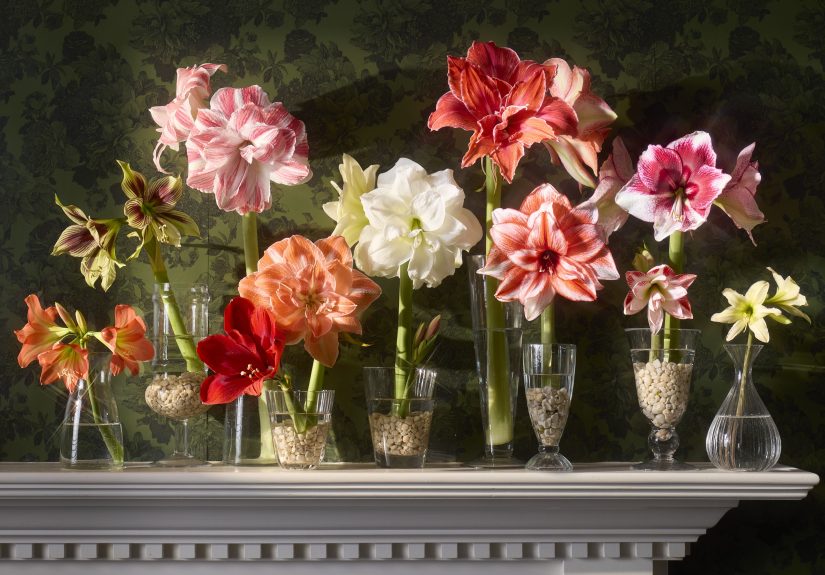
Amaryllis earns its holiday fame honestly. The flowers are huge, the stems are tall, and the bloom colors range from classic red and snowy white to pink, salmon, striped, and double-flowered varieties that look almost too glamorous to be real. A single large bulb can produce more than one flower stalk, and each stalk can carry multiple blooms. Translation: one bulb can create a whole centerpiece-level moment without asking much in return.
Another reason gardeners love amaryllis is timing. These bulbs are commonly sold in late fall and early winter because they bloom indoors when most outdoor plants are asleep. That makes them perfect for windowsills, tabletops, holiday decorating, and brightening those gray weeks when the sun seems to have filed a formal complaint and left town.
They are also beginner-friendly. If you have ever kept a pothos alive for six months or successfully remembered where you parked at the mall during December, you already have the skills to grow amaryllis.
How to Choose the Best Amaryllis Bulb
Your future flowers begin with bulb quality, so shop like a person with standards. Look for bulbs that feel heavy, firm, and solid. Skip any that are soft, moldy, bruised, or suspiciously lightweight. Bigger bulbs usually mean better bloom performance, with more energy stored inside and a better chance of multiple stems.
If you are buying a boxed kit, inspect the bulb as much as possible through the packaging. If you are buying a loose bulb, even better. Choose one with thick roots if they are present and a clean neck with no mushy spots. A healthy amaryllis bulb should look like it is ready to do something impressive, not like it barely survived a tiny underground scandal.
Popular varieties for winter displays include rich red types, crisp white cultivars, striped selections, and doubles that look almost peony-like. For a classic holiday look, red and white are hard to beat. For something softer and more designer-ish, try blush pink or a striped bicolor.
When to Plant for Winter Blooms
Amaryllis usually blooms about 6 to 8 weeks after planting, although some varieties can take a bit longer. That makes timing easy. Plant in early to mid-November for flowers around late December or the holiday season. Plant later if you want blooms in January or February.
If precise timing matters, buy more than one bulb and stagger your planting dates by a week or two. That trick gives you a longer indoor flower season and makes you look suspiciously organized.
How to Plant Amaryllis the Right Way
Pick a snug pot
Amaryllis prefers a container that is only slightly larger than the bulb. Choose a pot with drainage holes and about 1 to 2 inches of space between the bulb and the pot edge. A huge pot may seem generous, but amaryllis actually flowers best when slightly pot-bound. In this case, the bulb likes cozy, not cavernous.
Use a loose, well-draining potting mix
Use a good-quality indoor potting mix rather than garden soil. Garden soil is too heavy for container culture and can hold more moisture than the bulb wants. Good drainage is one of the biggest keys to success because soggy soil is how you end up with rot instead of blooms.
Plant with the top of the bulb exposed
Fill the pot partly with mix, set the bulb in place with the pointed end up, then add more mix around it. Leave the top third to half of the bulb above the soil line. Do not bury it completely. Amaryllis likes to show a little shoulder, and honestly, it pulls it off.
Water lightly after planting
Once planted, water enough to settle the potting mix around the roots. After that, go easy. Wait until the top inch of soil feels dry before watering again. The goal is lightly moist, never soggy. A bulb full of stored energy does not need daily pampering.
Best Growing Conditions for Strong Stems and Big Blooms
Light
Place the pot in bright light, ideally near a sunny window. Amaryllis grows best with strong indoor light while the stem and leaves are developing. Rotate the pot every few days so the flower stalk does not lean dramatically toward the window like it is trying to gossip with the sun.
Temperature
Average indoor room temperatures work well for getting the bulb started. Once the flowers open, slightly cooler conditions can help them last longer. If possible, keep blooming plants away from heating vents, fireplaces, and intense afternoon sun that can speed up flower fade.
Water
The golden rule is simple: water when the soil surface dries, then stop. Do not let the pot sit in a saucer of water. Overwatering is the most common amaryllis mistake, and it is usually made by nice people with excellent intentions.
Support
Some varieties produce top-heavy stems. If a stalk starts leaning or flopping, add a discreet stake. This is not a moral failure. It is just floral engineering.
How Long Do the Flowers Last?
An amaryllis display can last for weeks, especially when the bulb sends up multiple stems in sequence. Individual flowers remain attractive for a good stretch, and the overall show is longer when you keep the plant in bright but not scorching conditions. Cooler rooms usually extend bloom life better than hot ones.
To keep flowers looking fresh, remove spent blossoms as they fade. That prevents the plant from wasting energy on seed production and keeps the display tidier. Once all blooms on a stem are finished, cut the flower stalk back to about an inch above the bulb.
How to Care for Amaryllis After It Blooms
This is where many people accidentally turn a perennial possibility into a one-season fling. After the flowers fade, do not toss the bulb if you want it to bloom again. The leaves that follow are not random bonus foliage. They are the bulb’s solar panels, and they matter.
Leave the leaves
After blooming, cut off the spent flower stalk but leave the foliage alone. Those strap-like leaves help the bulb rebuild energy for another flowering cycle. If you cut the leaves too early, you are basically taking the charger away from a phone at 3 percent battery.
Keep it growing
Place the plant in a bright window and continue watering whenever the soil surface dries. Feed it regularly with a balanced houseplant fertilizer according to label directions during active growth. This feeding period is what helps the bulb bulk up again.
Give it a summer vacation
Once outdoor temperatures are reliably warm and frost is no longer a concern, you can move the potted bulb outside to a bright, lightly shaded or sunny spot. Acclimate it gradually so the leaves do not scorch. Outdoor light and summer growth often improve rebloom potential.
Prepare for dormancy
In late summer or early fall, stop fertilizing and gradually reduce watering. Before chilly weather arrives, bring the bulb indoors if it has been outside. Let the foliage decline naturally, then store the pot or the bare bulb in a cool, dark, dry place for about 8 to 10 weeks. This rest period is one of the best ways to encourage winter rebloom.
Wake it up again
After dormancy, repot if needed, return the bulb to bright light, and resume watering sparingly until growth begins. With luck, patience, and a tiny amount of gardening swagger, your amaryllis will start a new round of stems and flowers.
Common Amaryllis Problems and How to Avoid Them
No flowers, only leaves
This usually means the bulb did not store enough energy after the previous bloom cycle, did not receive enough light, or skipped the rest period needed to reset. Bigger bulbs also tend to perform better than undersized ones.
Rotting bulb
Softness at the base or neck is usually related to overwatering or poor drainage. Always use a pot with drainage holes and let the soil dry slightly between waterings.
Leaning stems
Not enough light and uneven exposure are common reasons. Rotate the pot regularly and stake the stem if needed.
Short bloom life
Too much heat, direct blazing sun, or very dry indoor air can shorten the show. Move the blooming plant to a cooler bright location once flowers open.
Can You Grow Amaryllis Without Soil?
Yes, some bulbs are sold in decorative water vases or coated in wax. These options are beautiful and convenient, especially for gifts. But there is a catch. Waxed bulbs usually bloom on the energy stored inside the bulb and are often treated as one-and-done decorations. If your goal is long-term reblooming, a traditionally potted bulb in soil is the smarter choice.
Water-grown bulbs can flower successfully, but they are harder to keep strong for the future. Soil offers better support for root health and long-term recovery after bloom.
Are Amaryllis Safe Around Pets?
No. Amaryllis is considered toxic to cats, dogs, and horses, and the bulb is the most dangerous part. Keep bulbs, leaves, and flowers out of reach of curious pets and children. If you share your home with a cat who believes every plant is a snack review channel, place amaryllis somewhere safely inaccessible.
Can Amaryllis Grow Outdoors?
In warm climates, amaryllis can be grown outdoors in the ground. In the United States, that usually means warmer regions such as USDA Zones 9 to 11, where freezing winter temperatures are limited. In colder areas, treat it as a container bulb and bring it indoors for protection and winter bloom forcing.
Final Thoughts
If you want dramatic winter flowers without turning your home into a full-time nursery, amaryllis is one of the best bulbs you can grow. It delivers bold blooms, works beautifully indoors, and does not demand much beyond a snug pot, bright light, and restrained watering. It is the rare plant that manages to be both low-fuss and outrageously glamorous.
Plant one bulb and you get a bright winter centerpiece. Learn the aftercare, and you may get a repeat performance next year. That is a pretty good deal for a flower that looks like it charges appearance fees.
Personal Experience and Practical Lessons From Growing Amaryllis
The first time I grew amaryllis, I made the classic beginner mistake of assuming a giant bulb must want giant amounts of water. In my defense, it looked dramatic, and dramatic things often seem high-maintenance. As it turns out, amaryllis is more like a stylish houseguest who wants a sunny room, a reasonable drink now and then, and absolutely no micromanagement. Once I stopped treating it like a thirsty annual and started treating it like a bulb with a built-in pantry, everything improved.
What surprised me most was how much anticipation becomes part of the fun. Amaryllis is not instant, but it does reward attention. One day the pot looks like a dirt-filled promise. Then suddenly a green nose appears. A few days later the flower stalk starts stretching upward with almost suspicious speed. By the time the buds fatten and color begins to show, the whole plant feels like a countdown clock for winter joy.
I also learned that placement matters more than people think. One year I left a blooming plant in a warm room near a heat source because it looked festive there. It was festive, yes, but the flowers faded faster than expected. Another year I moved the pot to a bright, cooler room once the blossoms opened, and the display lasted noticeably longer. That small adjustment made the plant feel less like a quick holiday decoration and more like a real season-long event.
Reblooming taught me patience. After the first bloom cycle, it is tempting to treat the leaves like clutter and move on. But keeping the foliage healthy through spring and summer is where the next year’s flowers are made. I used to think the exciting part was the bloom itself. Now I know the real secret is the quiet middle period: watering regularly, feeding lightly, giving the bulb enough light, and letting it recharge. It is not glamorous work, but it is what creates the glamour later.
The summer vacation trick also changed my results. Moving the pot outdoors once the weather warmed gave the leaves better light and stronger growth. I did it gradually to avoid leaf scorch, and by late summer the bulb looked much sturdier than bulbs I had kept indoors year-round. When I brought it back in and gave it a rest period, I felt oddly proud, like I had coached a tiny floral athlete through offseason training.
Perhaps the best lesson from growing amaryllis is that winter gardening does not have to feel bleak. A single bulb on a windowsill can make the whole room feel more alive. The flowers are unapologetically cheerful, and that is exactly what many homes need in the darker months. Even when outdoor beds are empty and the trees look half asleep, amaryllis reminds you that color, growth, and a little drama are still available indoors.
If I had to offer one practical takeaway from experience, it would be this: resist the urge to overdo everything. Do not oversize the pot. Do not overwater the bulb. Do not cut off the leaves too soon. Amaryllis performs best when you give it the basics and then let it do what it was built to do. And when it finally opens those huge winter flowers, it really does feel like the plant equivalent of a curtain rising.







 Close
Close