Table of Contents >> Show >> Hide
- Meet the Plant: What Is Hummingbird Sage?
- Why Gardeners Love It (Besides the Hummingbird Drama)
- Choosing the Right Spot: Light, Microclimate, and Common Sense
- Soil and Drainage: The One Thing You Shouldn’t Ignore
- When and How to Plant Hummingbird Sage
- Watering: The “First Year Is Different” Rule
- Fertilizing: Less Is More (Seriously)
- Pruning and Deadheading: Keep It Tidy, Not Tortured
- Propagation: How to Get More Plants Without Buying More Plants
- Pests and Problems: What to Watch For
- Landscape Design Ideas: Where Hummingbird Sage Shines
- Can You Grow Hummingbird Sage in a Container?
- FAQ: Fast Answers to Common Questions
- Experience-Based Tips: What Gardeners Notice After Growing Hummingbird Sage
- Conclusion
If you want a plant that looks like it’s trying to impress hummingbirds (and honestly, succeeds),
but acts like it has better things to do than be high-maintenance, meet hummingbird sage
(Salvia spathacea). It’s a California native that spreads into a fragrant, leafy carpet and
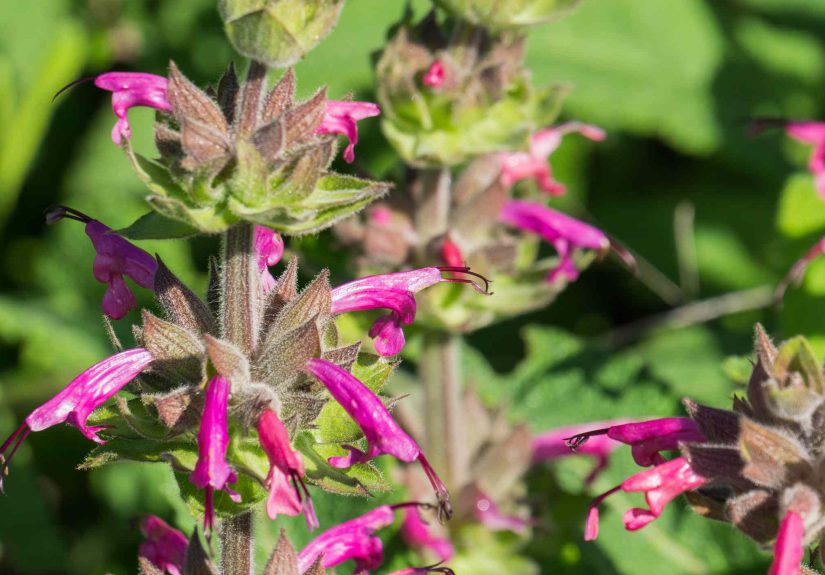
pops up bold, magenta-to-rose flower spikes that scream “nectar bar open!” to hummingbirds, bees, and butterflies.
The best part? Hummingbird sage is wonderfully forgivingespecially once it’s established.
Give it the right spot (think: bright shade or gentle sun, plus decent drainage), and it will reward you with
color, fragrance, and wildlife trafficwithout demanding daily attention like a needy houseplant in a tiny pot.
Meet the Plant: What Is Hummingbird Sage?
Hummingbird sage is a semi-evergreen perennial salvia native to California’s coastal and foothill regions.
Unlike many shrubby salvias, this one spreads by underground rhizomes, forming a low, mounding
groundcover of large, quilted-looking, aromatic leaves. In late winter through spring (and sometimes with a
smaller encore later), it sends up sturdy flower stalks topped with whorls of tubular bloomsperfectly shaped
for hummingbirds to sip on the fly.
Quick profile (because we all love a cheat sheet)
- Botanical name: Salvia spathacea
- Common names: Hummingbird sage, pitcher sage
- Plant type: Perennial groundcover (rhizomatous spreader)
- Size: Foliage often ~1–2 ft tall; flower spikes commonly taller
- Spread: Typically 3–6+ ft over time (it likes to stretch)
- Bloom time: Usually late winter through spring into early summer
- Light: Part shade to shade; tolerates known sun in the right conditions
- Water: Low once established; moderate during establishment
- Best use: Pollinator gardens, dry shade, slopes, naturalized areas, understory planting
Why Gardeners Love It (Besides the Hummingbird Drama)
Hummingbird sage hits a rare sweet spot: it’s shade-tolerant yet drought-adapted,
fragrant without being fussy, and bold-flowering without needing a weekly pep talk. If you’ve ever stared at a
“dry shade” area under trees and thought, “So… what lives here besides dust and disappointment?”this plant is
a real answer.
- Pollinator magnet: Tubular blooms are practically built for hummingbirds.
- Water-wise: Once established, it can handle low irrigation.
- Great in understory spots: Often happy beneath trees and large shrubs.
- Fragrant foliage: Leaves can smell fruity or spicy when brushed.
- Low-maintenance look: Forms a lush mat that reads “intentional” even when you’re busy.
Choosing the Right Spot: Light, Microclimate, and Common Sense
Light: Bright shade is the VIP section
In many gardens, hummingbird sage performs best in part shadeespecially where afternoons are hot.
It can also grow in shade (think under open-canopy trees) and, in some conditions, can tolerate more sun
if soil moisture and heat exposure are appropriate. The goal is to avoid cooking it in harsh, all-day, inland
summer sun unless you’re intentionally working with a tougher selection and giving it a smart watering plan.
Microclimate matters more than the label tag
Plant tags try their best, but your yard has opinions. Coastal gardens, foggy zones, and filtered light under trees
often give hummingbird sage the “California native dream lifestyle.” Hot inland sites can still workjust plan for
more shade and carefully managed establishment watering.
Soil and Drainage: The One Thing You Shouldn’t Ignore
If hummingbird sage has a dealbreaker, it’s this: it doesn’t want wet feet. Well-draining soil is key.
It tolerates a range of soil types, but drainage decides whether it thrives or sulks.
How to check drainage in 60 seconds
- Dig a hole about 12 inches deep.
- Fill it with water and let it drain once.
- Fill it again and time how long it takes to drain.
If water sits for hours and hours, improve drainage before planting (mounding, amending thoughtfully, or choosing a different spot).
In heavy clay, consider planting slightly raised or on a gentle slope so winter rains don’t turn the root zone into soup.
Amending soil: keep it simple
Skip the urge to “pamper” it with rich, fluffy, water-holding mixes. Instead, aim for a soil structure that drains well.
If you amend, use compost modestly and focus on creating a stable, airy planting zone rather than a soft pocket that stays wet.
When and How to Plant Hummingbird Sage
Best planting time
In many regions with mild winters, fall planting is ideal because cooler weather and seasonal rains help roots establish
before summer stress. Spring planting can work toojust plan to water more consistently through the first warm season.
Step-by-step planting
- Dig wide, not deep: Make the hole 2–3 times wider than the pot, about as deep as the root ball.
- Set the crown correctly: Plant so the top of the root ball is level with (or slightly above) the surrounding soil.
- Backfill and firm gently: Eliminate big air pockets without compacting the soil like you’re packing a suitcase.
- Water in thoroughly: This settles soil around roots and reduces transplant stress.
- Mulch smartly: Add a light mulch layer, but keep it a few inches away from the crown to prevent rot.
Spacing: plan for its “personal expansion project”
Hummingbird sage spreads by rhizomes and can cover a generous area over time. Space plants with their future size in mind
(often a few feet apart). If you want a faster fill-in, plant closerbut be ready to thin or edge later.
Watering: The “First Year Is Different” Rule
Here’s the truth: most “drought-tolerant” plants still need consistent water while establishing.
Think of the first year as training wheels. After that, hummingbird sage can handle low water and may even prefer a drier
summer rest period in many climates.
A practical watering schedule
- Weeks 1–4: Water deeply 1–2 times per week (adjust for heat, soil type, and rainfall).
- Months 2–3: Water deeply about once per week if it’s warm and dry; less if conditions are cool.
- Remainder of year 1: Transition to deeper, less frequent watering (every 10–21 days, depending on climate).
- Established plants: Low irrigation; occasional deep water in extended heat can keep foliage looking fresher.
Signs you’re overwatering (aka “Stop loving it so hard”)
- Yellowing leaves, mushy stems, or a general “sad sponge” vibe
- Powdery mildew outbreaks in still, humid spots
- Fungus-y smells around the base
Summer dormancy: not a crisis, just a nap
In dry summers, hummingbird sage may slow down, look less lush, or go partially dormantespecially without supplemental water.
That doesn’t mean it’s dying. Many gardeners find it rebounds when cooler weather and seasonal moisture return.
Fertilizing: Less Is More (Seriously)
Hummingbird sage isn’t a heavy feeder. Over-fertilizingespecially with high nitrogencan push soft, leafy growth at the expense of flowers
and can make plants more prone to mildew. If your soil is reasonably healthy:
- Use compost as a light top-dress in fall or early spring.
- Avoid routine synthetic fertilizers unless a soil test suggests a need.
- Let leaf litter under trees act like nature’s slow-release mulch.
Pruning and Deadheading: Keep It Tidy, Not Tortured
Maintenance is mostly about aesthetics and airflow. After the main bloom, you can cut back spent flower stalks to clean up the plant
and encourage a neat appearance. In many gardens, a light post-bloom trim also helps prevent the plant from looking scruffy by late summer.
How to prune without overdoing it
- Deadhead stalks: Snip flower spikes down near the foliage once blooms fade.
- Light shaping: Trim ragged edges or leggy bitsespecially near paths.
- Avoid hard cutting in extreme heat: Major pruning during hot spells can stress the plant.
Propagation: How to Get More Plants Without Buying More Plants
Division (the easiest and most reliable)
Because it spreads by rhizomes, hummingbird sage is well-suited to division. In cool seasons (often fall or early spring),
dig a section from the edge of an established clump, making sure each piece has healthy roots/rhizome and shoots.
Replant immediately and water consistently until it re-establishes.
Cuttings and seed (possible, but less foolproof)
Some gardeners propagate by cuttings, and the plant can also be grown from seed. Keep in mind:
- Seed-grown plants may vary from the parent, especially for named selections.
- Cuttings can work, but humidity and rot risk mean you’ll want airy mix and careful watering.
Pests and Problems: What to Watch For
Powdery mildew
Powdery mildew can show up when conditions are humid, airflow is poor, or watering is too frequent. Reduce risk by:
- Giving the plant enough space (don’t pack it in like subway rush hour)
- Watering at the soil line, not overhead
- Trimming lightly for airflow after bloom
Root rot
Almost always a drainage issue. Fix the site (raised planting, better drainage, less irrigation) rather than treating symptoms.
Wildlife and chewing
Its aromatic foliage often makes it less appealing to deer, but “deer-resistant” is not “deer-proof.”
In high-pressure areas, protect young plants until they’re established.
Landscape Design Ideas: Where Hummingbird Sage Shines
Think of hummingbird sage as an understory MVP. It’s excellent for:
- Under tree canopies: Especially beneath open, light-filtering trees
- Slopes: Rhizomes help it knit into a stabilizing groundcover
- Pollinator corridors: Pair with other nectar plants for season-long interest
- Path edges: Let it spill softly without getting too tall
Companion planting examples
In a native or water-wise garden, hummingbird sage pairs beautifully with plants that like similar conditions:
other salvias, native bunchgrasses, California fuchsia for late-season hummingbird fuel, and shade-tolerant natives
that appreciate summer dryness once established.
Can You Grow Hummingbird Sage in a Container?
Yeswith two caveats: it spreads, and it hates soggy soil. If you’re container-growing:
- Choose a wide pot with excellent drainage holes.
- Use a fast-draining mix (not a moisture-retentive “bog blend”).
- Expect to divide or refresh the pot as it fills in.
- Water a bit more often than in-ground plants, but never keep it constantly wet.
FAQ: Fast Answers to Common Questions
Does hummingbird sage need full sun?
Not necessarily. Many gardeners have the best results in part shade, especially in hot areas. It can tolerate more sun in the right
microclimate with appropriate watering and soil conditions.
How fast does it spread?
It spreads steadily by rhizomes. It’s not usually an overnight takeover, but over a few seasons it can cover a wide area.
If you want to keep it contained, edge it, divide it, or use a barrier.
Is it good for hummingbirds?
Absolutely. The tubular flowers are nectar-rich and shaped for hummingbird feeding, which is why the plant earned its common name.
Experience-Based Tips: What Gardeners Notice After Growing Hummingbird Sage
Care instructions are helpful, but real gardens have real personalitieswindy corners, stubborn clay pockets,
surprise heat waves, and that one shady area that somehow still gets sun at 4:00 p.m. like it’s trying to ruin your plans.
Over time, gardeners tend to learn a few practical lessons about hummingbird sage that don’t always fit neatly on a plant tag.
First, the establishment year is where success is decided. Gardeners who treat hummingbird sage like a cactus from day one
sometimes get a plant that just… pauses. It may sit there politely, looking alive but not enthusiastic.
The folks who see the first year as a rooting seasondeep watering, then letting the topsoil dryoften end up with a plant that
takes off in year two like it finally learned the neighborhood. A common approach is watering a little more regularly early on,
then tapering down once you see confident new growth.
Second, many gardeners discover that hummingbird sage is a dry-shade genius but not a “wet-shade romantic.”
Under trees, it loves the filtered lightyet it doesn’t want constant irrigation from a lawn sprinkler system.
In gardens where it’s planted near thirsty turf or frequently watered beds, you’ll often hear the same story:
leaves look tired, mildew shows up, or the plant loses that crisp, healthy structure. The fix is usually simple:
adjust watering zones, water deeply but less often, and give it airflow. It’s less about “more products” and more about “less soggy.”
Third, gardeners often learn to embrace its seasonal rhythm. In Mediterranean-style climates, hummingbird sage can look freshest
in the cooler, moister parts of the year. In summer, especially without supplemental water, it may look quieter or partially dormant.
The first time this happens, people panic. The second time, they shrug. The third time, they brag:
“It’s resting. It’s a native. It’s fine.” A light summer drinkan occasional deep soakcan keep it prettier, but many gardeners
intentionally allow a drier summer to match its natural cycle, then enjoy the rebound when fall and winter moisture return.
Another frequent “aha” moment: spacing is everything. In year one, hummingbird sage can look modest.
In year three, it may be politely leaning over a walkway like it pays rent there. Gardeners who love a lush, natural look let it roam.
Gardeners who like crisp edges learn to do one of three things: install edging, divide the plant every couple of years,
or plant it where spreading is an assetlike a slope, a wide bed, or an area beneath trees where you’d love a soft green carpet.
And then there’s the hummingbird factor. Gardeners often report that once the flower spikes are up,
hummingbirds treat the plant like a favorite caféswinging by repeatedly, hovering, and darting off like tiny, feathered commuters.
If you plant hummingbird sage where you can see it from a window or patio, the plant becomes more than landscaping; it becomes a show.
That’s why experienced gardeners frequently pair it with other nectar plants that bloom at different times,
creating a longer season of “whoosh-zip-hover” entertainment.
Finally, many gardeners learn that hummingbird sage rewards a light touch: decent drainage, patient establishment watering,
and simple post-bloom cleanup. If you do those basics, this plant usually handles the restlike a reliable friend who doesn’t text you
seventeen times a day but always shows up when it matters (with flowers).
Conclusion
To grow hummingbird sage successfully, focus on three essentials: the right light (part shade is often ideal),
drainage (no soggy roots), and smart watering (consistent in year one, low once established).
Add a little post-bloom tidying and occasional division if it spreads beyond its welcome, and you’ll have a fragrant,
pollinator-packed groundcover that makes your garden feel aliveliterally, with hummingbirds.