Table of Contents >> Show >> Hide
- Why propagate clusia from cuttings?
- What you need before you start
- Method 1: How to propagate clusia cuttings in soil
- Method 2: How to propagate clusia cuttings in water
- Soil vs. water propagation: which is better for clusia?
- Best growing conditions for newly rooted clusia
- Common mistakes when growing clusia from cuttings
- How long does clusia propagation take?
- Grower experiences: what this process is really like
- Final thoughts
If you already have a healthy clusia plant, congratulations: you are one snip away from free plants. And honestly, that may be the most satisfying phrase in gardening. Clusia, often called autograph tree or pitch apple, is one of those thick-leaved tropical plants that looks fancy without acting too fancy. It’s glossy, sturdy, and surprisingly cooperative when you decide to multiply it.
The good news is that learning how to grow clusia from cuttings is not complicated. You do not need a greenhouse, a lab coat, or mystical gardener powers passed down by your aunt who talks to begonias. You just need a healthy parent plant, a clean cut, and a little patience. In this guide, you’ll learn 2 easy ways to propagate clusia: rooting cuttings in soil and rooting cuttings in water.
Both methods can work. One is a little more practical, the other is a little more visual, and both let you turn one handsome tropical plant into several. Here’s how to do it without turning your cuttings into sad green toothpicks.
Why propagate clusia from cuttings?
Propagating clusia from stem cuttings is the easiest way to make a new plant that looks like the parent. That matters if you love the exact leaf shape, growth habit, or overall look of your current plant. Seeds can be unpredictable, but cuttings are basically the copy-paste shortcut of gardening.
It’s also a smart way to refresh an older plant. If your clusia has gotten leggy, too tall, or a little awkward on one side, pruning it for cuttings solves two problems at once. You tidy up the original plant and get baby plants in return. That is what we call efficient drama.
Clusia cuttings usually root best when the plant is actively growing, especially in spring and summer. Indoors, you can try propagation at other times of year, but the process tends to move faster when temperatures are warm, light is stronger, and the plant is in growth mode instead of vacation mode.
What you need before you start
Basic supplies
- Clean, sharp pruning shears or scissors
- A healthy clusia plant
- A small pot with drainage holes
- Well-draining potting mix
- Perlite or coarse sand for extra drainage
- A small glass or jar if using the water method
- Optional rooting hormone
- Optional clear plastic bag or humidity dome
How to choose the best cutting
Pick a healthy, firm stem with several leaves and at least a couple of nodes. A node is the point on the stem where leaves attach, and it is the place where roots are most likely to form. Avoid weak, damaged, or diseased growth, and skip stems with obvious stress, mushiness, or discoloration.
A cutting around 4 to 6 inches long is a sweet spot for many houseplant and tropical propagation projects, including clusia. That size is long enough to include useful nodes, but short enough that the cutting can focus on rooting instead of trying to support a giant top section like an exhausted intern on their first Monday.
Method 1: How to propagate clusia cuttings in soil
If you want the more reliable, more transplant-ready option, rooting in soil is usually the better choice. Many propagation experts prefer this route because roots formed directly in a potting medium often adjust better than roots grown in water.
Step 1: Prepare the potting mix
Use a light, airy, well-draining mix. A good setup is regular potting soil amended with perlite. You want moisture retention, but not soggy conditions. Cuttings need oxygen around the base as much as they need water, so dense, heavy soil is not your friend here.
Fill a small pot and moisten the mix so it is evenly damp but not dripping wet. Think “wrung-out sponge,” not “tiny swamp.”
Step 2: Take the cutting
With clean shears, cut just below a node. Remove the leaves from the lower portion of the cutting, leaving a couple of healthy leaves at the top. This keeps the buried part of the stem clean and reduces the chance of rot while still allowing the cutting to photosynthesize.
If the remaining leaves are very large, you can trim them slightly to reduce moisture loss. That is especially helpful if your home is dry or warm.
Step 3: Use rooting hormone if you want
Rooting hormone is optional, not mandatory. Clusia can root without it, but a light dip in rooting hormone may encourage faster root formation and improve your odds. If you use it, apply only to the lower end of the cutting and tap off the excess. More is not better. This is propagation, not breading a cutlet.
Step 4: Plant the cutting
Use a pencil or finger to make a hole in the mix, then insert the cutting so at least one node is buried. Firm the soil gently around the stem. You want good contact between the stem and the medium, but you do not need to pack it like concrete.
Step 5: Create a warm, humid environment
Place the pot in bright, indirect light. Avoid harsh direct sun, which can stress or dehydrate the cutting before it roots. If your indoor air is dry, loosely cover the pot with a clear plastic bag or humidity dome, making sure the plastic does not rest directly on the leaves.
Warmth helps. A cozy room works well, and bottom heat can speed things up, though it is not essential for most home growers.
Step 6: Keep the soil evenly moist
Do not let the mix dry out completely, but do not keep it soggy either. Check every few days and water lightly as needed. The goal is steady moisture, not overwatering. If the base stays too wet, the cutting can rot before roots ever appear.
Step 7: Watch for signs of rooting
New growth is one of the best clues that your cutting has rooted. Another sign is a gentle resistance when you tug very lightly on the stem. Do not yank like you are starting a lawn mower. Just test it carefully.
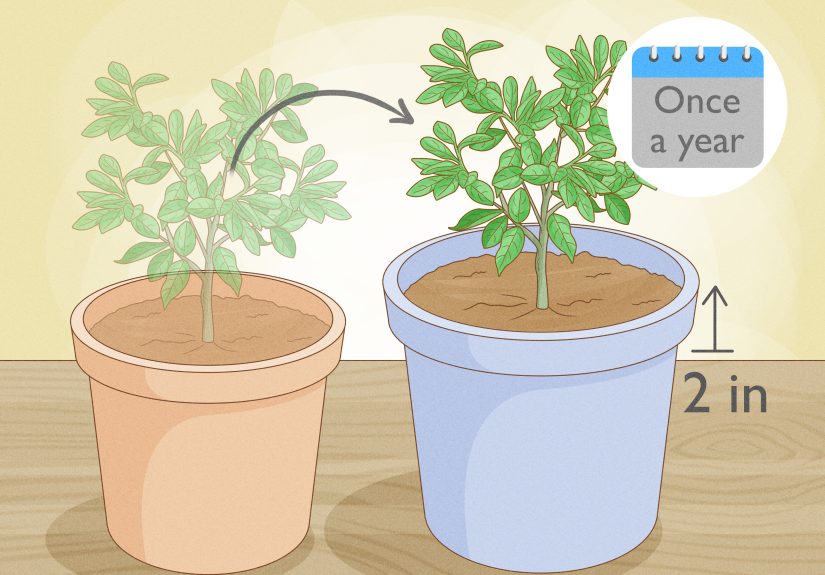
Once the cutting is rooted and putting out new growth, you can move it into a slightly larger container if needed and begin treating it more like a young clusia plant.
Method 2: How to propagate clusia cuttings in water
The water method is the crowd-pleaser because you get to watch the roots develop. It is simple, beginner-friendly, and a good choice if you like visual proof that something is happening. The downside is that water roots can be more delicate when moved to soil, so the transition stage matters.
Step 1: Take a fresh cutting
Cut a healthy stem just below a node, again aiming for a piece about 4 to 6 inches long. Remove the lower leaves so no foliage sits underwater. Leaves left below the waterline can rot and foul the container.
Step 2: Place the cutting in clean water
Set the stem in a small glass or jar so the node is submerged but the top leaves stay dry. Use room-temperature water and place the container in bright, indirect light. A sunny windowsill with intense midday sun is usually too much. Think bright but gentle.
Step 3: Change the water regularly
Replace the water every few days to once a week, or sooner if it looks cloudy. Fresh water helps reduce rot and keeps oxygen levels from dropping too low. This is one of those tiny chores that makes a bigger difference than people expect.
Step 4: Wait for roots
Rooting time varies, so patience is required. Some cuttings move quickly, others prefer a dramatic slow reveal. Once you see a small cluster of roots that is roughly 1/2 inch to 1 inch long, the cutting is usually ready for potting mix.
Step 5: Pot it up carefully
Move the rooted cutting into a small container with moist, well-draining potting mix. Keep the soil slightly more evenly moist than usual for the first week or two while the plant adjusts from water roots to soil roots. Put it back in bright, indirect light and do not fertilize heavily right away.
Soil vs. water propagation: which is better for clusia?
If your main goal is success, soil propagation usually wins. The roots form in the same kind of environment they will keep growing in, so transplant shock tends to be lower.
If your main goal is simplicity and fun, water propagation is very appealing. You get to monitor root growth without digging around in a pot like a suspicious raccoon.
Here’s the practical answer: if this is your first time propagating clusia, try both. Root one cutting in soil and one in water. You will learn quickly which method fits your home conditions, your schedule, and your patience level.
Best growing conditions for newly rooted clusia
Light
Clusia likes bright light. Outdoors in frost-free climates, it can handle full sun to partial shade once established. Indoors, bright light is usually best, but brand-new cuttings should be protected from harsh direct sun until they are rooted and stable.
Temperature
This is a tropical plant, so warmth matters. Keep fresh cuttings in a warm room and away from cold drafts, blasting AC vents, or chilly windows in winter. Rooting tends to slow down when conditions are cool.
Humidity
Moderate to high humidity helps cuttings stay hydrated while they form roots. That is why propagation domes, plastic covers, or simply grouping plants together can be useful. Just make sure airflow is not terrible, because stagnant damp air can invite rot.
Soil
Use a potting mix that drains well. Clusia can tolerate different soils once mature, but a cutting does best when the medium is airy, not compacted. Perlite is your helpful sidekick here.
Common mistakes when growing clusia from cuttings
Using a weak cutting
A stressed stem is already struggling before the experiment starts. Always take cuttings from a healthy plant.
Burying leaves
Leaves under soil or water are a fast track to rot. Keep the nodes down and the foliage up.
Giving too much sun
Bright indirect light is ideal for rooting. Intense direct sun can scorch the cutting and dry it out before roots form.
Keeping the medium too wet
Moist is good. Waterlogged is bad. If your pot feels like a soggy brownie, back off.
Waiting too long to transplant water-rooted cuttings
Do not let the cutting live in water forever unless the plant truly thrives that way. For clusia, moving the cutting to soil after the first good roots appear gives it a better long-term start.
How long does clusia propagation take?
There is no magic countdown clock, because rooting speed depends on light, warmth, humidity, cutting quality, and plain old plant personality. In general, expect a few weeks rather than a few days. Soil-rooted cuttings may reveal success through new growth before you can actually see roots, while water-rooted cuttings let you monitor progress directly.
The key is not to fuss too much. Constantly moving the pot, re-cutting the stem, or checking for roots every 18 minutes will not speed things up. Plants appreciate many things. Helicopter parenting is not one of them.
Grower experiences: what this process is really like
One of the most common experiences people have when propagating clusia is surprise at how sturdy the cuttings feel. If you have propagated softer houseplants before, clusia can seem almost suspiciously firm and leathery. That toughness is helpful, because the cuttings do not wilt as dramatically as thinner tropical stems. At the same time, that sturdiness can fool beginners into thinking the cutting is already “fine” and no longer needs consistent moisture or careful light. It still does. The cutting may look calm while silently deciding whether it wants to root or give up.
Another very normal experience is the awkward waiting period. The first week often feels too quiet. Nothing visible happens. The cutting just sits there like a decorative green marker. This is where many people make mistakes. They water too much because they think nothing is happening, or they move the cutting into stronger sun because they want to “help.” In reality, clusia usually responds better to consistency than to constant intervention. Leave it in stable conditions and let it work.
People who try both methods often report that water propagation is more exciting at first but soil propagation feels more satisfying later. In water, you get that tiny thrill of spotting the first white root nub. It is like the plant finally texted back. But once you pot it up, the transition can be a little delicate. The cutting may pause, sulk, or act unimpressed for a week or two while it adjusts. Soil-rooted cuttings are more mysterious because you cannot see the roots forming, but they often settle in more smoothly once they take off.
Many growers also notice that the best clusia cuttings come from stems that are mature enough to be firm but not ancient and woody. Very soft new growth can dehydrate quickly, while older, tougher sections can be slower to root. That middle-ground stem usually behaves best. If a first cutting fails, it does not necessarily mean you are bad at propagation. It may just mean you chose the wrong piece of stem, watered too generously, or tried during a less active season.
There is also the emotional roller coaster of “Is this dead, or just busy?” That question appears in almost every propagation journey. With clusia, a cutting that remains green and firm still has a chance, even if it is moving slowly. A cutting that turns mushy, dark, or foul-smelling is giving clearer feedback, and unfortunately that feedback is not flattering. The most successful growers tend to be the ones who learn to read these small signals early and adjust without panicking.
Finally, there is the oddly delightful moment when a propagated clusia starts looking like a real plant instead of a science project. A fresh leaf appears. The stem resists a gentle tug. The cutting stops looking temporary. That is when propagation becomes addictive. Suddenly one plant seems lonely, your windowsill becomes a nursery, and you start eyeing every healthy stem as potential future foliage. This is how plant people are made.
Final thoughts
If you want an easy tropical propagation project, clusia is a strong choice. Its thick stems and adaptable nature make it more forgiving than many fussy houseplants, and the two most practical methods are straightforward: root the cuttings in soil for a sturdier start, or root them in water for an easy-to-watch process.
The biggest keys to success are simple: start with a healthy cutting, cut below a node, remove the lower leaves, provide warmth and bright indirect light, and do not drown the poor thing in the name of love. With a bit of patience, you can turn one clusia into several healthy new plants and pretend you are running a very chic tropical nursery from your kitchen counter.