Table of Contents >> Show >> Hide
- Why Hands Get Dry, Rough, and Cracked (So You Can Stop the Cycle)
- The 7-Day “Fix It” Plan (Simple, Realistic, Works for Most People)
- Home Remedies That Actually Help (Not Just “Pinterest Hope”)
- Commercial Remedies: What to Buy (and Why It Works)
- Handwashing Without Destroying Your Skin
- When It’s More Than Dry Skin: Eczema, Contact Dermatitis, and Dyshidrotic Flares
- What to Avoid (Because Your Hands Are Already Going Through Enough)
- When to See a Clinician (Don’t Tough-It-Out Forever)
- FAQ: Quick Answers for Real Life
- Real-World Experiences: What Healing Dry Cracked Hands Actually Feels Like (and What People Learn)
- Conclusion
Dry, cracked hands are annoying in the same way a tiny pebble in your shoe is annoying: it’s small, but it somehow becomes the main character of your entire day. One minute you’re living your life, the next you’re negotiating with a paper towel like it’s sandpaper and you’ve lost the treaty.
The good news: most cases improve fast with the right combo of barrier repair, smart washing habits, and the right moisturizer (spoiler: “smells like a tropical vacation” is not a medical category). This guide covers home remedies and commercial fixesplus what to do when cracks become painful fissures or when hand eczema/contact dermatitis is the real culprit.
Why Hands Get Dry, Rough, and Cracked (So You Can Stop the Cycle)
Your hands take constant hits: soap, sanitizer, hot water, cold air, cleaning products, friction, and “just one more dish.” Skin has a protective outer barrier (the stratum corneum). When that barrier loses oils and water, tiny gaps form. Those gaps let moisture escape and irritants sneak inleading to dryness, redness, stinging, and eventually cracks (fissures).
Common causes of dry cracked hands
- Frequent handwashing or sanitizer use (especially with hot water or harsh soaps)
- Cold, dry weather and indoor heating (low humidity)
- Wet work: dishes, cleaning, food prep, healthcare, hair styling
- Irritants: detergents, solvents, fragrances, disinfectants
- Hand eczema / atopic dermatitis (itchy, inflamed, recurrent flares)
- Irritant or allergic contact dermatitis (rash triggered by exposure to a substance)
- Skin conditions like psoriasisor medical issues that affect skin healing
Quick self-check: If you have intense itch, redness, scaling that keeps returning, tiny blisters on fingers/palms, or burning pain with washing, you may be dealing with dermatitisnot “just dry skin.” The plan still starts with barrier repair, but you may need targeted treatment.
The 7-Day “Fix It” Plan (Simple, Realistic, Works for Most People)
If you only take one thing from this article, make it this: moisturize like it’s your joband seal it in. Dry hands rarely improve from “occasional lotion vibes.” They improve from a system.
Day 1–2: Calm the chaos
- Switch your cleanser: Use a gentle, fragrance-free hand wash. Avoid “degreasing” soaps unless you’re truly oily (hands usually aren’t).
- Wash smarter: Use lukewarm water, keep it brief, and pat dry (don’t scrub like you’re trying to remove your fingerprints).
- Moisturize immediately: Within 1 minute of drying, apply a thick cream or ointment.
- Seal at night: Apply an ointment layer before bed and wear cotton gloves (or clean cotton socks on your handsfashion is temporary; skin barrier is forever).
Day 3–5: Repair and protect
- Reapply after every wash (or at least after “major” washes like dishes/cleaning).
- Glove strategy: Nitrile gloves for cleaning/wet work; cotton liners if you sweat or get irritated.
- Spot-treat cracks: Use ointment + a bandage/hydrocolloid over painful splits.
Day 6–7: Maintain like a normal human
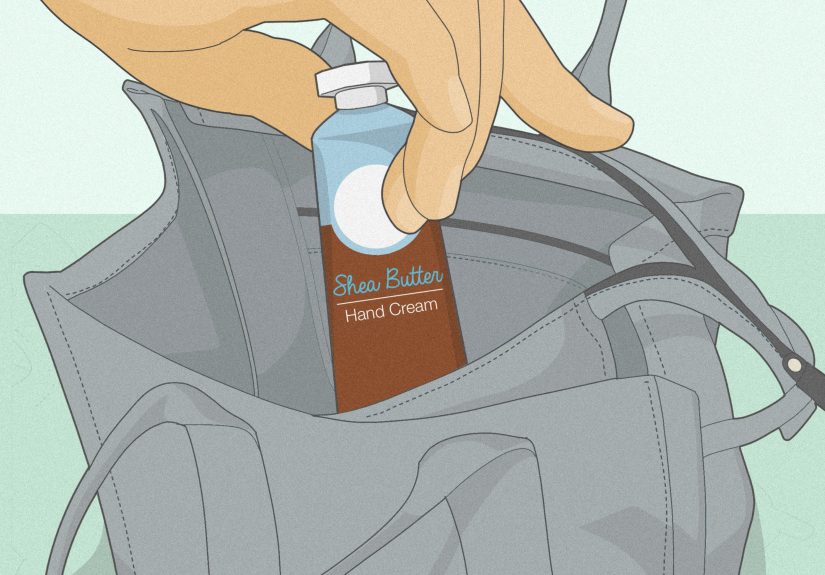
- Keep a “hand kit”: travel-size moisturizer by every sink, in your bag, in the car.
- Choose one hero product you’ll actually use multiple times a day.
- Reduce triggers: fragrance, harsh cleaners, hot water, bare-hand dishwashing.
Home Remedies That Actually Help (Not Just “Pinterest Hope”)
1) The “Soak & Seal” method (fast relief)
This is the gold-standard routine dermatology folks recommend in many forms: get skin slightly damp, then trap that water with a moisturizer and an occlusive layer.
- Briefly rinse hands with lukewarm water (30–60 seconds).
- Pat until just damp.
- Apply a thick, fragrance-free cream.
- Top with a thin layer of ointment (like petrolatum) on the driest spots.
2) Overnight hand “mask” with cotton gloves
Night is when your skin does repair workso give it tools. Slather on a thick cream or ointment, then cover with cotton gloves for 6–8 hours. If you wake up feeling like a well-moisturized raccoon, congratulations, it’s working.
3) Humidity hacks
In winter or air-conditioned rooms, low humidity quietly sabotages your hands. A humidifier in your bedroom can reduce overnight moisture loss. If you don’t have one, even placing a bowl of water near a heat source helps a little (not magicjust physics).
4) Gentle exfoliation (only when the skin is not actively cracked/bleeding)
When thick, rough skin builds up, moisturizer can’t penetrate well. Try a urea or lactic acid hand cream 2–3 nights per week. These ingredients soften rough patches and help sheddingbut they can sting on open cracks. If it burns, pause and focus on healing first.
5) Kitchen oils: when they help (and when they don’t)
Natural oils (like coconut or olive oil) can feel soothing, but they’re not always the best barrier sealers on their own. If you use them, think of them as an emollient step and consider topping with an occlusive ointment to lock hydration in. Also: avoid fragranced essential oils on cracked skin. Your hands are not a candle.
Commercial Remedies: What to Buy (and Why It Works)
Moisturizers aren’t all the same. The most effective products typically combine three categories:
- Humectants (pull water into skin): glycerin, hyaluronic acid, urea
- Emollients (smooth and soften): ceramides, fatty acids, shea butter
- Occlusives (seal water in): petrolatum, dimethicone, mineral oil
Best product types for dry cracked hands
1) Ointments (the heavy hitters)
If your hands are cracked, stinging, or actively flaking, an ointment is often the quickest way to calm things down because it forms a strong protective seal. The tradeoff: it’s greasy. Use it at night, or in thin layers on trouble spots during the day.
Look for: petrolatum, mineral oil, dimethicone.
Examples: classic petroleum jelly, healing ointments marketed for dry skin.
2) Thick creams (daytime-friendly repair)
Creams in tubes or tubs (not pump lotions) are usually the sweet spot for daytime: more water than ointments but still enough oil to repair the barrier.
Look for: ceramides, glycerin, colloidal oatmeal, niacinamide, dimethicone.
Examples: “therapeutic hand cream,” “eczema cream,” or “advanced repair” formulas.
3) Barrier creams (for “wet work” jobs)
If you wash hands constantly (healthcare, food service, cleaning, childcare), a barrier cream can reduce irritation by creating a protective film. Many use dimethicone or similar ingredients. Think of it like a raincoat for your skinstill moisturize underneath.
4) Crack care: liquid bandage, hydrocolloid, and targeted ointment
Deep splits on fingertips can hurt like betrayal. Options:
- Hydrocolloid bandages: protect the fissure and support moist wound healing.
- Liquid bandage products: can seal small cracks (may sting briefly).
- Ointment + bandage: simple and effective for nightly repair.
How to choose the right commercial product (without overthinking it)
- Go fragrance-free if you’re irritated or eczema-prone.
- Pick texture you’ll use: the “best” product is the one you apply 5+ times a day.
- For severe cracking, prioritize ointments at night and thick creams in the day.
- Patch test new products if you suspect allergy (apply to a small area for several days).
Handwashing Without Destroying Your Skin
You don’t have to choose between clean hands and comfortable hands. The trick is to strip fewer oils and replace what you lose.
Better washing rules
- Lukewarm water beats hot water for preventing dryness.
- Gentle soap beats harsh, heavily fragranced cleansers.
- Pat dry, then moisturize immediately.
- Sanitizer reality: alcohol-based sanitizer is dryingfollow with moisturizer once it dries.
Pro tip: Put moisturizer where your habits are. If you moisturize only when you “remember,” your hands will continue their villain arc.
When It’s More Than Dry Skin: Eczema, Contact Dermatitis, and Dyshidrotic Flares
Hand eczema / atopic dermatitis
Hand eczema often looks like dry, red, itchy patches with scaling and cracking. It can flare with stress, weather shifts, or irritants. Barrier repair is essential, but inflammation may require medicated treatment (over-the-counter or prescription, guided by a clinician).
Contact dermatitis (irritant or allergic)
Irritant contact dermatitis is common in people who do frequent wet work. Allergic contact dermatitis can happen after developing sensitivity to ingredients like fragrances, preservatives, or even components in gloves. If your hands improve on vacation but flare at work, that’s a clue worth following.
Dyshidrotic eczema (tiny blisters on hands)
This type can cause intensely itchy bumps or watery blisters on fingers/palms, followed by peeling and dryness. It often needs a more specific planso if you see blisters, don’t just “lotion harder.” Get evaluated.
What to Avoid (Because Your Hands Are Already Going Through Enough)
- Fragranced products on broken skin (irritation city).
- Harsh exfoliation (scrubs, pumice) on cracked areas.
- Very hot water and long soaks.
- Skipping gloves for cleaning/dishes.
- “DIY chemical experiments” like lemon juice + baking soda on fissures. That’s not skincare; that’s a dare.
When to See a Clinician (Don’t Tough-It-Out Forever)
Home and over-the-counter care is often enoughbut get help if:
- Cracks are deep, bleeding often, or not improving after 1–2 weeks of consistent care
- You see signs of infection: increasing redness, warmth, swelling, pus, or worsening pain
- Itching keeps you up at night or you’re scratching until you break skin
- You suspect an allergy (repeated flares tied to a product, glove type, or workplace exposure)
- You develop blisters on palms/fingers or widespread rash
FAQ: Quick Answers for Real Life
What’s the fastest way to heal cracked hands?
Moisturize after every wash, use a thick cream during the day, and seal with an ointment at night under cotton gloves. Protect cracks with a bandage or hydrocolloid so they can close.
Is petroleum jelly actually good, or is it just old-school?
It’s old-school because it works. Petrolatum is a strong occlusive that reduces moisture loss and supports barrier repairespecially helpful for overnight treatment or severe dryness.
Why does my hand cream sting?
Stinging often means your skin barrier is compromised. Products with acids (lactic acid), urea, or certain preservatives can sting on open cracks. Switch to a bland, fragrance-free cream or ointment until the skin calms down.
Do I need a “hand sanitizer moisturizer” combo?
Not necessarily. Use a sanitizer when appropriate, let it dry, then apply a moisturizer. Consistency matters more than fancy packaging.
Real-World Experiences: What Healing Dry Cracked Hands Actually Feels Like (and What People Learn)
Most people don’t notice their hands until their hands start filing complaints. The first sign is usually “mild roughness,” which is adult code for “I ignored it for a week.” Then comes the surprise sting when you grab a lemon, the tiny paper-cut feeling from a fingertip fissure, and the moment you realize that texting hurts because your thumb split at the bend like it’s trying to fold into another dimension.
People who wash their hands for worknurses, bartenders, baristas, daycare staff, dental assistantsoften describe the same pattern: hands feel tight by midday, then progressively worse each shift. The wild part is how quickly things improve when they change when they moisturize. The difference between “I put lotion on sometimes” and “I moisturize within a minute after washing” is basically the difference between watering a plant and occasionally thinking kind thoughts at it. Once they keep a thick, fragrance-free cream in their pocket or workstation and apply it after every wash, the stinging drops within days.
Parents of young kids report a different trigger: constant cleanup. Wipes, dish soap, bath time, handwashing before snacks, handwashing after snacks, handwashing because someone touched something sticky that may or may not be food. The breakthrough tends to be gloves for wet chores and a “nightly reset” routineointment plus cotton gloves. Many say it feels weird at first (like your hands are tucked in for bed before you are), but they wake up with noticeably softer skin and fewer painful splits.
Then there’s the “I tried every scented lotion and my hands hate me” crowd. This group often learnssometimes dramaticallythat cracked skin isn’t the moment for fragrance adventures. A lot of people switch to a simpler formula (no perfume, fewer ingredients, more occlusive power), and the improvement feels almost unfairly quick. One day your knuckles look like a topographic map; a week later they’re merely “winter hands,” not “ancient parchment hands.” Progress!
People who do hands-on hobbiescooking, gardening, woodworking, ceramicsoften find that friction is an underrated villain. Gloves help, but so does “strategic moisturization”: a lighter cream before the activity (so you can still grip things) and an ointment afterward (so your skin can recover). A common win is using hydrocolloid bandages on fingertip cracks. It sounds too simple, but protecting the split from re-opening every time you bend your finger can be the difference between a crack that heals in three days and a crack that keeps auditioning for a long-running series.
And finally: the emotional side. Yes, hands are skin, but they’re also your tools for everythingwork, cooking, caring for others, hobbies, affection. When they hurt, it’s strangely discouraging. That’s why small habits matter. People who succeed usually aren’t doing complicated routines; they’re doing boring, repeatable steps: gentler washing, immediate moisturizing, night sealing, gloves for wet work, and avoiding irritants. It’s not glamorous. But neither is wincing while opening a soda can because your fingertip crack has opinions.
If your hands could write a review of the best routine, it would be: “Five stars. Would moisturize again. Please stop using lemon-scented soap on my open fissures, thanks.”
Conclusion
Healing dry cracked hands comes down to a few repeatable moves: wash gently, moisturize immediately, seal moisture in with an ointment at night, protect your hands from wet work and irritants, and treat painful cracks like the small wounds they are. If symptoms keep returningor you see redness, blisters, intense itch, or signs of infectionconsider that eczema or contact dermatitis may be involved and get a clinician’s input. Your hands do a lot for you. Returning the favor is, frankly, the least we can do.