Table of Contents >> Show >> Hide
- What Bulimia Really Is
- Signs Someone May Need Help
- Why Your Support Matters
- How to Start the Conversation
- The Dos: What Actually Helps
- The Don’ts: What Can Make Things Worse
- Best Resources in the United States
- What Treatment Often Looks Like
- When to Get Help Fast
- How to Support Recovery Over Time
- Experiences Related to Helping Someone with Bulimia
- Conclusion
Note: This article is for informational purposes only and is not a substitute for medical or mental health care. In the United States, seek emergency help right away if the person has chest pain, fainting, severe dizziness, heart palpitations, shortness of breath, vomiting blood, or seems in immediate danger. If emotional crisis support is needed, call or text 988.
Supporting someone with bulimia can feel like trying to hug a cactus: you care deeply, but you are also afraid of getting it wrong. That fear is understandable. Bulimia is a serious eating disorder, and the person you love may be dealing with shame, secrecy, fear, and a brain that keeps telling them unhealthy behaviors are somehow “helpful.” Spoiler alert: the disorder is lying.
The good news is that your support can matter a lot. A caring friend, partner, sibling, parent, or teacher cannot single-handedly “fix” bulimia, but you can help create a safer path toward treatment, recovery, and less isolation. The key is knowing what to say, what not to say, and where to turn for real help.
This guide breaks down how to help someone with bulimia, the most useful resources in the U.S., and the dos and don’ts that can keep your support from accidentally making things worse.
What Bulimia Really Is
Bulimia nervosa is not a vanity problem, a bad habit, or a personality flaw wearing a trench coat. It is a serious mental health condition that affects a person’s relationship with food, emotions, body image, and coping. It can also cause dangerous medical complications, including heart rhythm problems, dehydration, esophagus damage, and other health issues if left untreated.
One reason bulimia is often missed is that a person may not “look sick” to others. They may appear high-functioning, social, funny, successful, and totally fine on the outside while privately struggling hard. That is why support should focus on behaviors, emotions, and safety, not appearance.
In other words, if you are waiting for a giant flashing sign that says THIS PERSON NEEDS HELP, you may be waiting too long. Quiet suffering is still suffering.
Signs Someone May Need Help
You do not need to play detective, but it helps to notice patterns. A person who may be struggling with bulimia might show some of the following warning signs:
- Frequent trips to the bathroom right after meals
- Secrecy around eating, disappearing food, or eating in isolation
- Strong guilt, panic, or shame around food
- Rigid food rules or all-or-nothing thinking about eating
- Harsh body talk or constant fear of weight gain
- Mood swings, irritability, social withdrawal, or anxiety around meals
- Dizziness, fatigue, sore throat, stomach complaints, swollen cheeks, or dental concerns
- Excessive exercise used in a punishing or compulsive way
One sign alone does not prove someone has bulimia. But a pattern of behaviors, especially paired with distress, is a reason to speak up with care.
Why Your Support Matters
People with eating disorders often delay asking for help. Shame is loud. Fear is louder. Some people do not think they are “sick enough.” Others worry they will lose control, be judged, or disappoint their family. That is exactly why compassionate support matters.
Your role is not to become a therapist in sweatpants. Your role is to be a steady, nonjudgmental person who notices, cares, and helps connect them to real treatment.
Think of it this way: you are not the entire bridge, but you may be the first plank.
How to Start the Conversation
Pick the right moment
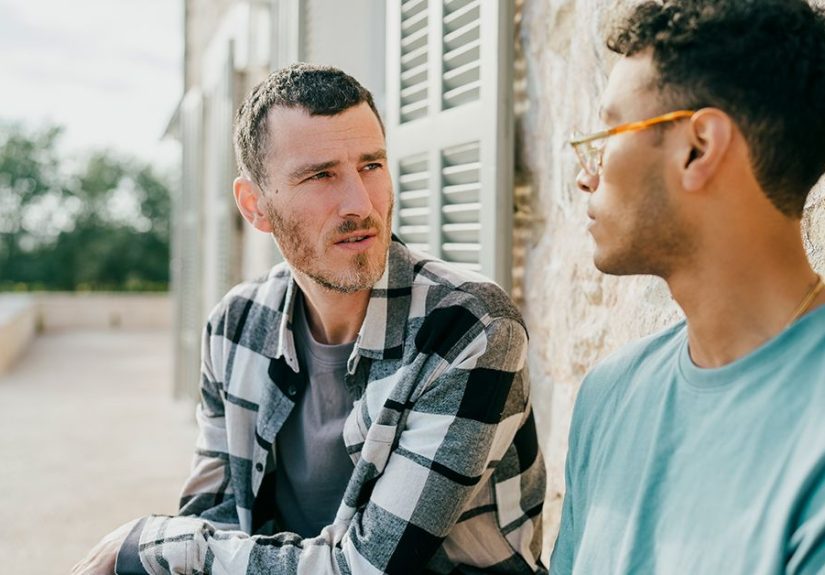
Choose a calm, private time. Not during a family blowup. Not five seconds after dinner. Not in the car with three cousins and a barking dog. Privacy and emotional space matter.
Lead with care, not accusation
Use “I” statements and focus on what you have observed. This keeps the conversation grounded and less likely to sound like an attack.
Helpful examples:
- “I’ve noticed you seem really stressed around meals, and I’m worried about you.”
- “I care about you, and I want to check in because something seems hard lately.”
- “I’m not here to judge you. I just want to support you.”
Less helpful examples:
- “You need to stop doing this.”
- “Why are you acting like this?”
- “You’re fine. Just eat normally.”
Focus on feelings and behaviors, not weight or looks
Avoid comments about body size, shape, or whether they “look healthy.” Even compliments about appearance can backfire in eating disorder conversations. Stick with concern about their stress, habits, and well-being.
Listen more than you lecture
Once you open the door, let them talk. They may deny it. They may cry. They may shrug and say, “I’m fine.” That does not mean your concern was a mistake. Often, supportive conversations are seeds, not instant solutions.
Stay calm if they get defensive
Defensiveness is common. Bulimia thrives on secrecy, and being seen can feel scary. Try not to turn the conversation into a courtroom drama. You are aiming for connection, not a confession.
The Dos: What Actually Helps
Do learn the basics about bulimia
Understanding that bulimia is a serious, treatable illness helps you respond with empathy instead of frustration. Education also helps you avoid myths, like assuming the person could stop if they just “tried harder.”
Do encourage professional treatment
Evidence-based treatment often includes psychotherapy, medical monitoring, nutrition support, and sometimes medication. Many people benefit from therapists and dietitians who specifically understand eating disorders. General advice is nice. Specialized care is better.
Do offer practical help
Support becomes more useful when it leaves the Hallmark card phase and enters real life. You might offer to:
- Help them look for an eating disorder specialist
- Sit with them while they call for an appointment
- Drive them to a visit
- Help them tell a parent, partner, or trusted adult
- Check in after hard days without being pushy
Do use supportive language
Try to be direct, warm, and respectful. Sentences like “You deserve help” and “I’m here with you” are more powerful than long speeches. A person in pain usually does not need a TED Talk. They need safety.
Do encourage a team approach
Bulimia often affects both mental and physical health. A care team may include a doctor, therapist, psychiatrist, and registered dietitian with eating disorder experience. For teens, family involvement is often an important part of treatment.
Do protect recovery-friendly spaces
If you share meals or living space, keep conversations less focused on dieting, calories, “cheat days,” body comparisons, and weight jokes. You do not need to turn the house into a silent retreat. Just retire the unhelpful commentary.
Do take urgent symptoms seriously
Bulimia can cause serious medical problems. Get immediate medical help if the person faints, has chest pain, severe dizziness, heart palpitations, shortness of breath, or other signs of medical instability.
The Don’ts: What Can Make Things Worse
Don’t shame, threaten, or punish
Fear-based tactics usually backfire. Shame is already one of the engines driving the disorder. Adding more shame does not put out the fire. It usually adds gasoline and then acts surprised.
Don’t comment on appearance
Skip “You look healthy,” “You look better,” or “You don’t look like someone with an eating disorder.” Even well-meant comments can be misheard through the disorder’s filter.
Don’t oversimplify recovery
Bulimia is not solved by saying, “Just love yourself,” “Just stop,” or “Just eat three meals.” Recovery takes time, skill-building, treatment, and support.
Don’t become the food police
Micromanaging every snack, every bite, or every trip to the kitchen can increase secrecy and tension. Support is not the same thing as surveillance. Stay involved, but do not turn your relationship into a 24-hour security camera.
Don’t argue about whether it is “serious enough”
If someone is struggling, they deserve help. Waiting for things to become more dramatic before acting is a terrible strategy. Early treatment can reduce the risk of more serious complications later.
Don’t keep dangerous secrets
If the person is a minor, medically at risk, or in emotional crisis, you may need to involve a parent, guardian, school counselor, doctor, or another trusted adult. This can feel uncomfortable, but safety comes first.
Don’t forget your own limits
You can be loving without becoming responsible for someone else’s recovery. Supportive does not mean superhuman. If you are burned out, panicked, or constantly walking on eggshells, get support for yourself too.
Best Resources in the United States
If you are trying to help someone with bulimia, these resources can make the process much less confusing:
National Eating Disorders Association (NEDA)
NEDA offers a confidential screening tool, treatment-finding support, educational material, and access to free and low-cost support options. It is a strong first stop for people who are unsure what steps to take.
ANAD (National Association of Anorexia Nervosa and Associated Disorders)
ANAD provides a free helpline, peer support groups, and caregiver-oriented support. For many families and friends, this is especially helpful when they feel overwhelmed and need both education and community.
National Alliance for Eating Disorders
This organization offers education for loved ones and free therapist-led support groups, including options for friends and family members. It is a useful choice when you need guidance on what to say and how to stay supportive.
SAMHSA National Helpline
SAMHSA’s helpline at 1-800-662-HELP (4357) offers free, confidential, 24/7 treatment referral information in English and Spanish. It can help families and individuals find local treatment options.
FindTreatment.gov
This is the official federal treatment locator for mental health and substance use services in the U.S. It can be a practical starting point when you need to find nearby care and are not sure where to begin.
988 Suicide & Crisis Lifeline
If the person is in crisis, highly distressed, or you are worried about immediate safety, call or text 988. Support is available 24/7.
What Treatment Often Looks Like
Treatment for bulimia is not one-size-fits-all, but effective care often includes several parts working together:
- Psychotherapy: especially approaches like cognitive behavioral therapy that help change harmful patterns around eating, thinking, and coping
- Medical monitoring: to check for dehydration, heart issues, digestive complications, and other health risks
- Nutrition support: from a dietitian who understands eating disorders
- Medication: sometimes used alongside therapy, especially when anxiety or depression are also present
- Family support: often important for teens and young adults
Some people do well with outpatient care. Others may need intensive outpatient, day treatment, residential treatment, or hospitalization if medical risks are high. That does not mean failure. It means the level of care should match the level of need.
When to Get Help Fast
You should not wait for a “better time” if the person has warning signs of medical instability or emotional crisis. Seek urgent medical or crisis help if they have:
- Chest pain or heart palpitations
- Fainting or severe dizziness
- Shortness of breath
- Severe weakness, confusion, or dehydration
- Vomiting blood or serious throat pain
- Thoughts of self-harm, hopelessness, or immediate safety concerns
When in doubt, take it seriously. You can always regret overreacting for ten minutes. Underreacting to a medical emergency is a much worse hobby.
How to Support Recovery Over Time
Recovery is rarely a straight line. It usually looks more like a hiking trail made by a squirrel: winding, messy, and full of unexpected turns. That does not mean progress is not happening.
Long-term support often looks like:
- Checking in consistently without interrogating
- Celebrating honesty, effort, and treatment steps
- Understanding that slips can happen without treating them like total failure
- Keeping communication open
- Encouraging professional follow-up when things start to slide
The goal is not perfection. The goal is helping the person stay connected to care, dignity, and hope.
Experiences Related to Helping Someone with Bulimia
The experiences below are composite examples based on common situations loved ones describe when supporting someone with bulimia. They are not meant to replace professional advice, but they do show what support often looks like in real life.
One college student noticed her roommate always seemed cheerful at parties but got tense whenever food was involved. She disappeared after meals, made self-critical jokes about her body, and brushed off concern with humor. At first, the roommate said nothing because she did not want to be dramatic. Eventually, she chose a quiet afternoon and said, “I care about you, and I’ve noticed meals seem stressful. I’m worried.” The conversation did not end in a movie-style breakthrough. There were tears, denial, and a very awkward silence. But a few days later, the struggling student asked if they could look up counseling services together. What helped was not perfect wording. It was the fact that someone noticed without mocking, pressuring, or lecturing.
In another example, a parent thought being strict would solve the problem. He monitored every snack, commented on portions, and asked after every meal whether his daughter had “behaved.” His intentions were protective, but the result was more secrecy and more tension. Once a therapist helped the family shift gears, the tone changed. Instead of policing, they started using calmer routines, less body talk at home, and more collaborative check-ins. The daughter did not recover overnight, but home stopped feeling like an interrogation room and started feeling safer.
A boyfriend in his twenties described how helpless he felt when his girlfriend admitted she was ashamed and did not want anyone to know. His first instinct was to promise total secrecy forever. Later, he realized that protecting the disorder was not the same thing as protecting the person. He told her gently that he loved her too much to ignore a health issue this serious. Together, they reached out to a doctor and a therapist. He learned that support sometimes means holding boundaries, not just offering comfort.
Friends also often say the hardest part is knowing recovery has ups and downs. Someone may start treatment, seem better for a while, then struggle again during stress, loneliness, or life transitions. That does not mean recovery is fake. It means recovery is work. The most helpful supporters tend to be the ones who stay steady: not panicked every time things wobble, but not dismissive either. They check in. They stay kind. They encourage follow-through. They remember that a person is more than a diagnosis.
Across these experiences, the pattern is clear. The best help usually sounds less like “Why are you doing this?” and more like “I care about you, I’m here, and we can find real help together.” That may not be flashy, but it is powerful. And for someone living with bulimia, that kind of support can be the beginning of a very different story.
Conclusion
If you want to help someone with bulimia, start with compassion, not control. Learn what bulimia is, notice warning signs, talk in a calm and nonjudgmental way, and encourage specialized treatment. Avoid comments about appearance, avoid shame, and avoid trying to become their therapist, food monitor, and emotional air traffic controller all at once.
Most of all, remember this: people recover. Not always quickly. Not always neatly. But recovery is possible, and support from informed loved ones can make a real difference. Sometimes the bravest sentence in the room is not a perfect solution. It is simply, “I care about you, and we don’t have to handle this alone.”