Table of Contents >> Show >> Hide
- First: Why They’re Hanging Around (Hint: Your Yard Is Advertising)
- Chipmunk vs. Squirrel: A Quick Damage ID (So You Don’t Fight the Wrong Battle)
- The 4-Layer Strategy That Actually Works (Without Turning Your Yard Into a Fortress)
- Layer 1: Remove the Welcome Mat (Habitat + Food Cleanup)
- Layer 2: Exclusion That Works (Physical Barriers for the Win)
- Build a chipmunk-resistant bed (and make squirrels work harder, too)
- Use “plant cages” for high-value crops
- Row covers: the underrated multitasker
- Bulbs and tubers: protect what’s underground
- Layer 3: Repellents (UsefulBut Only If You Treat Them Like “Temporary Paint,” Not Permanent Armor)
- Layer 4: Scare Tactics (Short-Term Pressure, Not a Lifetime Contract)
- Protecting Specific Garden Targets (Because “My Entire Yard” Is a Big Ask)
- Bird Feeders: The “Accidental Chipmunk & Squirrel Restaurant”
- What Not to Do (Because the Internet Is Wild)
- A Weekend Action Plan (Realistic, Not Rage-Fueled)
- of Real-World Garden Experiences (What Gardeners Learn the Hard Way)
- Conclusion: Make Your Garden a Bad Deal (Kindly)
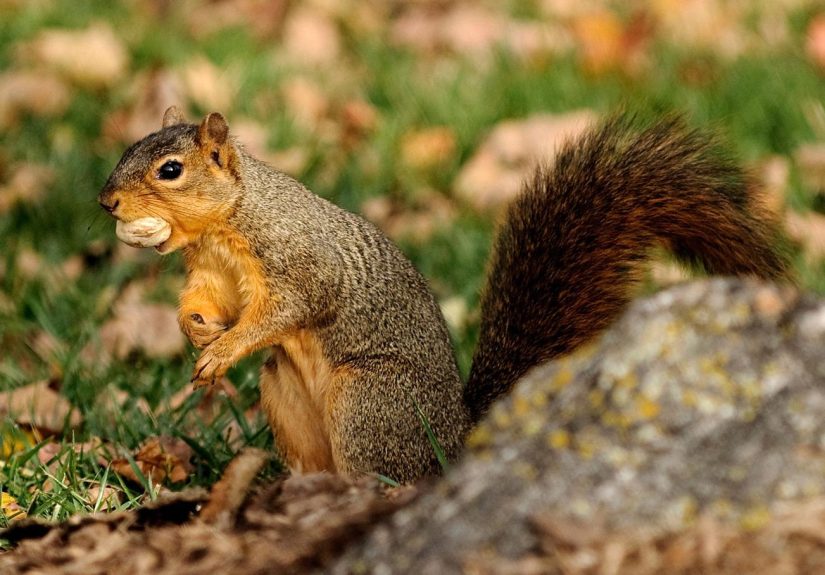
Chipmunks and squirrels have two hobbies: (1) auditioning for a nature documentary, and (2) undoing your hard work like they’re paid by the hole.
One minute you’ve got perfect tulips and tomato seedlings. The next, your garden bed looks like a tiny construction crew installed a tunnel system and left
without filing permits.
The good news: you don’t have to “win” against wildlife forever. You just need to make your garden the most annoying place to snack, dig, and stash
acornswhile still keeping things humane and practical. The most effective approach is layered: reduce what attracts them, block access to the stuff you
can’t replace, and use deterrents strategically so they don’t get used to your tricks.
First: Why They’re Hanging Around (Hint: Your Yard Is Advertising)
Chipmunks and squirrels aren’t evil. They’re opportunists with excellent PR. Gardens offer:
- Easy calories: ripe tomatoes, berries, sunflower seeds, corn, bulbs, and “freshly planted” anything.
- Great real estate: brush piles, wood stacks, dense groundcovers, and tucked-away corners for nesting and hiding.
- Convenient storage: loose soil and mulch are perfect for burying “future snacks.”
If you remove the freebies and block the VIP areas, many problems shrink fastbecause these critters prefer the easiest option. Make “easy” disappear.
Chipmunk vs. Squirrel: A Quick Damage ID (So You Don’t Fight the Wrong Battle)
Common squirrel signatures
- Half-eaten tomatoes or strawberries (often a few bites, then abandoned like a rude restaurant guest).
- Random holes in beds or lawn where they bury nuts and seeds.
- Damage appears quickly when fruit ripenssquirrels can strip a crop surprisingly fast.
Common chipmunk signatures
- Small, clean holes near plants; missing seeds; disturbed mulch; bulbs snacked underground.
- Burrows near foundations, patios, and bed edgesoften hidden under groundcover or debris.
- Repeated “sampling” of low fruits and seedlings, especially near cover.
You may have both. Many gardens do. That’s why the best solutions are the ones that protect plants rather than trying to outsmart an animal that can
do parkour and also remember where it hid 47 snacks.
The 4-Layer Strategy That Actually Works (Without Turning Your Yard Into a Fortress)
Think of this as “integrated garden defense”a practical mix of habitat changes, physical barriers, and deterrents used at the right time.
One tactic alone usually fails because wildlife adapts. Layers keep you flexible.
Layer 1: Remove the Welcome Mat (Habitat + Food Cleanup)
Start by making your yard less appealing. This is the lowest-cost step and often the biggest multiplier for everything else.
- Clean up cover: remove brush piles, wood stacks, and dense debris near beds (especially close to foundations and bed edges).
- Break the “covered corridor”: avoid continuous groundcover or shrub lines that connect wooded edges to your garden beds.
- Harvest promptly: overripe fruit is a neon sign that says “Open Buffet.”
- Pick up fallen fruit and nuts: less free food on the ground means fewer repeat visits.
- Rethink bird feeding: spilled seed is basically rodent catering. If you feed birds, do it smart (we’ll cover this below).
Pro tip: if your garden sits near a fence line, shed, or thick shrubs, clear a short “no-cover zone” around beds. It doesn’t need to be
bare dirtjust avoid dense hiding spots that let them travel unseen.
Layer 2: Exclusion That Works (Physical Barriers for the Win)
Repellents are hit-or-miss. Scare tactics are temporary. But barriersdone correctlyare the closest thing to a “set it and forget it” solution.
The trick is to protect what matters most, not necessarily the entire yard.
Build a chipmunk-resistant bed (and make squirrels work harder, too)
-
Line the bottom of raised beds with 1/4-inch hardware cloth before filling with soil. Staple it securely to the frame.
This blocks burrowing and reduces seed-stealing from below. -
For in-ground beds, install a hardware-cloth barrier along the perimeter and extend it into the soil so diggers can’t
tunnel under the edge. -
Extend barriers beyond the target area: when protecting a bed edge or bulb patch, extend the mesh at least a foot beyond the planting
margins so they can’t simply dig “around” your defense.
For chipmunks specifically, small mesh matters. If you can slide a pinky through it, assume a chipmunk will treat it like a VIP entrance.
Use “plant cages” for high-value crops
If you only do one barrier project this season, make it a removable cage for the crops squirrels love most: strawberries, tomatoes as they ripen,
young seedlings, and anything you personally bragged about to your neighbors.
- Tomato cages, upgraded: wrap a frame with hardware cloth or sturdy mesh, then secure the bottom so it can’t be pushed aside.
- Berry tunnels: hoop supports + bird netting (secured to the ground) can protect fruiting rows.
- Seedling domes: lightweight netting draped over seedlings and pinned down buys time during the most vulnerable phase.
Row covers: the underrated multitasker
Floating row covers (lightweight fabric) are famous for insect control, but they also help block “casual nibbling” from many garden pests.
They let light, air, and water through, and you can drape them directly over plants or over hoops.
- Use them right after planting to prevent wildlife from learning your bed is a snack spot.
- Secure edges with boards, pins, bricks, or soil so critters can’t sneak underneath.
- Pull back as needed for weeding, watering, and pollination (for crops that need it).
Bulbs and tubers: protect what’s underground
Bulbs are basically nature’s candy. If squirrels and chipmunks dig up tulips and crocus, try this:
- Lay hardware cloth over the planting area above the bulbs (but below the soil surface), so shoots can grow through while critters can’t dig down.
- Extend the mesh beyond the bed edges (again: at least a foot is a smart starting point) to prevent “side-entry” digging.
Layer 3: Repellents (UsefulBut Only If You Treat Them Like “Temporary Paint,” Not Permanent Armor)
Repellents can help, especially when combined with barriers. But wildlife can get used to them, rain washes them off, and hunger beats “gross smell” more
often than we’d like. Still, used correctly, they’re a nice supporting actor.
Two repellent categories that show up most often:
- Taste-based repellents: make foliage or bulbs less appetizing. These may be labeled for ornamentals (and not for food crops).
- Scent-based repellents: try to convince the animal “danger lives here,” often using predator scents or strong odors.
If you use repellents, follow three rules:
- Start early (before a habit forms).
- Reapply after rain, irrigation, or heavy dew.
- Rotate so animals don’t habituate (they absolutely will if you don’t).
One practical example: a hot pepper/capsaicin-style spray can reduce nibblingbut it’s not magic and must be used carefully, especially if pets or kids
are around. Think “fussy helper,” not “force field.”
Layer 4: Scare Tactics (Short-Term Pressure, Not a Lifetime Contract)
Scare devices can work brieflyespecially when you move them around and combine multiple senses (visual + sound + surprise). But most animals eventually
decide your “scary owl” is just a weird lawn ornament with commitment issues.
- Motion-activated sprinklers: effective for some gardens, especially when repositioned regularly.
- Reflective tape / pinwheels: can help for a while, but move them every few days.
- Noise: generally temporary; best used in short bursts and rotated.
The goal is to disrupt routine. Wildlife is a creature of habitbreak the habit early and you’ll do far less “defending” later.
Protecting Specific Garden Targets (Because “My Entire Yard” Is a Big Ask)
Seeds and seedlings
This is when chipmunks do their best “tiny vacuum cleaner” impression. Use row covers or netting immediately after seeding/transplanting, and consider
hardware cloth under raised beds. Keep the area tidynewly dug soil itself can attract attention.
Tomatoes, berries, and corn
For squirrels, ripening fruit is the trigger. You’ll often see damage spike right when color changes.
Use netting tunnels, cages, or harvest slightly early and finish ripening indoors for tomatoes.
For corn, consider protecting ears with mesh bags once silk browns (simple, targeted, and less dramatic than fencing your entire life).
Mulched beds and containers
Squirrels love loose, fluffy mulch for digging. If containers are getting excavated, top the soil with a layer of hardware cloth cut to fit (covered with
a thin layer of mulch for looks), or use larger decorative stones that make digging unpleasant.
Bird Feeders: The “Accidental Chipmunk & Squirrel Restaurant”
If you have a bird feeder, congratulationsyou may also own a rodent snack bar with excellent curb appeal.
Spilled seed is a major reason chipmunks and squirrels hang around gardens and homes.
Make your feeder less like an all-inclusive resort:
- Add a baffle (a dome or cylinder) so squirrels can’t easily climb to the food.
- Use caged feeders designed to exclude larger animals.
- Relocate feeders so spilled seed doesn’t land near garden beds or structures.
- Clean the ground below regularlyseed “snowdrifts” are an invitation.
If you love feeding birds, you don’t have to quit. You just have to stop feeding everything else at the same time.
What Not to Do (Because the Internet Is Wild)
When gardeners get frustrated, they’re tempted by quick fixes that are unsafe, illegal, or both. Skip these:
-
Mothballs as a repellent: using them outdoors or for wildlife conflicts is often inconsistent with labeling and can be unsafe.
Plus, the “smell solution” rarely beats a determined critter with a strong desire for your bulbs. - Poison baits: dangerous to pets, kids, and non-target wildlifeand illegal in many places for certain species.
-
Relocating wildlife without knowing the rules: moving an animal can spread disease, create problems elsewhere, and may be illegal depending
on species and location. It also doesn’t fix the “attractant” that will simply draw the next animal in line.
If your situation is severe (or involves animals getting into buildings), contact a local wildlife professional or your state wildlife agency for
guidance. Garden peace is great; staying safe and legal is better.
A Weekend Action Plan (Realistic, Not Rage-Fueled)
Saturday: Make the yard less inviting
- Remove brush piles, tidy bed edges, and clear dense hiding cover near your garden.
- Pick up fallen fruit/nuts and harvest ripe produce.
- Fix bird feeding: add a baffle, move the feeder, and clean spilled seed.
Sunday: Protect the “high-value plants”
- Install row covers or netting over new seedlings and seedbeds.
- Build one removable cage/tunnel for your most targeted crop (berries or tomatoes are a great start).
- For bulbs: add a mesh layer above bulb plantings before backfilling soil (or retrofit in problem areas).
All week: Maintain light pressure
- Rotate deterrents if you use them, and reapply after rain.
- Move scare devices every few days if you’re using them.
- Monitor damageadjust tactics where the problem is actually happening.
of Real-World Garden Experiences (What Gardeners Learn the Hard Way)
Gardeners swap chipmunk and squirrel stories the way fishermen swap “the one that got away” talesexcept the villain is a two-ounce animal with a talent
for interior design (burrows) and exterior remodeling (your beds).
One common pattern shows up in community gardens: the first year, gardeners try repellents and scare gadgets because they’re easy. The second year,
the gardeners who had the least damage are the ones who quietly built barriers. Not a medieval walljust practical protection where it mattered.
A lightweight row cover over a seedbed early in spring can prevent the “I discovered your buffet” moment. And that timing is everything: once squirrels
learn that the corner bed produces ripe strawberries, they don’t forget. Gardeners often notice that putting covers on after damage begins helps
less than installing them before the fruit blushes.
Another recurring experience involves raised beds. Gardeners who line the bottom with hardware cloth tend to report fewer mysterious “vanishing seeds”
and fewer under-soil surprises. It’s not glamorous workcutting mesh and fastening it well feels like assembling flat-pack furniture for plantsbut it
pays off season after season. People often describe it as the moment their garden stopped being an open-access cafeteria and became a members-only club.
(Membership: plants and pollinators. Sorry, chipmunks.)
Then there’s the bird-feeder lesson. Many gardeners don’t connect the dots until someone points it out: spilled bird seed can keep chipmunks and squirrels
in the neighborhood year-round. Once feeders are moved away from beds, a baffle is added, and the ground is kept cleaner, garden pressure often drops
noticeably. It’s not that squirrels stop being squirrelsit’s that you’re no longer paying them in sunflower seeds to patrol your yard.
Gardeners also learn that scare tactics are like a summer blockbuster: exciting opening weekend, then diminishing returns. A motion sprinkler might work
brilliantlyuntil the local squirrel decides it’s just “surprise hydration.” People who get the best results treat scare devices like a rotating cast:
move them, swap them, and pair them with something physical (netting on berries, covers on seedlings). The device doesn’t have to be perfect; it just has
to disrupt the routine long enough for your plants to get past the vulnerable stage.
Finally, experienced gardeners get very skeptical of “one weird trick” solutions. They’ll tell you the most reliable approach is also the least dramatic:
tidy up habitat, reduce easy food sources, protect the crops you’d cry over, and keep pressure on early. When you do that, chipmunks and squirrels usually
don’t vanishbut they stop acting like they own the place. And honestly, that’s the dream: a garden that still feels alive with wildlife… just not alive
with wildlife eating your tomatoes first.
Conclusion: Make Your Garden a Bad Deal (Kindly)
Chipmunks and squirrels are persistent, clever, and impressively athletic. You don’t beat them with one spray, one gadget, or one angry speech delivered
to a shrub. You win by making your garden inconvenient: remove attractants, block access with smart mesh and covers, protect the “high-value” plants, and
use repellents and scare tactics as rotating supportnot as the entire plan.
Do that, and your garden goes from “free buffet with comfy seating” to “ugh, too much work, let’s snack somewhere else.” Which is exactly the vibe you want.