
Table of Contents >> Show >> Hide
- Why Logging Driving Hours Matters
- How to Log Driving Hours: 13 Steps
- 1. Check Your State’s Driving Hour Requirements First
- 2. Choose a Log Format That You Will Actually Use
- 3. Create the Basic Columns
- 4. Record the Time Immediately After Each Drive
- 5. Count Only Real Driving Time
- 6. Separate Daytime and Nighttime Hours
- 7. Track Road Types and Conditions
- 8. Write Down Specific Skills Practiced
- 9. Use Short Practice Sessions at First
- 10. Plan Practice Around a Weekly Goal
- 11. Have the Supervising Driver Review Each Entry
- 12. Keep Backup Copies
- 13. Review the Log Before Scheduling the Road Test
- Common Mistakes to Avoid When Logging Driving Hours
- Sample Driving Hours Log Entry
- Best Tools for Tracking Driving Practice
- Safety Tips While Building Driving Hours
- Real-World Experience: What Logging Driving Hours Actually Teaches You
- Conclusion
Learning to drive is exciting, slightly terrifying, and full of tiny milestones: the first smooth stop, the first successful lane change, the first time your parent grips the door handle like it owes them money. But between the permit, practice sessions, road test preparation, and state requirements, one task matters more than many new drivers realize: knowing how to log driving hours correctly.
A driving hours log is more than a boring sheet of paper. It is proof of supervised practice, a planning tool, and a safety habit builder. Many U.S. states require teen drivers to complete a set number of supervised driving hours before taking the road test or moving to the next licensing stage. Some states also require a certain number of night-driving hours. Even when your state does not demand a detailed log, tracking your practice helps you become a calmer, sharper, more confident driver.
This guide breaks the process into 13 practical steps. You will learn what to record, how to avoid mistakes, how to organize day and night practice, and how to make your driving practice log useful instead of becoming another crumpled paper hiding under a gym bag.
Why Logging Driving Hours Matters
Most new drivers do not become skilled by magically absorbing road wisdom from the dashboard. They improve through supervised, varied, repeated practice. A good supervised driving log helps you see what you have done and what you still need to practice. If all your hours are from quiet neighborhood streets on sunny afternoons, your log will expose the truth gently but clearly: you need more variety.
Graduated Driver Licensing, often called GDL, is designed to phase in driving privileges. A learner permit usually means you can drive only with a qualified supervising adult. Later, an intermediate license may allow solo driving with restrictions, such as limits on late-night driving or teen passengers. Your log supports this process by showing that practice happened before independence increased.
The best driving logs track more than minutes. They record conditions, skills, and progress. Think of it like a fitness tracker for your future license, except instead of counting steps, it counts how many times you remembered to check your blind spot before changing lanes.
How to Log Driving Hours: 13 Steps
1. Check Your State’s Driving Hour Requirements First
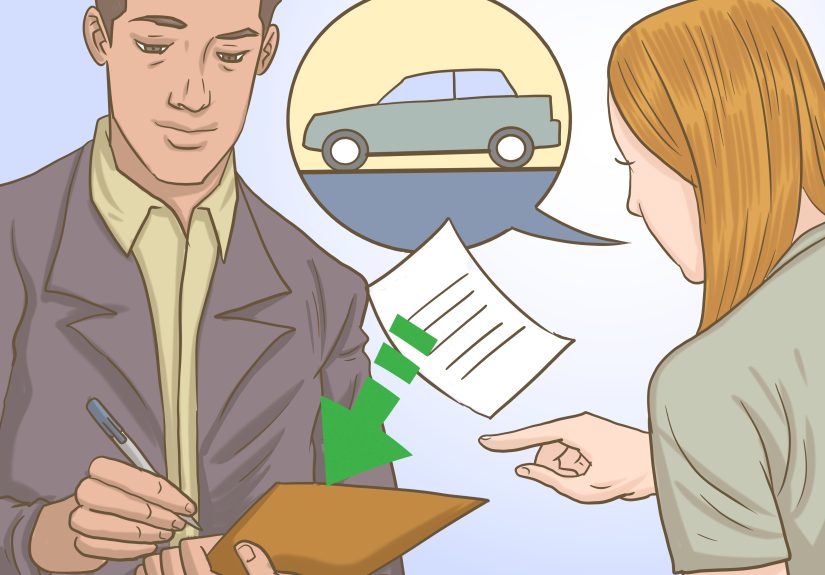
Before you start logging hours, look up your state’s official driver licensing rules. Requirements can vary widely. One state may require 50 supervised hours with 10 at night, while another may require a different number of total hours or nighttime hours. Some states require a parent or guardian to certify the hours before the road test. Others provide a printable official form.
Do not rely on a random social media comment that says, “My cousin said you only need 20 hours.” Your cousin may be charming, but your DMV does not grade charm. Use your state DMV, department of driver services, or official licensing agency website. Write down the required total hours, required night hours, minimum permit holding period, supervising driver rules, and any form you must bring to your road test.
2. Choose a Log Format That You Will Actually Use
The perfect driving log is the one you consistently update. You can use a printed DMV form, a notebook, a spreadsheet, or a driving log app. Printed forms are simple and accepted by many licensing offices. Apps can be convenient because they may track totals automatically and summarize day, night, weather, and road types.
If you are forgetful, an app may save you from the classic “I’ll write it down later” trap. If your parent prefers paper, use paper. If you love spreadsheets, build one with columns and formulas. The format matters less than accuracy, completeness, and whether your supervising adult can review and sign it.
3. Create the Basic Columns
A strong driving practice log should include the date, start time, end time, total driving time, day or night status, location or route, weather, road type, skills practiced, supervising driver name, and supervising driver signature or initials. You may also want a notes column for feedback.
For example, one entry might say: “June 12, 6:30 p.m. to 7:20 p.m., 50 minutes, daytime, residential and light commercial roads, dry weather, practiced right turns, left turns, lane positioning, and parking lot stops.” That entry is far more useful than “drove around.” Drove around where? Mars? A parking lot? A taco drive-through? Details help.
4. Record the Time Immediately After Each Drive
The best time to log a practice drive is right after you park and turn off the engine. Your memory is fresh, your supervising driver is present, and the details are still clear. Waiting until the weekend to remember five separate practice sessions is how logs become messy, rounded, or incomplete.
Make it a habit: park, review the session, log the entry, then celebrate with a snack if appropriate. This routine takes two minutes and prevents future panic. It also gives you a natural chance to ask, “What should I practice next time?” That question turns your log into a learning plan.
5. Count Only Real Driving Time
When calculating hours, count the time you were actually operating the vehicle. Do not include long breaks, sitting in a parked car, waiting while someone shops, or listening to a lecture about how “back in my day, parallel parking was character development.”
If you drive for 20 minutes, stop for 15 minutes, then drive for another 25 minutes, your total is 45 minutes of driving. Accurate totals matter because your supervising adult may need to certify them. Honest logging also builds responsibility, which is the whole point of supervised practice.
6. Separate Daytime and Nighttime Hours
Many states require a specific number of night-driving hours. Night driving is different because visibility changes, glare becomes more noticeable, and judging distance can feel trickier. Your log should clearly mark whether each session counts as daytime or nighttime based on your state’s definition.
Some states define night practice as after sunset. Others may use specific time windows. Check your state rule before counting a session. A drive at 7:30 p.m. in July may still be bright in some places, while a 5:30 p.m. winter drive may be fully dark. Your log should match the official requirement, not just your personal feeling of “it looked kind of moody outside.”
7. Track Road Types and Conditions
A useful driving hours log should show variety. Include whether you practiced in residential neighborhoods, school zones, business districts, rural roads, highways, parking lots, or heavier traffic. Also note weather and visibility: dry, rainy, foggy, windy, dusk, night, or bright sun.
Variety matters because real driving is not one single skill. Smoothly driving through a quiet neighborhood is helpful, but it does not fully prepare you for merging, scanning intersections, managing speed on faster roads, or handling a surprise downpour. The goal is not just to collect hours. The goal is to collect experience.
8. Write Down Specific Skills Practiced
Instead of logging only the route, record the driving skills you worked on. Examples include starting and stopping smoothly, turning, lane changes, mirror checks, blind spot checks, backing up, parking, three-point turns, merging, speed control, scanning intersections, maintaining following distance, and defensive driving.
This helps you and your supervising driver identify gaps. If your log shows 18 entries of neighborhood turns but zero highway merging practice, you know what to schedule next. If parking entries all include notes like “needs work,” then congratulations: you have discovered your next mini-mission.
9. Use Short Practice Sessions at First
New drivers often learn best in shorter, focused sessions. Early practice might last 20 to 30 minutes in a quiet parking lot or low-traffic neighborhood. As confidence grows, sessions can become longer and more complex. Logging short sessions is perfectly fine. Ten honest 30-minute practices can teach more than one exhausted five-hour marathon.
Driving is mentally demanding at first. You are watching speed, mirrors, signs, traffic lights, lane position, pedestrians, cyclists, and your supervising adult’s facial expressions. Short practice sessions reduce stress and help you improve without turning the car into a rolling pressure cooker.
10. Plan Practice Around a Weekly Goal
Once you know your required total, break it into weekly goals. If you need 50 supervised hours and have six months before your road test, you do not need to drive seven hours in one weekend like you are training for the Olympics of stop signs. A steady routine works better.
For example, you might aim for two 45-minute weekday sessions and one 90-minute weekend session. That gives you three hours per week. Over several months, those hours add up without overwhelming your schedule. Add night practice gradually and safely, not all at the last minute.
11. Have the Supervising Driver Review Each Entry
Your supervising driver should check the log regularly. Some forms require initials after each drive. Others require a final signature certifying total practice hours. Either way, the adult should confirm that the time, conditions, and notes are accurate.
Regular review prevents confusion later. It also creates better coaching. A supervising driver may notice patterns you miss, such as braking too late, drifting toward the right side of the lane, or forgetting to signal early enough. Feedback is not a personal attack. It is free driver training with occasional dramatic sighing.
12. Keep Backup Copies
Do not let your only driving log live in a single notebook that can be lost, spilled on, eaten by a backpack, or mysteriously vanish two days before the road test. If you use paper, take photos of completed pages. If you use a spreadsheet, save it in the cloud. If you use an app, export or screenshot summaries regularly.
Backup copies are especially helpful if your licensing office requires proof or your instructor asks to see progress. A lost log can create stress, delays, or the unpleasant experience of trying to reconstruct three months of practice from memory.
13. Review the Log Before Scheduling the Road Test
Before you schedule your road test, review your driving hours log carefully. Confirm that you meet the required total hours, required night hours, permit holding period, and any state-specific certification rules. Check that signatures or initials are complete. Make sure your name, permit number, and dates are correct if the form asks for them.
Then look beyond the numbers. Ask yourself whether your practice includes different road types, weather, traffic levels, and driving skills. If your log technically meets the requirement but you still feel nervous about merging or parking, add more practice. The point is not to barely qualify. The point is to arrive at the test ready enough that your stomach does not attempt to leave your body.
Common Mistakes to Avoid When Logging Driving Hours
Rounding Every Drive to the Nearest Hour
Logging every session as exactly one hour looks suspicious and may not reflect reality. Use actual start and end times. If you drove 37 minutes, write 37 minutes. Accuracy is your friend.
Forgetting Night Hours Until the Last Week
Night practice should be gradual. Trying to collect all nighttime hours right before the road test can be stressful and less effective. Spread them across different evenings with a calm, qualified supervising driver.
Practicing Only Easy Routes
Quiet streets are great at the beginning, but new drivers also need experience with busier intersections, lane changes, parking, and higher-speed roads when they are ready. Your log should show progress from simple to complex.
Leaving Out the Supervising Driver
If your state requires a supervising adult’s certification, do not wait until the end to involve them. Have them review entries often so there are no surprises.
Sample Driving Hours Log Entry
| Date | Time | Total | Day/Night | Conditions | Skills Practiced | Supervisor |
|---|---|---|---|---|---|---|
| June 12 | 6:30 p.m. – 7:20 p.m. | 50 minutes | Day | Dry roads, moderate traffic | Left turns, lane position, scanning intersections | Parent initials |
| June 15 | 8:45 p.m. – 9:25 p.m. | 40 minutes | Night | Dark, light traffic | Headlight use, speed control, following distance | Parent initials |
Best Tools for Tracking Driving Practice
You can log driving hours with almost anything, but some tools make the process easier. A printable DMV log is simple and often matches official expectations. A notebook gives you space for detailed notes. A spreadsheet can automatically total your daytime and nighttime hours. A driving log app can track sessions, conditions, and summaries from a phone.
Whichever tool you choose, keep it organized. The best system is not the fanciest one. It is the one you update after every drive, keep backed up, and can present clearly when needed.
Safety Tips While Building Driving Hours
Logging hours should never become a race. Do not drive when tired, angry, distracted, or pressured. Put the phone away. Wear your seat belt. Follow permit restrictions. Drive only with a qualified supervising driver. Avoid dangerous weather until you have enough experience and your supervisor agrees it is safe.
Parents and supervising adults should choose practice routes thoughtfully. Start in low-risk areas and gradually increase difficulty. Give calm, specific feedback. Shouting “Brake!” every six seconds may feel useful, but it usually turns the learner into a nervous squirrel. Clear coaching works better.
Real-World Experience: What Logging Driving Hours Actually Teaches You
At first, a driving hours log can feel like homework with turn signals. You may think, “Why do I need to write this down? I was literally there.” But after a few weeks, the log becomes surprisingly useful. It shows growth that you might not notice day to day. The first entry may say “parking lot practice, nervous, hard stops.” A month later, the notes may say “smooth neighborhood drive, improved turns, better mirror checks.” That progress is motivating.
One common experience for new drivers is realizing that confidence does not arrive all at once. It builds in layers. The first layer is vehicle control: steering, braking, accelerating, and understanding where the car sits in the lane. The next layer is awareness: mirrors, signals, pedestrians, signs, speed limits, and other drivers doing creative things that were definitely not in the manual. The final layer is judgment: knowing when to wait, when to merge, when to slow down, and when to let the impatient driver behind you go be dramatic somewhere else.
A log helps connect those layers. For example, after five sessions, you may notice that you are comfortable on residential streets but tense near busy intersections. That is not failure. That is information. Your next practice plan can include protected left turns, unprotected left turns, and scanning for pedestrians before entering the crosswalk. Instead of vaguely saying, “I need more practice,” you can say, “I need 30 minutes of intersection practice in moderate traffic.” That is much more useful.
Another real-world lesson is that night driving deserves respect. Many learners feel fine during the day and then suddenly feel less confident after dark. That is normal. Headlights, shadows, glare, and reduced visibility change the driving experience. Logging night hours separately encourages you to practice gradually. Start with familiar roads and light traffic. Then add slightly more complex routes as your skills improve. The goal is not to prove bravery. The goal is to build calm, repeatable habits.
Weather also teaches humility. A light rain can change stopping distance and visibility. Bright sun can create glare. Wind can affect steering feel. Your log should note these conditions because they show whether you have practiced beyond perfect-weather driving. A road test may happen on a beautiful day, but real life has puddles, fogged windows, and windshield wipers that seem personally offended by drizzle.
Supervising drivers also learn from the log. Parents often remember the scary moments more than the steady improvement. A written record helps them see progress objectively. It can also reduce arguments. Instead of debating whether you practiced enough parking, the log can show exactly how many times you worked on it and what improved.
The biggest experience-based tip is simple: do not treat the required hours as the finish line. Treat them as the foundation. If you meet the required total but still feel unsure about certain situations, keep practicing. Extra supervised driving is rarely wasted. Every calm mile with guidance helps prepare you for the much bigger responsibility of driving independently.
Conclusion
Knowing how to log driving hours is a small task with big benefits. It keeps you organized, helps meet state licensing requirements, and turns random practice into a clear learning plan. The best driving practice log records the date, time, total minutes, day or night status, road conditions, skills practiced, and supervising driver confirmation.
Start with your state’s official requirements, choose a format you will actually use, update it after every drive, and review your progress regularly. Do not chase hours just to fill a form. Use those hours to become safer, calmer, and more prepared for real roads. A license is not just a plastic card. It is a responsibility, a freedom, and occasionally a reminder that parallel parking has a personal sense of humor.






 Close
Close