Table of Contents >> Show >> Hide
- What Makes Eggnog Taste Like Grandma’s Recipe?
- The Best Ingredients for Classic Homemade Eggnog
- How to Make Eggnog from Scratch
- Tips for Making the Best Old-Fashioned Eggnog
- Common Eggnog Mistakes to Avoid
- Why the Cooked Method Is the Smart Choice
- A Brief Look at Eggnog’s Cozy History
- How to Serve Homemade Eggnog
- How to Store Leftover Eggnog
- Conclusion
- Experiences That Make Homemade Eggnog Feel So Special
- SEO Tags
Note: This version uses a classic cooked method for a rich, old-fashioned, family-friendly homemade eggnog.
Some drinks are refreshing. Some are elegant. And then there is eggnog: the creamy, custardy, cinnamon-and-nutmeg holiday hug that shows up every winter looking like it owns the place. And honestly? It kind of does. A good homemade eggnog recipe is rich without being heavy, sweet without being syrupy, and nostalgic without tasting like you licked a scented candle.
If you have ever wondered how to make eggnog like Grandma’s recipe, the secret is not a trendy gadget, a mystery spice, or a three-page speech about “mouthfeel.” It is simple ingredients, gentle heat, patience, and the confidence to whisk like you mean it. Grandma-style eggnog is less about showing off and more about making something comforting enough to turn a cold December evening into a family event.
In this guide, you will learn how to make old-fashioned eggnog from scratch, why the cooked method works so well, which ingredients matter most, and how to avoid the common mistakes that turn a dreamy holiday drink into sweet scrambled eggs. No drama. No weird shortcuts. Just a creamy classic eggnog recipe that tastes like the holidays should.
What Makes Eggnog Taste Like Grandma’s Recipe?
Traditional eggnog has a very specific personality. It is smooth, thick, lightly fluffy, and spiced just enough to smell festive the second it hits the glass. The flavor comes from a handful of familiar ingredients: eggs, sugar, milk, cream, vanilla, and nutmeg. That is the whole magic trick. No unicorn syrup required.
What separates a homemade eggnog recipe from the carton version is texture. Store-bought eggnog can be pleasant, but homemade eggnog has a softer, fresher taste and a velvet-like body that feels almost like drinkable custard. That is why so many classic recipes rely on egg yolks for richness, dairy for body, and a slow warming process to create that signature old-fashioned feel.
Grandma also understood something the internet occasionally forgets: simple holiday recipes get better when you do not rush them. Letting the mixture chill properly gives the flavors time to settle, deepen, and become one happy little choir instead of a bunch of loud soloists.
The Best Ingredients for Classic Homemade Eggnog
If you want your Christmas eggnog to taste traditional, start with good basics. You do not need luxury ingredients flown in by snow angels. You just need fresh, full-flavored staples.
Ingredients
- 6 large egg yolks
- 3/4 cup granulated sugar
- 3 cups whole milk
- 1 cup heavy cream, plus more if you want it extra rich
- 1 teaspoon pure vanilla extract
- 1/4 teaspoon fine salt
- 3/4 teaspoon freshly grated nutmeg, plus more for serving
- 1/4 teaspoon ground cinnamon (optional)
- Lightly sweetened whipped cream for topping (optional)
Why These Ingredients Work
Egg yolks are the backbone of a creamy eggnog recipe. They thicken the mixture and give it that luxurious, custard-like texture.
Sugar sweetens the drink and helps the yolks become silky when whisked together.
Whole milk keeps the eggnog smooth and drinkable. It provides body without making the drink feel like you accidentally liquefied cheesecake.
Heavy cream adds richness and that classic holiday indulgence people expect from old-fashioned eggnog.
Vanilla rounds out the flavor and softens the stronger dairy and egg notes.
Fresh nutmeg is the real holiday superstar. It gives homemade eggnog that unmistakable warm, fragrant aroma. Ground nutmeg works in a pinch, but freshly grated nutmeg tastes brighter and more alive.
How to Make Eggnog from Scratch
This method is straightforward, but it rewards attention. Think “calm holiday kitchen” rather than “competitive cooking show.”
Step 1: Whisk the Yolks and Sugar
In a medium bowl, whisk the egg yolks, sugar, and salt until the mixture looks lighter in color and slightly thickened. It should feel smooth, not grainy. This step helps build structure and makes the finished eggnog taste polished instead of flat.
Step 2: Warm the Milk and Cream
In a saucepan over medium-low heat, combine the milk, heavy cream, nutmeg, and cinnamon if using. Warm the mixture until it is steaming but not boiling. You are not trying to launch the dairy into orbit. Gentle heat is your friend.
Step 3: Temper the Eggs
Slowly pour about 1 cup of the warm milk mixture into the egg yolk mixture while whisking constantly. This is called tempering, which is a fancy kitchen word for “please do not turn my eggs into breakfast.” Once combined, pour the tempered egg mixture back into the saucepan.
Step 4: Cook Until Thickened
Place the saucepan over low heat and cook, stirring constantly with a wooden spoon or heatproof spatula, until the mixture thickens enough to coat the back of the spoon. If you are using a thermometer, aim for 160°F. Do not let it boil.
You will know it is ready when you dip the spoon, run a finger across the back, and the line stays clear. That is the cozy little victory moment every eggnog maker deserves.
Step 5: Strain and Flavor
Remove the pan from the heat and pour the eggnog through a fine-mesh strainer into a clean bowl or pitcher. Stir in the vanilla extract. Straining is optional in theory and brilliant in practice. It catches any tiny cooked bits and keeps the texture perfectly smooth.
Step 6: Chill Thoroughly
Cover and refrigerate for at least 4 hours, though overnight is even better. Eggnog gets creamier and more harmonious as it chills. Warm eggnog can be pleasant, but cold eggnog tastes like the holidays moved into your kitchen and paid rent in nutmeg.
Step 7: Serve Like a Legend
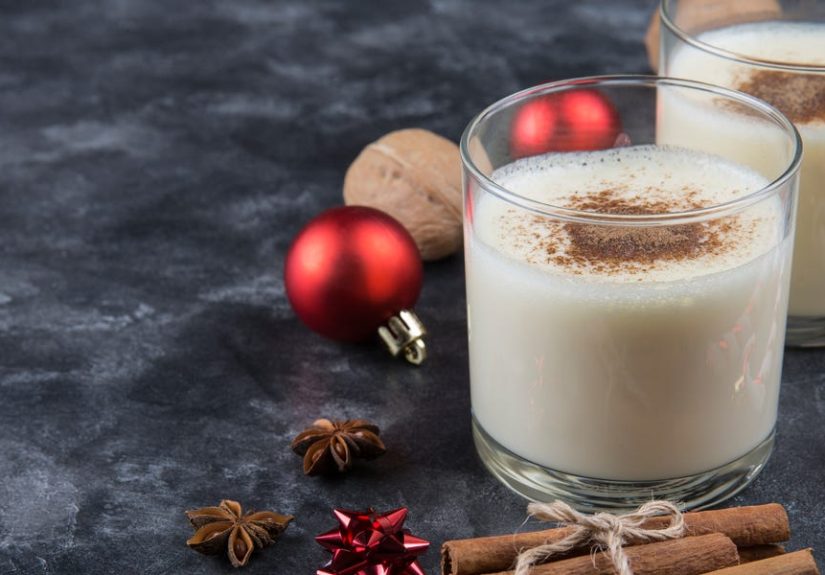
Stir or whisk the chilled eggnog before serving. Pour into small glasses or mugs, top with a little whipped cream if you like, and finish with another light grating of nutmeg. Serve it with cookies, pie, or the confidence of someone who just made a classic holiday drink from scratch.
Tips for Making the Best Old-Fashioned Eggnog
Use Gentle Heat
High heat is the villain in many eggnog tragedies. If the dairy mixture boils or the eggs cook too quickly, the texture can become lumpy. Low and slow wins the race here.
Do Not Skip the Chill Time
Freshly made eggnog is good. Chilled eggnog is better. After a few hours in the refrigerator, the flavor becomes smoother, the spice feels more balanced, and the texture thickens beautifully.
Grate Nutmeg Fresh if Possible
This one small step can make your homemade eggnog taste dramatically more fragrant. Fresh nutmeg has a warm, woodsy aroma that bottled spice rarely matches.
Make It Rich, Not Heavy
Eggnog should feel luxurious, but not like a dairy dare. Keep a balance between milk and cream so the drink stays silky and sippable.
Strain for a Smoother Finish
Even if your custard looks perfect, straining gives the final drink a cleaner, more elegant texture. Grandma might have eyeballed it. You get to use a fine-mesh sieve and sleep peacefully.
Common Eggnog Mistakes to Avoid
The biggest mistake is overheating the custard base. Once eggs go from “thickened” to “scrambled,” there is no magical holiday wand that fixes it.
Another mistake is over-spicing the mixture. Nutmeg should smell inviting, not storm in like it owns the entire recipe. Start modestly and add more at serving time.
Using low-fat dairy can also make the drink taste thin and slightly sad. If you are making traditional eggnog, let it be traditional. This is not the moment for skim milk bravery.
Finally, many people serve eggnog too soon. The flavor right after cooking is fine, but once chilled, it becomes rounder, calmer, and much more like the classic eggnog recipe people remember.
Why the Cooked Method Is the Smart Choice
Some vintage recipes use raw eggs, and some modern versions still do. But a cooked eggnog base is easier to trust, easier to serve to family, and much more practical for a holiday table. It delivers all the richness of traditional eggnog while giving you a smoother, more consistent result.
Better yet, the cooked method tastes wonderfully homemade. It has that gentle custard flavor many people associate with holiday desserts, Sunday baking, and a kitchen full of warm windows and louder-than-necessary relatives.
A Brief Look at Eggnog’s Cozy History
Eggnog has deep holiday roots. It evolved from older milk-and-egg drinks associated with winter celebrations, then took on a life of its own in America. Over time, it became a Christmas classic, especially in homes where recipes were passed around on cards, scraps of paper, and memory alone.
That is part of what makes the phrase “like Grandma’s recipe” so powerful. It does not just describe ingredients. It describes a mood. It means the drink is homemade, generous, a little old-fashioned, and made with the kind of patience that says, “Sit down, you look cold.”
How to Serve Homemade Eggnog
Serve eggnog cold in small glasses, teacups, or little punch cups. It is rich, so smaller portions feel special rather than overwhelming. A sprinkle of nutmeg on top is classic, and a small spoonful of whipped cream makes it look like you really planned your life.
Homemade eggnog pairs beautifully with ginger cookies, sugar cookies, pecan pie, spice cake, or plain shortbread. It also works well as part of a holiday brunch next to cinnamon rolls, baked French toast, or pancakes. Basically, if the food smells like butter, spice, or joy, eggnog will probably get along with it.
How to Store Leftover Eggnog
Keep leftover eggnog refrigerated in a covered container and stir well before serving again. Because it is dairy-based and egg-based, it is best enjoyed while fresh. If it thickens in the refrigerator, whisk in a splash of cold milk before serving to loosen it slightly.
Conclusion
Learning how to make eggnog like Grandma’s recipe is really about learning how to slow down and trust the classics. A good homemade eggnog does not need flashy ingredients or clever reinvention. It needs eggs, milk, cream, sugar, spice, and a little patience. That is the beauty of it.
Once you make this old-fashioned eggnog recipe from scratch, you may discover that the best part is not just the taste. It is the ritual: warming the milk, whisking the yolks, grating the nutmeg, and opening the refrigerator later to find a pitcher of holiday comfort waiting for you. That is more than a recipe. That is a tradition in a glass.
Experiences That Make Homemade Eggnog Feel So Special
There is something strangely emotional about making homemade eggnog, even if you are normally the type of person who treats holiday cooking like a tactical operation. You start with eggs and milk and sugar, and suddenly the whole kitchen feels different. The air changes first. Nutmeg has a way of announcing itself like a cheerful guest who never bothers knocking. Then the vanilla joins in. Then the warm dairy starts sending out that sweet, familiar smell that makes people wander into the kitchen asking, “What are you making?” even though they absolutely already know.
For many people, eggnog is not just a holiday drink. It is a memory trigger in a mug. It brings back crowded kitchens, hand-me-down recipe cards, slightly crooked Christmas trees, and the sound of someone opening the good cabinet for the good glasses. Even people who only drink eggnog once a year tend to talk about it with surprising seriousness, as if it were less of a beverage and more of an annual family ceremony with nutmeg on top.
One of the nicest things about making eggnog from scratch is that it slows the room down. You cannot really rush it. You whisk, warm, temper, stir, chill, and wait. It asks you to pay attention. In a season where everything can start feeling loud, fast, and glitter-powered, that is part of the charm. Homemade eggnog is a quiet recipe. It does not shout. It just fills the kitchen with the kind of comfort that makes everybody linger a little longer.
It also has a way of creating tiny traditions. Maybe someone always grates the nutmeg. Maybe one person insists on testing the thickness with a spoon like they are hosting a cooking show no one asked for. Maybe the youngest person in the house gets whipped cream duty and takes the responsibility far too seriously. Those little rituals become part of the recipe, too.
And then there is the first sip. That is the moment when all the work pays off. The texture is cool and silky, the spice is warm and fragrant, and the flavor lands somewhere between dessert and comfort food. It tastes festive without being fussy. It tastes old-fashioned in the best possible way. It tastes like winter evenings, shared stories, and someone telling you to take another cookie because apparently that is now your destiny.
Maybe that is why grandma-style eggnog stays popular. It is not trendy, and it is not trying to reinvent itself every five minutes. It simply does what all great family recipes do: it shows up, tastes wonderful, and makes ordinary moments feel a little more meaningful. That is a pretty impressive achievement for a drink made mostly of eggs, milk, sugar, and seasonal confidence.