Table of Contents >> Show >> Hide
- What Makes Irish Stew “Irish” (and Not Just “Stew With Vibes”)?
- Ingredients for a Hearty Irish Stew (Serves 6)
- Best Meat for Irish Stew (Yes, This Matters)
- Potatoes: The Secret Thickener Hiding in Plain Sight
- Equipment You’ll Want (Nothing Fancy)
- Step-by-Step: How to Make Hearty Irish Stew
- 1) Season and (Optionally) Flour the Lamb
- 2) Brown the Lamb (Or Don’tBut Here’s Why You Might)
- 3) Sweat the Onions (and Leeks) Until Sweet
- 4) Deglaze and Build the Broth
- 5) Simmer Gently Until the Lamb Starts to Tenderize
- 6) Add Carrots and Potatoes at the Right Time
- 7) Adjust Thickness Like a Pro
- 8) Finish With Fresh Herbs and Taste for Seasoning
- How to Make It Extra Flavorful (Without Turning It Into Something Else)
- Common Mistakes (and How to Avoid Stew Sadness)
- Variations: Make It Yours (Without Starting a Stew Civil War)
- What to Serve With Irish Stew
- Make-Ahead, Storage, and Freezing Tips
- FAQ: Quick Answers for Hungry People
- Closing Thoughts
- Experience: The Little Things That Make Irish Stew Feel Like a Tradition
Irish stew is the culinary equivalent of a warm hug that also pays your rent. It’s cozy, deeply savory, and built on a short list of hardworking ingredientsmeat, potatoes, onions, and patience. The “hearty” part isn’t just about portion size (though no one is judging a second bowl). It’s about building layers of flavor so your stew tastes like it has a backstory.
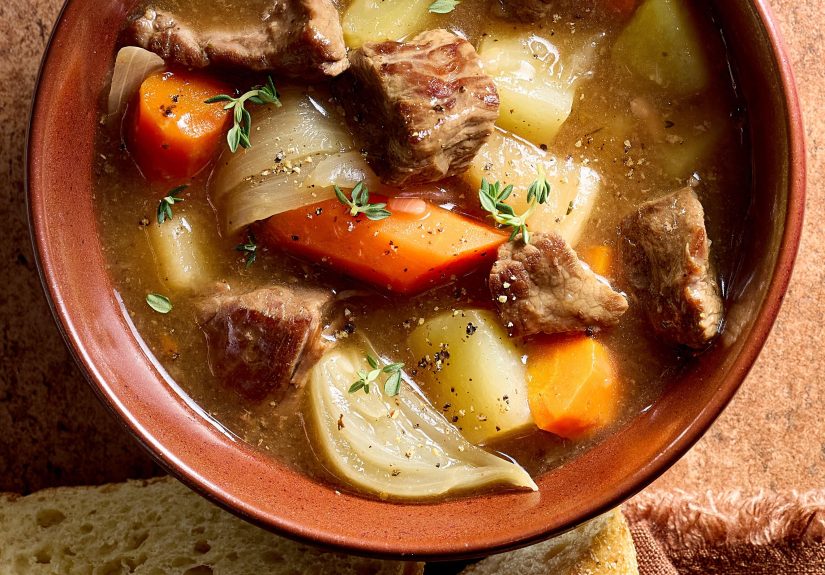
Traditionally, Irish stew leans on lamb (or mutton), potatoes, and onions, simmered low and slow until everything is tender and the broth turns silky. Modern American kitchens often add carrots, herbs, and sometimes a splash of stout. None of these choices are wrong. The goal is simple: a thick, spoon-coating stew with meat that yields without a fight and potatoes that taste like they were born to be there.
What Makes Irish Stew “Irish” (and Not Just “Stew With Vibes”)?
At its core, Irish stew is about restraint and comfort. You’re not trying to make a spice bazaar in a pot; you’re aiming for clean, honest flavor built from good ingredients and careful cooking. The most recognizable signatures:
- Lamb or mutton (beef is common in the U.S., but lamb is the classic choice)
- Potatoes that thicken the broth naturally as some break down
- Onions (sometimes leeks too)
- Gentle simmering (no raging boilthis is stew, not a jacuzzi)
Ingredients for a Hearty Irish Stew (Serves 6)
This version balances tradition with practical American grocery-store reality. It uses lamb shoulder for rich flavor, a mix of potatoes for the right texture, and a few optional additions that deepen the stew without hijacking it.
Main Ingredients
- 2 1/2 to 3 pounds lamb shoulder, cut into 2-inch chunks (trim big, hard pieces of fat)
- 2 teaspoons kosher salt (plus more to taste)
- 1 teaspoon black pepper
- 2 to 3 tablespoons all-purpose flour (optional, for extra-thick stew)
- 2 tablespoons neutral oil or a mix of oil and butter
- 2 large onions, sliced or chopped (your choice: slices = more traditional, chop = faster melting)
- 2 medium leeks, sliced and rinsed well (optional but excellent)
- 3 to 4 cloves garlic, minced (optional, but welcome)
- 3 to 4 carrots, cut into large chunks
- 2 1/2 pounds potatoes, cut into big chunks (see potato notes below)
- 4 cups stock (chicken or beef) or a mix of stock and water
- 2 bay leaves
- 1 to 2 teaspoons dried thyme (or a few fresh sprigs)
- 1/2 cup chopped parsley (stir in at the end)
Optional “Hearty Mode” Add-Ins
- 1/2 cup pearl barley (adds body and a cozy chew)
- 1 cup stout (like Guinness) in place of 1 cup stock (adds roasted depth)
- 2 to 3 strips bacon, chopped (render first for smoky richness)
- 1 tablespoon tomato paste (tiny amount, big payoff)
- Worcestershire sauce (a teaspoon or two for extra savory depth)
- Thinly sliced cabbage added near the end (old-school, if you like it)
Best Meat for Irish Stew (Yes, This Matters)
For the most satisfying, spoon-tender stew, choose a cut with connective tissue and fat that can melt into the broth. Lamb shoulder is the MVP: flavorful, forgiving, and built for slow cooking. Lamb shanks and neck are also fantastic, especially if you like bone-in depth. If you only find “stew meat,” check that it’s not suspiciously leanlean meat can turn dry, even in a wet environment. Stew is not a tanning salon for protein.
Potatoes: The Secret Thickener Hiding in Plain Sight
Irish stew gets its signature body partly from potatoes. Here’s the move: use a potato that holds its shape for chunks (like Yukon Gold), and let a small portion break down to thicken the broth. If you want extra thickness without flour, you can mash a few potato pieces against the side of the pot late in cooking, or grate a small russet potato into the pot early so it dissolves into the broth.
Equipment You’ll Want (Nothing Fancy)
- A heavy pot or Dutch oven (5–7 quart)
- A sturdy spoon (for scraping up the flavorful browned bits)
- A sharp knife and cutting board
- Patience (not sold in stores, unfortunately)
Step-by-Step: How to Make Hearty Irish Stew
1) Season and (Optionally) Flour the Lamb
Pat the lamb drydry meat browns better. Season with salt and pepper. If you like a thicker stew and a little extra browning, toss the lamb with flour. This helps the exterior brown and later thickens the broth. If you prefer a lighter, more traditional broth, skip the flour.
2) Brown the Lamb (Or Don’tBut Here’s Why You Might)
Heat oil in your Dutch oven over medium-high heat. Brown the lamb in batches so the pot stays hot and the meat sears instead of steaming. You’re not cooking it throughjust building flavor. Transfer browned lamb to a plate.
Tradition note: some classic Irish stew methods skip browning for a pale, gentle broth. Browning is a modern choice that adds roastier depth. If you want the best of both worlds, do a light sear rather than a deep, dark crust.
3) Sweat the Onions (and Leeks) Until Sweet
Lower heat to medium. Add onions (and leeks if using) with a pinch of salt. Cook, stirring, until softened and lightly goldenabout 8–12 minutes. Add garlic for the last 30 seconds, just until fragrant. If using tomato paste, stir it in and cook for 1 minute to caramelize slightly.
4) Deglaze and Build the Broth
Pour in a splash of stock (or stout, if using) and scrape the bottom of the pot to lift the browned bits. Those bits are flavor. Put them back where they belong: in your dinner.
Return the lamb (and any juices) to the pot. Add the remaining stock, bay leaves, and thyme. If using pearl barley, add it now.
5) Simmer Gently Until the Lamb Starts to Tenderize
Bring the pot just to a simmer, then reduce heat to low. Cover and cook at a bare simmersmall bubbles, not a rolling boil. Cook for about 60–75 minutes, stirring occasionally. If foam or excess fat rises, skim it. Skimming is optional, but it helps keep the flavor clean.
6) Add Carrots and Potatoes at the Right Time
Add carrots and potatoes after the lamb has had a head start. This helps the vegetables keep their shape and prevents the potatoes from turning into accidental mashed potatoes. Simmer, covered, another 45–60 minutes, or until the lamb is fork-tender and the potatoes are cooked through.
7) Adjust Thickness Like a Pro
Your stew should look like a stew, not soup cosplaying as stew. If it’s thinner than you want:
- Potato mash method: mash a few potato chunks against the side of the pot and stir them in.
- Rest method: turn off heat and let the stew sit 10 minutes; it thickens as it cools slightly.
- Flour slurry method: whisk 1 tablespoon flour with 2 tablespoons cold water, stir in, and simmer 5 minutes.
If it’s too thick, add a splash of hot stock or water until it’s spoon-friendly.
8) Finish With Fresh Herbs and Taste for Seasoning
Stir in chopped parsley right before serving. Taste and adjust salt, pepper, and (if you’re using it) Worcestershire. Remove bay leaves and thyme stems if you used fresh sprigs.
How to Make It Extra Flavorful (Without Turning It Into Something Else)
If you want “hearty” in the sense of “I can hear this stew humming,” try one of these:
- Bacon starter: render chopped bacon, brown lamb in the fat, then proceed.
- Stout swap: replace 1 cup of stock with stout for roasted notes.
- Barley boost: add pearl barley for body and a thicker, cozier texture.
- Herb balance: thyme and bay are classic; a tiny bit of rosemary is powerfuluse a light hand.
Common Mistakes (and How to Avoid Stew Sadness)
Boiling the stew
A hard boil can make meat tough and cloud the broth. Keep it at a gentle simmersmall bubbles, calm energy.
Overcrowding during browning
If you pile meat into the pot, it steams and turns gray. Brown in batches and let the pot stay hot.
Adding potatoes too early
Potatoes can break down completely if simmered too long, especially if they’re starchy. Give the lamb a head start.
Variations: Make It Yours (Without Starting a Stew Civil War)
Irish Beef Stew
Beef is a popular American adaptation. Use well-marbled chuck and cook until tender. Beef pairs especially well with stout.
Slow Cooker Irish Stew
Brown the meat and onions first for better flavor, then transfer to the slow cooker with stock, herbs, and carrots. Add potatoes later if you can (or cut them large). Cook on Low 7–8 hours or High 4–5 hours.
Instant Pot / Pressure Cooker
Pressure cooking can get you tender stew faster. Brown first using the sauté function, then pressure cook the lamb with broth and herbs. Add potatoes and carrots and cook briefly at pressure (or simmer after) so they don’t disintegrate.
Gluten-Free
Skip flour and thicken with potatoes (mash method) or a cornstarch slurry at the end.
What to Serve With Irish Stew
- Irish soda bread (ideal for dunking and very serious business)
- Butter (because bread deserves a plus-one)
- Simple greens like sautéed cabbage or kale
- Pickles or something acidic to balance the richness
Make-Ahead, Storage, and Freezing Tips
Stew often tastes better the next day. As it rests, the flavors marry, the broth thickens, and everything becomes more itself. Cool leftovers, refrigerate up to 4 days, and reheat gently. If you want to reduce surface fat, chill overnight and lift off the solidified layer before reheating.
Irish stew freezes well. Freeze in portions for up to 3 months. Thaw overnight in the fridge and reheat slowly, adding a splash of stock if it thickens too much.
FAQ: Quick Answers for Hungry People
Do I have to use lamb?
No. Lamb is traditional, but beef versions are common in the U.S. Choose a cut that’s meant for slow cooking, like chuck.
Is Guinness required?
Not at all. It’s an optional flavor layer. A good stew can be made with stock and water alone.
How do I know when the lamb is done?
When a fork slides in easily and the meat feels tender, not chewy. If it’s still tough, it usually needs more time at a gentle simmer.
Closing Thoughts
Hearty Irish stew is less about strict rules and more about good choices: a flavorful cut of meat, potatoes that do double duty, and a calm simmer that turns humble ingredients into something quietly magnificent. Make it on a cold night, make it for friends, and don’t be surprised if the pot mysteriously empties faster than anyone admits.
Experience: The Little Things That Make Irish Stew Feel Like a Tradition
The first time you make Irish stew, it feels almost too simplelike you’re getting away with something. You brown some meat (or don’t), slice onions, chop potatoes, pour in stock, and then… you wait. That waiting is where the magic happens, and also where you start doing the classic “lid peek” every twelve minutes like the stew might suddenly become a different stew when you’re not looking.
I’ve learned that the real skill isn’t fancy technique; it’s knowing when to stop messing with it. Irish stew rewards calm cooking. If you keep the heat gentle, the broth stays clear-ish, the flavors stay clean, and the meat slowly shifts from “this is chewy” to “did it just melt?” The first time you hit that perfect tendernesswhen a chunk of lamb gives up with a nudge of the spoonyou’ll understand why people make this dish on purpose, not just because it’s March and someone bought a shamrock headband.
Potatoes are the other big lesson. Early on, I treated them like any stew vegetable: toss them in at the beginning and call it a day. The result was delicious, but the potatoes had basically dissolved into a thick porridge (not a tragedy, but also not the goal if you want those satisfying chunks). Now I think of potatoes in roles: some are there to hold shape, and some are there to do the behind-the-scenes work of thickening the broth. When you intentionally let a few pieces break downor you mash a handful into the liquid near the endthe stew suddenly tastes more “finished,” like it has structure instead of just ingredients floating around at a party.
I also learned that seasoning happens in stages. If you salt aggressively at the start, you can end up chasing saltiness later as the liquid reduces a bit and flavors concentrate. But if you under-salt, everything tastes oddly flat even if the ingredients are great. The sweet spot is light seasoning early, then tasting and adjusting near the end. And that final handful of parsley? It’s not optional once you try it. It makes the whole pot taste brighter, like someone opened a window in the kitchen.
The best Irish stew experiences usually happen the next day. The stew thickens slightly overnight, the flavors knit together, and suddenly it tastes like you had help from someone’s Irish grandmothereven if the closest you’ve been to Ireland is a pub with questionable karaoke. Reheating it gently and adding a splash of stock to loosen it back up is a small ritual that makes weekday dinners feel intentional. There’s also something satisfying about serving it with bread and watching everyone quietly stop talking for a minute because they’re too busy dunking and chewing. If a recipe can create that kind of silence, it’s doing something right.
Finally, Irish stew taught me that “hearty” doesn’t mean heavy-handed. You don’t need a dozen seasonings or complicated steps. You need good ingredients, a steady simmer, and the confidence to let a humble pot of meat, potatoes, and onions become more than the sum of its parts. When it’s done well, Irish stew doesn’t just fill you upit makes you feel looked after. And honestly, we could all use a little more of that.