
Table of Contents >> Show >> Hide
- What Is Homemade Brandy?
- Homemade Brandy vs. Fruit Liqueur: What’s the Difference?
- The Best Fruits for Homemade Brandy
- Best Homemade Brandy Recipe
- Flavor Variations
- How Long Does Homemade Brandy Need to Age?
- How to Make Homemade Brandy Taste Better
- Serving Ideas
- Storage Tips
- Common Mistakes to Avoid
- Can You Make Brandy from Homemade Wine?
- Experience Notes: What Homemade Brandy Teaches You
- Conclusion
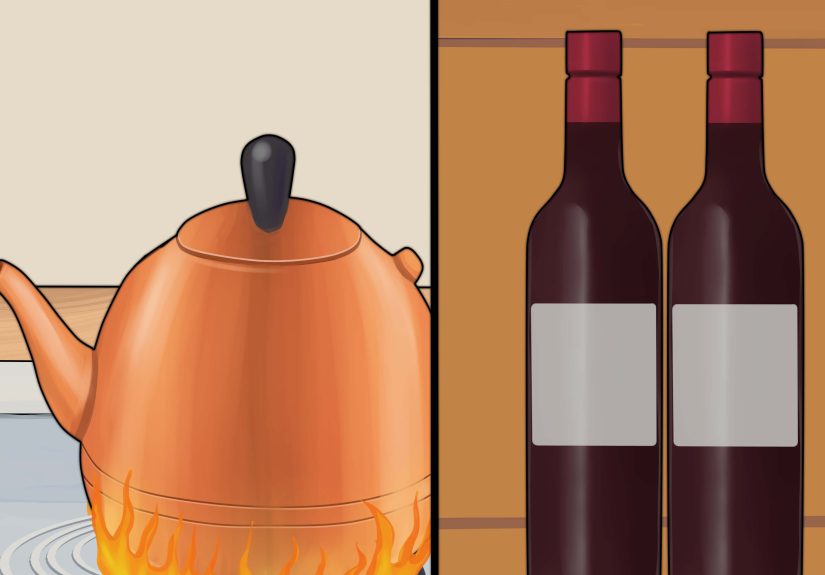
Homemade brandy sounds like something your charming great-uncle would produce from a mysterious shed, a bushel of apples, and a wink. But before we get too cinematic, let’s be clear: traditional brandy is a distilled spirit made from fermented fruit wine, and distilling alcohol at home can be illegal and dangerous without the proper permits, equipment, training, and local approvals. So this guide focuses on the best practical homemade brandy recipe for home cooks: a rich, fruit-forward brandy-style infusion made with quality store-bought brandy, ripe fruit, sugar, spices, and patience.
The result is smooth, aromatic, deeply fruity, and perfect for sipping, gifting, cooking, or stirring into cocktails. It gives you the pleasure of a homemade bottle without turning your kitchen into a questionable science fair. Think peach brandy, apple brandy, cherry brandy, or mixed fruit brandy with warm vanilla and spice. It is simple, customizable, and surprisingly elegant.
What Is Homemade Brandy?
Classic brandy is made by fermenting fruit juice into wine and then distilling that wine into a stronger spirit. Grapes are the most famous base, but apples, pears, peaches, plums, apricots, and cherries can also be used. Cognac and Armagnac are famous grape brandies from specific regions of France, while apple brandy has a long tradition in both Europe and the United States.
For the home kitchen, however, the safest and most realistic version is infused brandy. Instead of distilling fermented fruit, you steep fresh fruit, sugar, and flavorings in finished brandy. Over several weeks, the alcohol extracts color, aroma, sweetness, and fruit character. The finished drink tastes homemade because it is homemade, but it does not require a still, a permit application, or a nervous conversation with your insurance company.
Homemade Brandy vs. Fruit Liqueur: What’s the Difference?
A fruit brandy infusion and a fruit liqueur are close cousins. The main difference is sweetness and strength of fruit flavor. A brandy infusion usually keeps brandy as the star: warm, oaky, gently fruity, and not overly syrupy. A liqueur is typically sweeter and more dessert-like.
This recipe lands in the sweet spot. It has enough sugar to round the edges and help pull juices from the fruit, but not so much that it tastes like pancake syrup wearing a tiny hat. You can make it drier for sipping or sweeter for cocktails and desserts.
The Best Fruits for Homemade Brandy
The best homemade brandy recipe starts with ripe, flavorful fruit. Alcohol preserves flavor, but it does not magically fix bland fruit. If a peach tastes like wet cardboard before infusion, it will become brandy-flavored wet cardboard later. Choose fruit that smells fragrant and tastes good raw.
Peaches
Peach brandy is soft, floral, and sunny. Use ripe yellow peaches for classic flavor. White peaches are delicate and aromatic, but their subtle flavor can get lost unless you use plenty of fruit.
Apples
Apple brandy-style infusion is cozy and autumnal. Use a mix of sweet and tart apples such as Honeycrisp, Fuji, Gala, or Granny Smith. Add cinnamon, clove, and vanilla for a warm apple-pie character.
Cherries
Cherry brandy is bold, jewel-colored, and excellent in cocktails. Sweet cherries create a rounder flavor, while tart cherries bring brightness. Remove pits for a cleaner, safer, less bitter infusion.
Pears
Pear brandy infusion is elegant and fragrant. Bartlett, Anjou, and Bosc pears work well. A small strip of lemon zest helps wake up the pear flavor.
Plums or Apricots
Stone fruits make lush, jammy brandy. Plums add deep color and gentle tartness. Apricots bring honeyed perfume. Remove pits before steeping.
Best Homemade Brandy Recipe
This recipe makes about one quart of fruit-infused homemade brandy. It is flexible, forgiving, and easy to scale. The only hard rule is cleanliness. A clean jar is the difference between “lovely homemade gift” and “why is it fizzing like a tiny swamp?”
Ingredients
- 2 cups ripe fruit, washed, dried, pitted, and sliced
- 3 cups good-quality brandy, 80 proof or higher
- 1/2 cup granulated sugar, brown sugar, or honey
- 1 small strip orange or lemon zest, optional
- 1/2 vanilla bean or 1 teaspoon vanilla extract, optional
- 1 cinnamon stick, optional
- 2 whole cloves or 2 allspice berries, optional
- 1 clean quart-size glass jar with a tight-fitting lid
Step 1: Prepare the Jar
Wash the jar, lid, cutting board, knife, and any utensils with hot, soapy water. Rinse well and let everything dry completely. You do not need laboratory drama here, but you do want a clean setup. Fruit, sugar, and time are wonderful things; unwanted microbes also think so.
Step 2: Choose and Prep the Fruit
Wash the fruit thoroughly and pat it dry. Remove stems, bruised spots, pits, seeds, and cores. Slice larger fruit into wedges or chunks. Smaller fruit such as cherries can be halved. More cut surface means more flavor extraction, but do not mash the fruit into pulp unless you enjoy filtering cloudy brandy through what feels like a sweater.
Step 3: Layer Fruit and Sugar
Add the fruit to the jar and sprinkle the sugar over it. Let it sit for 20 to 30 minutes if you have time. This short rest helps draw out juice and begins building the syrupy base that will round out the brandy.
Step 4: Add Brandy and Flavorings
Pour the brandy over the fruit until everything is fully submerged. Add citrus zest, vanilla, cinnamon, cloves, or allspice if using. Keep spices modest. A cinnamon stick is charming; five cinnamon sticks taste like a craft store in December.
Step 5: Seal and Shake
Close the jar tightly and shake gently until the sugar begins to dissolve. Label the jar with the fruit, date, and any spices. Future you will appreciate this. Future you may not remember whether the jar contains cherry brandy or “experimental plum situation number three.”
Step 6: Infuse
Store the jar in a cool, dark place for 2 to 6 weeks. Shake it gently every few days during the first two weeks. Taste after 14 days. Soft fruits such as peaches and berries may be ready sooner, while apples, pears, and plums often benefit from a longer infusion.
Step 7: Strain
When the flavor is where you want it, strain the brandy through a fine-mesh sieve. For a clearer finish, strain again through cheesecloth or a coffee filter. Do not press the fruit aggressively unless you want a cloudier drink. The leftover fruit can be spooned over ice cream, folded into cake batter, or served with whipped cream for a dessert that says, “I planned this,” even if you absolutely did not.
Step 8: Bottle and Rest
Pour the strained brandy into a clean bottle. Let it rest for at least one week before serving. This short aging period helps the flavors settle and mingle. The difference between freshly strained and rested homemade brandy can be surprisingly big, like the difference between a rehearsal dinner toast and the polished wedding speech.
Flavor Variations
Apple Cinnamon Homemade Brandy
Use 2 cups sliced apples, 1 cinnamon stick, 1 strip orange zest, and brown sugar instead of white sugar. This version tastes like fall in a glass and works beautifully in hot toddies.
Peach Vanilla Brandy
Use ripe peaches, honey, and half a vanilla bean. This is one of the smoothest homemade brandy recipes for beginners because peach and brandy are natural friends.
Cherry Almond Brandy
Use pitted cherries and add 1/4 teaspoon almond extract after straining. Add extract carefully; almond flavor walks into the room loudly and does not apologize.
Pear Ginger Brandy
Use sliced pears, a thin slice of fresh ginger, and a strip of lemon zest. This version is bright, fragrant, and excellent with sparkling water.
Holiday Spiced Brandy
Use apples, pears, orange zest, cinnamon, allspice, and a small piece of vanilla bean. Sweeten with brown sugar or maple syrup for a festive bottle that makes a thoughtful homemade gift.
How Long Does Homemade Brandy Need to Age?
Most fruit-infused brandy tastes good after 2 to 6 weeks of steeping, plus one extra week of resting after straining. A longer rest in the bottle can smooth the flavor even more. Stronger spices should be removed earlier if they start to dominate. Fruit can stay in longer, but after several weeks it may begin to taste dull or over-extracted.
For a balanced first batch, aim for 4 weeks of infusion and 1 week of bottle rest. That timeline gives the fruit enough time to shine without turning your brandy into a murky fruit basement.
How to Make Homemade Brandy Taste Better
Great homemade brandy is about balance. Alcohol brings warmth, fruit brings aroma, sugar softens the edges, and acidity keeps everything lively. If your brandy tastes flat, add a small strip of citrus zest during infusion or a few drops of lemon juice after straining. If it tastes harsh, let it rest longer or add a touch more syrup. If it tastes too sweet, blend in more plain brandy.
Use Decent Brandy
You do not need the most expensive bottle on the shelf, but avoid anything that tastes rough on its own. Infusion improves flavor, but it is not a magician with a wand. A mid-range brandy gives the best value.
Do Not Overload the Spices
Spices should support the fruit, not tackle it. Start with one cinnamon stick, one small piece of vanilla, or two whole cloves. You can always add more in a later batch.
Sweeten Slowly
Sugar level is personal. Start with 1/2 cup per quart. After straining, taste and adjust with simple syrup if needed. To make simple syrup, dissolve equal parts sugar and water, cool completely, and add a tablespoon at a time.
Serving Ideas
Homemade brandy is excellent neat in a small glass, especially after dinner. It also shines in cocktails. Try apple cinnamon brandy with ginger beer and lemon. Mix cherry brandy with bourbon and bitters for a deep, fruit-forward drink. Add peach brandy to iced tea for a porch-friendly cocktail that tastes like summer learned manners.
You can also cook with it. Splash pear brandy into a pan sauce for pork chops. Brush peach brandy over pound cake. Stir cherry brandy into chocolate ganache. Add apple brandy to caramel sauce. Once you have a bottle in the kitchen, recipes start volunteering themselves.
Storage Tips
Store strained homemade brandy in a clean, tightly sealed bottle in a cool, dark place. For best flavor, enjoy it within 6 to 12 months. If you added lots of fresh juice or reduced the alcohol significantly with syrup, refrigeration is a smart choice. Always discard any batch that smells rotten, looks moldy, becomes unexpectedly fizzy, or develops pressure in the bottle.
Common Mistakes to Avoid
Using Wet Fruit
After washing fruit, dry it well. Extra water can dilute flavor and reduce the quality of the infusion.
Leaving Bruised or Moldy Spots
Cut away bruised areas and never use moldy fruit. Alcohol is not a permission slip for questionable produce.
Rushing the Infusion
Two weeks can work, but four weeks is usually better. Homemade brandy rewards patience, which is rude but true.
Adding Too Much Sugar at the Start
Over-sweetening is harder to fix than under-sweetening. Begin modestly and adjust later.
Trying to Distill Without Proper Authorization
Traditional brandy involves distillation, but this article does not provide distilling instructions. If you want to explore true distilled brandy, research federal, state, and local requirements and work only within the law with proper permits and professional-grade safety practices.
Can You Make Brandy from Homemade Wine?
In a traditional production sense, brandy begins as fruit wine. Yeast ferments sugars into alcohol, creating a wine base that can later be distilled in licensed settings. Home winemakers may legally make limited amounts of wine for personal or family use under federal rules, depending on household size and local law. However, turning that wine into brandy by distillation is a separate legal and safety issue.
If you already make fruit wine at home, you can still borrow brandy-inspired flavors without distilling. For example, you can make a strong-tasting apple wine, age it with toasted oak chips designed for winemaking, and serve it as a fortified-style dessert wine. Or you can blend a small amount of homemade fruit wine with purchased brandy to make a cocktail ingredient. The key is to avoid unpermitted distillation.
Experience Notes: What Homemade Brandy Teaches You
The first thing you learn when making homemade brandy-style infusions is that fruit has a personality. Peaches are generous and quick. Cherries are dramatic, staining everything with deep red confidence. Apples are slower and more reserved, but once they open up, they bring comfort and warmth. Pears are quiet at first, then suddenly elegant. Plums can be moody in the best way, giving color, tartness, and a jam-like finish.
One of the most useful experiences is tasting the batch weekly. At week one, the brandy may taste sharp, with fruit floating around the edges. By week two, the aroma starts to bloom. By week four, the drink often feels rounder and more integrated. This teaches patience better than any lecture could. You begin to understand that flavor extraction is not instant. It is a slow handshake between alcohol and fruit.
Another lesson is that small changes matter. A single strip of orange zest can make apple brandy taste brighter. Half a vanilla bean can turn peach brandy silky. One extra clove, unfortunately, can make the entire batch taste like a dentist’s holiday candle. The best approach is restraint. Add fewer spices than you think you need, then adjust in the next batch. Homemade brandy is part recipe, part notebook, part delicious trial and error.
Cleanliness also becomes second nature. The process is not difficult, but clean jars and clean tools make the final drink taste fresher. You learn to inspect fruit carefully, remove bruises, dry everything well, and label every jar. Labeling sounds boring until you discover three mysterious amber bottles in a cabinet and have to play “guess the fruit” like a very niche game show.
The most rewarding part is sharing the finished bottle. Homemade brandy feels personal. A small bottle of cherry brandy given during the holidays or peach brandy brought to a summer dinner has a charm that store-bought gifts rarely match. It tells people you planned ahead, even if your plan was mostly “put fruit in brandy and wait.” Serve it in tiny glasses after dinner, drizzle it over dessert, or use it in cocktails. People will ask how you made it, and you can smile like a kitchen wizard who also follows reasonable safety rules.
After a few batches, you will likely develop a house style. Maybe you prefer drier apple brandy with cinnamon and citrus. Maybe your signature becomes dark cherry brandy with just a whisper of almond. Maybe you discover that pear and ginger deserve their own fan club. That is the beauty of this recipe: once you understand the basic ratio of fruit, brandy, sugar, and time, you can make it your own.
Conclusion
Learning how to make homemade brandy does not have to mean building a still or wandering into legal gray areas. The best home recipe is a fruit-infused brandy that captures the spirit of traditional brandy making while staying practical for the modern kitchen. Start with good brandy, ripe fruit, a clean jar, light sweetness, and a little patience. In a few weeks, you will have a smooth, aromatic homemade drink that tastes thoughtful, seasonal, and far more impressive than the effort required.
Whether you choose peach vanilla, apple cinnamon, cherry almond, pear ginger, or holiday spice, the formula is easy to customize. Make one batch for sipping and another for gifting. Keep notes, taste as you go, and let time do the heavy lifting. Homemade brandy-style infusion is proof that sometimes the best recipe is not the most complicated one. Sometimes it is just fruit, brandy, and the self-control not to open the jar every day.




 Close
Close