
Table of Contents >> Show >> Hide
- What Is Plant-Based Meat?
- The Homemade Plant-Based Meat Formula
- Essential Ingredients for Vegan Ground Beef
- Recipe: Easy Vegan Ground Beef
- Whole-Food Vegan Ground Beef With Lentils and Mushrooms
- Tofu and Tempeh Ground Meat
- How to Make Plant-Based Burger Patties
- How to Make Vegan Meatballs
- How to Make Vegan Sausage Crumbles
- How to Make Seitan-Style Plant-Based Meat
- Texture Tips That Make Vegan Meat Taste Better
- Nutrition Notes: Is Homemade Plant-Based Meat Healthy?
- Food Safety and Storage
- Flavor Variations for Vegan Ground Beef
- Common Mistakes to Avoid
- Experience Section: What Making Plant-Based Meat at Home Actually Feels Like
- Conclusion
Plant-based meat used to mean a sad veggie patty hiding under lettuce like it owed somebody money. Not anymore. Today, homemade vegan ground beef can be juicy, savory, chewy, smoky, and bold enough to survive taco night, spaghetti sauce, sloppy joes, chili, lasagna, stuffed peppers, lettuce wraps, and that suspiciously competitive family cookout where everyone suddenly becomes a grill philosopher.
The good news? You do not need a food laboratory, a white coat, or a machine that sounds like it belongs in a superhero origin story. To make convincing plant-based meat at home, you need to understand the basic formula: protein for structure, fat for richness, moisture for juiciness, umami for depth, and a binder to keep everything from turning into flavorful gravel.
This guide explains how to make plant-based meat from everyday ingredients, including textured vegetable protein, lentils, mushrooms, tofu, tempeh, walnuts, beans, oats, vital wheat gluten, and seasonings that make your kitchen smell like dinner has a fan club. We will focus on vegan ground beef first, then move into patties, meatballs, taco crumbles, sausage-style mixtures, and other plant-based meat ideas you can customize at home.
What Is Plant-Based Meat?
Plant-based meat is food made from plants that is designed to cook, taste, chew, or behave like meat. Some versions are highly engineered, using isolated plant proteins, oils, starches, natural flavors, and binders. Homemade versions can be simpler and more flexible, using whole-food ingredients such as lentils, mushrooms, tofu, tempeh, beans, nuts, seeds, grains, and spices.
The goal is not to trick your grandmother into thinking a lentil is a cow. The goal is to create a satisfying savory protein that works in the same meals where ground beef, sausage, meatballs, burger patties, or shredded meat would normally appear.
The Homemade Plant-Based Meat Formula
Great vegan meat has layers. If you only mash beans and whisper “beef” at them, the result will taste like beans with emotional pressure. Instead, build your mixture with five core parts.
1. Protein: The Backbone
Protein gives plant-based meat its bite. Textured vegetable protein, also called TVP, is one of the easiest options for vegan ground beef because it hydrates quickly and has a naturally crumbly texture. Tofu can be pressed, crumbled, seasoned, and baked until chewy. Tempeh adds a nutty, fermented depth. Lentils bring heartiness and fiber. Vital wheat gluten creates a stretchy, seitan-like chew that is excellent for sausages and firmer patties.
2. Fat: The Flavor Carrier
Fat helps vegan meat taste rich instead of dry. Olive oil, avocado oil, refined coconut oil, vegan butter, tahini, nut butter, or finely chopped walnuts can all help. Refined coconut oil is popular in some plant-based meat because it firms when chilled and melts during cooking. For everyday home cooking, olive oil and walnuts are easier and taste fantastic.
3. Umami: The “Why Is This So Good?” Factor
Umami is the savory depth that makes meat taste meaty. Mushrooms, soy sauce, tamari, miso, tomato paste, nutritional yeast, smoked paprika, onion powder, garlic powder, and vegan Worcestershire sauce are your best friends here. If your vegan ground beef tastes flat, it probably needs more umami, salt, browning, or all three.
4. Binder: The Peacekeeper
A binder keeps everything together. For crumbles, you do not need much binding. For burgers, meatballs, or sausages, use oats, breadcrumbs, ground flaxseed mixed with water, mashed beans, chickpea flour, potato starch, cornstarch, or a small amount of vital wheat gluten. Without a binder, your burger may collapse in the skillet and become a vegan sloppy pile. Still tasty, but less photogenic.
5. Browning: The Flavor Upgrade
Browning is where the magic happens. A hot skillet, a little oil, and patience create crispy edges and roasted flavor. Do not stir every five seconds. Let the mixture sit long enough to develop color. The pan is not a dance floor; the crumbles do not need constant movement.
Essential Ingredients for Vegan Ground Beef
Here is a flexible pantry list for making plant-based meat at home:
- TVP: Best for fast, cheap, beef-style crumbles.
- Lentils: Best for hearty, whole-food ground meat.
- Mushrooms: Best for umami and moisture control.
- Walnuts: Best for richness and a slightly fatty bite.
- Tofu: Best for chewy baked crumbles.
- Tempeh: Best for nutty, high-protein texture.
- Vital wheat gluten: Best for firmer sausages, patties, and seitan-style meats.
- Soy sauce or tamari: Best for salt and savory depth.
- Miso paste: Best for deep, restaurant-style umami.
- Tomato paste: Best for color, acidity, and roasted sweetness.
- Smoked paprika: Best for grill-like flavor without standing outside pretending you enjoy mosquitoes.
Recipe: Easy Vegan Ground Beef
This vegan ground beef recipe is designed for tacos, pasta sauce, chili, rice bowls, nachos, stuffed peppers, casseroles, and meal prep. It uses TVP for chew, mushrooms for umami, walnuts for richness, and seasoning for a bold ground-beef-style flavor.
Ingredients
- 1 cup dry TVP granules
- 1 cup hot vegetable broth
- 1 tablespoon soy sauce or tamari
- 1 tablespoon vegan Worcestershire sauce
- 1 tablespoon tomato paste
- 1 teaspoon smoked paprika
- 1 teaspoon onion powder
- 1 teaspoon garlic powder
- 1/2 teaspoon ground cumin
- 1/2 teaspoon black pepper
- 1 cup finely chopped mushrooms
- 1/3 cup finely chopped walnuts
- 1 tablespoon olive oil
- 1 teaspoon miso paste, optional but recommended
- Salt to taste
Instructions
- Hydrate the TVP. In a bowl, combine TVP, hot vegetable broth, soy sauce, vegan Worcestershire sauce, tomato paste, smoked paprika, onion powder, garlic powder, cumin, and black pepper. Stir and let it sit for 10 minutes.
- Cook the mushrooms. Heat olive oil in a large skillet over medium-high heat. Add the mushrooms and cook until their moisture evaporates and the edges begin to brown.
- Add richness. Stir in the chopped walnuts and cook for 2 minutes. They should smell toasty, not burnt. Burnt walnuts taste like disappointment in formalwear.
- Brown the crumbles. Add the hydrated TVP mixture. Spread it out in the pan and let it cook undisturbed for a few minutes before stirring. Repeat until the crumbles have browned edges.
- Adjust the flavor. Stir in miso paste if using. Taste and add salt, pepper, smoked paprika, or soy sauce as needed.
- Use immediately or store. Add to tacos, pasta, chili, burritos, lettuce cups, nachos, or rice bowls.
Best Uses
This vegan ground beef works beautifully in taco filling, spaghetti Bolognese, shepherd’s pie, chili, sloppy joes, stuffed zucchini, enchiladas, breakfast hash, pizza topping, and loaded baked potatoes. Basically, anywhere ground beef used to show up wearing a tiny crown, this can take its place.
Whole-Food Vegan Ground Beef With Lentils and Mushrooms
If you want a less processed version, use lentils, mushrooms, and walnuts. Cooked brown or green lentils hold their shape better than red lentils, which are wonderful in soup but become mushy when asked to impersonate ground beef.
Ingredients
- 2 cups cooked brown or green lentils
- 2 cups finely chopped mushrooms
- 1/2 cup finely chopped walnuts or sunflower seeds
- 1 small onion, finely diced
- 2 cloves garlic, minced
- 1 tablespoon tomato paste
- 1 tablespoon soy sauce or tamari
- 1 teaspoon smoked paprika
- 1/2 teaspoon dried thyme
- 1 tablespoon olive oil
- Salt and pepper to taste
Method
Sauté the onion in olive oil until soft. Add mushrooms and cook until browned. Stir in garlic, tomato paste, soy sauce, smoked paprika, thyme, lentils, and walnuts. Cook until the mixture is thick, savory, and slightly dry. For finer crumbles, pulse half the mixture in a food processor, then stir it back into the skillet.
This version is excellent for chili, grain bowls, pasta sauce, and tacos. It tastes earthy, rich, and homemade in the best waythe kind of dinner that says, “Yes, I meal-prepped, but I still have a personality.”
Tofu and Tempeh Ground Meat
Tofu and tempeh make great vegan meat crumbles because they absorb flavor like tiny edible sponges with ambition. For tofu, choose extra-firm tofu, press it well, crumble it, season it heavily, and bake or pan-fry until chewy. For tempeh, steam it for 10 minutes first to mellow its bitterness, then crumble and season it.
A good tofu crumble marinade includes soy sauce, nutritional yeast, tomato paste, garlic powder, smoked paprika, olive oil, and a little maple syrup or brown sugar for browning. Spread the crumbles on a baking sheet and bake at 375 degrees Fahrenheit until firm and golden, stirring once or twice.
Tempeh crumbles work especially well in sloppy joes, vegan breakfast sausage, taco salad, and pasta sauce. They have a firmer bite than tofu and a nutty flavor that stands up to bold spices.
How to Make Plant-Based Burger Patties
Vegan burger patties need more structure than loose crumbles. The key is controlling moisture. Too wet, and the burger collapses. Too dry, and it tastes like a cork coaster from a sad conference room.
Basic Vegan Burger Formula
- 1 1/2 cups cooked beans or lentils
- 1 cup cooked grains, such as rice, quinoa, or barley
- 1 cup sautéed mushrooms or onions
- 1/2 cup walnuts, sunflower seeds, or oats
- 2 tablespoons ground flaxseed mixed with 5 tablespoons water
- 1 tablespoon soy sauce or tamari
- 1 tablespoon tomato paste
- Spices, salt, and pepper
Mash part of the beans for binding, but leave some whole for texture. Chill the mixture for at least 30 minutes before shaping. Cook patties in a hot skillet until browned on both sides. For grilling, make the patties firmer by adding breadcrumbs, oats, chickpea flour, or vital wheat gluten.
How to Make Vegan Meatballs
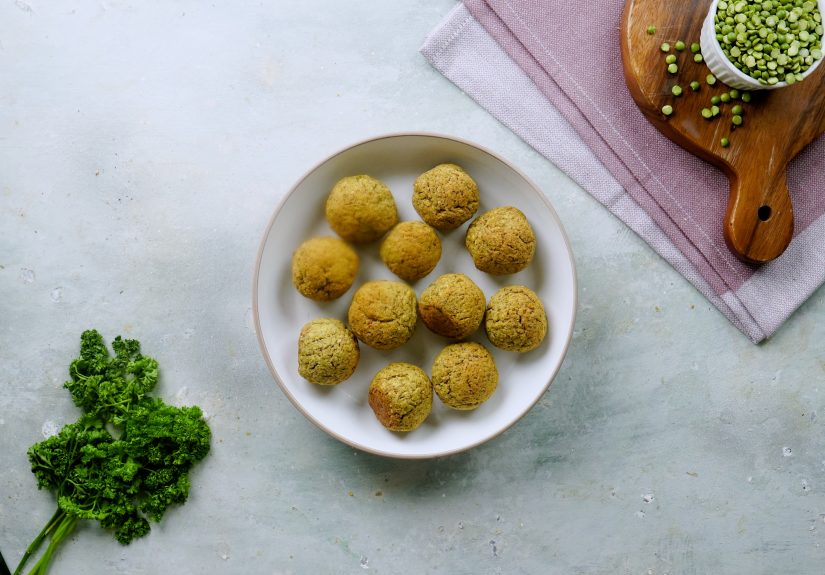
Vegan meatballs need tenderness plus structure. Lentils, mushrooms, oats, breadcrumbs, and ground flaxseed are a reliable team. Add garlic, parsley, nutritional yeast, soy sauce, and Italian seasoning for a classic flavor. Bake the meatballs first so they firm up, then simmer them briefly in sauce. Do not boil them aggressively unless you enjoy watching dinner disintegrate like a dramatic soap opera character.
How to Make Vegan Sausage Crumbles
For sausage-style plant-based meat, flavor is everything. Use tofu, tempeh, TVP, or lentils as the base, then season with fennel seeds, sage, thyme, garlic, black pepper, smoked paprika, red pepper flakes, and a touch of maple syrup. The fennel is what makes your brain say “sausage” before your fork has finished the paperwork.
Cook sausage crumbles until browned and slightly crisp. Use them on pizza, in breakfast burritos, with biscuits and vegan gravy, or folded into pasta with roasted vegetables.
How to Make Seitan-Style Plant-Based Meat
Seitan is made with vital wheat gluten, the protein in wheat. It has a chewy, meat-like texture and works well for deli slices, strips, sausages, and hearty cutlets. A basic seitan dough includes vital wheat gluten, chickpea flour or nutritional yeast, broth, soy sauce, oil, and spices. Knead lightly for a tender texture or more firmly for extra chew.
Steam or simmer seitan before browning it in a skillet. For “beefy” flavor, use mushroom broth, soy sauce, garlic, onion powder, black pepper, smoked paprika, and a little tomato paste. Seitan is not suitable for people who avoid gluten, but for those who can eat wheat, it is one of the most convincing homemade plant-based meats.
Texture Tips That Make Vegan Meat Taste Better
Dry Out Wet Ingredients
Mushrooms, tofu, beans, and lentils all hold water. Cook off excess moisture before combining ingredients. A dry surface browns better, and browning equals flavor.
Use More Seasoning Than You Think
Plant proteins are mild. They need confident seasoning. Soy sauce, miso, tomato paste, spices, herbs, and acids like vinegar or lemon juice help create balance.
Add Fat Strategically
A little fat makes plant-based meat feel juicy. Walnuts, olive oil, vegan butter, tahini, or refined coconut oil can improve richness. Just do not overdo it unless your goal is taco filling that needs its own lifeguard.
Let It Brown
Whether you are making TVP crumbles, tofu crumbles, burgers, or meatballs, browning is essential. Use medium-high heat, avoid overcrowding the pan, and give the food time to develop a crust.
Nutrition Notes: Is Homemade Plant-Based Meat Healthy?
Homemade plant-based meat can be a nutritious option, especially when it uses whole-food ingredients such as lentils, beans, mushrooms, tofu, tempeh, oats, nuts, and seeds. These ingredients can add fiber, plant protein, minerals, and satisfying texture. Compared with many store-bought vegan meats, homemade versions also let you control sodium, oil, additives, and portion size.
That said, “plant-based” does not automatically mean “health food wearing a halo.” A vegan burger loaded with salt and saturated fat is still something to enjoy thoughtfully. For balanced meals, serve plant-based meat with vegetables, whole grains, beans, greens, fruit, and sauces that bring flavor without turning the sodium dial to maximum chaos.
Food Safety and Storage
Even though homemade vegan meat does not contain animal meat, it still needs safe handling. Wash hands, keep cutting boards clean, refrigerate leftovers promptly, and avoid cross-contamination if your kitchen also handles animal products. Store cooked vegan ground beef in an airtight container in the refrigerator for up to 4 days, or freeze it for up to 3 months.
For best freezer results, cool the mixture completely, spread it flat in freezer bags, and label it with the date. Future you will appreciate this. Future you is tired and wants tacos.
Flavor Variations for Vegan Ground Beef
Taco-Style Crumbles
Add chili powder, cumin, smoked paprika, oregano, garlic, onion powder, tomato paste, and a splash of lime juice. Use in tacos, burritos, nachos, and taco salad.
Italian-Style Crumbles
Add basil, oregano, fennel, garlic, red pepper flakes, and tomato paste. Use in marinara sauce, lasagna, baked ziti, stuffed shells, and pizza.
Asian-Inspired Crumbles
Add soy sauce, ginger, garlic, sesame oil, rice vinegar, scallions, and a little brown sugar. Serve in lettuce cups, noodle bowls, fried rice, or dumpling filling.
BBQ Sloppy Crumbles
Add smoked paprika, tomato sauce, mustard, maple syrup, vinegar, and black pepper. Pile onto buns with pickles and slaw.
Common Mistakes to Avoid
Using too much liquid: Hydrate TVP carefully and cook off moisture from mushrooms and tofu. Wet mixtures steam instead of brown.
Skipping umami: Without soy sauce, miso, mushrooms, tomato paste, or nutritional yeast, vegan meat can taste dull.
Over-blending: A food processor is helpful, but too much blending turns texture into paste. Pulse gently.
Forgetting fat: Lean plant ingredients need a little richness. Add walnuts, oil, seeds, or tahini for a more satisfying bite.
Cooking at low heat: Low heat makes soft crumbles. Medium-high heat creates browned, flavorful edges.
Experience Section: What Making Plant-Based Meat at Home Actually Feels Like
The first time you make plant-based meat at home, it may feel slightly suspicious. You look at a bowl of TVP, lentils, mushrooms, or tofu and think, “Really? This is going to become taco filling?” It is a fair question. Dry TVP looks like breakfast cereal that chose a career in construction. Plain tofu looks innocent, almost too innocent. Lentils are delicious, but they do not exactly scream “burger night.” Then the skillet gets hot, the mushrooms start browning, the garlic hits the oil, the smoked paprika blooms, and suddenly the kitchen begins making promises.
The most surprising part is how much technique matters. The ingredients are simple, but the process changes everything. If mushrooms are dumped into a pan and stirred constantly, they release water and become soft. If they are given space and heat, they brown and develop a deep savory flavor. If tofu is tossed into sauce and served immediately, it tastes like tofu wearing a fake mustache. If it is pressed, crumbled, seasoned, and baked until chewy at the edges, it becomes a completely different ingredient.
Another real-life lesson: plant-based meat gets better when you stop treating it like a punishment. Some people approach vegan cooking as if flavor is cheating. It is not. Use the soy sauce. Add the miso. Toast the walnuts. Brown the tomato paste. Add a little oil. Taste as you cook. Add acid at the end. A squeeze of lime can wake up taco crumbles. A splash of balsamic vinegar can deepen Italian-style lentil meat. A spoonful of mustard can sharpen sloppy joe filling. Vegan food does not need to apologize for seasoning itself.
Homemade plant-based meat is also wonderfully practical. A batch of vegan ground beef can become tacos on Monday, pasta sauce on Tuesday, stuffed peppers on Wednesday, and loaded nachos by Friday. It freezes well, reheats quickly, and saves money compared with many store-bought alternatives. Once you learn the formula, you can adjust it based on what is in the pantry. No walnuts? Use sunflower seeds. No TVP? Use lentils. No mushrooms? Add extra tomato paste, miso, and smoked paprika. Cooking becomes less about copying and more about understanding.
The biggest win is flexibility. You can make the mixture cleaner, richer, spicier, softer, firmer, gluten-free, soy-free, nut-free, or meal-prep friendly. You can keep it rustic with lentils and mushrooms or make it more meat-like with TVP and vital wheat gluten. You can cook for vegans, vegetarians, flexitarians, curious meat-eaters, or that one uncle who says, “I’ll try it, but I’m not promising anything.” Serve him crispy vegan taco crumbles with salsa, avocado, and warm tortillas. He may not write a poem about it, but he will probably go back for seconds.
Conclusion
Learning how to make plant-based meat is less about copying beef exactly and more about building satisfying flavor and texture from smart ingredients. Vegan ground beef can be made with TVP for speed, lentils and mushrooms for whole-food comfort, tofu or tempeh for protein-rich crumbles, or seitan for a chewy meat-style bite. The secret is balance: protein, fat, umami, binder, moisture control, and browning.
Start with one basic recipe, then customize it. Make it smoky for tacos, herby for pasta, spicy for rice bowls, or rich and saucy for sloppy joes. Once you understand the method, plant-based meat becomes less mysterious and much more delicious. Your skillet is ready. Your tacos are waiting. The lentils have been training for this moment.






 Close
Close