Table of Contents >> Show >> Hide
- Why Roast Beef Dries Out (So You Can Stop It)
- Pick the Right Cut (Your Juiciness Starts at the Store)
- The Moisture Hack That’s Not a Hack: Dry-Brine with Salt
- Set Up for Success: Pan, Rack, and Thermometer
- The Best Method for Juicy Roast Beef: Reverse Sear
- A Classic Alternative: High Heat Then Lower Heat
- Roast Beef Temperature Chart (The “Don’t Dry It Out” Edition)
- How Long to Cook Roast Beef (Without Guessing Wrong)
- Resting: The Step People Skip, Then Regret
- Slice It Like You Mean It: Against the Grain
- Easy Pan Juices or Gravy (Without Drying the Meat)
- Troubleshooting: Fix the Usual Roast Beef Problems
- Leftovers That Stay Juicy (Yes, It’s Possible)
- Extra : Real-Life Roast Beef Experiences (So You Don’t Have to Learn the Hard Way)
Dry roast beef is one of life’s quiet disappointments. You had big dreams: rosy slices, buttery texture, a pan full of drippings that practically
begs for gravy. Instead, you got something that could double as a pencil eraser. The good news? Juicy, tender oven roast beef isn’t a culinary
flex reserved for restaurant kitchens. It’s mostly a science project you can win with three tools: salt, a thermometer,
and patience (yes, the hardest ingredient).
This guide breaks down exactly how to cook roast beef in the oven without drying it outstep by step, with specific temperatures, timing logic,
and the little “chef secrets” that are actually just good decisions made on purpose.
Why Roast Beef Dries Out (So You Can Stop It)
Roast beef doesn’t dry out because the universe hates you (though, admittedly, it has its moments). It dries out for a few predictable reasons:
-
Cooking by time instead of temperature: “20 minutes per pound” is a decent starting point, but it’s not a finish line. Roast shape,
oven quirks, and starting temp can change the timeline dramatically. -
Choosing a super-lean cut and treating it like a fatty cut: Eye of round, top round, and bottom round can be deliciousbut they are not
naturally juicy. They need gentler heat and stricter temperature control. - Overcooking even by a little: Beef has a narrow “sweet spot.” Blow past it, and moisture loss climbs fast.
- Slicing wrong: Cut with the grain and you’ll swear the roast is tougher than it is. Slice across the grain and suddenly you’re a hero.
Pick the Right Cut (Your Juiciness Starts at the Store)
If your goal is “juicy roast beef,” your best friend is marbling (those thin white streaks of fat inside the meat). Fat doesn’t just add flavor;
it acts like built-in insurance against dryness.
Great “Classic Roast Beef” Cuts (Balanced Tender + Sliceable)
- Top sirloin roast (aka sirloin tip roast in some stores): solid flavor, moderate tenderness, not overly fatty.
- Tri-tip: technically not always sold as a “roast,” but it roasts beautifully and stays juicy if you don’t overcook it.
- Ribeye roast / prime rib: the luxury optionvery forgiving because of fat and tenderness.
Lean Cuts That Can Still Work (But Require Precision)
- Eye of round: very lean, very sliceable, famously easy to dry outthermometer required.
- Top round / bottom round: good for deli-style thin slicing, but needs gentle roasting and a good rest.
If you’re aiming for thin slices for sandwiches, lean round cuts are totally valid. Just accept the deal: they’ll be amazing if you cook them gently and pull them on time.
If you want “juicy no matter what,” grab a rib roast and enjoy life on easy mode.
The Moisture Hack That’s Not a Hack: Dry-Brine with Salt
The most reliable way to improve both flavor and juiciness is to salt ahead of time. This is often called a dry brine. Here’s what it does:
salt first draws moisture out, then that salty liquid gets reabsorbed, seasoning the meat deeper and helping it hold onto moisture during cooking.
How to Dry-Brine Roast Beef (The Simple Version)
- Season generously with kosher salt (and pepper if you want). A practical guideline: about 1/2 teaspoon kosher salt per pound for a mild season, up to 3/4 teaspoon per pound if you like it bolder.
- Refrigerate uncovered on a rack over a tray for 12 to 24 hours. (Even 4–6 hours helps, but overnight is where it gets good.)
- Before roasting, pat dry. Dry surface = better browning.
No time? Season at least 45–60 minutes ahead while you prep sides. But if you can plan ahead, overnight salting is the kind of “effort” that mostly happens while you sleep.
Set Up for Success: Pan, Rack, and Thermometer
If you do nothing else, do this: use a meat thermometer. Roast beef is not a “vibes-based” cooking project. You want data.
- Use a rack (or set the roast on thick onion slices) so hot air circulates around the meat.
- Use a probe thermometer if you have one (the kind that stays in the roast while it cooks). Otherwise, start checking early with an instant-read thermometer.
- Don’t crowd the pan. Crowding traps steam and encourages grey, sad exteriors.
- Tie uneven roasts with kitchen twine if they’re lopsided. Even shape = even cooking.
The Best Method for Juicy Roast Beef: Reverse Sear
If your priority is “no dryness,” reverse sear is your MVP. You roast low and slow first (gentle heat = less moisture loss),
then finish with high heat for a browned crust. It’s a win-win that feels like cheating.
Reverse Sear Roast Beef (Step-by-Step)
- Preheat oven to 225°F to 275°F. (Pick 250°F if you want one simple number.)
- Place the roast on a rack in a roasting pan or on a sheet pan with a rack.
-
Roast until the internal temperature is 10–15°F below your target.
(Use the chart below.) Start checking early; your roast doesn’t know what your schedule is. - Rest the roast for 20–40 minutes (depending on size). Resting helps the temperature even out and prevents overshooting when you sear.
- Crank oven to 500°F (or use the broiler) and blast the roast for 6–10 minutes until browned.
- Slice across the grain and serve. Try not to announce “I reverse-seared this” too loudly. People get jealous.
Reverse sear is especially great for lean cuts like eye of round, because the low oven temperature gives you a larger window to catch the roast at the perfect doneness.
A Classic Alternative: High Heat Then Lower Heat
Prefer a more traditional approach? You can start hot for browning, then reduce the oven temperature to finish gently. It’s still important to use a thermometer so you don’t overcook.
High-Then-Low Roast Beef Method
- Preheat oven to 450°F.
- Roast 15 minutes to jump-start browning.
- Reduce oven to 325°F and continue roasting until it hits your pull temperature.
- Rest 20–30 minutes, then slice.
This method works well when you want a darker crust without a separate searing step, but it’s slightly easier to overshoot the doneness on lean cuts.
Roast Beef Temperature Chart (The “Don’t Dry It Out” Edition)
These temperatures are the heart of the whole operation. Remember: the roast continues to warm slightly after you pull it from the oven
(carryover cooking), especially for larger roasts.
| Doneness | Pull From Oven At | Expected Finish After Rest | Look & Feel |
|---|---|---|---|
| Rare | 115–120°F | 120–125°F | Red center, very soft |
| Medium-rare | 120–125°F | 125–135°F | Warm red/pink center, juicy |
| Medium | 130–135°F | 135–145°F | Pink throughout, firmer |
| Medium-well | 140°F | 145–150°F | Mostly brown, less juicy |
| Well-done | 150°F+ | 155°F+ | Brown throughout, driest risk |
Food safety note: U.S. food-safety guidance for whole cuts of beef commonly lists 145°F plus a short rest time as the minimum for safety.
Many people prefer roast beef at lower temperatures for tenderness and juiciness; if you choose lower doneness, use quality sourcing and proper handling,
and understand you’re prioritizing texture over conservative safety targets.
How Long to Cook Roast Beef (Without Guessing Wrong)
Time is a helper, not the boss. Still, it’s useful for planning sides and preventing the “Why is everyone eating rolls?” situation.
Here are realistic timing ranges if your oven is in the ballpark:
- Low oven (225–250°F): often ~25–35 minutes per pound, depending on thickness and cut.
- Moderate oven (325°F after browning): often ~15–20 minutes per pound for many roasts, but check early.
The biggest variable is thickness, not just weight. A long, skinny roast cooks faster than a compact, thick oneeven if the scale says they’re twins.
That’s why your thermometer is the real schedule.
Resting: The Step People Skip, Then Regret
Resting is not just a “chef ritual.” It’s temperature management. When the roast comes out, heat continues moving inward. Resting helps the roast settle into its final doneness.
How to Rest Roast Beef Properly
- Rest on a cutting board or warm platter for 20–40 minutes for most roasts (bigger = longer).
- Don’t wrap it tight in foil unless you want to soften your crust and push carryover cooking harder.
- Loosely tent only if your kitchen is cold or the roast is small and cooling too fast.
If you’re reverse-searing, resting is extra helpful because it keeps you from overshooting while you blast the outside.
Slice It Like You Mean It: Against the Grain
Slicing roast beef correctly is the difference between “tender” and “I need a new jaw.”
- Find the grain (the direction the muscle fibers run).
- Slice across itperpendicularso fibers are shorter and easier to chew.
- Slice thinner for lean cuts (eye of round loves paper-thin deli-style slices).
Easy Pan Juices or Gravy (Without Drying the Meat)
Roast beef tastes even juicier when you serve it with something warm and savory. Bonus: you can reheat leftovers in it later.
Quick Au Jus
- After roasting, pour off excess fat from the pan, leaving the browned bits.
- Place pan on the stove over medium heat.
- Deglaze with 1 cup beef broth (or a splash of wine + broth), scraping up the fond.
- Simmer 3–5 minutes. Taste and adjust salt.
Simple Gravy
- Remove roast, then keep drippings in the pan.
- Whisk in 1–2 tablespoons flour and cook 1 minute.
- Slowly whisk in 1–2 cups broth.
- Simmer until thick, season, and pretend you didn’t just make gravy in under 10 minutes.
Troubleshooting: Fix the Usual Roast Beef Problems
“My roast is dry.”
- Cause: Overcooked, too high heat too long, or a very lean cut without gentle roasting.
- Fix next time: Use reverse sear at 250°F and pull earlier. Dry-brine overnight. Slice thinner.
- Fix right now: Slice thin and serve with warm au jus or gravy. (It’s not defeatit’s strategy.)
“The outside is brown but the inside is overcooked.”
- Cause: Too much high heat for too long.
- Fix: Use low-and-slow first, then high heat at the end (reverse sear).
“It’s tough.”
- Cause: Wrong cut for the cooking style, slicing with the grain, or a roast that needed longer low heat (for braising cuts).
- Fix: Choose a roast meant for slicing (sirloin, rib, round) and slice across the grain. For chuck, consider braising instead of roasting.
Leftovers That Stay Juicy (Yes, It’s Possible)
Leftover roast beef can be incredibleif you treat it gently. The goal is “warm,” not “re-cooked.”
- Store slices with a little broth or pan juice in an airtight container.
- Reheat low and slow: 250°F in a covered dish with a splash of broth until just warmed.
- Best leftover move: French dip sandwiches. Warm the slices in au jus, pile on a roll, and suddenly Tuesday feels fancy.
Extra : Real-Life Roast Beef Experiences (So You Don’t Have to Learn the Hard Way)
The first time I tried to make oven roast beef “like the grown-ups do,” I made every mistake in the bookthen acted shocked when the roast came out dry.
I bought a beautiful-looking eye of round because it was affordable and seemed responsible. I seasoned it right before cooking (translation: I
sprinkled salt on it like a polite suggestion), roasted it at a fairly high temperature because I wanted dinner sooner, and then I sliced it immediately
because, well, I wanted dinner sooner. In other words, I treated roast beef like it was going to respect my schedule. It did not.
The slices looked okay at first, but the texture was the giveaway: tight, a little crumbly at the edges, and not exactly what you’d call “lush.”
The saving grace was gravylots of it. That night taught me something important: if you need to drown roast beef to make it enjoyable,
the roast isn’t the problem… the process is.
The second attempt was the turning point, and it happened because I finally used a thermometer. Not a “poke it and guess” situation, but an actual
digital thermometer that gives you a number you can argue with. I roasted the same type of cut at a lower temperature and watched the internal temp
rise like a slow elevator. It was boring in the way that successful cooking often is: nothing dramatic, no panic, just steady progress.
When it hit the pull temperature, I took it outeven though it didn’t “look done” to my impatient brain. Then I let it rest.
Resting felt like a cruel prank. The roast smelled incredible and I had to stare at it doing nothing for half an hour. But when I sliced it,
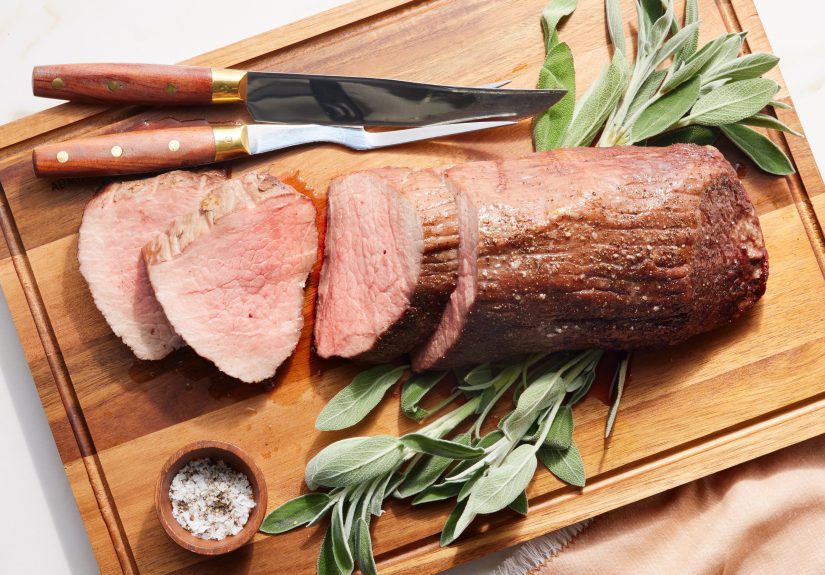
it was the first time I saw what people mean by a “rosy interior” without a big grey ring. The meat wasn’t falling apart (wrong goal for roast beef),
but it was tender enough to chew without negotiation. And it was noticeably juicier. Not “dripping everywhere” juicyjust properly moist, like it
still remembered it used to be alive.
Then I discovered dry-brining, and honestly, it felt unfair how much better everything got with such little effort. Salting the roast the night before
is the cooking equivalent of laying out your clothes before work: it makes tomorrow smoother and you look like someone with their life together.
The flavor improved firstdeeper beefiness, not just salty surface seasoning. The texture improved next: the slices felt more tender and less “dry-lean.”
My biggest “I will never go back” moment was reverse sear. I used to chase a crust the whole time, which basically meant blasting the roast and hoping
the center stayed friendly. Reverse sear flips that stress on its head: you cook gently until the inside is perfect, rest it so it calms down,
then hit it with high heat to make the outside gorgeous. It’s like doing your homework first and then rewarding yourself with dessertexcept the dessert
is a browned crust that makes everyone think you’re secretly trained.
And if you want the most practical proof that roast beef doesn’t have to be dry? Make sandwiches the next day. When you nail the doneness and slice
across the grain, even a lean roast can deliver deli-style slices that taste expensive. Add a little warmed au jus and you’ll wonder why you ever
accepted dry roast beef as a normal life event.